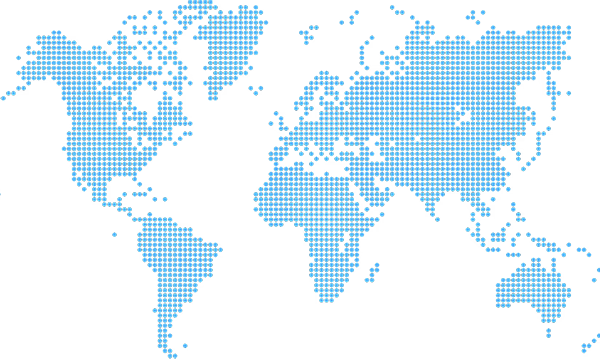


Multilingual website development
I build multilingual websites for businesses selling across borders — with correct hreflang, a separate SEO structure for each market, and locale routing that survives a redesign.
100
+Completed projects
Websites, landing pages and SEO projects for businesses in different niches and markets.
15
Years of experience
Hands-on experience in SEO, website development and digital strategy.
17
+Industries covered
From local services and startups to real estate, e-commerce and B2B projects.
3
Working languages
English, Polish and Russian — with content and structure adapted to each market.
What I build
Correct hreflang and locale routing
Every version on its own address, with markup telling search engines which audience it serves. This is the single technical decision that determines whether versions support or cannibalise each other.
Per-market SEO structure
Keyword research done separately for each language, because markets phrase things differently. Page structure follows what people actually search in that country, not a translation of what they search in yours.
Content that reads native
Localisation rather than translation: prices in local currency, examples that make sense locally, references to local platforms and regulations where relevant.
A CMS you can run per locale
Each language version editable independently, so adding a page in one market doesn't require touching the others or calling a developer.
Clean technical foundation
Canonical URLs, sitemap per locale, no duplicate content signals, and consistent structured data across versions.
AI-search readiness in every language
Assistants like ChatGPT answer in the language they're asked in, drawing on sources in that language. Structured data and unambiguous facts per locale are what make a business findable in each of them.
Multilingual is a technical problem, not a linguistic one
Most businesses approach a multilingual website as a translation task: take the content, get it translated, publish it under a language switcher. The translation part usually goes fine. The site then underperforms anyway, and the reason is almost never the words.
What decides the outcome is how search engines are told which version belongs to which audience. That's the hreflang and canonical setup, and it's easy to get subtly wrong — the versions end up read as duplicates of one another, the ranking signal splits, and each version performs worse than a single-language site would have. This is the most common failure mode, and it's invisible: nothing looks broken, the traffic simply never arrives. Getting found in AI-generated answers depends on the same clean structure — I've seen a client get found through ChatGPT for exactly that reason.
The second decision is structural. Markets don't phrase things identically, and a literal translation targets phrases nobody in that country types into a search box. Keyword research has to be done per language, and page structure has to follow it. Sometimes that means a market needs a page the original language doesn't have at all.
The third is fragility. Locale routing breaks easily during redesigns and migrations — versions get swapped, redirects go missing, hreflang keeps pointing at old addresses. I've had to repair exactly this for a client whose language versions were swapped during an AI-assisted redesign: traffic fell within two days and took over a month to recover after the fixes.
Done properly, the payoff is straightforward. A real estate catalogue I built runs in four languages, brings over 1,500 organic visits a month with no ad spend, and its buyers come from more than twenty countries — because each version was built to work in its own market rather than to mirror the original. The same logic applies to hotels with international guests and logistics companies whose clients and drivers are in different countries.
How the work goes
We define the markets
Which languages, which countries, and what differs between them — currency, regulations, buying habits, the platforms people use locally.
Keyword research per language
Separately for each market, because the phrasing differs. This determines the page structure, not the other way round.
Build with the technical layer first
Locale routing, hreflang, canonicals, sitemaps and structured data per version — set up at the architecture stage, where they belong.
Launch and verify per market
Each version checked in search independently: indexation, correct version serving, no duplicate signals.
Frequently asked questions
let's talk
let’s discuss your project goals
Tell me about your task, business goals, and current situation. I’ll review it and suggest the best next steps — clear, realistic, and without obligations.