


Realtor Website Design for Real Estate Agents
Realtor website design and build from one person: your personal brand on the first screen, neighborhood pages, listings with photos and video, home valuation requests that reach your CRM, and a site that stays yours when you change brokerage.
- Design + build, one price
- From 700 €
- Your domain, your site
What you get with realtor website design
- Your face and name, not a stock skylineBio, portraits and a short video introduction
- A page for each neighborhood you workYour photos, dated market notes, local listings
- Listing pages with video toursGalleries that swipe fast on a phone
- Valuation and showing requests into your CRMFollow Up Boss, kvCORE or the tool you use
- Fast with heavy photosUnder 2.5 s on a phone, video on tap
- Readable by Google and AI assistantsName, brokerage, areas and languages as text
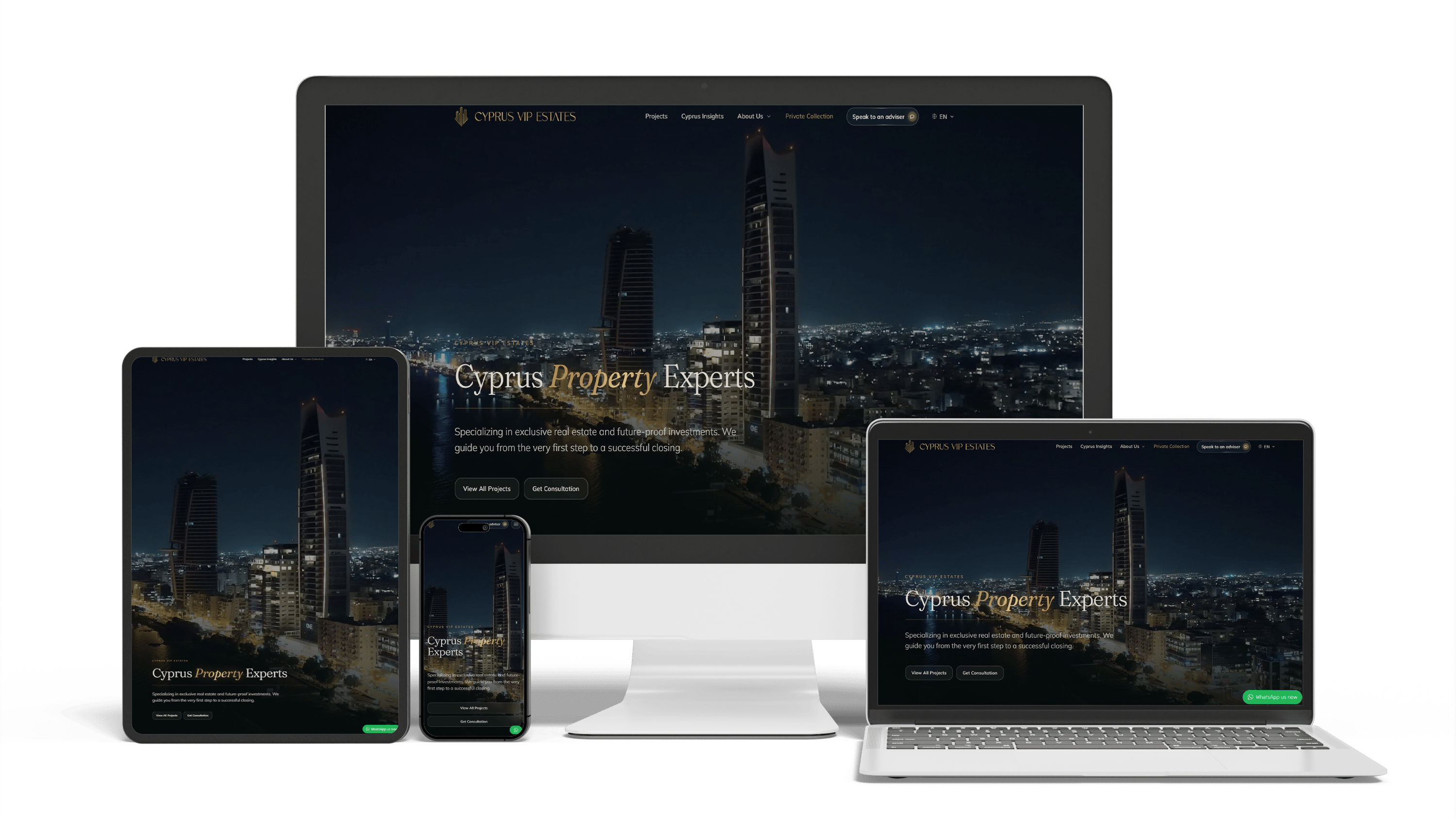
Multilingual real estate platform in Cyprus: SEO and GEO without bought links
16× faster editingTraffic from ChatGPTLeads via WhatsApp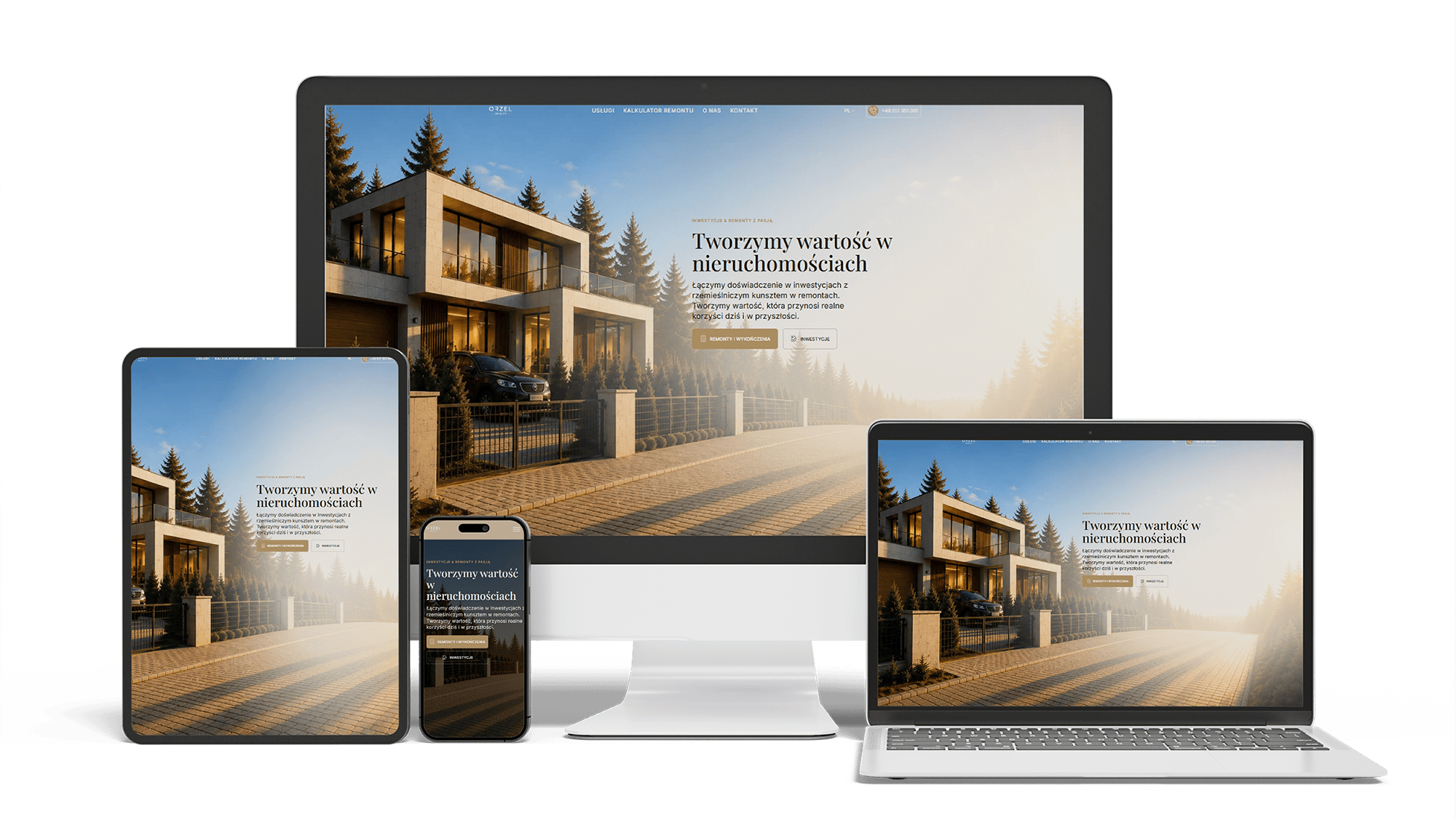
Renovation and investment website with a premium feel and 96/98/100/100 performance
96/98/100/100Design system2 languages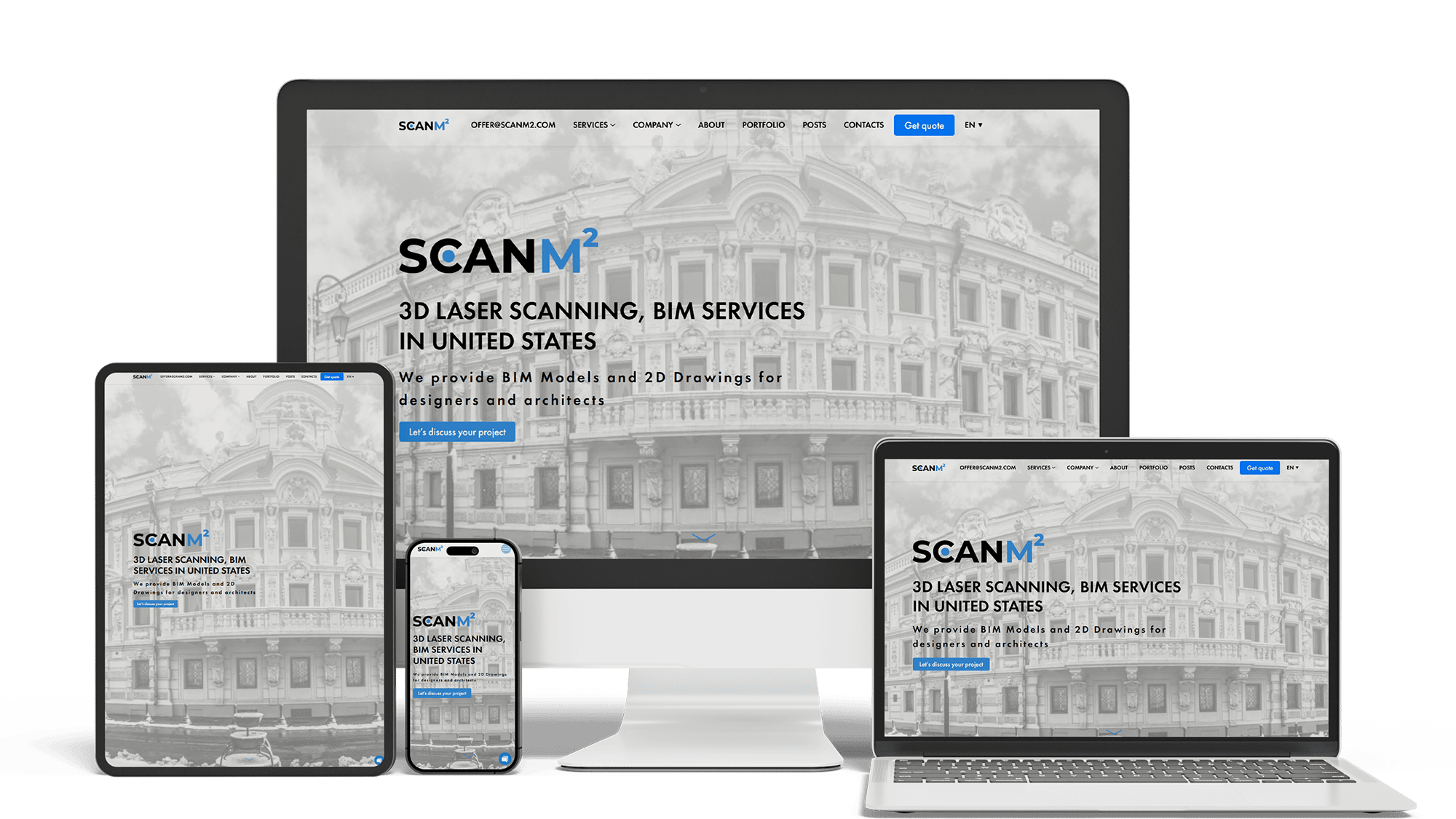
Architecture Website Rebuild and SEO
29× organic trafficLoads in under 1 sTop 3 in Poland
Full Multilingual Website Development & SEO for Student Services
+5,930 clicks in 6 months359k impressionsTeam edits it
A multilingual landing page for a wheel and tyre storage business
100/95/100/1003 languagesClient edits it
Get a quote for your realtor website design
I reply within one business day with a plan for the home, neighborhood and listing pages and a fixed price.
I do realtor website design and build the site myself, for individual real estate agents and small teams, so design and development come from one person at one price. You already appear on the brokerage site and on Zillow and Realtor.com; a website of your own is the one place shaped around how you work that carries your name from one brokerage to the next.
Buyers usually find a home first and look up the agent afterwards; sellers compare two or three agents before a listing appointment. Both open your site on a phone, and the first screen answers them before they scroll:
- who you are — your photo, your name, the brokerage you work with and the area you cover, in one line such as “Homes in [neighborhood] — [Name], [Brokerage]”
- what you are best at — first-time buyers, luxury homes, condos, relocation or investors
- the next step for each side — “What is my home worth?” for sellers, search or featured listings for buyers
- how to reach you now — call, text and email, each one tap away
A full-screen drone video pushes all four answers below the fold on a phone; video belongs on the listing and neighborhood pages.
Most agents choose between three things: the free agent page their brokerage provides, a subscription IDX website builder — Placester, Real Geeks, Luxury Presence, the site that comes with kvCORE and similar platforms — or a custom site. Each fits a different stage, and a builder is not a wrong choice.
When an IDX builder or a brokerage page is enough
- you are new, the budget is small and you need MLS search on the first day
- most of your business comes from referrals and your sphere, not from search
- the builder’s layouts suit you and you do not plan many pages of your own
When a custom realtor website design pays off
- your brand and your neighborhoods should look like you, not like a layout many agents in your market already use
- you want neighborhood guides, market updates and video pages that build up under your own domain
- you work in two languages or with relocation and international buyers
- the site, the domain and the content must stay yours when you change brokerage or software
A custom site does not mean giving up listing search. MLS data still comes from an IDX provider you subscribe to, such as iHomefinder, embedded in your design; your MLS and your broker approve the feed, and the MLS display rules apply. The trade-off in plain terms: a builder is cheaper to start and has saved searches and alerts ready; a custom site costs more at the start and gives you control over everything around the search.
Realtor website design templates
Realtor website design templates — WordPress real estate themes, Squarespace or Webflow layouts — sit between the two. With a real agent’s content their gaps show: one “Communities” page instead of a page per neighborhood, no place for a valuation request, an IDX plugin styled differently from the theme. As a start, with those limits accepted, a template works.
People choose an agent before they think about the brokerage, and the About page with its photos carries most of that choice. That is why it is designed first:
- portraits and working photos taken for the site — at a showing, on your streets, with your team — in the same light and framing
- a bio written as an introduction: where you live, which areas and property types you know, how you work with buyers and with sellers
- designations, certifications and languages as a short list in text, not inside badges
- reviews from Google, Zillow and Realtor.com, each with its source named
- your own colors and logo next to the brokerage’s, in the proportion your brokerage’s brand rules allow
Neighborhood pages show local knowledge that a portal cannot. They share one layout, so the set stays consistent as you add areas:
- a description in your own words: streets, housing types, commute
- your photos and a short video walk rather than stock images
- schools, parks and transit as facts with links to official sources, not your rating of them
- active and recently sold listings from that area through the IDX feed
- a market note refreshed monthly or quarterly, with the date shown
- a contact block that names you as the agent for this area
Getting these pages found in Google and on the map is SEO work, described on the SEO for realtors page.
Your own listings are marketing, not only data. A listing page designed for your site does more than a standard IDX template:
- a large photo gallery that opens quickly and swipes on a phone
- a video tour or 3D walk-through near the top, loaded only when the visitor taps play
- price, beds, baths, size, lot and fees in a fixed block, as text
- a floor plan, a map and a short story of the home in your words
- a showing request button, with the listing brokerage credited as your MLS requires
Most leads on an agent’s site come from three forms: a home valuation request, a showing request and a buyer consultation. Each asks only what the first reply needs — the address and the home’s basics for a valuation, the listing and a preferred time for a showing.
I do not put an invented instant estimate on the page. The valuation form starts a conversation, and you answer it with your own market analysis, which is why sellers ask an agent in the first place. If your IDX or valuation tool provides an automated estimate, it can sit on the page with its own disclaimer.
Leads go where you already work — Follow Up Boss, kvCORE, Lofty or another CRM — through the CRM’s own form, its API or an automation service, depending on your plan. Each lead carries the page it came from, so you see which neighborhood or listing brought it. I check what your account supports before quoting.
A realtor’s site carries far more weight than a typical service business site: dozens of photos per listing, video, maps and an IDX script. The build keeps the main content of each page visible in under 2.5 seconds on a phone, the level Google rates as good:
- photos resized for each screen and served as WebP or AVIF
- galleries that load the first image at once and the rest as the visitor swipes
- video and 3D tours shown as a poster image until someone taps play
- maps and IDX search loaded only on the pages that use them
An agent’s website is advertising, and real estate advertising has rules. In the US, state license laws generally require the brokerage name in advertising, some states require license numbers, and the Fair Housing Act applies to every word on the site. The design gives these items fixed places:
- the brokerage name and contact details on every page, where your state and your broker require them
- your license number and the Equal Housing Opportunity logo in the footer
- MLS attribution and the IDX disclaimer next to listing data
- neighborhood copy that describes homes and places, not the kind of people who should live there
Rules differ by state and by brokerage, so check the wording with your managing broker before launch. In Canada, the UK and Australia other regulators set the rules, and the same fixed places hold what yours require.
Lists of the best real estate agent websites mix luxury teams with solo agents in small towns. Set the budgets aside and the same patterns repeat:
- one person or one team clearly in charge of the first screen
- separate paths for sellers and buyers from the home page
- neighborhood pages with the agent’s own photos and dated market notes
- listing pages with video that still load fast
- reviews with their sources, placed next to the contact buttons
Galleries on Awwwards or Dribbble show home pages; open the neighborhood and listing pages too — that is where a visitor decides to call.
Agents change brokerages and software more often than careers. A brokerage page stays with the brokerage when you leave, and a builder site usually stays with the builder when you cancel: the domain can be pointed elsewhere, but the design, the neighborhood guides and years of market notes rarely move with it.
Here the domain is registered in your name, the hosting is on your account, and the code and content are handed over at launch. When you join another brokerage, the logo and footer change and everything else stays. After launch you pay for hosting, the domain and your IDX provider, if you use one — there is no monthly fee to me.
Buyers and sellers now ask ChatGPT, Perplexity and Google’s AI Overviews for “a realtor in [suburb] who speaks Spanish” or “an agent who sells condos in [neighborhood]”. An assistant can only suggest an agent it can read about. The design keeps the facts as page text — your name, brokerage, license, areas, languages, property types and contact details — matching your Google Business Profile and your Zillow and Realtor.com profiles. RealEstateAgent structured data describes you, neighborhood pages answer common questions directly, and every market note shows its date.
Being named in those answers is ongoing work, described on the AI SEO and GEO optimization page.
Design is not sold separately: each price covers design and development.
- A simple realtor website — home page, About, a few neighborhood pages, featured listings, contact and valuation forms: 700–1,400 €.
- A full site with neighborhood and listing page designs, IDX search through your provider, video, leads sent to your CRM, brokerage and Fair Housing details and local SEO setup: from 2,000 €.
All ranges are on the pricing page, and how I build websites in general is on the website development page. Brokerages that need a full property catalog and developers selling new projects will find their own pages: real estate agency website and property developer website.
Websites for the mortgage brokers your buyers work with: mortgage broker website design.
Realtor website design: frequently asked questions
Order realtor website design: what to send me
Send your name and brokerage, a link to your current site or agent page, the neighborhoods you work, whether you mostly list or buy, the CRM and IDX provider you use and two or three agent sites you like. Portraits or listing photos, if you have them, help me show a first screen that looks like you. I will reply with a page plan and a fixed price. Use the form above or write on WhatsApp.
