

Quick answer: a multilingual website starts from €2,000 as a multi-page project with language versions built into the architecture from the outset. Adding versions to an existing site starts from €1,000, though the real figure depends on whether the site was designed for it. The price is made of three layers: the technical locale structure, content and its localisation, and ongoing maintenance. Translation is the most visible layer, not the most expensive one.
The question almost always arrives as "how much to translate our website". That phrasing contains the error that makes budgets miss: translation is the smaller half of the work. It's visible, it can be priced per word, and so it's the part that ends up in the quote. What determines whether a multilingual site actually works usually sits outside it.
Here's the breakdown, layer by layer.
The three cost layers of a multilingual website
Layer one — the technical locale structure. Each version needs its own address, correct hreflang markup, canonical URLs, a separate sitemap, and a language switcher that doesn't break navigation. This is what decides whether the versions serve their own markets or compete with each other.
Layer two — content. Not just translation but adaptation: prices in local currency, examples that make sense in that market, and separate keyword research per language. Markets phrase their searches differently, and a literal translation targets terms nobody in that country types.
Layer three — maintenance. Every new page appears in every version. Every price or service change has to be made everywhere. This isn't a one-off cost but a standing load, and it's worth weighing when deciding how many languages to run.
The first layer is the most underestimated. On larger sites, checking the versions takes longer than the translation itself: confirming the switcher lands on the matching page rather than the homepage, that forms and system messages are translated, that metadata and image alt text are in place, and that the versions aren't being read as duplicates of one another.
What determines the price of a multilingual website
The number of languages. Obvious, but it doesn't scale linearly: the technical structure is configured once, while content and maintenance multiply by the number of versions.
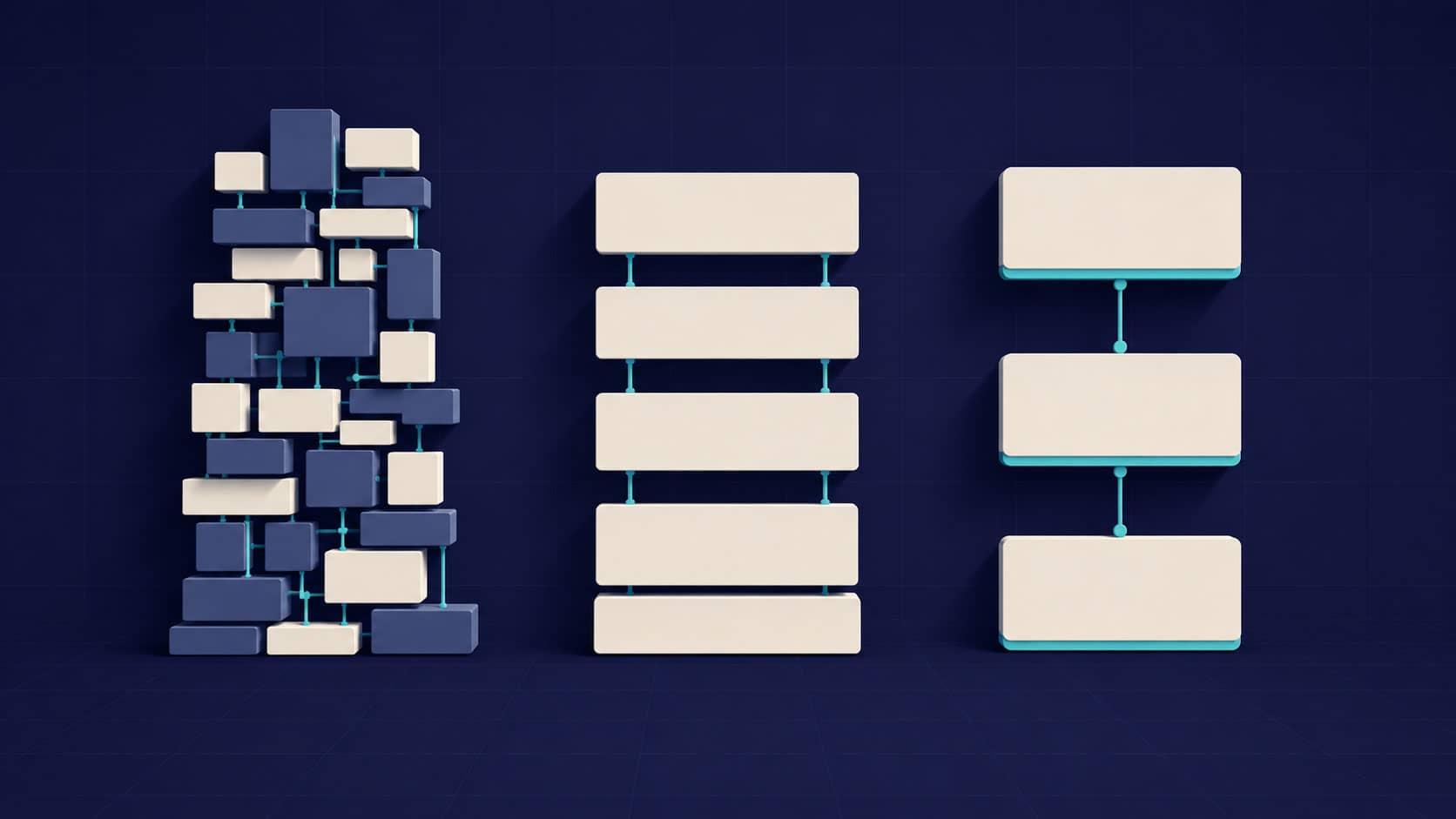
Whether the site was designed for multilingual use. The difference is fundamental. A site with locales built into its architecture takes a new language as a content task. A site that wasn't built for it needs its structure rebuilt first — usually more expensive than doing it properly at the start.
Volume of content. Five pages and a two-hundred-item catalogue are different jobs, and the catalogue multiplies by the number of languages.
How much the versions differ. Sometimes a market needs a page the original language doesn't have, and some pages of the original aren't needed there at all. That's the right call, and it adds work.
Who translates. Your team, a professional translator, or a native speaker — this affects both the cost and the result.
What's included in multilingual website development and what's costed separately
- Technical structure — Locale addresses, hreflang, canonicals, sitemaps, switcher, markup — Part of development, configured once
- Per-market SEO — Separate keyword research and page structure for each language — Costed per language
- Translation and localisation — Copy, currencies, examples, local specifics — Usually per word, varies by language pair
- Maintenance — New pages and edits across all versions — A standing load, not a one-off cost
Why machine translation of a website costs more than it appears to
The cheapest route is a plugin that translates the site automatically. The appeal is obvious, and in some cases it's acceptable — for internal documentation or a help section that isn't selling anything.
For a services website it's a poor decision, for two reasons.
The first is trust. A native speaker recognises machine translation within seconds. In a field where you're selling expertise, that recognition ends the visit faster than any technical fault.
The second is search. Auto-translated pages frequently end up outside the index or rank poorly, because they don't answer the phrasings people actually use in that market. You're paying for a version that brings no traffic and doesn't convince the people who do land on it.
The sensible compromise: human translation where the selling happens, and acceptable automation where the text is supporting material.
What breaks most often in language versions of a website
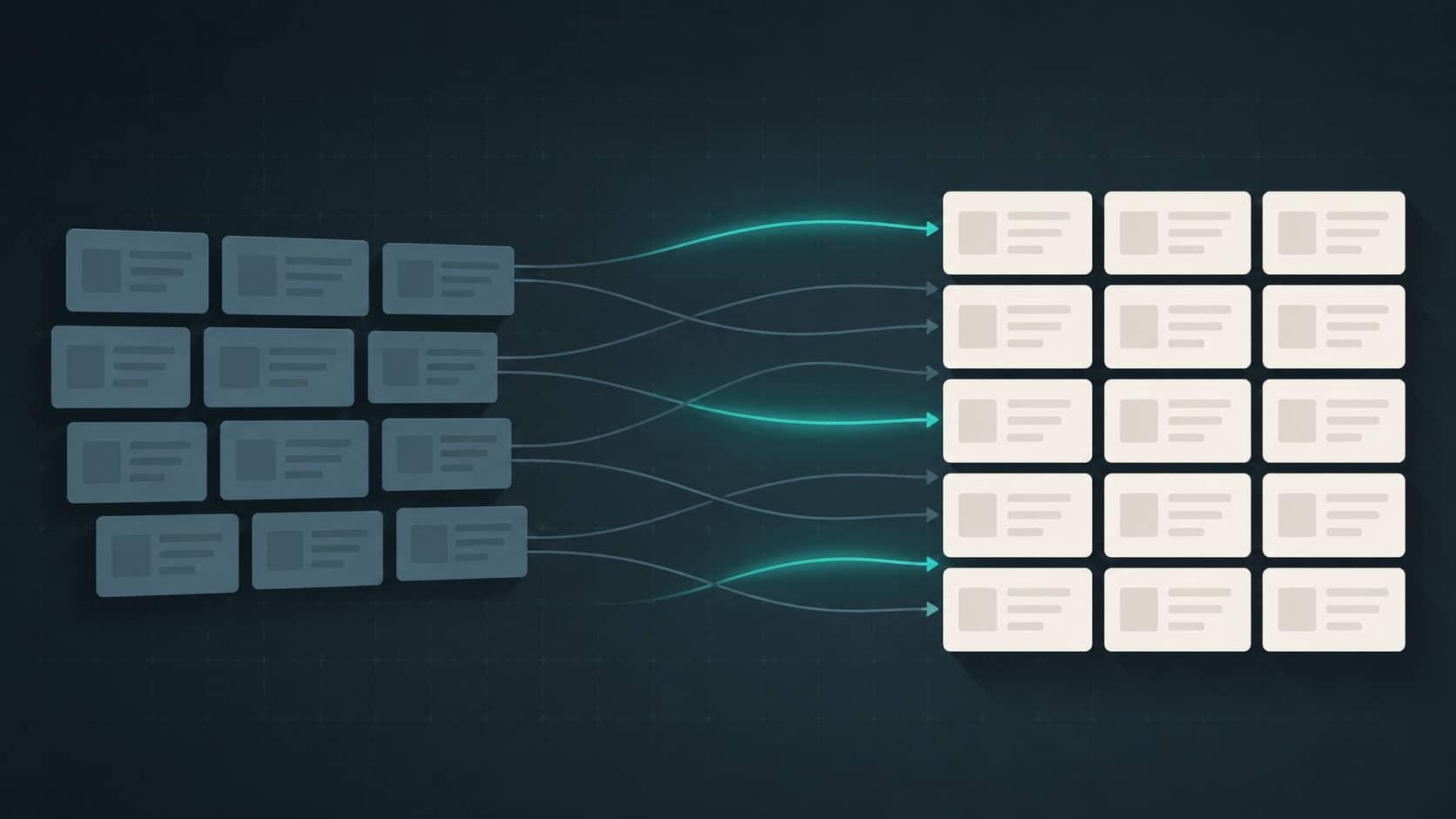
The versions compete with each other. Without correct hreflang and canonicals, search engines read the language versions as duplicates. The ranking signal splits, and the multilingual site delivers less traffic than a single-language one would have. This is the most common failure mode and it's invisible: nothing looks broken, the traffic simply never arrives.
The switcher lands on the homepage. Someone is reading a service page, switches language and ends up at the start. A small thing that loses visitors on every switch.
Copy translated, interface not. Buttons, forms, error messages and confirmation emails stay in the original language. The impression is worse than having no version at all.
Locales break during a redesign. The most expensive case. One of my clients had their language versions swapped during a redesign: the addresses changed with no redirects while hreflang still pointed at the old ones. Traffic started falling within two days and hadn't recovered a month later; diagnosis and repair took two weeks.
When a multilingual website pays off and when it doesn't
Not always. If your clients all speak one language, a second version is a cost with no return, and that's the honest answer.
It pays off in three situations. First, you already sell into other markets but the site says nothing about it. Second, your own market is multilingual — in larger cities a substantial share of customers search in a language other than the official one, and a version for them opens a stream competitors aren't serving. Third, a narrow specialisation where the client could be in any country.
A concrete example from my own work: a property catalogue I built runs in four languages and brings over 1,500 organic visits a month with no ad spend, with buyers arriving from more than twenty countries. That's a result of each version being built as a site for its market, not of translation.
What a multilingual website costs with me
A multilingual site from scratch — from €2,000. Language versions built into the architecture: locale addresses, hreflang, canonicals, separate sitemaps, and a structure ready for per-market keyword research.
Adding versions to an existing site — from €1,000. The figure depends on whether the site was designed for it. If it was, the task is a content one. If not, the structure gets rebuilt first.
Translation is costed separately. I don't take on translation as a service: the copy can come from your team, a translator or a native speaker. What I do is the content strategy and structure for each market, so that translated copy lands on the phrasings people there actually search.
How I build multilingual websites
I combine development and SEO, so the technical locale structure and per-market keyword research are one piece of work rather than two separate stages. Multilingual sites in my practice: a property catalogue in four languages with buyers from more than twenty countries, and an auto repair workshop site also in four. My own site runs in three.
The sequence: we define the markets and what differs between them; keyword research is done separately per language; development starts with the technical layer; then each version is verified in search on its own — indexation, correct version served, no duplicate signals.
Where to start with a multilingual website
Reduced to one principle: a multilingual website costs what it costs to make each version work in its own market, rather than be a copy of the original in different words.
Start by answering which markets you genuinely need and what differs between them — currency, regulation, buying habits, the platforms people use locally. Structure and budget both follow from that. And one decision is worth making early: even if you launch in one language, name the likely future ones. Building the structure in costs almost nothing; retrofitting it later costs a great deal.
If you're planning to reach new markets, write to me and I'll work out what it takes.