


SEO for banks: winning the searches that happen before the branded one
SEO for banks and cooperative banks: product pages that rank against comparison sites, a page per branch, text that survives compliance, and visibility in AI search — GEO and AEO included. Audit from €250.
- Product and branch pages
- Audit from €250
- Named by ChatGPT and AI search
What SEO for a bank actually covers
- Product pages that rankOne page per product and condition
- A page for every branchHours, services, people, structured data
- Text that passes complianceWritten to be approved, not rewritten
- Calculators that load fastThe slowest page is usually the one that sells
- One domain, no look-alikesCampaign microsites cost trust and rankings
- Answers in AI assistantsConditions readable as text, not as images
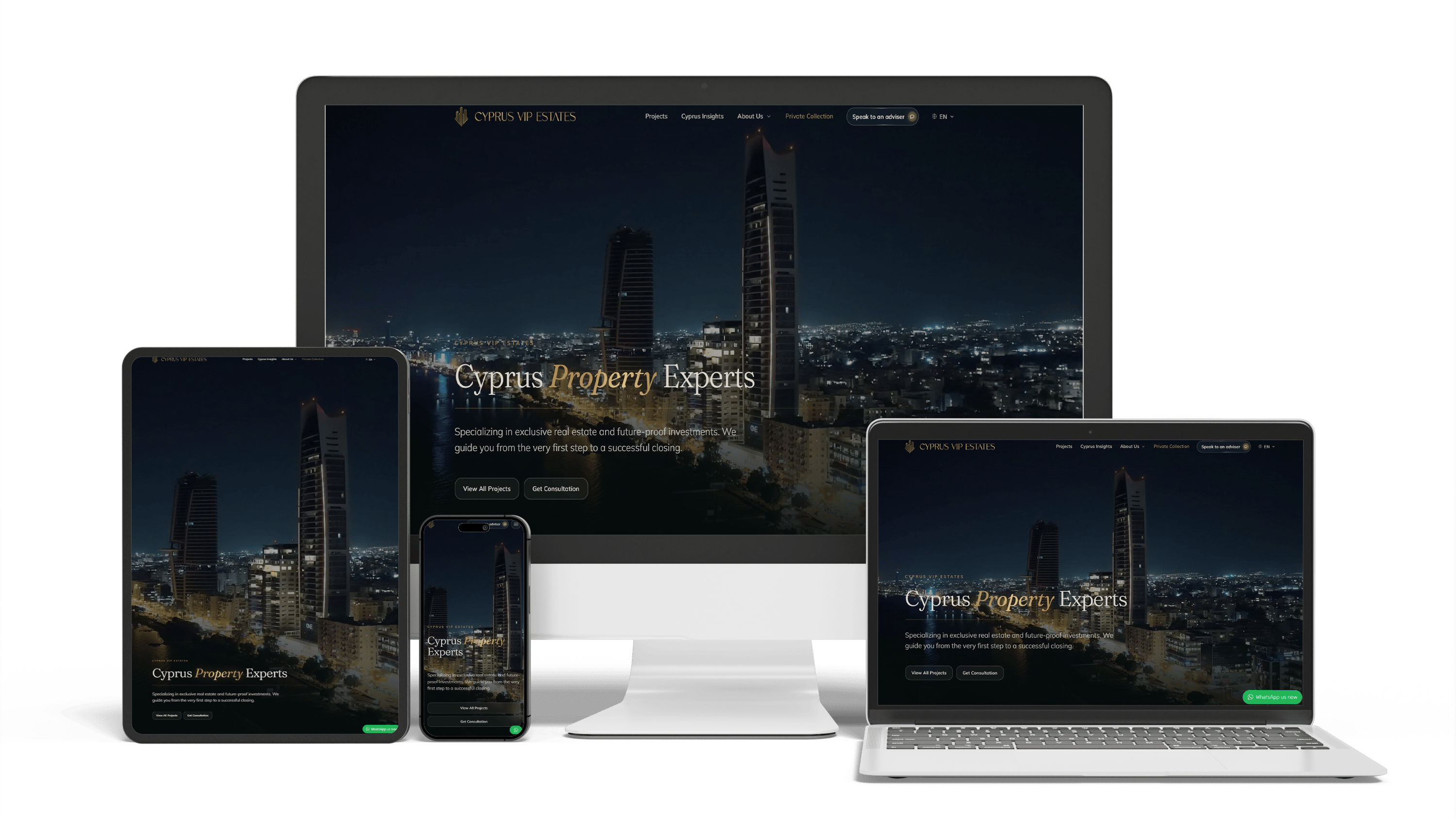
Multilingual real estate platform in Cyprus: SEO and GEO without bought links
16× faster editingTraffic from ChatGPTLeads via WhatsApp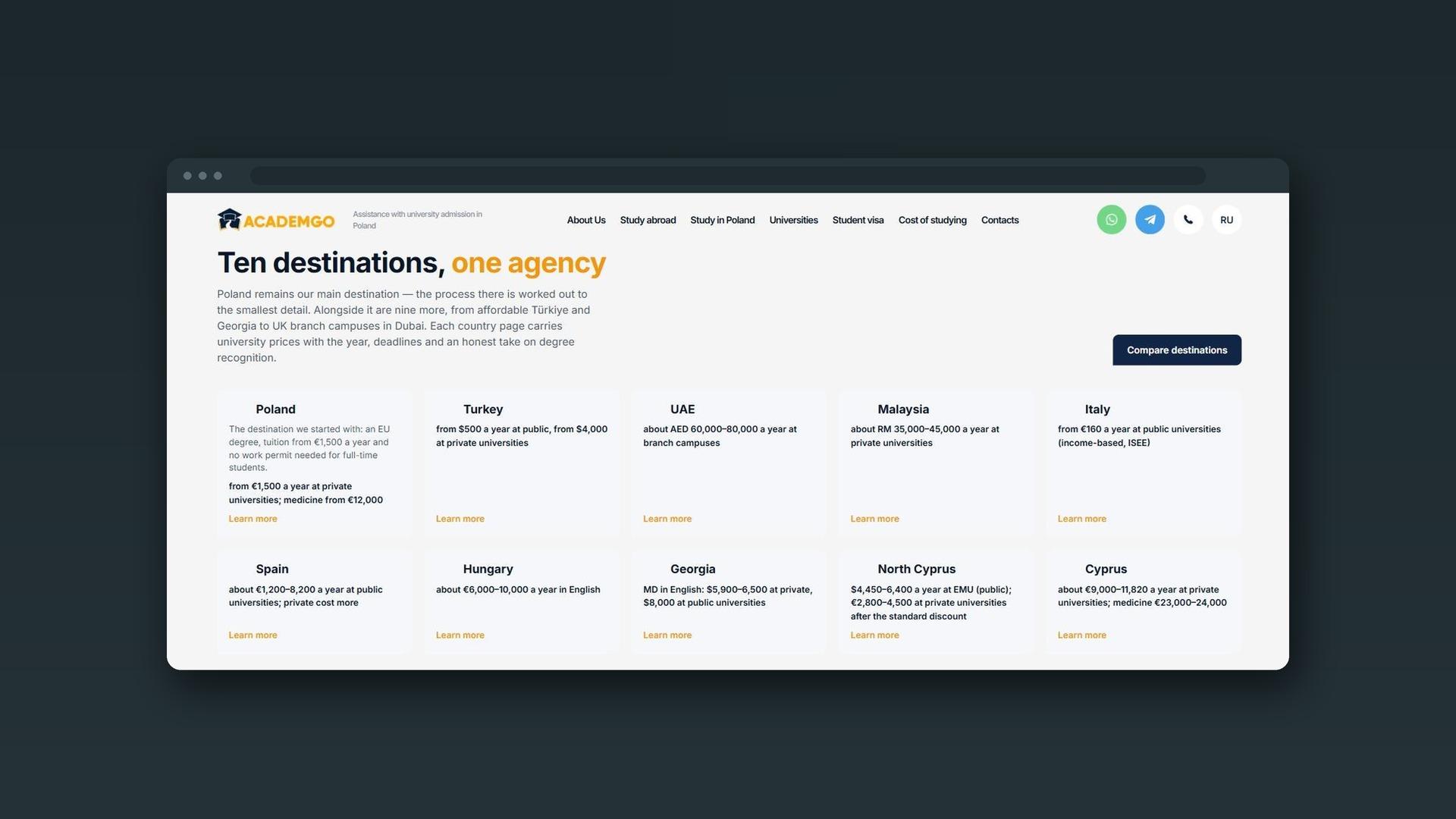
SEO case study: an education agency site, one country to ten
1 → 10 countries180 new pagesPerformance 61 → 91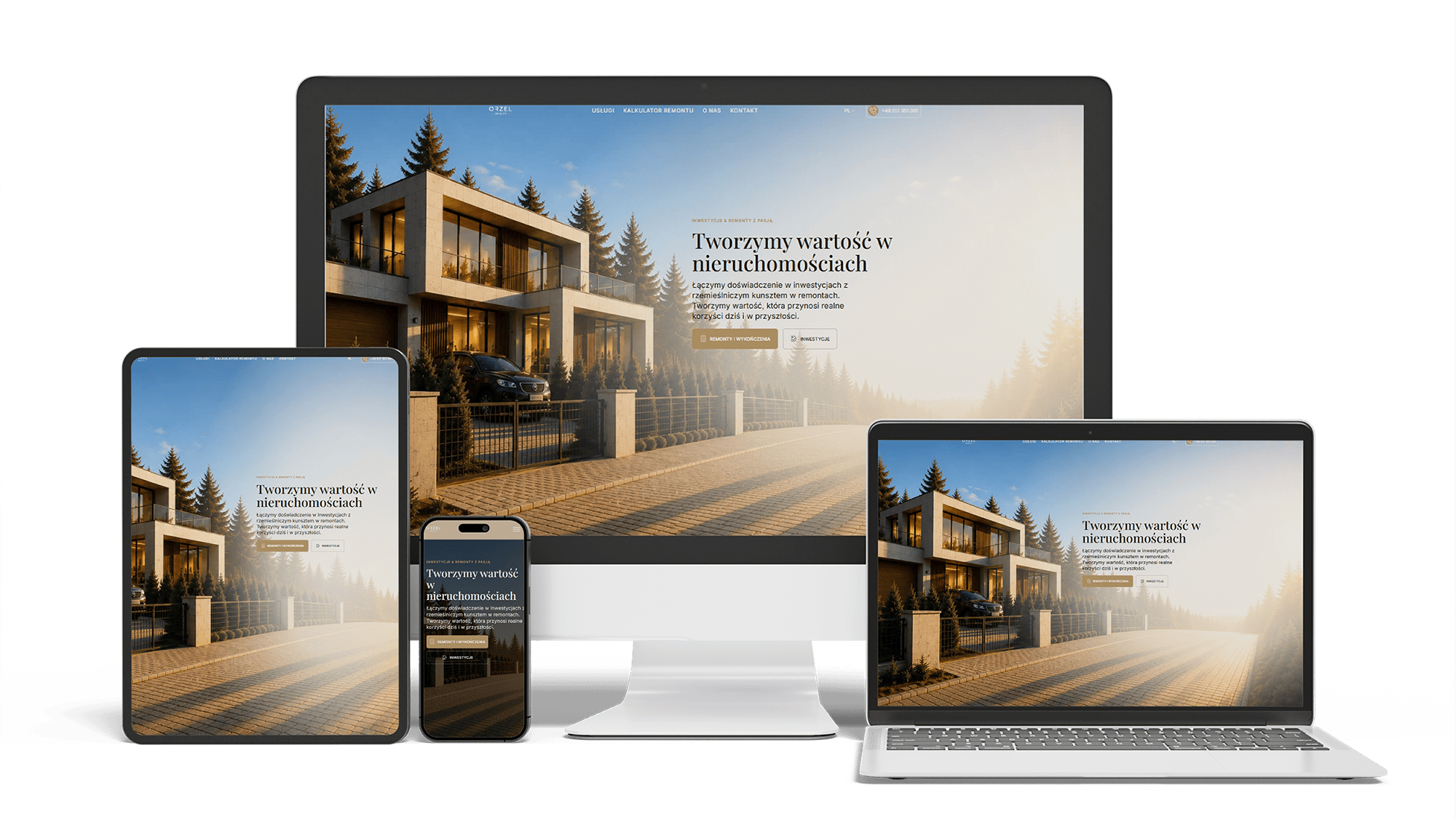
Renovation and investment website with a premium feel and 96/98/100/100 performance
96/98/100/100Design system2 languages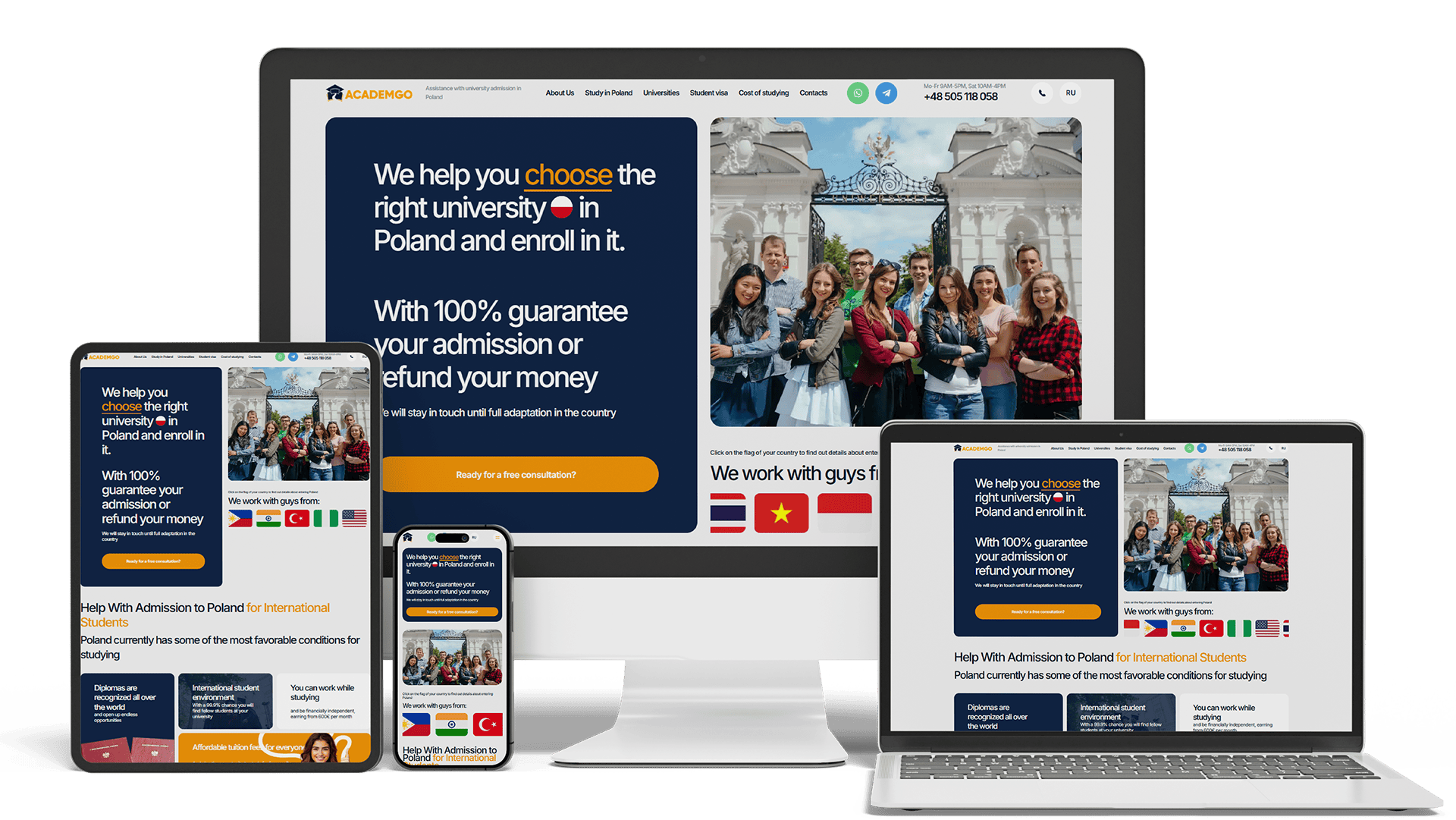
Full Multilingual Website Development & SEO for Student Services
+5,930 clicks in 6 months359k impressionsTeam edits it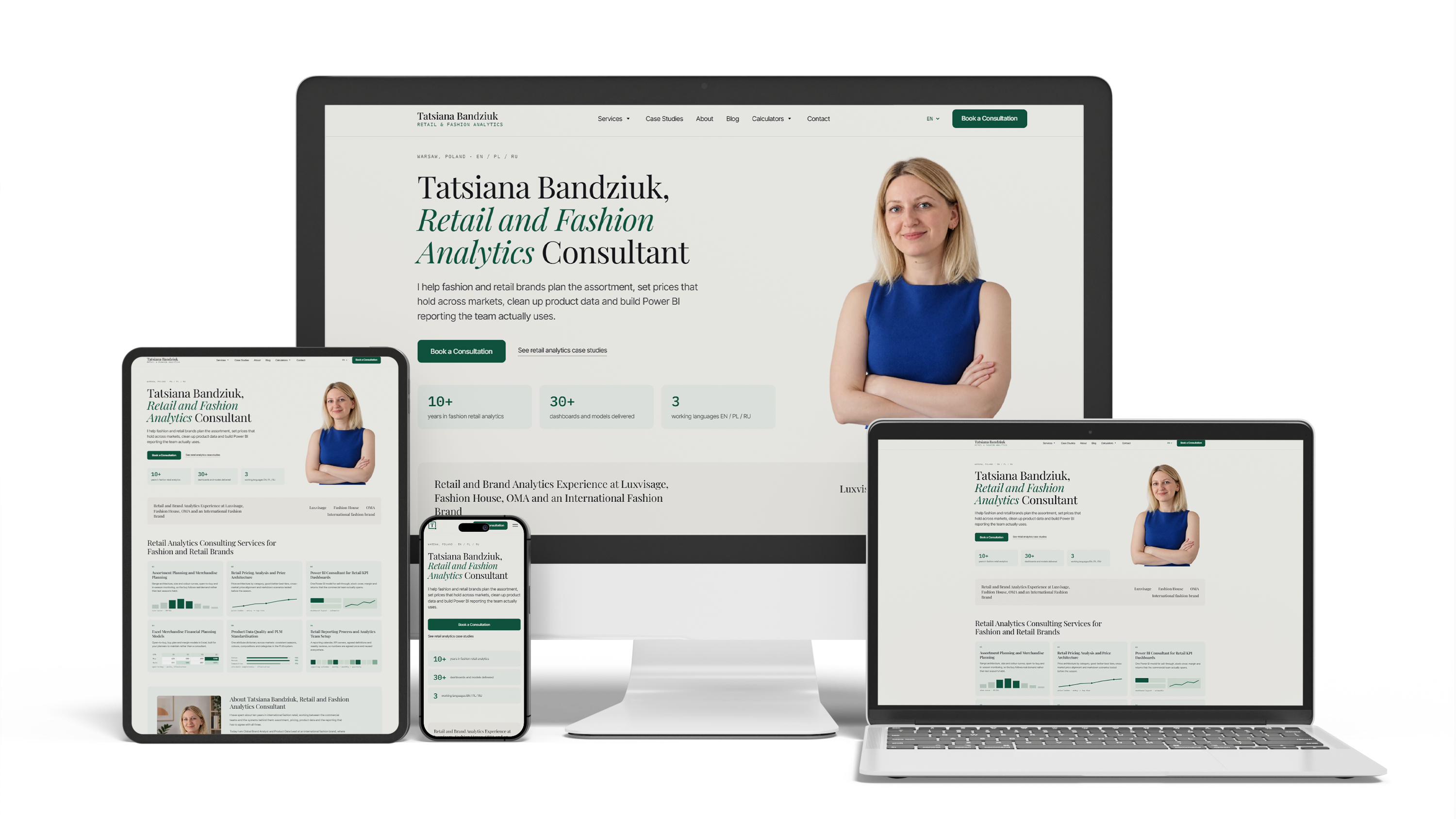
A consultant website for a retail analytics expert
100/100/100/100153 pages3 languages
I do SEO for banks and cooperative banks, and that includes being found in AI answers rather than only in Google. The first thing an analytics report hides is that almost all of a bank's organic traffic is branded: people typing the bank's own name plus login, hours, swift code or contact. That traffic would arrive with or without SEO, and it makes the chart look fine while the searches that decide where someone opens an account go to somebody else.
The searches that matter happen earlier and without your name in them: a mortgage with a given down payment, a business account for a one-person company, a deposit for a specific term, a card without a monthly fee, a branch in a particular district. Those are the ones to win, and they are won on pages that most bank sites do not have.
For a query like best mortgage or cheapest business account, the first page belongs to comparison and aggregator sites almost everywhere. They have more pages, more links and no compliance department. A bank that tries to beat them head-on spends a year and loses.
What works is the layer underneath: the long tail where the query already contains a condition, a situation or a place. A page about a mortgage for a plot of land, about an account for a freelancer registering for VAT, about a deposit that allows early withdrawal, about what happens to the rate after the first year. Comparison sites cover these thinly because their format is a table; a bank can answer them properly, and that is where the enquiries sit.
A bank with offices has a local search asset it rarely uses. One page per branch, each with its own address, hours, the services available there, parking and accessibility, structured data and a matching maps profile, wins the searches that end in a visit. For cooperative and regional banks this is usually the single largest unclaimed source of traffic, because the national banks treat branches as a list in a finder tool and publish no page at all.
The maps side of this is a job in itself — see local SEO.
This is where ordinary SEO advice breaks. In a bank, a sentence about a rate, a fee or a condition is not a copywriting decision: it carries mandatory disclosures, it is reviewed, and it cannot be edited on a whim to chase a keyword. Any plan that assumes free rewriting will stall at the first review.
- the parts of a page that can change without review are separated from the parts that cannot, so optimisation happens where it is allowed;
- headings and explanatory text carry the search terms, while the regulated figures stay exactly as approved;
- changes are prepared in batches that match the review cycle rather than arriving one line at a time;
- the disclosures stay as crawlable text on the page — not inside an image or a PDF, where they protect you legally and disappear from search.
- calculators and application forms that load quickly on a phone, because they are the pages that convert and usually the heaviest;
- one domain for everything: campaign microsites on separate domains split the authority you already paid for and teach customers to trust look-alike addresses, which is the last habit a bank wants;
- accessibility treated as a requirement rather than a nice-to-have — for banking services in the EU it is now law, and the semantic structure it demands is the same structure search engines read;
- indexing control over the thousands of near-identical pages banks generate: archived rate tables, branch finders with parameters, old campaign pages.
An audit is from €250: product pages, branches, the compliance constraints as they actually are in your institution, and what AI assistants currently say about you. One-off work is €250–800. Ongoing work is from €800 a month. What moves the price is the number of products, the number of branches and how long an approval round takes at your institution — that last one more than anything else. The figures are on the pricing page.
First movement is usually visible after about a month and a half, steady growth over three to six months. In a regulated institution the arithmetic has an extra term: if a text change waits three weeks for approval, the whole schedule stretches by three weeks. I plan around that rather than pretend it does not exist, and I do not promise positions — nobody can.
An audit of your bank's search visibility
I answer within one working day: what is losing you traffic now, what to fix first, and what it costs.
Getting a bank's products quoted by AI assistants (GEO, AEO)
People increasingly ask ChatGPT, Perplexity, Gemini or Google's AI overviews which bank does what: an account with no monthly fee for a small company, a mortgage for a self-employed borrower, a deposit that allows early withdrawal. An assistant answers from text it can read and from sources that agree with each other, and a bank is unusually exposed here — if the conditions live in a PDF or a table image, the assistant quotes a comparison site instead, and the comparison site may be out of date.
What this requires is ordinary and precise: conditions as text on the page, structured data matching what is visible, the same product names everywhere, and a review cycle that updates the page when the rate changes rather than a month later. Bringing an existing site to that state is its own job — AI search readiness. Checking what assistants say about your institution today is an AI visibility audit.
SEO for banks: frequently asked questions
Starting search work with a bank: what to send me
Tell me what kind of institution you are, how many branches you have, which products matter most this year and how long a text approval usually takes. Send the website link and, if you have it, access to Search Console. I answer within one working day: what is losing you traffic now, what to fix first, and what it costs.
