


SEO for musicians: how a band gets found by the people who book, write about and buy from it
Most of a musician's discovery happens inside Spotify and YouTube, not Google — and I will say so rather than sell you the wrong thing. Google decides the other half: who owns your name in search, whether bookers find you, and whether an assistant recommends you. Audit from €250.
- Own your name in search
- Audit from €250
- Named by ChatGPT and AI search
What SEO for a musician, band or DJ actually consists of
- Owning your own name in searchYour site above the aggregators and lyric farms
- Pages for the work you are hired forWeddings, corporate, clubs, sessions, teaching
- An EPK a booker can open and quoteText and figures, not a PDF behind a form
- Local search where you actually playCity pages only where you take the gig
- Releases findable after the hype weekAlbum and track pages that keep working
- Being named by AI assistants«A jazz trio for a wedding in Warsaw»

A consultant website for a retail analytics expert
100/100/100/100153 pages3 languages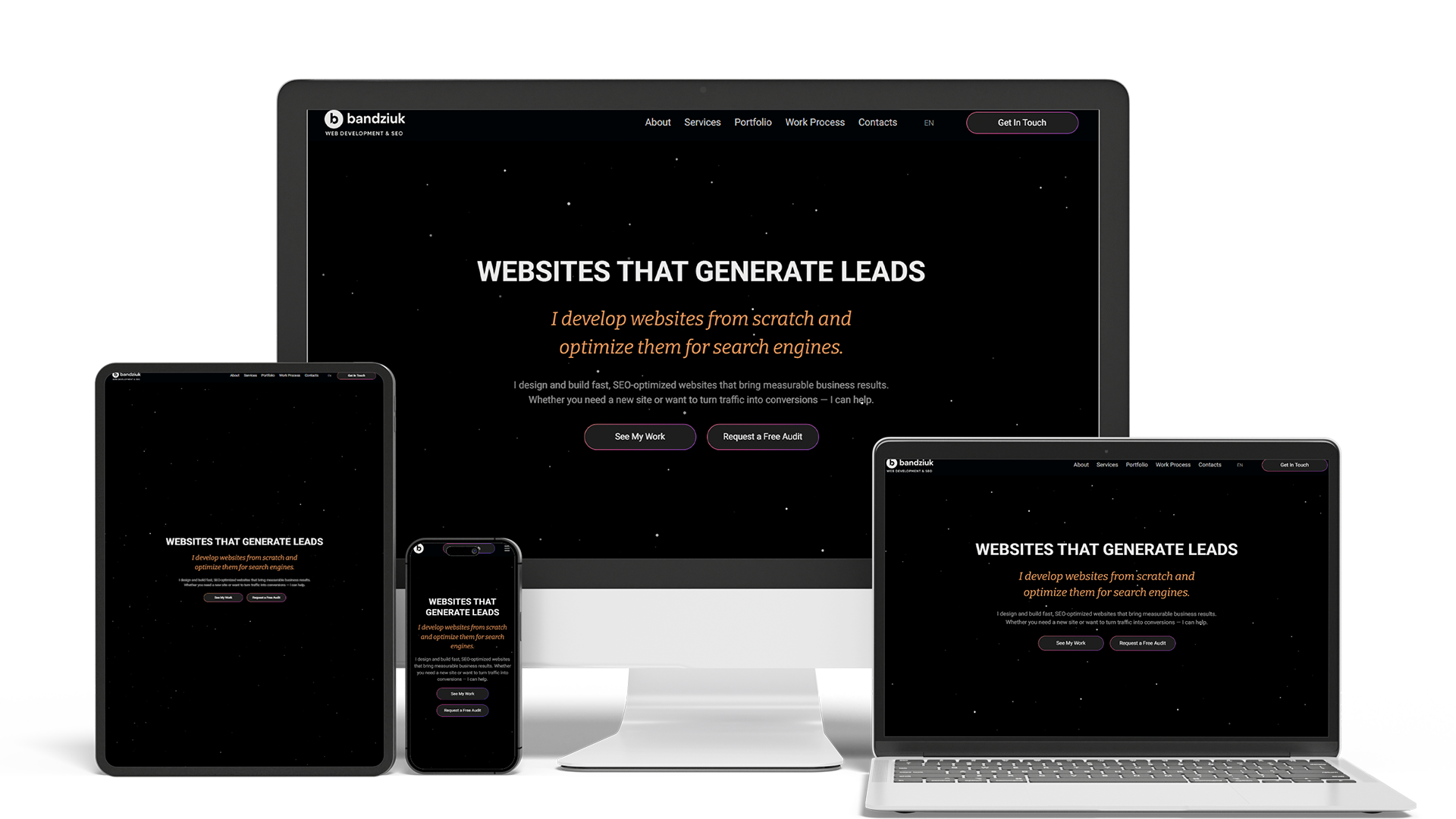
Develop and optimize a personal website with SEO
10× faster editingTraffic from ChatGPTMain lead channel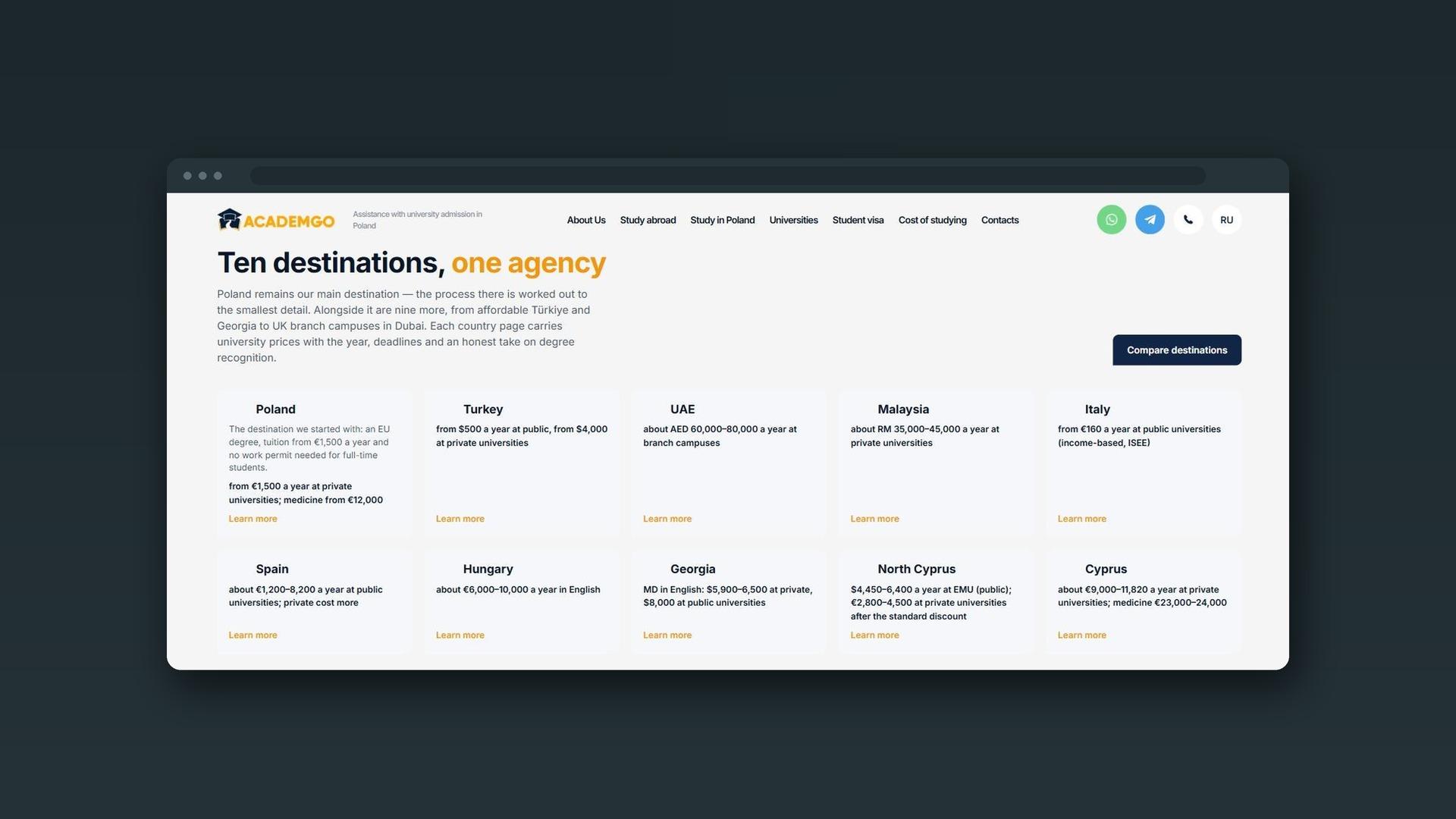
SEO case study: an education agency site, one country to ten
1 → 10 countries180 new pagesPerformance 61 → 91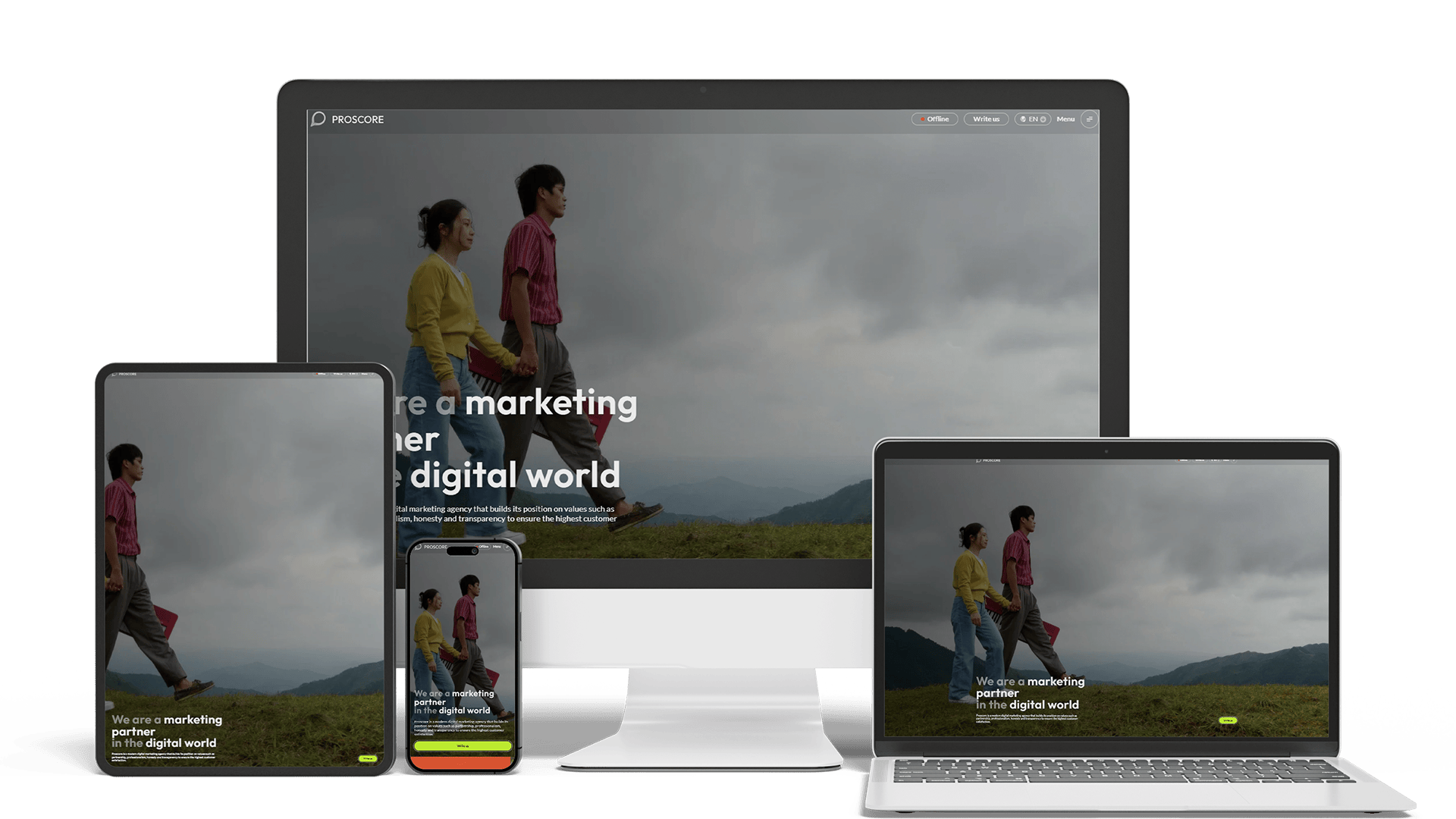
Digital Agency Website Development
100% match to FigmaLive status indicatorNo-code editing
Full Multilingual Website Development & SEO for Student Services
+5,930 clicks in 6 months359k impressionsTeam edits it
I do SEO for musicians and bands myself: audit, the fixes in the code and the text, and a monthly report on enquiries.
Start with the part most SEO pages for musicians leave out. If your goal is more listeners, Google is not the main instrument: discovery of music happens inside Spotify, YouTube and TikTok search, and the work there is metadata, playlists and release strategy, which is a different job from this one. Hiring me to do Google SEO for streaming numbers would be selling you the wrong thing.
Google decides a different half, and it is the half that pays. Who gets booked for the wedding, the corporate night, the festival slot. Who is found by the journalist writing about the scene. Who owns the first screen when somebody hears a track in a bar, remembers the name and searches it. That half is winnable by a site you control, and it is what this page is about.
Search your act's name and look at what you get. For a great many musicians the first screen is Spotify, Apple Music, a lyrics site, a YouTube auto-channel, a Discogs entry and a Bandcamp page — all describing them, none of them theirs, and not one with a booking contact on it. The person searching has already decided they are interested; they just cannot find you, only your distribution.
Fixing it is unglamorous and quick: one canonical site that states who you are in text, the same act name spelled identically everywhere, the links that tie the profiles together, and structured data that lets a search engine understand this is a musical act with these releases and these upcoming dates. The site does not have to outrank Spotify. It has to be on that first screen with the one thing Spotify does not carry — how to hire you.
- spell the act name identically on every profile, including capitalisation;
- put a booking contact in text, not inside an image or a contact form only;
- link your profiles from the site and the site from your profiles;
- mark up releases and dates so an assistant can read them;
- and claim the name in the directories that already outrank you.
A booker does not search for your genre; they search for the occasion. A wedding in a particular city, a corporate event, a club night of a certain style, a session player on a certain instrument, a teacher for a certain level. Each of those is a page, and each page answers what that buyer needs to know before writing: what the set looks like, how long it runs, what the line-up and equipment are, what it costs or starts at, and how far you travel.
This is also where the local half belongs and where it should stop. A city page is worth having for a city you actually take work in and worth nothing for a city you would decline — the measured experience on this site is that a page for a place where the service is not really delivered settles in the fifties and stays there.
What the site itself needs — EPK, tour dates, players, merch — is a different job, described on the band and musician website page. Where you take work in one city in particular, the groundwork is on the local SEO page.
The guides written by music platforms stop where they do
Most advice about music SEO is published by the platforms musicians already pay — hosting, distribution, booking tools. It is usually accurate and it stops at the same place every time: optimise your titles, write your show notes, fill in your metadata. That is the part of the work that happens inside their product, which is why it ends there. What follows — competing for the booking query, owning the name search, keeping a release findable after the hype week — happens on a site they do not host, so nobody writing those guides has a reason to explain it.
An SEO audit for your band, act or DJ name
Send the site and I reply within one working day: what is holding it back and what I would do first.
Being named when someone asks ChatGPT for a band or DJ (GEO, AEO)
«Find me a jazz trio for a wedding in Warsaw in June» is a question people now put to an assistant before they open a search engine, and private-event buyers are especially likely to ask, because they are not from the music world and want a shortlist rather than forty profiles. The assistant answers from text it can read and from sources that agree with each other, so three things decide whether an act is named: the occasions, line-up and area written as text rather than shown in a poster image, a price or a starting figure it can quote, and the same act name and contact on the site, the profiles and the directories bookers use.
Getting an existing site into a readable state is preparing a site for AI search, and if assistants describe the act wrongly — an old line-up, a member who left, a genre you no longer play — that is fixing AI misinformation.
SEO for musicians: frequently asked questions
Order an SEO audit for a musician or band: what to send me
Send the site and the act name, say what kind of work actually pays — live bookings, private events, teaching, sessions — and which cities you genuinely travel to. I reply within one working day with what comes up when I search your name, what is holding the site back, and what I would do first. If the honest answer is that your problem is streaming discovery rather than search, I will say so and point you at the right kind of help instead.
