


Bank website design and development: the public site that sits next to your login
I design and build websites for banks and cooperative banks: product conditions stored as data rather than retyped, one unmistakable domain, documents that stay readable, accessibility as a requirement, and a build that survives a vendor security review. Design included, from €2,000.
- Design included in the build
- From €2,000
- Named by ChatGPT and AI search
What a bank website build covers
- Conditions stored as dataApprove a rate once, it appears everywhere
- Named in ChatGPT and AI answersProduct conditions an assistant can quote
- Documents that stay readableTariffs and terms as pages, not only PDFs
- A page for every branchHours, services, ATM, accessibility
- Accessibility built inA legal requirement for banking services
- Built to pass a security reviewQuestionnaires, scripts, data flows
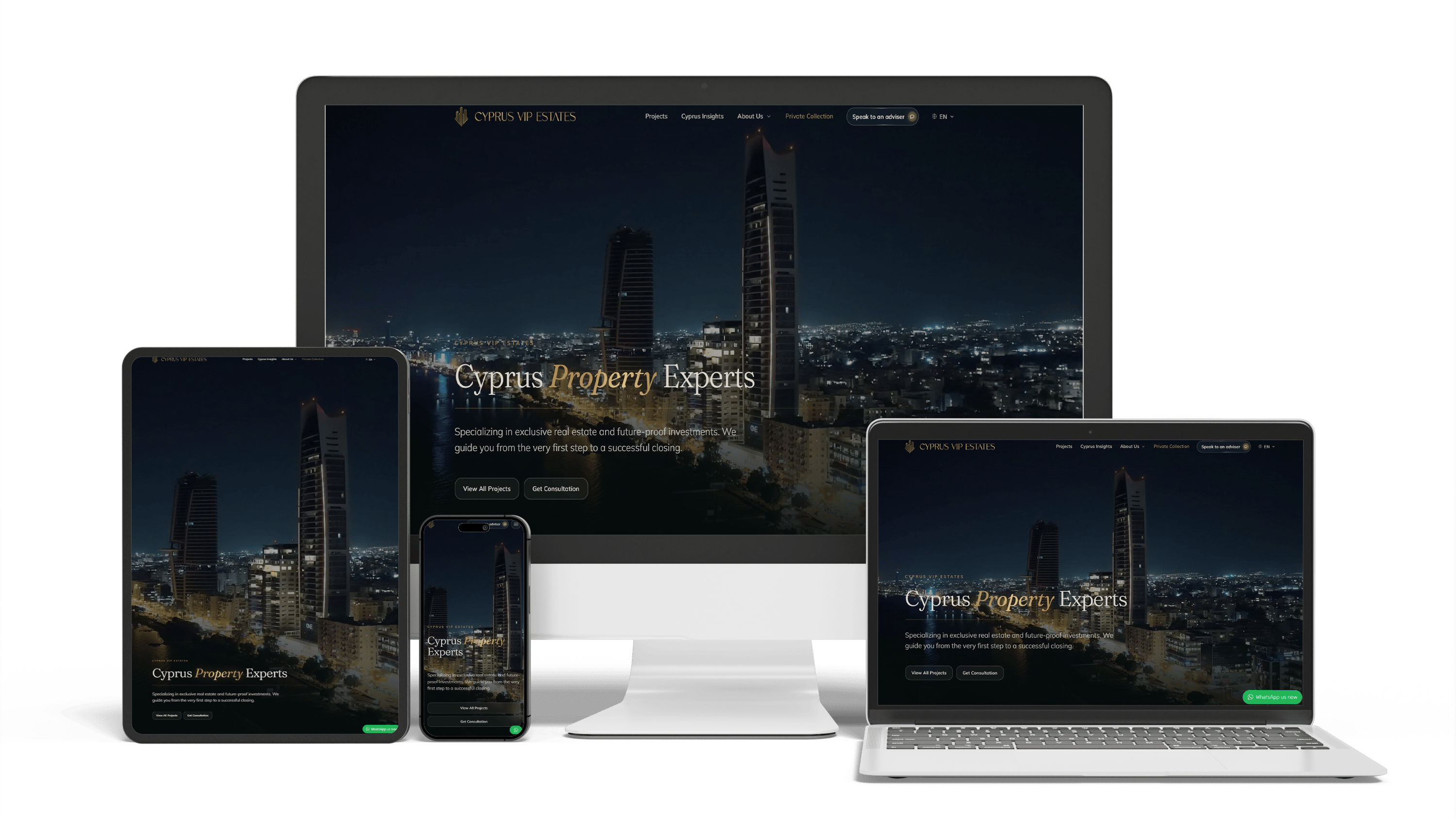
Multilingual real estate platform in Cyprus: SEO and GEO without bought links
16× faster editingTraffic from ChatGPTLeads via WhatsApp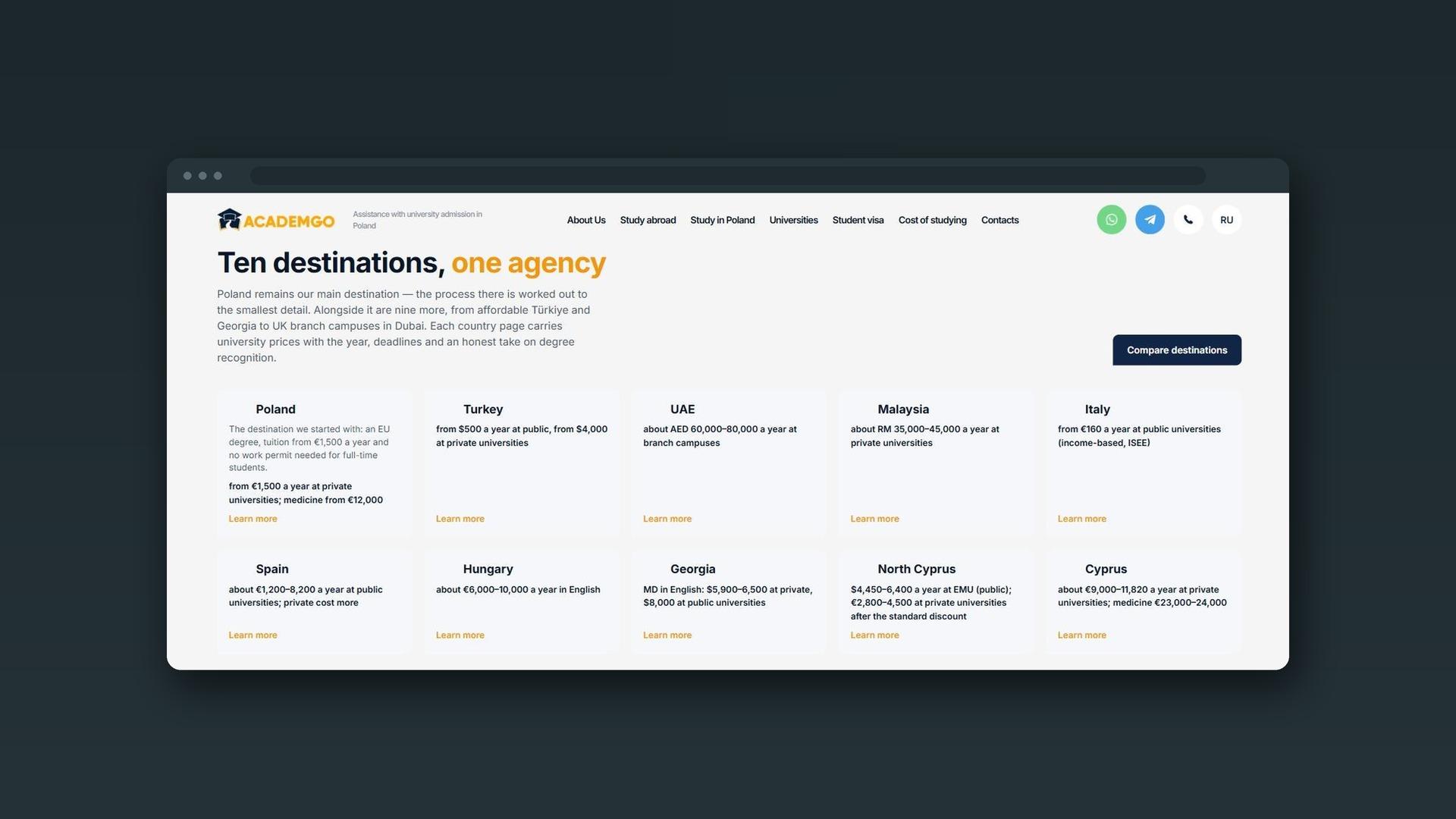
SEO case study: an education agency site, one country to ten
1 → 10 countries180 new pagesPerformance 61 → 91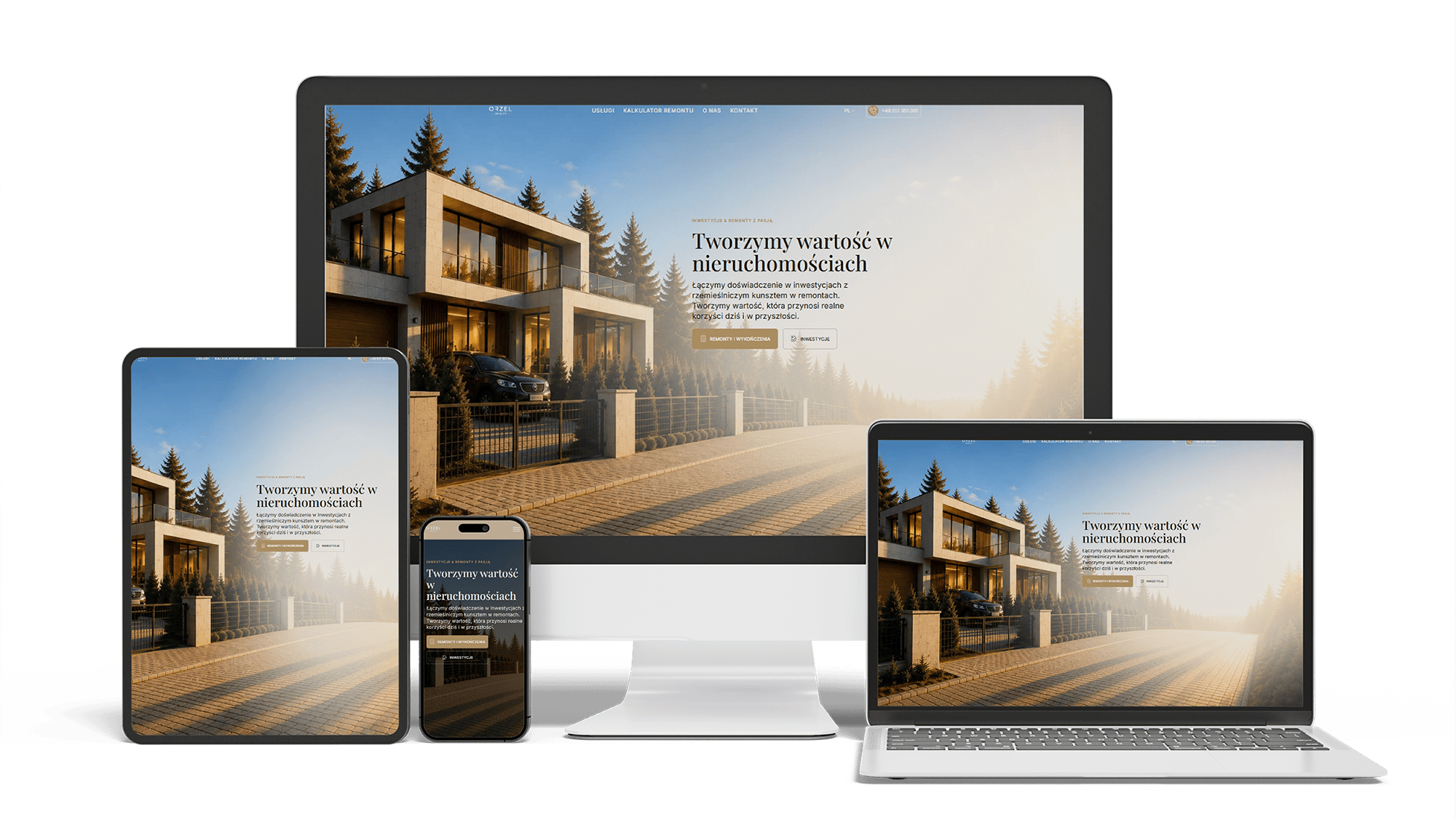
Renovation and investment website with a premium feel and 96/98/100/100 performance
96/98/100/100Design system2 languages
Full Multilingual Website Development & SEO for Student Services
+5,930 clicks in 6 months359k impressionsTeam edits it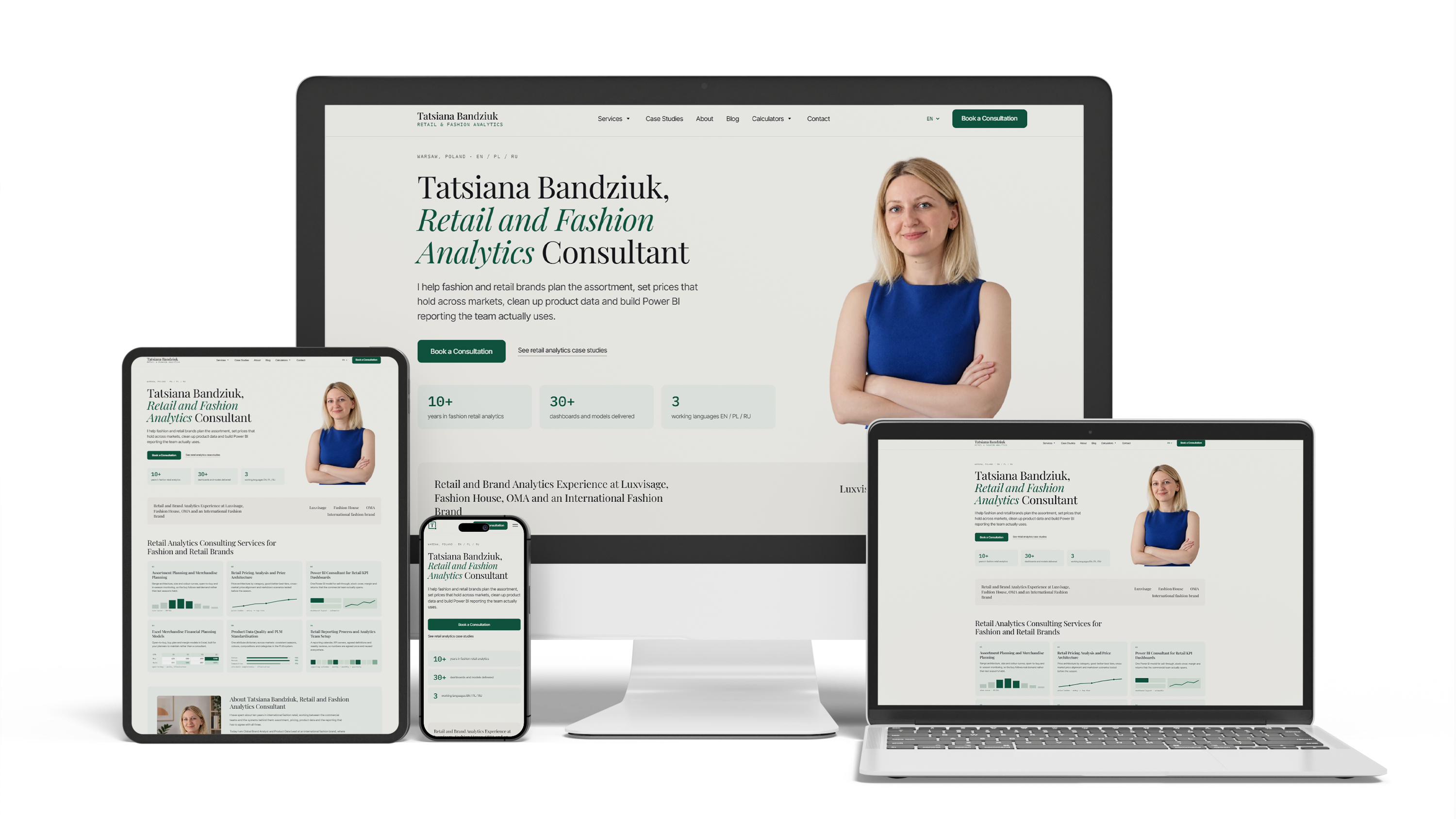
A consultant website for a retail analytics expert
100/100/100/100153 pages3 languages
I design and build websites for banks and cooperative banks myself: structure, design, build and launch, with no handover between people.
I design and build websites for banks and cooperative banks, and design is part of the build rather than a separate invoice. The first thing to settle is the seam. A bank runs two things that customers experience as one: a public site that explains products and a banking application behind a login. They are different systems with different risk profiles, and almost every expensive mistake on a bank website happens where they meet.
The practical version of that: the public site must never imitate the login, never collect anything that looks like a credential, and never live on a domain that merely resembles the main one. A campaign microsite on its own address teaches customers that bank-like domains are fine to trust — which is exactly the habit phishing depends on, and it also splits the search authority you already paid for.
On most bank sites a rate appears in six places: the product page, the comparison table, the campaign banner, the FAQ, a PDF and an old landing page nobody remembers. When compliance approves a new figure, five of those get updated and one does not, and the one that does not is the one a customer screenshots.
So conditions are modelled as structured data with an effective date: approved once, published everywhere, with the old value kept for the archive rather than overwritten. It removes an entire category of risk, and as a side effect it is what makes the same conditions readable by search engines and AI assistants instead of being locked inside an image.
Banks publish a lot of PDFs, and they have to. What breaks is using the PDF as the only version: a tariff that exists solely as a scanned table is invisible to search, unusable with a screen reader and unreadable on a phone. The build keeps the document where it legally belongs and puts a readable page beside it — the same content as text, with the file linked from it.
For banking services in the EU accessibility has been mandatory since 28 June 2025, and in practice it decides design choices rather than decorating them: contrast that survives a sunny bus stop, forms that work from the keyboard, errors announced rather than only coloured red, and a structure of headings that is the same structure search engines read. Retrofitting it after launch costs more than building it in, and the deadline does not move.
A bank does not hire a contractor by looking at a portfolio alone. There will be a vendor questionnaire: where the data goes, which third-party scripts load, who has access to what, how releases are approved. Plan weeks for it rather than days.
- third-party scripts are kept off pages with forms, and analytics is configured so it cannot read what a visitor types;
- the content system has roles and an approval step, so a published change always has a named approver behind it;
- hosting, logs and backups are described in writing before the build starts, because that is what the questionnaire asks;
- everything is yours from the first day: repository, domain, hosting account and every credential.
Most bank projects are rebuilds rather than first sites, and the risk is the same as anywhere plus one: the documents. Every existing address goes into a map and every changed one gets a redirect, including the links to tariff PDFs that other sites and your own letters point at. Website redesign covers the method, and ranking work afterwards is SEO for banks.
A website starts at €2,000 with design included — I do not sell drawings I am not going to build. A landing page for one product is €700–1,400. A redesign that keeps rankings and documents starts at €1,000. What moves the price: the number of products, the number of branches, how many languages, whether conditions come from a system you already run, and how long approvals take. The figures are on the pricing page.
A product landing page takes two to three weeks, a full site four to six, a site with a branch network and a document library longer and quoted per case. What stretches it is almost never the code: it is approvals, the security review and the wording of product conditions. Projects finish on time when one person on your side can decide and one reviewer can approve.
A quote for your bank website
I answer within one working day: what I would build, in which languages, and what it costs.
Building a bank website that AI assistants can read (GEO, AEO)
Customers increasingly ask an assistant before they ask a bank: an account with no monthly fee for a small company, a mortgage for a self-employed borrower, a deposit allowing early withdrawal. The assistant answers from text it can read. A bank whose conditions live in table images and PDFs is quoted second-hand through a comparison site, and comparison sites are frequently out of date — so the bank's own terms reach the customer in a version the bank did not write.
A build that avoids this is unglamorous: conditions as text, structured data matching what is visible, one product name everywhere, content present before any script runs. Bringing an existing site to that state is AI search readiness, and checking what assistants say today is an AI visibility audit.
Bank website design: frequently asked questions
Starting a bank website project: what to send me
Tell me whether this is a new site or a rebuild, how many products and branches you have, where the conditions live today, which languages you need and how long an approval round usually takes. Send the current website link if there is one. I answer within one working day: what I would build, in which languages, and what it costs.
