


Optometry SEO for Eye Care Practices and Optical Shops
I do optometry SEO for independent eye care practices and optical shops: pages for eye exams, contact lenses and myopia management, a Google Business Profile for every office, vision insurance and frame brand pages, and facts AI assistants can quote — so people nearby book their exam with you, not with a chain.
- Exams + optical + contacts
- Audit from 250 €
- Reply within one business day
What optometry SEO includes
- Pages for exams, contacts and myopia careEach service searched on its own, with its own booking link
- A Google Business Profile for every officeOptometrist category, hours, photos, the matching page
- Vision insurance pages patients search forPlans accepted per office, self-pay exam prices
- Frame brand pages from your own shelvesBrands you carry, real photos, price ranges
- A review routine with privacy-safe repliesAsked after each exam, never confirming a patient
- Answers in ChatGPT and AI OverviewsFacts about your practice that assistants can quote
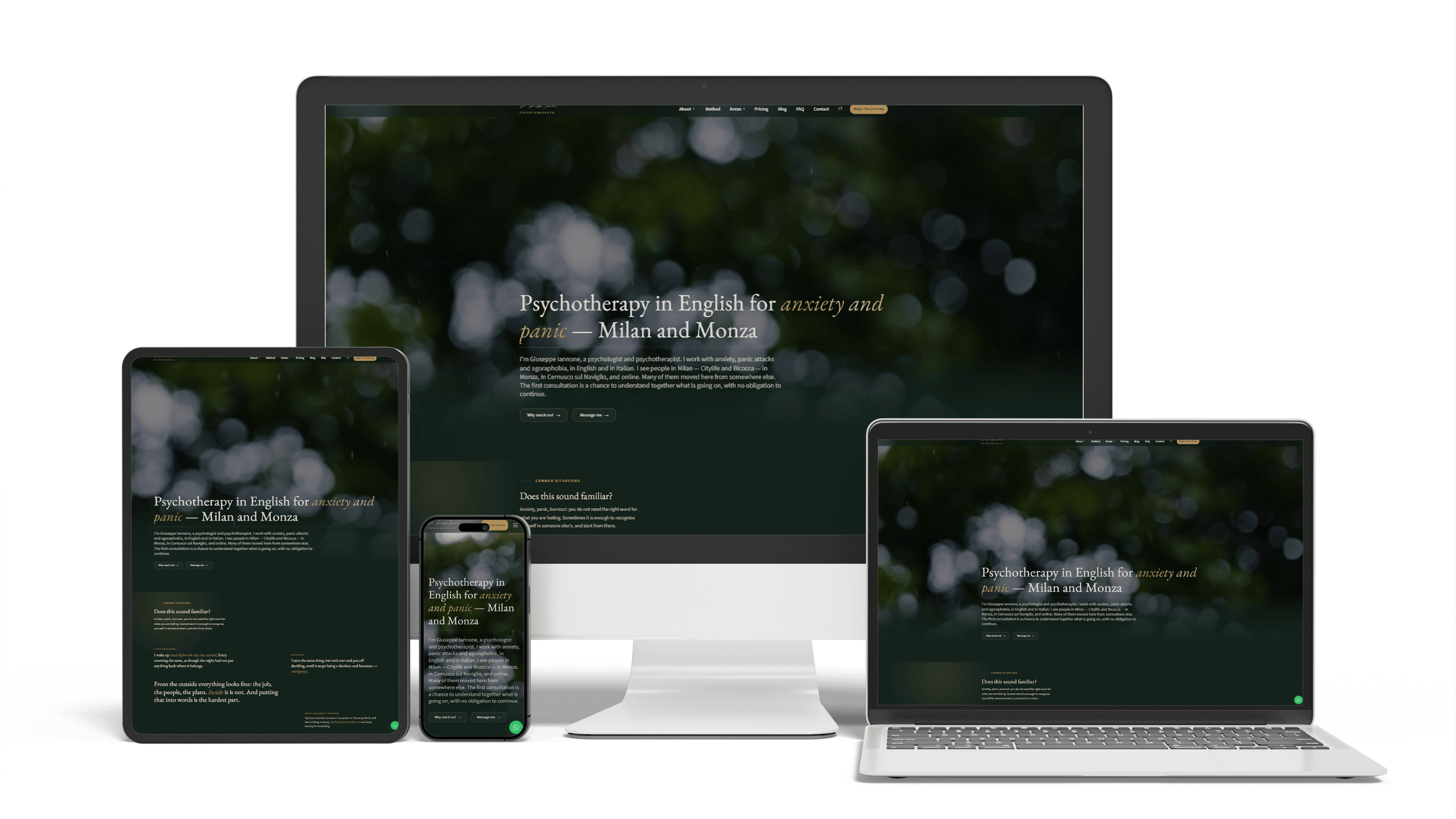
Bilingual psychotherapist website in Italy
468 of 468 posts moved2 languagesSeen in ChatGPT answers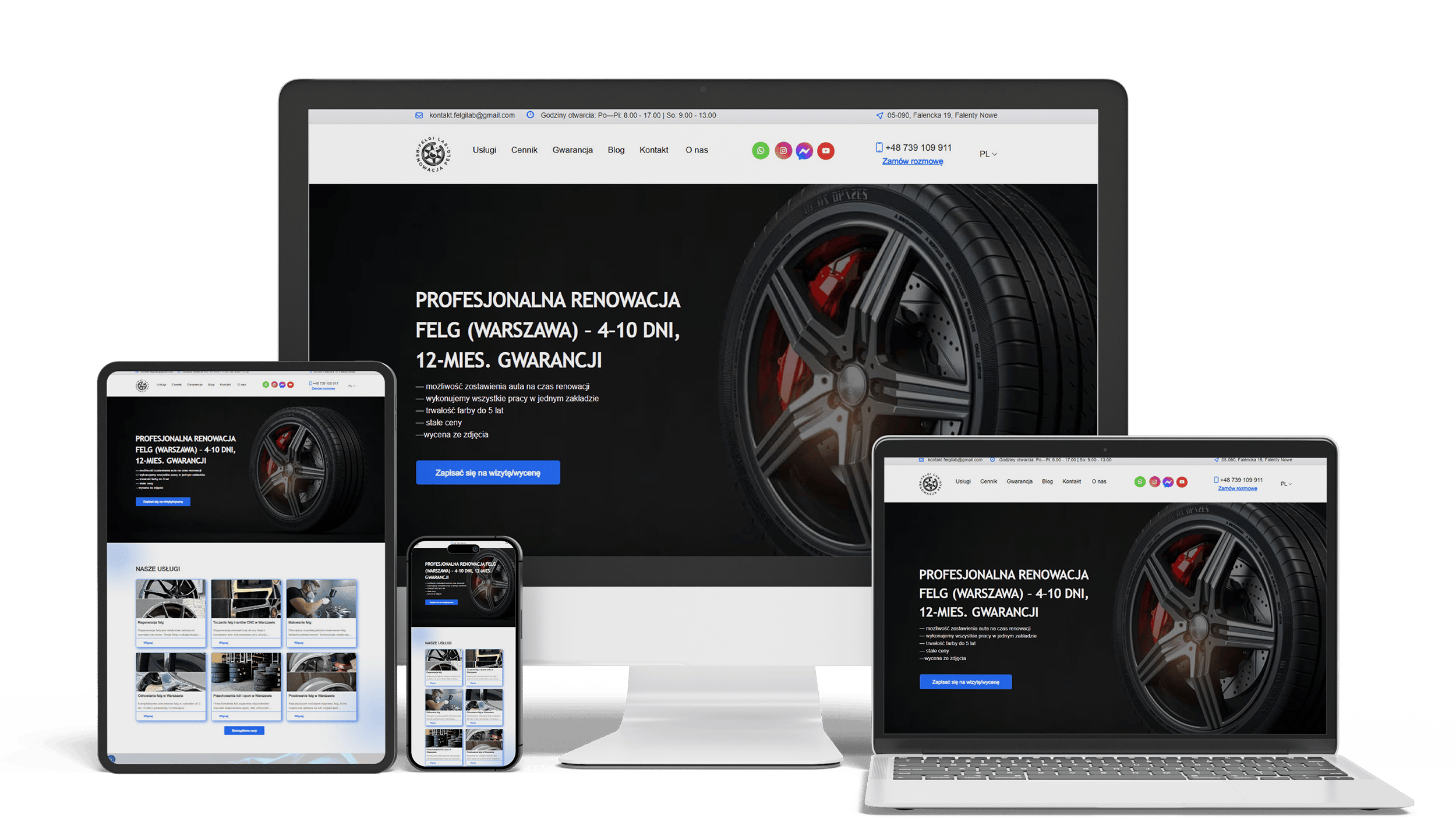
Auto Repair SEO & UX Boost
Performance 90++10% organic trafficLeads from forms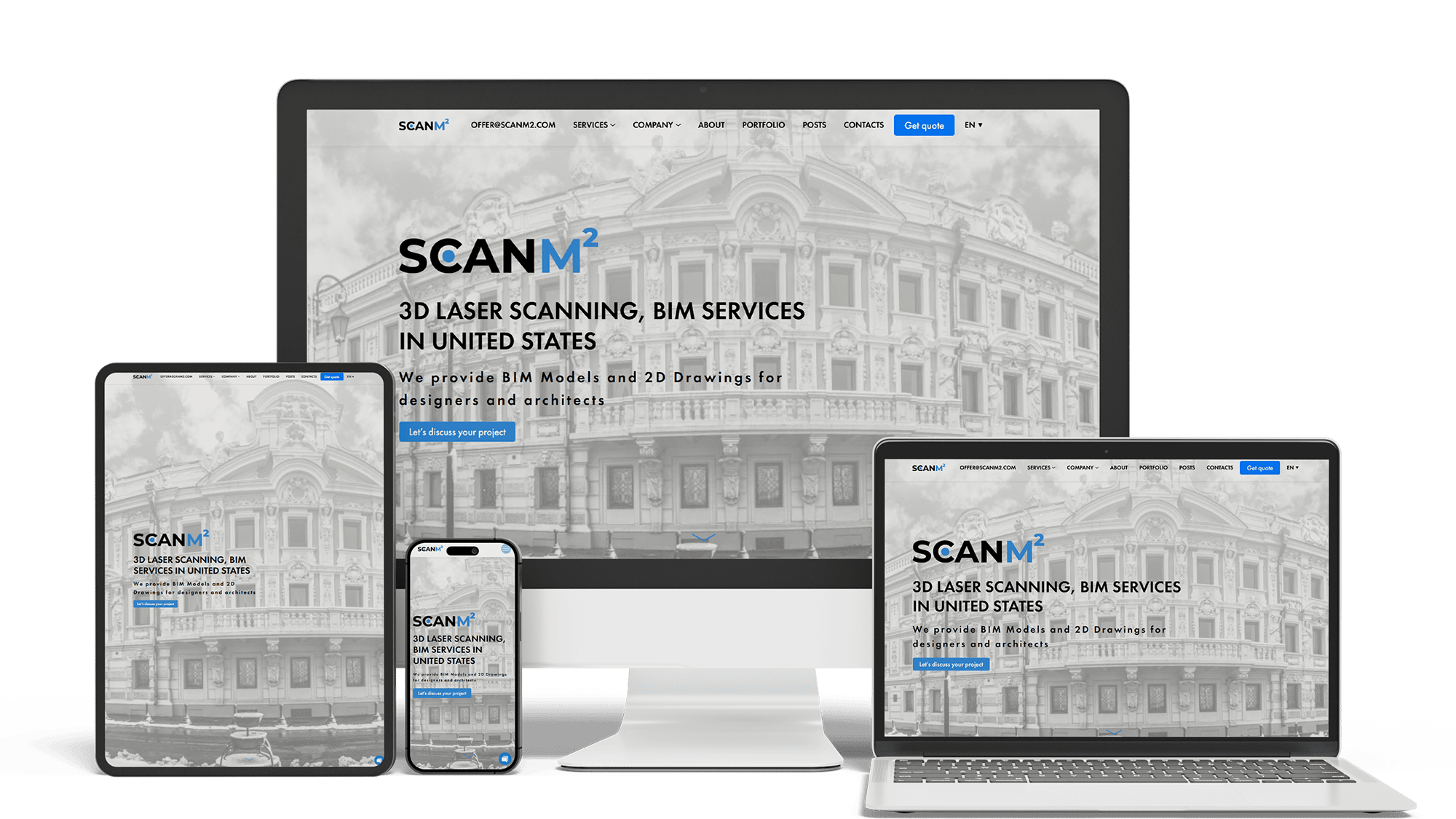
Architecture Website Rebuild and SEO
29× organic trafficLoads in under 1 sTop 3 in Poland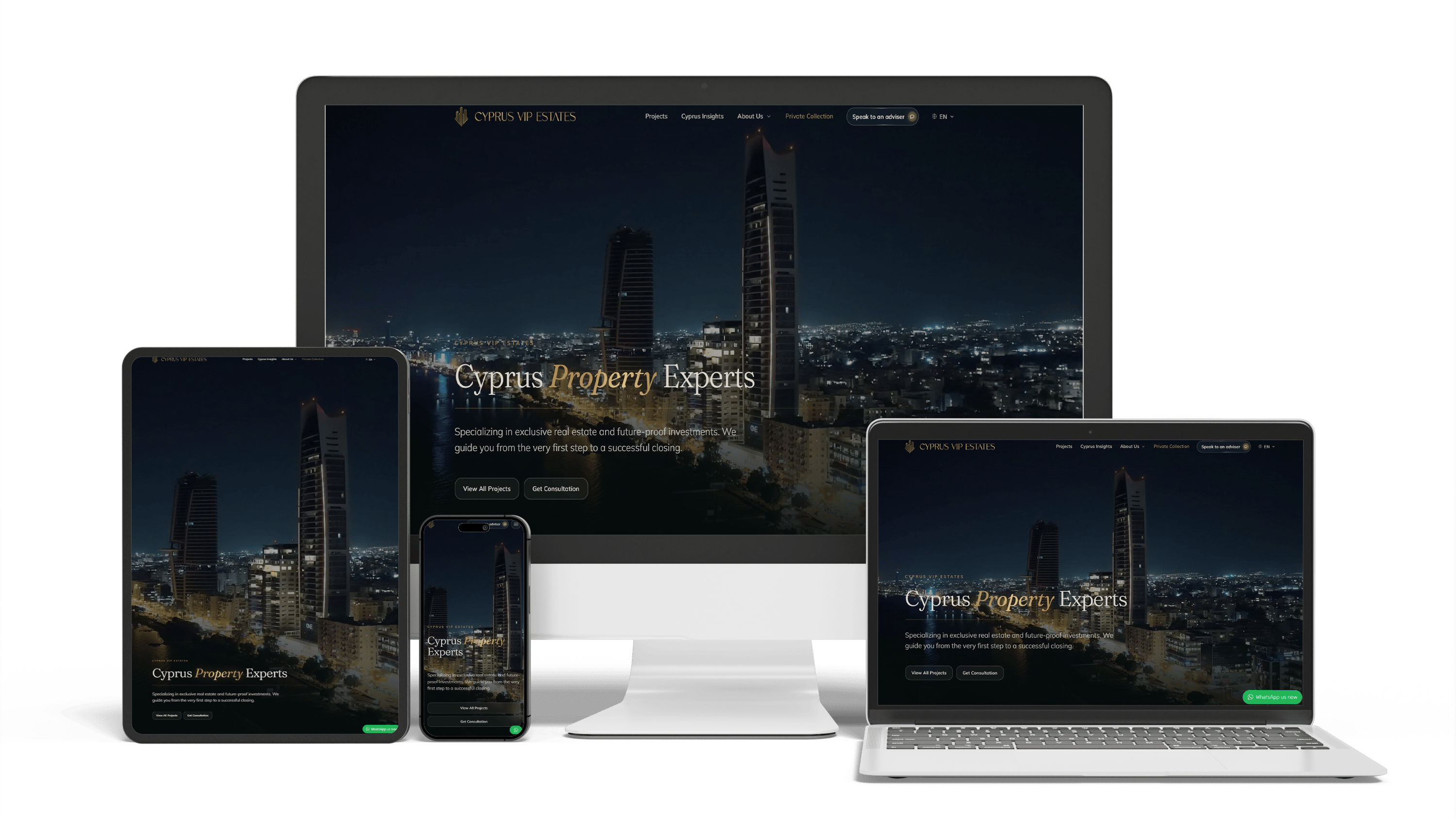
Multilingual real estate platform in Cyprus: SEO and GEO without bought links
16× faster editingTraffic from ChatGPTLeads via WhatsApp
A multilingual landing page for a wheel and tyre storage business
100/95/100/1003 languagesClient edits it
Get a quote for optometry SEO
I reply within one business day with what I would fix first on your website and office profiles, and a fixed price.
I do optometry SEO for independent eye care practices and optical shops: a page for each service people search for — eye exams, contact lens fittings, myopia management, dry eye — a Google Business Profile for every office, insurance and frame brand pages, and facts AI assistants can quote. I work alone, from the audit to the code, and I measure the result in booked exams and calls, not in traffic.
An eye care practice is three businesses under one roof, and people search for each one differently:
- eye exams — “eye doctor near me”, “eye exam that takes VSP”, “kids eye exam” — searched by people who want a time slot this week
- the optical shop — “Ray-Ban glasses near me”, “progressive lenses”, “glasses in one day” — where people compare frames, lenses and prices
- contact lenses — fittings and reorders, where the real competitors are online sellers and warehouse clubs, not the practice down the street
Many practice websites put all three on one “Services” page. Search engines then have nothing specific to show, and national chains such as LensCrafters, Warby Parker or Costco Optical take the clicks. Optometry SEO gives each part of the practice its own pages, tied to the right office and the right booking link.
For “optometrist near me” or “eye exam open Saturday” the map results decide most of the calls. Each office needs its own profile: Optometrist as the primary category, Optician or Eye care center as secondary where it fits, the services list, hours including evenings, real photos of the exam lane and the frame wall, and a link to that office’s page rather than the home page.
The office page carries what a profile cannot: which doctors see patients there and on which days, parking, whether walk-ins are welcome for adjustments and repairs, the plans accepted at that location. Practices that bought a second office often still have its old name and phone number in directories; I clean these up so Google sees one consistent practice.
The same structure worked for Giuseppe, a psychotherapist in Milan: his new site has separate pages for his consulting rooms in Milan and Monza and for online sessions, plus a map of the rooms, so each location answers its own searches. More on maps and profiles on the local SEO services page.
A person searching for an exam wants to know what happens, how long it takes, what it costs without insurance and whether there is a slot soon. One page per type of visit answers that better than a list.
Routine and pediatric eye exams
Parents search for a child’s first eye exam and for back-to-school vision checks. The page says what is checked at each age, how long the visit lasts, whether pupils are dilated and what to bring.
Medical eye care: dry eye, red eyes and diabetic eye exams
Visits billed to medical insurance rather than a vision plan — dry eye evaluation, eye infections, diabetic eye exams, glaucoma monitoring — bring people who search for a symptom. Each page describes the visit and the options in general terms and leads to booking. No page promises a result.
Myopia management for children
Parents of nearsighted children search for myopia control lenses, orthokeratology and atropine drops. These pages explain the options, who they suit and that results differ from child to child, and they name the optometrist who reviewed them.
Many patients start from their benefits: “eye doctor that takes EyeMed”, “VSP provider near me”, “does Medicare cover eye exams”. A page that lists the vision and medical plans you accept, per office if they differ, explains why a dry eye visit is billed differently from a routine exam, and shows self-pay prices for an exam and a contact lens fitting ranks for those searches and takes pressure off the phones. Someone has to own that list: a plan you dropped last spring, still listed, turns into an angry one-star review.
People search for frames by brand — “Oakley frames near me”, “Tom Ford eyeglasses” plus a city, “Lindberg dealer” — and by lens type: progressives, blue-light filters, sports and safety glasses. A page for each brand you carry, with photos from your own shelves, a price range and a line on fittings, catches searches that a row of logos never will. Brands with selective distribution deserve their own page: being an authorized dealer is a fact buyers look for.
Contact lens pages work the same way: fittings for astigmatism and multifocal lenses, specialty and scleral lenses, and a clear reorder path for existing patients, so they do not drift to online sellers.
Reviews move a practice up the map and decide between two nearby offices. A routine works better than a campaign: a text after every exam or glasses pickup with a direct link, sent to every patient. Rewarding reviews or asking only satisfied patients breaks Google’s rules and the FTC rules on reviews and endorsements.
Replies need one extra care in healthcare: never confirm that the reviewer is a patient and never mention a prescription or a visit. Thank the person, keep it general and offer a phone number for the office manager; readers see a practice that listens, and nothing private is said. A complaint about a late order or a broken frame can be answered more concretely, as long as no health detail appears.
Google holds eye health pages to the same standard as other “Your Money or Your Life” topics. Each clinical page names the optometrist who wrote or reviewed it, with the OD degree, state license and any fellowship, and shows a “last reviewed” date. I prepare the structure, search data and drafts; your doctors check clinical content before it goes live.
Booking and contact forms collect as little as possible: name, contact details, office and preferred time. If a form must collect health details, it runs through a provider that signs a business associate agreement under HIPAA, and tracking pixels stay off booking pages. This is general guidance; your state board and compliance adviser have the final word on advertising and privacy.
Most eye care websites lose positions on the same basics:
- booking widgets, chat pop-ups and large frame galleries that slow pages on a phone
- vendor template sites that share their text with hundreds of other practices
- an office address spelled one way on the site, another way on Google and a third way on the plan provider lists
- no structured data naming the practice, its offices, hours, doctors and services
If the site needs more than fixes, the optometrist website design page describes how I design and build eye care websites.
People now ask an assistant which eye doctor nearby takes their vision plan, who fits contacts for astigmatism or whether a child needs myopia management. Assistants build those answers from sources they can read and compare — your pages, your profiles, reviews and plan provider lists. The work has two names, generative engine optimization (GEO) and answer engine optimization (AEO); for an eye care practice it comes down to:
- services, doctors, offices, hours, languages and accepted plans written as plain facts
- short answers to common patient questions on each service page, reviewed by an optometrist
- the same details on the site, the Google profiles and the plan provider lists
- structured data that connects the practice, its doctors and its offices
Giuseppe, the psychotherapist in Milan, found me by asking ChatGPT. After the rebuild — location pages, 150 FAQ answers reused across pages, structured data for the practice, conditions and services — his new pages already appear in ChatGPT answers. A small private practice can be the source an assistant quotes. More on the AI SEO and GEO optimization page.
Optometrist marketing usually comes as a package from an eye care vendor: a website on their platform, recall emails, social posts and paid ads. My part is narrower: I work alone on search and on the website itself. Ads and social media are outside it. What you get are pages, office profiles and plain facts that Google and AI assistants pick up, on a site you own. Recall reminders stay in your practice management system, where they already work.
Practices that also offer eye surgery or work with ophthalmologists will find the wider picture on the medical SEO page.
- SEO audit of the website and each office’s Google profile: from 250 €, one-off, with fixes ranked by impact.
- One-off work — exam, insurance and frame brand pages, office profiles, structured data, technical fixes: 250–700 €.
- Monthly SEO — new pages, maps, review routine, AI visibility and reports in booked exams: from 800 € per month.
One office in a smaller town rarely needs monthly work: the audit plus exam, insurance and brand pages often do most of the job. How I plan longer work is on the SEO strategy page; all prices are on the pricing page.
Optometry SEO: frequently asked questions
Order optometry SEO: what to send me
Send the practice name, the website and the Google Maps link of each office, the services you want more patients for — exams, contact lenses, myopia management, dry eye, frames — the vision plans you accept and the booking system you use. I will reply with what I would fix first and a fixed price. Use the form above or write on WhatsApp.
