


SEO for authors: how a book and its writer get found by readers who have not heard of them yet
Amazon owns the search for your book title and that will not change. What is winnable is your own name, the series, and the recommendation questions readers now ask an assistant. Audit from €250, and I say which of it is not worth doing.
- Own your name and series
- Audit from €250
- Named by ChatGPT and AI search
What SEO for an author actually consists of
- Owning your own name in searchYour site beside the retailers, not behind them
- A series readers can enter anywhereReading order, spin-offs, what to read first
- The recommendation questions«Books like X», «best novels about Y»
- Turning a search into a subscriberThe newsletter is the asset, not the sale
- Book data machines can readTitles, ISBNs, series, formats, dates
- Being named by AI assistants«Recommend me a novel like this one»
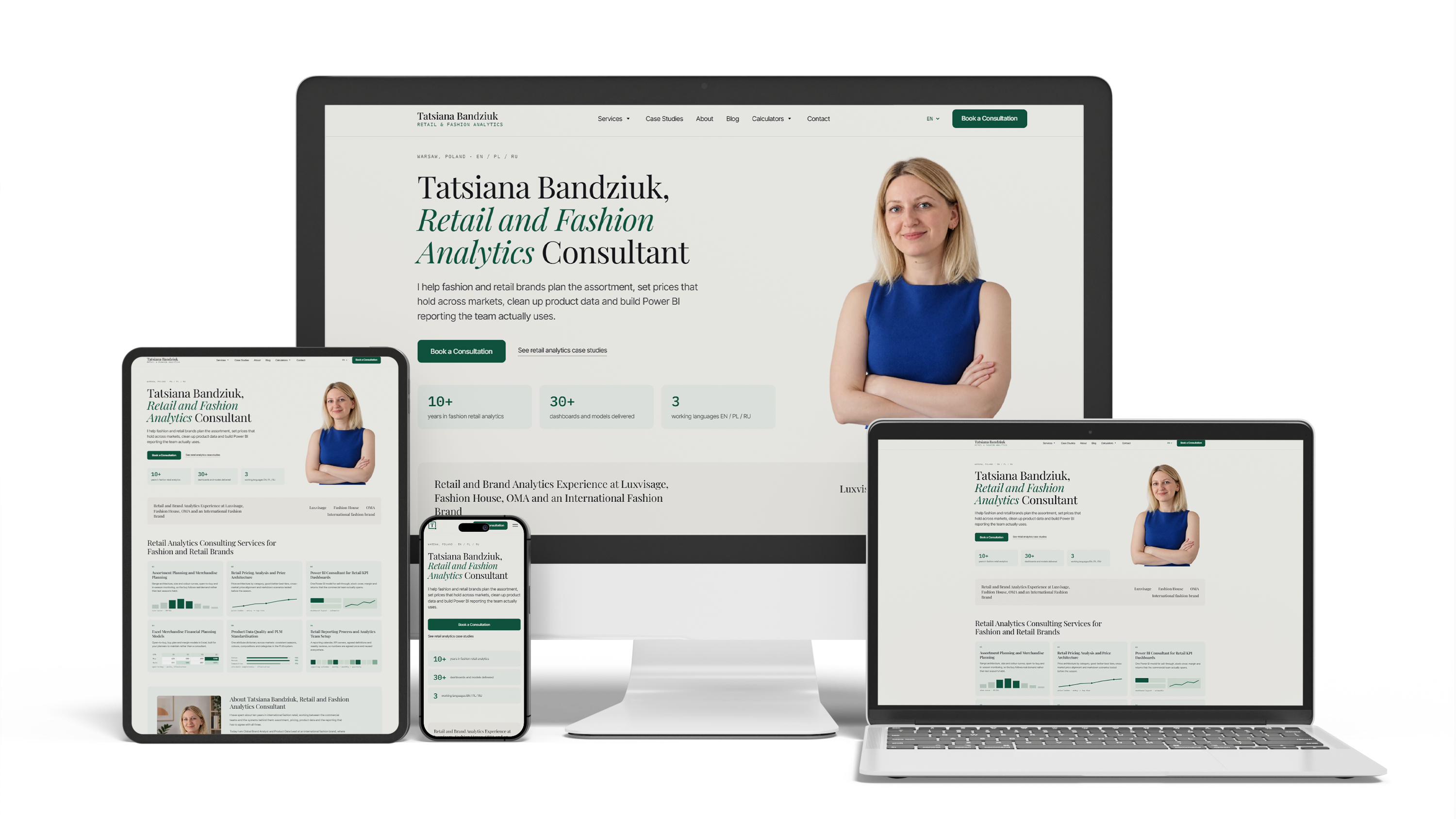
A consultant website for a retail analytics expert
100/100/100/100153 pages3 languages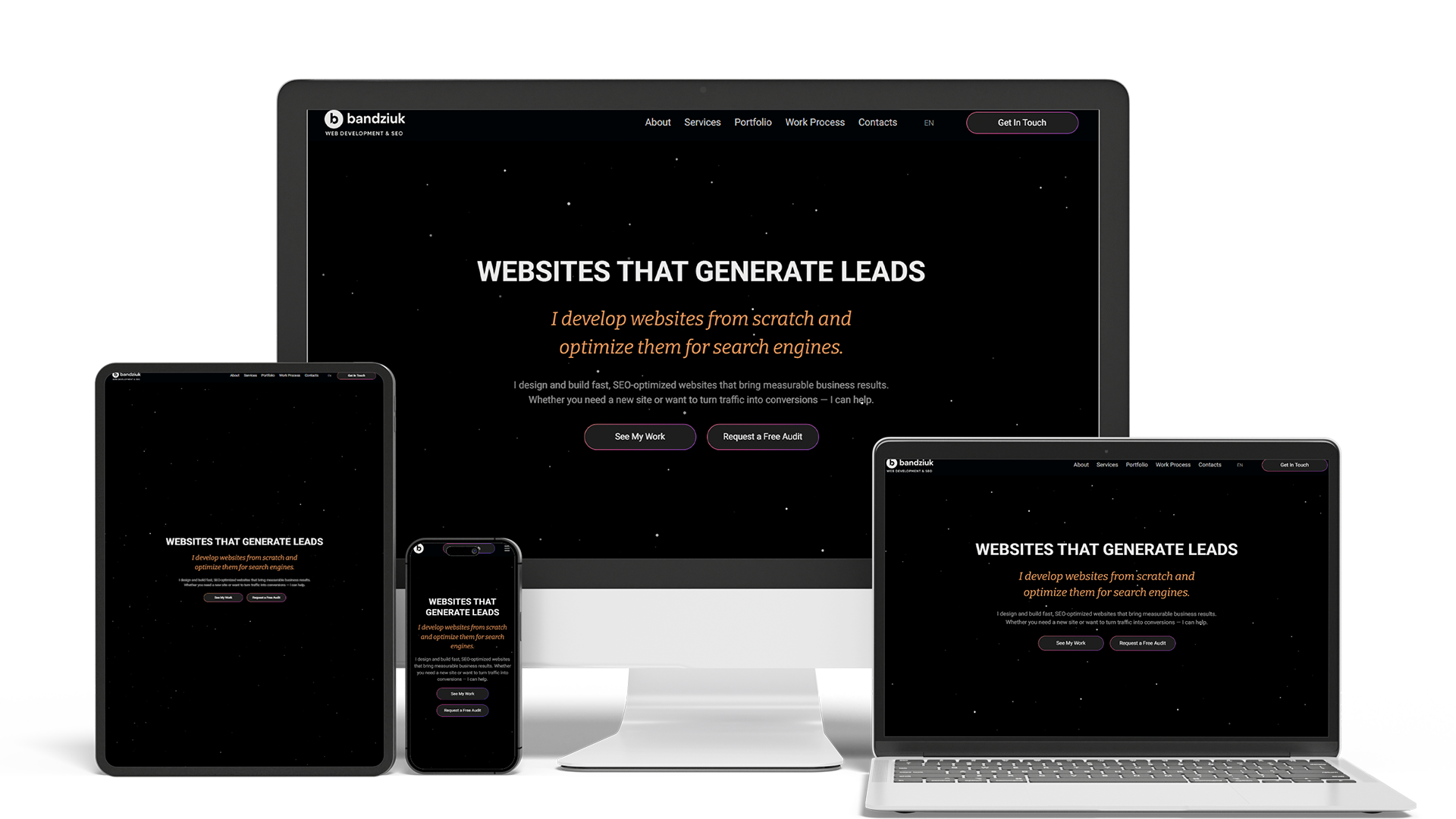
Develop and optimize a personal website with SEO
10× faster editingTraffic from ChatGPTMain lead channel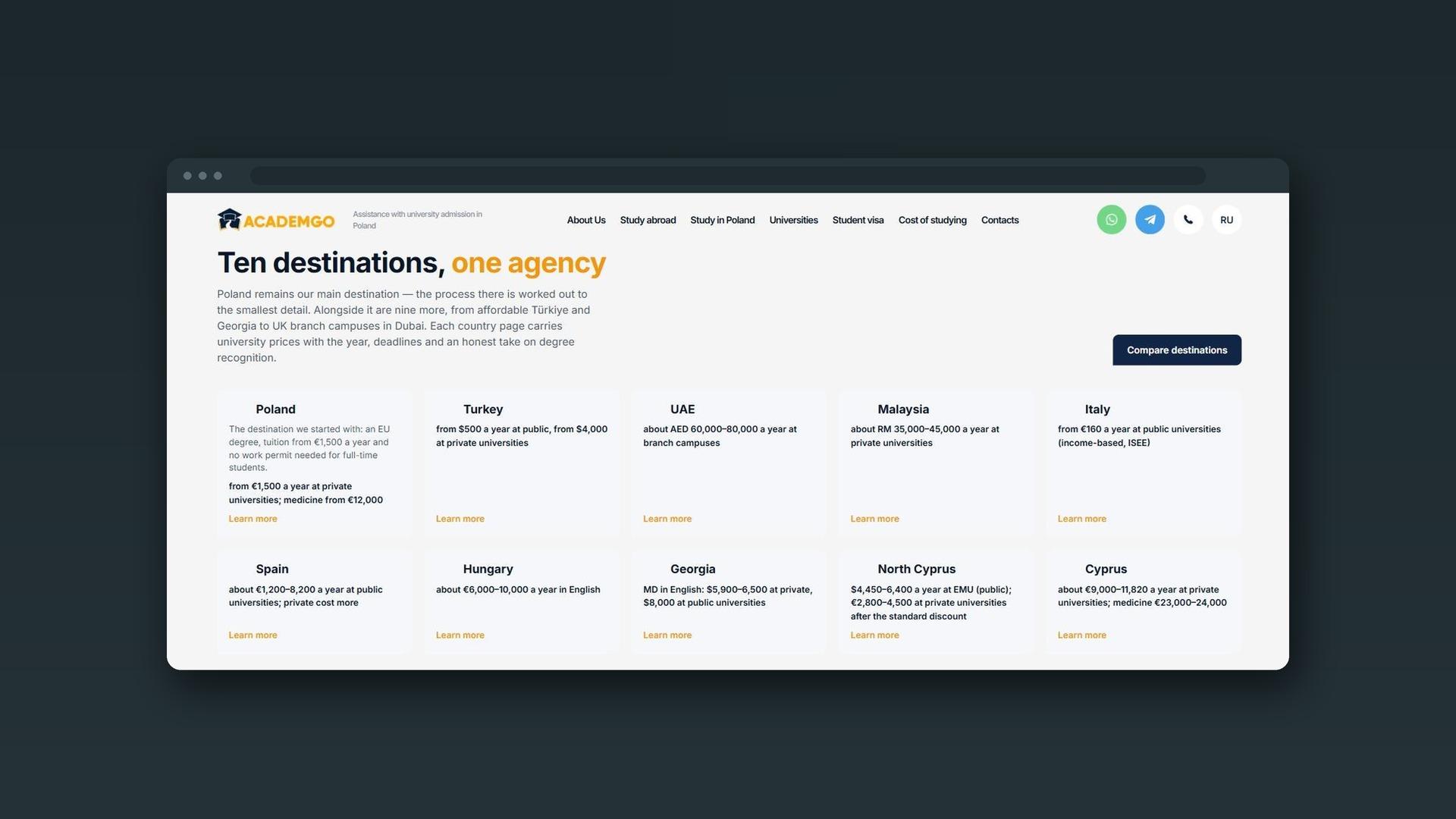
SEO case study: an education agency site, one country to ten
1 → 10 countries180 new pagesPerformance 61 → 91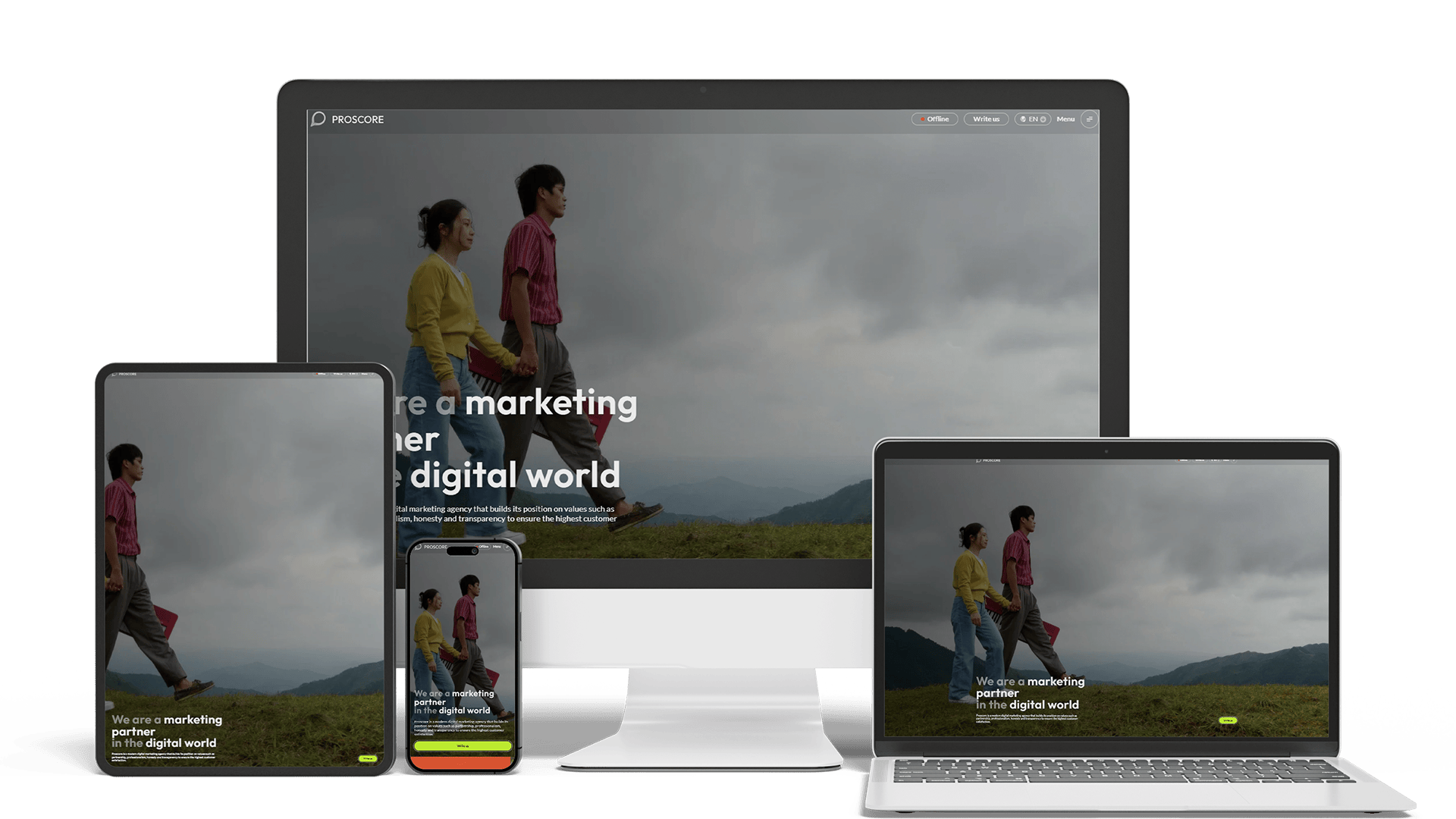
Digital Agency Website Development
100% match to FigmaLive status indicatorNo-code editing
Full Multilingual Website Development & SEO for Student Services
+5,930 clicks in 6 months359k impressionsTeam edits it
Three different things are called author SEO, and this is one of them
I do SEO for authors and their books myself: audit, the fixes in the code and the text, and a monthly report on enquiries.
The phrase is used for three unrelated jobs. Academic publishers use it for helping researchers get papers found and cited. SEO software uses it for author bylines and expertise as a ranking factor on any website. Writers use it for getting books and themselves discovered by readers. This page is about the third one: novelists, non-fiction authors and self-published writers with a backlist to sell.
A reader who finished book two does not search for book three by its title; they search for the series and the order. A reader who heard about a series searches for where to start. A reader halfway through searches whether the spin-off matters. These are small, specific, repeating queries that retailers answer badly, because a retailer page is built to sell one item rather than to explain a shelf.
So the structure is a page for the series that states the reading order plainly, what each book covers without spoiling it, where the novellas and prequels fit, and what to read next when the series ends. It is the page readers bookmark and send to each other, and it is the one an assistant can quote when asked where to start.
- state the reading order in text, numbered, near the top;
- say what to read first for a newcomer and what is optional;
- name every format and edition, because readers search by format;
- link to every retailer rather than one, including the library option;
- and keep the series page updated before the release, not after.
What the site itself needs — a page per book, retailer links, media kit, newsletter — is a different job and is described on the author website design page.
«Books like Project Hail Mary», «best historical novels set in Poland», «something to read after finishing a series» — these are the queries that reach a reader who has never heard your name, and they are also the exact shape of question people now ask an assistant rather than a search engine. Being an answer to them is not done by repeating keywords; it is done by having a page that describes your book the way a reader would describe it to a friend: the setting, the period, the feel, the comparable titles, the content warnings.
Most author sites cannot be used this way, because the only description on them is the publisher's cover copy, which is written to sell and not to inform. The version that works says what the book is actually like, for whom, and when it is not the right choice. That last part is the one authors resist and the one that makes the page quotable.
An SEO audit for your author site
Send the site and I reply within one working day: what is holding it back and what I would do first.
Being named when a reader asks ChatGPT for a book (GEO, AEO)
Asking an assistant for a book recommendation has become one of the ordinary ways readers find something to read, and it suits books unusually well: the reader wants a shortlist with reasons rather than a page of adverts, and they describe what they want in a sentence no keyword tool would ever produce. The assistant answers from text it can read and from sources that agree with each other, which means an author is named when the book is described in plain text somewhere it can reach — setting, period, themes, comparable titles, series position — and when the same titles, formats and series order appear consistently on the site, the retailers and the book databases.
Getting an existing site into that state is preparing a site for AI search, and if assistants are getting your work wrong — attributing a book to someone else, inventing a title, misordering a series — that is fixing AI misinformation.
SEO for authors: frequently asked questions
Order an SEO audit for an author site: what to send me
Send the site and your author name, say how many books are out and whether any of them form a series, and tell me what you actually want more of — newsletter subscribers, direct sales, or readers working through the backlist. I reply within one working day with what comes up when I search your name, what is holding the site back, and what I would do first. If you have one book and no series yet, I will tell you to wait rather than sell you a programme.
