


Winery Website Design and Development
I design and build winery websites: tasting experiences guests can compare and reserve in two taps, wine club pages with clear tiers, a shop that sells only where shipping is legal, an event and wedding section, an age check where it is required and language versions for visitors from abroad.
- Design + build, one price
- From 700 €
- Reply within one business day
What you get with winery website design
- Tasting reservations from your systemTock, Resy, Commerce7 or a group request form
- Wine club tiers side by sideJoin, log in, skip a shipment, pick wines
- A shop and age check that follow the rulesShip only where it is legal, pickup elsewhere
- Events and wedding venue pagesCalendar with tickets, inquiries with date and guests
- Photography-led, calm designVines, cellar and people, fast on rural connections
- Readable by Google and AI assistantsExperiences, hours and policies as text
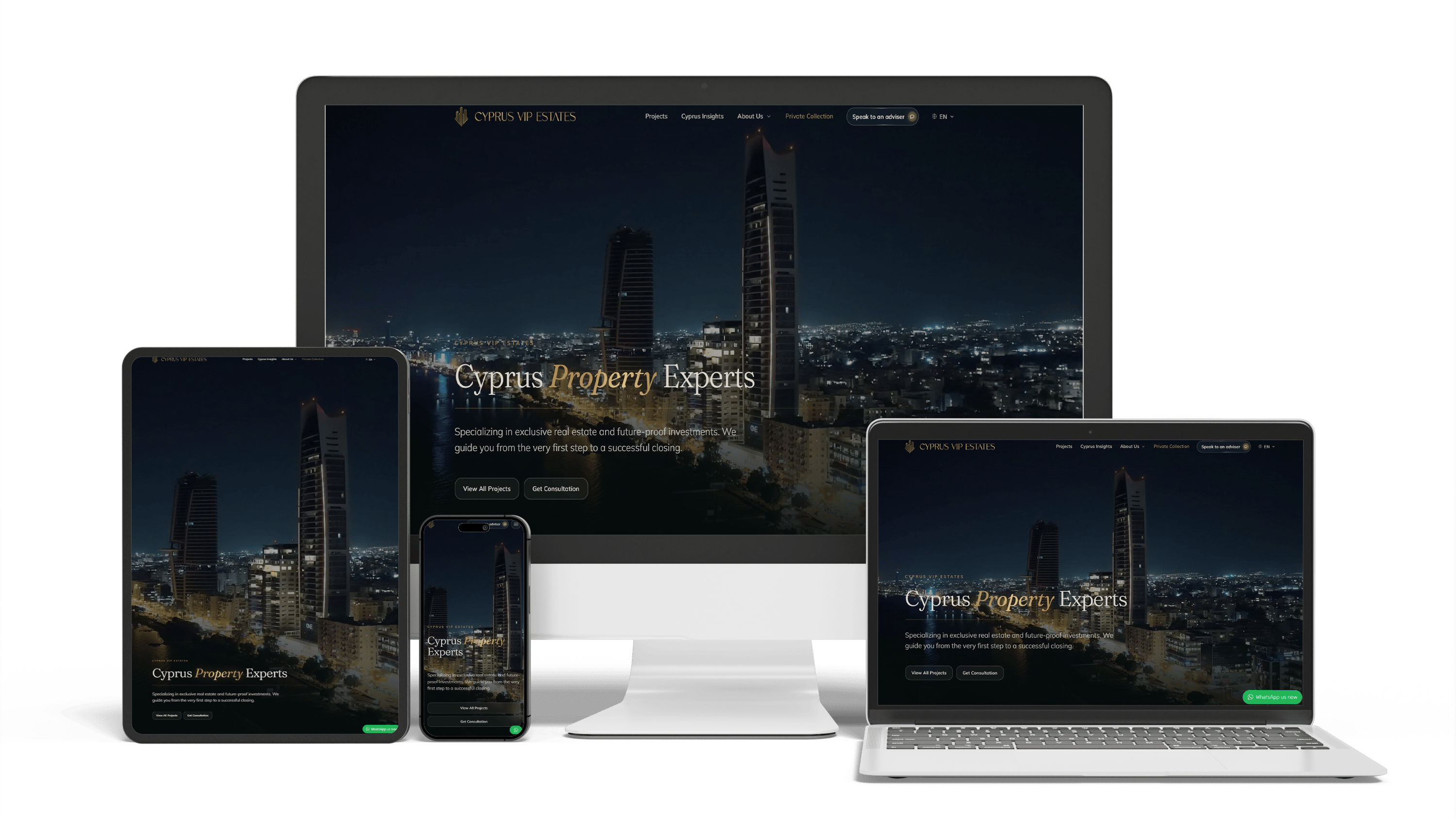
Multilingual real estate platform in Cyprus: SEO and GEO without bought links
16× faster editingTraffic from ChatGPTLeads via WhatsApp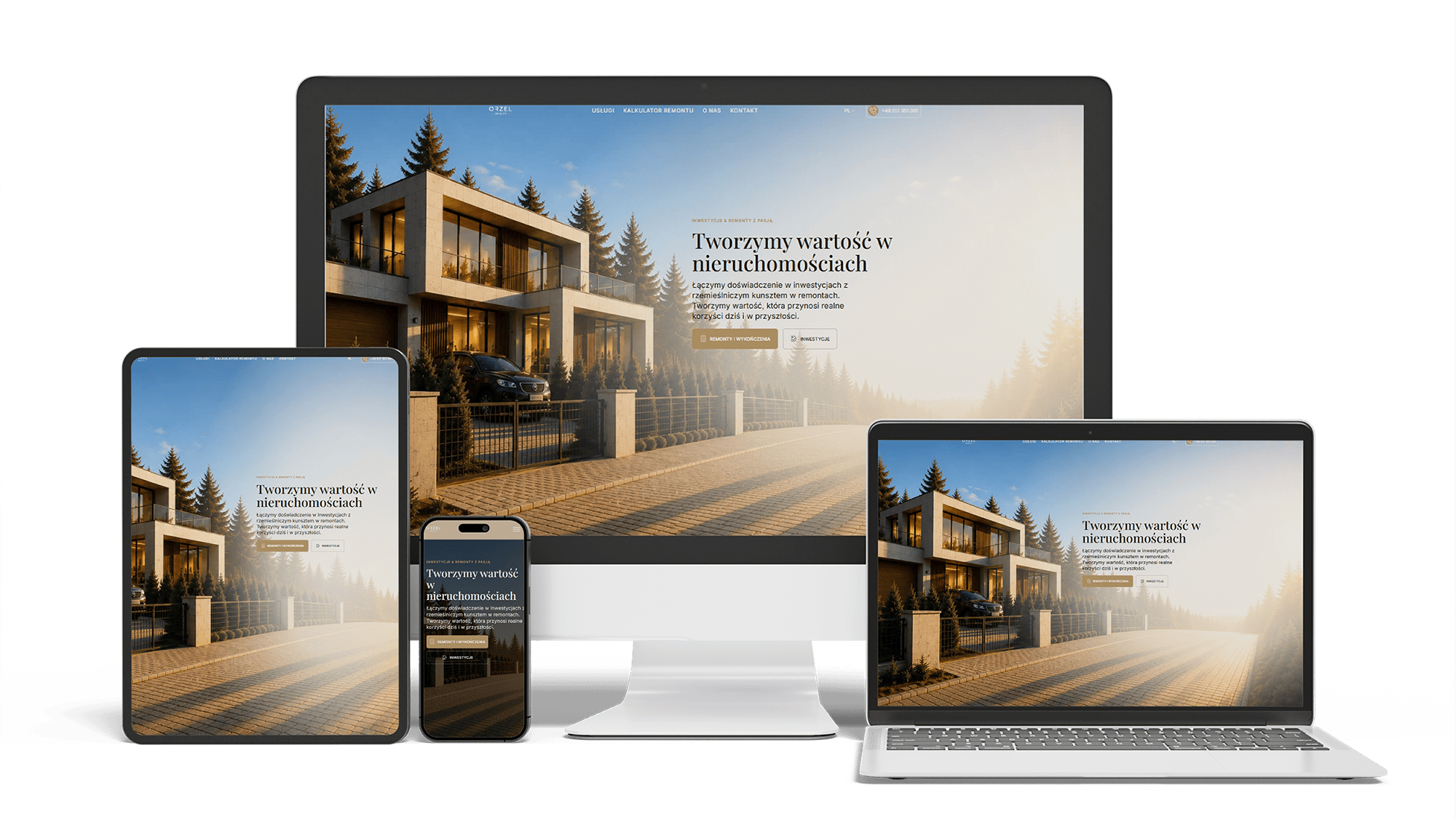
Renovation and investment website with a premium feel and 96/98/100/100 performance
96/98/100/100Design system2 languages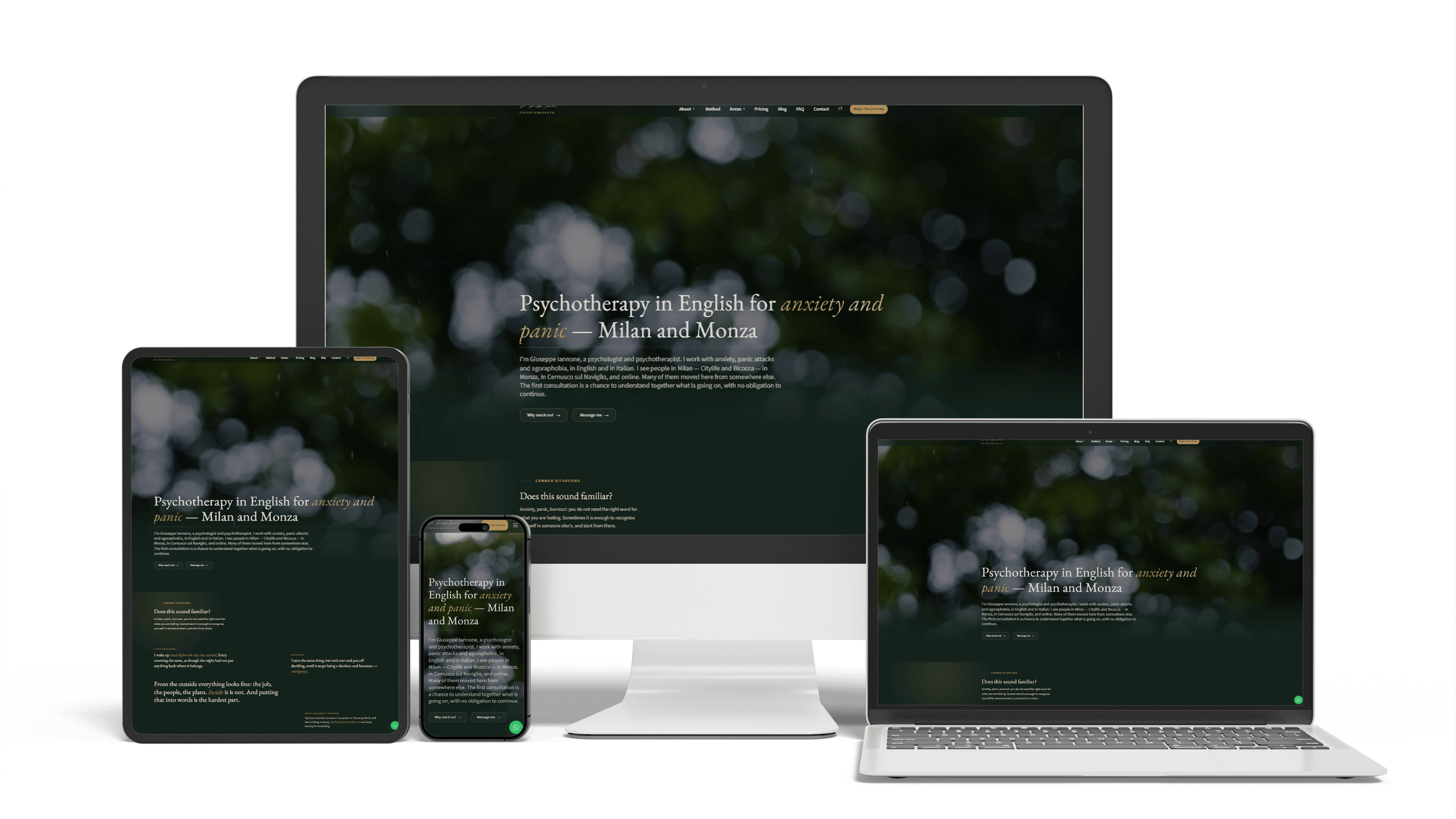
Bilingual psychotherapist website in Italy
468 of 468 posts moved2 languagesSeen in ChatGPT answers
Full Multilingual Website Development & SEO for Student Services
+5,930 clicks in 6 months359k impressionsTeam edits it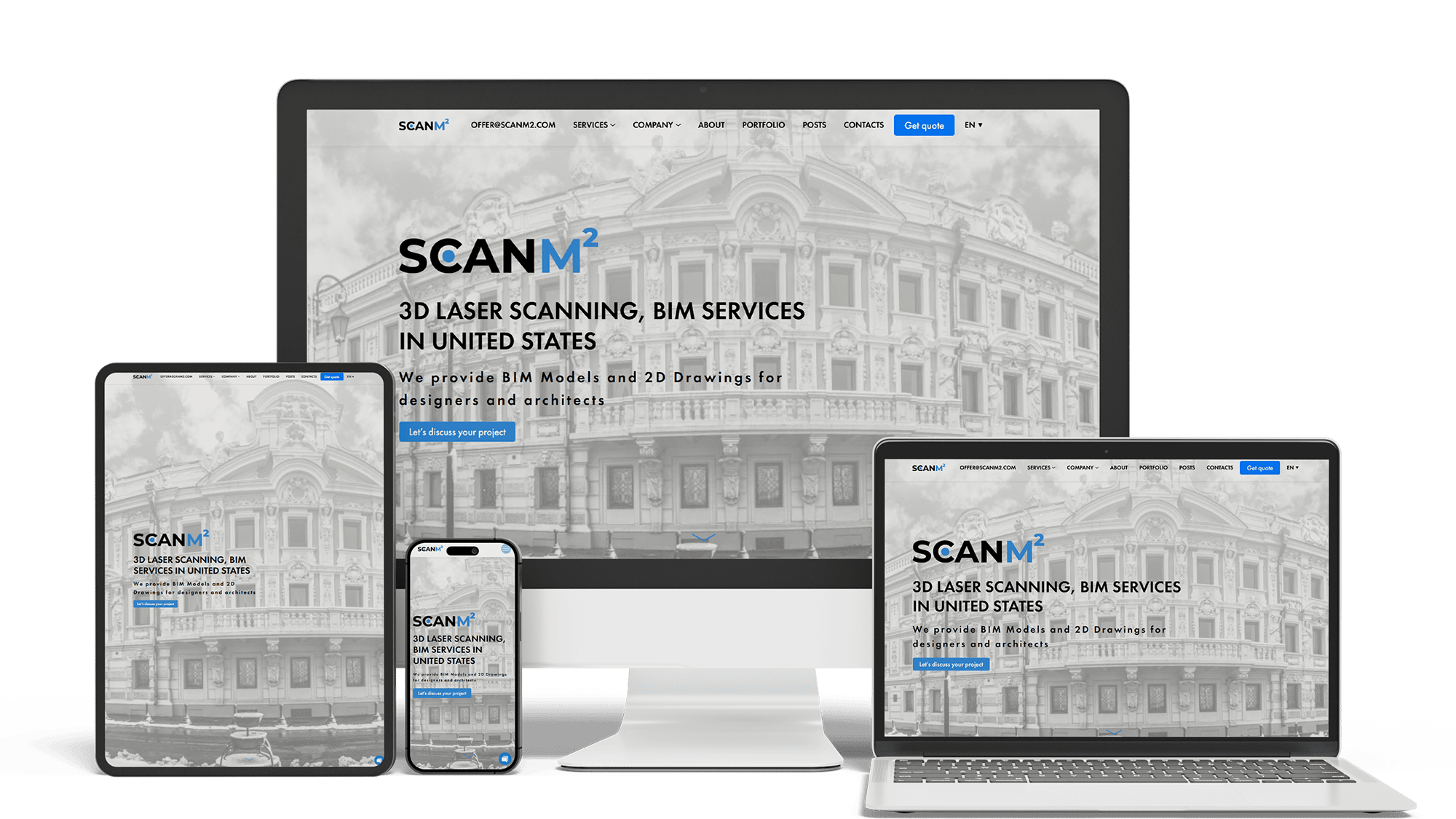
Architecture Website Rebuild and SEO
29× organic trafficLoads in under 1 sTop 3 in Poland
Get a quote for your winery website
Within one business day I send a page outline for your winery, the buttons your first mobile screen needs and a fixed price.
Winery website design, as I do it, runs from the page plan to launch in one pair of hands: the visual design, tasting reservations, wine club and shop are drawn and coded by me for one agreed price. A winery site serves three visitors at once — the traveler checking whether the tasting room is open on Saturday, the club member changing a shipment and the couple looking for a venue — and each of them is usually on a phone.
Most wineries already take reservations in a system — Tock, Resy, Commerce7 or the booking module of their wine platform. The website does not replace it; it presents each experience clearly and hands the guest over with the right one selected. Depending on what your system allows:
- a button per experience that opens the booking flow preset to that tasting
- an embedded widget that loads only when tapped, so the page stays fast
- a request form for large groups, limo parties and corporate tastings that need a call first
Experience cards share one layout — wines poured, duration, price per person, food, seating, minimum age, dogs — so a guest comparing a standard flight with a library tasting sees the differences at a glance. Deposits and cancellation terms appear before booking starts, not on the last step.
A wine club is often a winery’s steadiest income, and its page should work like a product page. Tiers sit side by side in a table: bottles per release, reds only or mixed, shipping or pickup, member discounts, complimentary tastings. A Join button leads into your wine platform’s club sign-up, and existing members get a visible link to log in, change their address, skip a shipment or choose their wines. Tasting room staff often sign members up on a tablet at the bar; the same page, built to work well on that tablet, saves them a separate tool.
Selling wine online is regulated: direct-to-consumer shipping is allowed in some states and countries, restricted or banned in others, and usually needs licenses and tax registration. Check the rules for your winery and each destination before the shop goes live. The design follows what you are allowed to do:
- a shop connected to your wine platform, which checks the address, age and taxes at checkout
- the list of states or countries you ship to, shown before the visitor fills a cart
- order online and pick up at the winery, where shipping is not possible
- a where-to-buy page with stores and restaurants, if you sell only through distributors
Wine pages share one template: label photo, varietal, vintage, vineyard, tasting notes, pairing, awards, price and the right button — buy, reserve a tasting or find a store.
Some markets, platforms and payment providers expect alcohol sites to ask visitors to confirm their age; elsewhere it is your own policy. Where you use one, keep it light: one question or a date of birth, remembered for the visit, styled like the rest of the site rather than a grey pop-up. I build it as a layer over pages that already exist in the HTML, so the first visit stays quick and the content stays readable for crawlers. Age checks at checkout and at pickup belong to your shop and your staff, not to the entry screen.
An events calendar with filters — concerts, dinners, releases, harvest — shows upcoming dates and links each one to tickets in your system. Past events move to an archive with photos, which shows newcomers what an evening at your winery looks like. Weddings and private events get their own section: each space with its capacity, a gallery of real weddings at the estate, catering and vendor rules, the season and an inquiry form that asks for the date, guest count and budget range, so your events coordinator can reply with something useful the first time.
Wineries with a kitchen or a restaurant will find menus and dining reservations covered on the restaurant website design page.
In regions that draw visitors from abroad, a second or third language brings guests that an English-only site loses. Each version has its own address, translated experience and wine pages, and a language switcher that opens the same page in the other language, not the home page. Prices and hours are entered once in the CMS and stay the same in every version. Tasting notes need a translator who knows wine; machine translation turns “grippy tannins” into nonsense. The Cyprus real-estate platform in my portfolio runs in five languages, including Hebrew, which is written right to left.
How I plan and build language versions is on the multilingual website development page.
A winery sells a place and a mood, so photography carries more of the site than text. Plan one shoot across a season if you can: the tasting room set and empty, guests at the bar, the winemaker in the cellar, the vines in spring and at harvest, food pairings, the event lawn at dusk. Stock vineyard photos are recognized at once and make every winery look alike.
The design around the photos stays calm: a short palette taken from your labels, a heading typeface that matches the label, plenty of space and one accent color kept for reservation buttons. The premium site I built for a Warsaw renovation and investment company works the same way — large photographs, restrained type, few colors and the contact button always in reach. Images are served in modern formats and sized for each screen, so a gallery of forty harvest photos still opens quickly.
Ask ChatGPT or an AI Overview for a winery in the valley with picnic tastings, or one whose club holds pickup parties, and the reply is assembled from text an assistant was able to read. The build keeps experiences, prices, hours, policies, wines and club tiers in plain HTML rather than inside images, PDFs or third-party widgets, adds structured data for the winery, its events and its wines, and matches the details on your Google profile. On the site I built for Giuseppe, a Milan psychotherapist, robots.txt sets explicit rules for AI crawlers and structured data describes his practice; ChatGPT already quotes his new pages.
Staying in those answers is ongoing work, explained under AI SEO and GEO optimization. Getting the site found for tastings, events and wine-country trips is the subject of winery SEO.
Lists of the best winery websites mostly showcase hero videos and big type. The parts that earn reservations are less photogenic: experiences that are easy to compare, a reservation two taps away, a club page that explains itself and a shop that knows where it can ship. A Wix or Squarespace template, or a theme supplied by your wine platform, is a fair start for a small tasting room with one experience. A custom design pays off once you run several experiences, a tiered club, events and weddings, a second language, and want search traffic to grow.
ScanM2, which produces 3D laser scans and BIM models, had two leadless years on a no-code builder. I moved the same design to WordPress; organic traffic is now 29 times higher and inquiries come in weekly. When a winery site moves, rankings survive if each old URL points to its new one — the process is on the website redesign page.
Design costs nothing extra: both prices below already cover it.
- A simple winery website — home, tasting experiences, visit information, wines, contact and reservation buttons: 700–1,400 €.
- A full winery site with experience pages, reservation integration, wine club, shop connection, events and weddings, age gate and language versions: from 2,000 €.
The steps from brief to launch are laid out under website development; every price I charge is listed on pricing.
Farms that sell direct — farm shops, CSA boxes, meat shares and pick-your-own — have their own page: farm website design.
Winery website design: frequently asked questions
Order winery website design: what to send me
Share the link to your website or Instagram, your tasting experiences, club tiers, your events and wedding offer, the reservation and wine platform you use, where you can ship and a few photos of the estate. My reply includes a proposed page list for the site and one fixed price. Use the form above or write on WhatsApp.
