


Cafe Website Development
I build cafe websites: a menu written as text with sizes and milk options, today’s hours and holiday hours, directions, order-ahead pickup on your own site next to Uber Eats and DoorDash, a shop for beans and gift cards, and event sign-ups you manage from a phone.
- Design + build, one price
- From 700 €
- Reply within one business day
What you get with a cafe website
- A menu written as textSizes, milk options and prices, edited from a phone
- Hours, holiday hours and directionsOpen-now line, map link, entrance and parking
- Order ahead for pickupYour own orders next to the delivery apps
- Beans, subscriptions and gift cardsA small shop that ships or waits at the counter
- Events and private hireCuppings, classes, seat limits, booking inquiries
- Facts AI assistants can quoteMenu, hours, Wi-Fi and seating as plain text
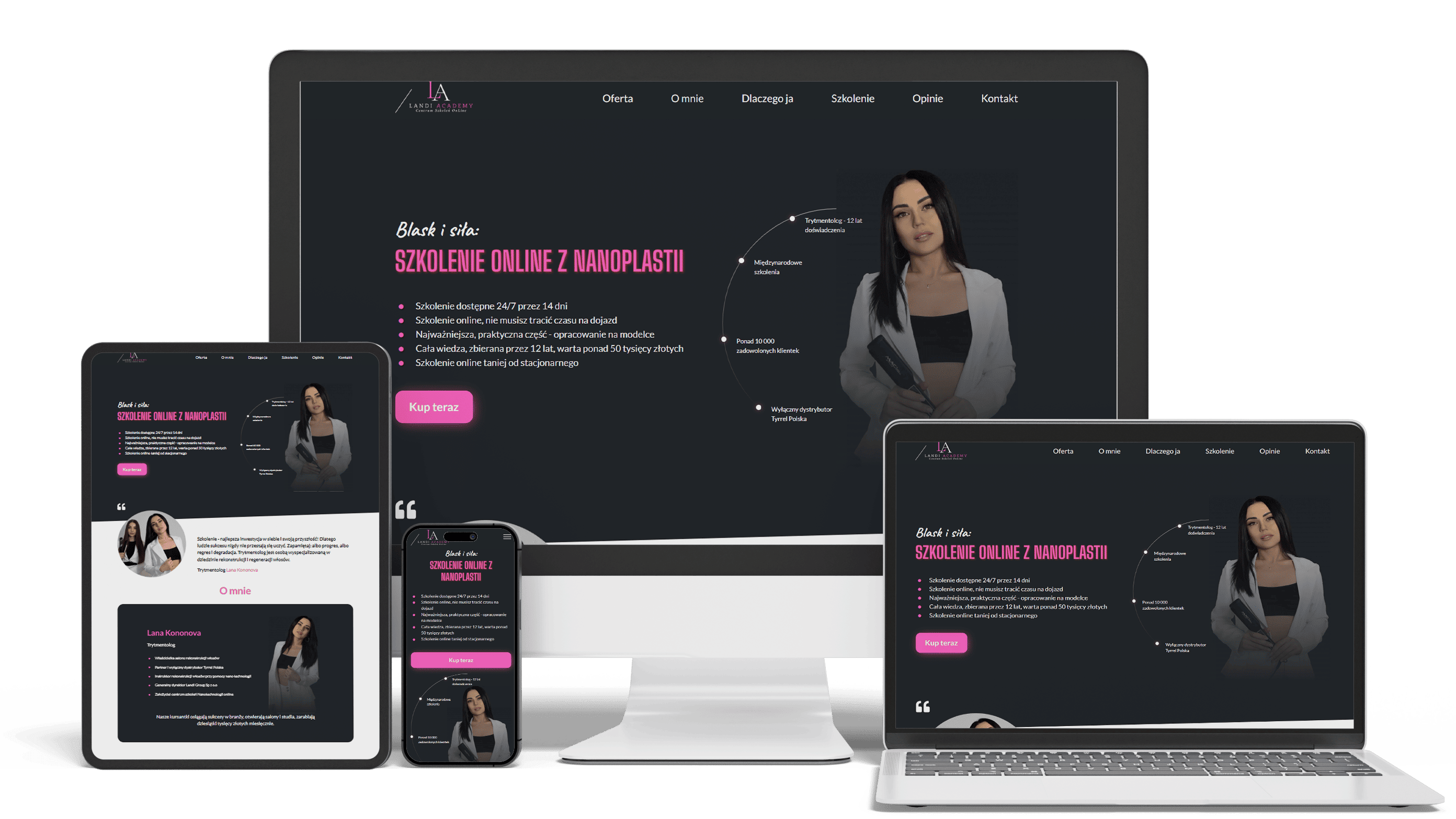
E-commerce landing page with secured video access
100+ course sales0 leaksLinks expire in 14 days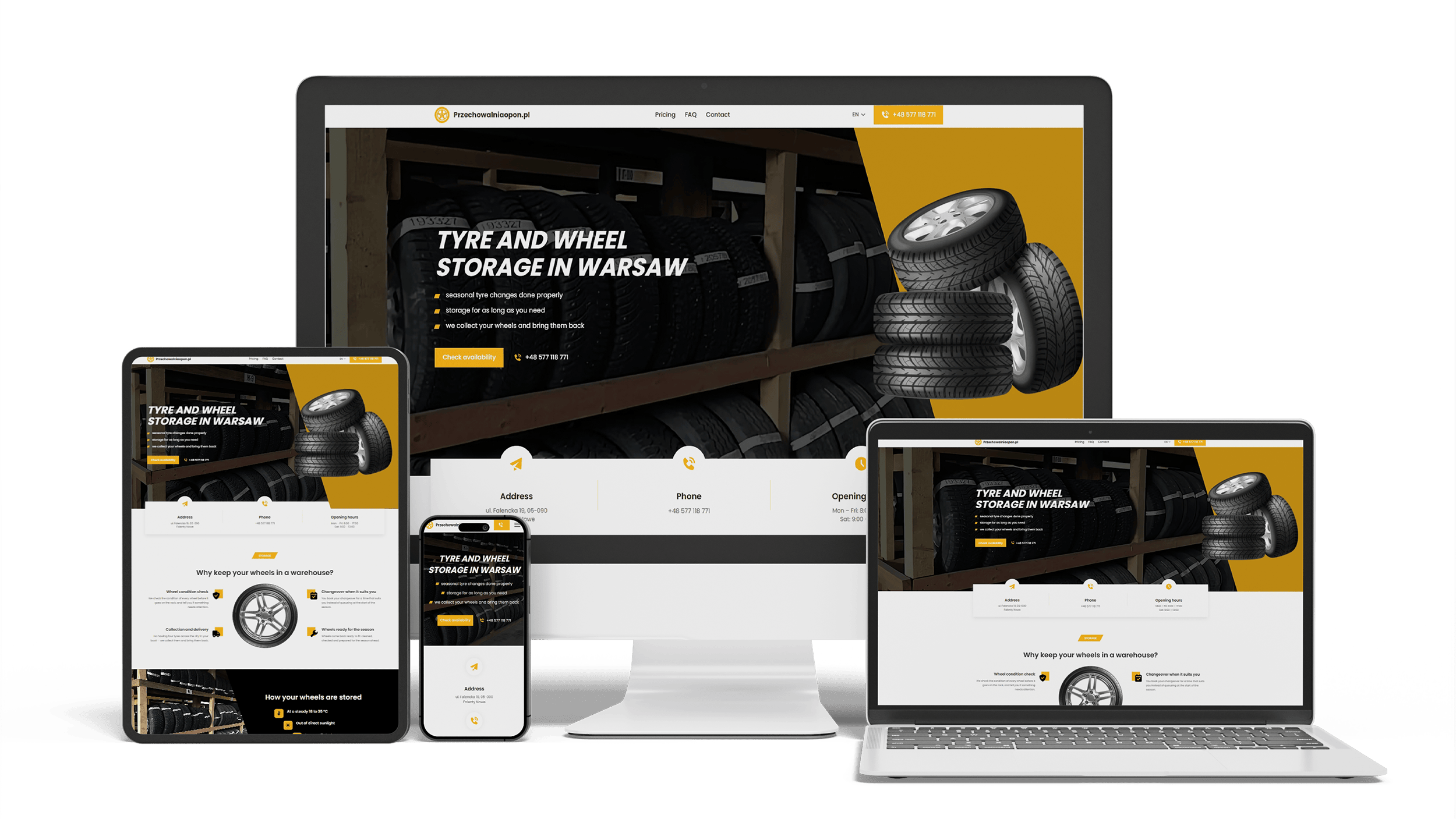
A multilingual landing page for a wheel and tyre storage business
100/95/100/1003 languagesClient edits it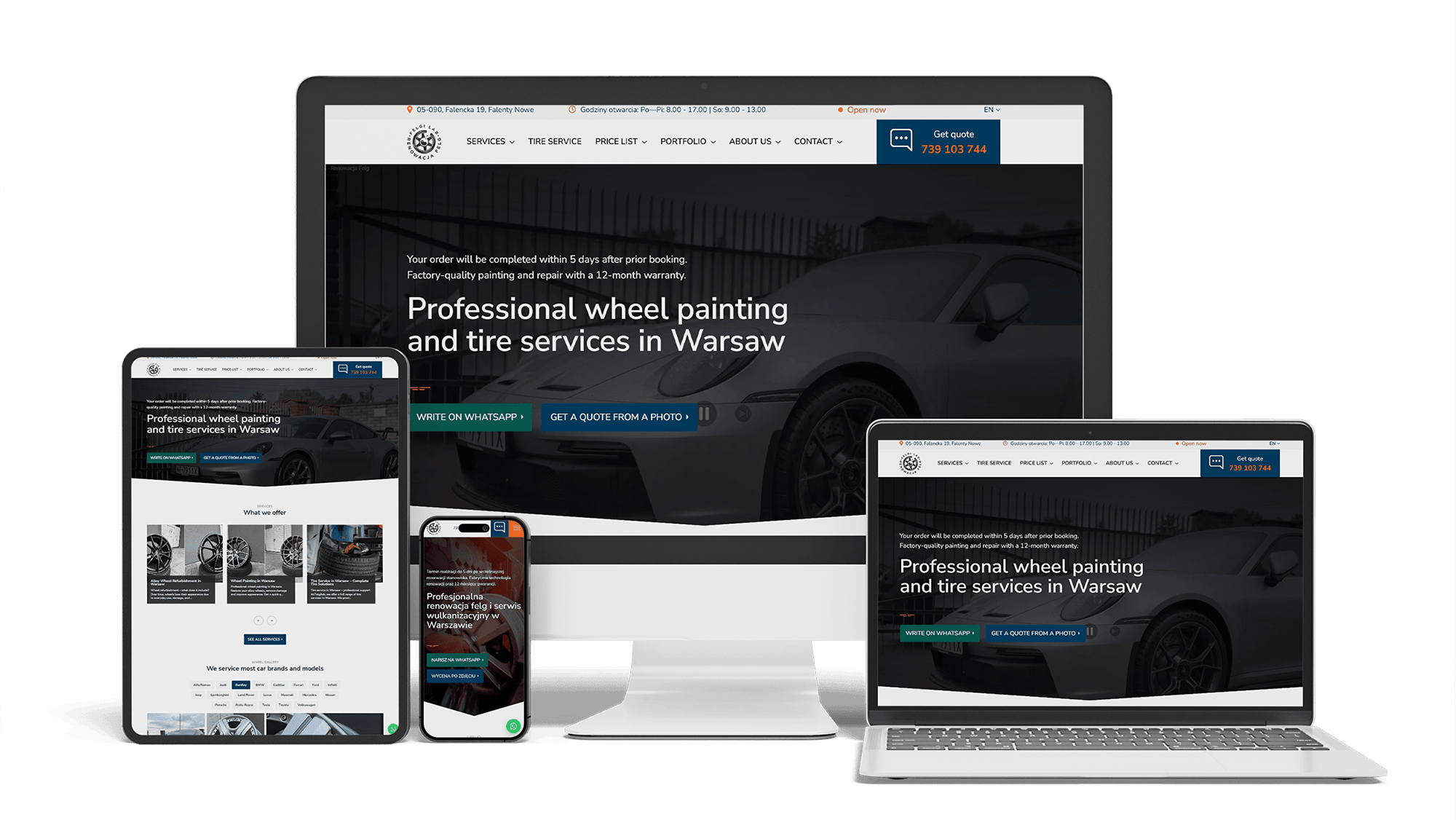
Full WordPress Rebuild for a Car Rim Restoration Company
92/91/96/100Photo quote formLocalBusiness markup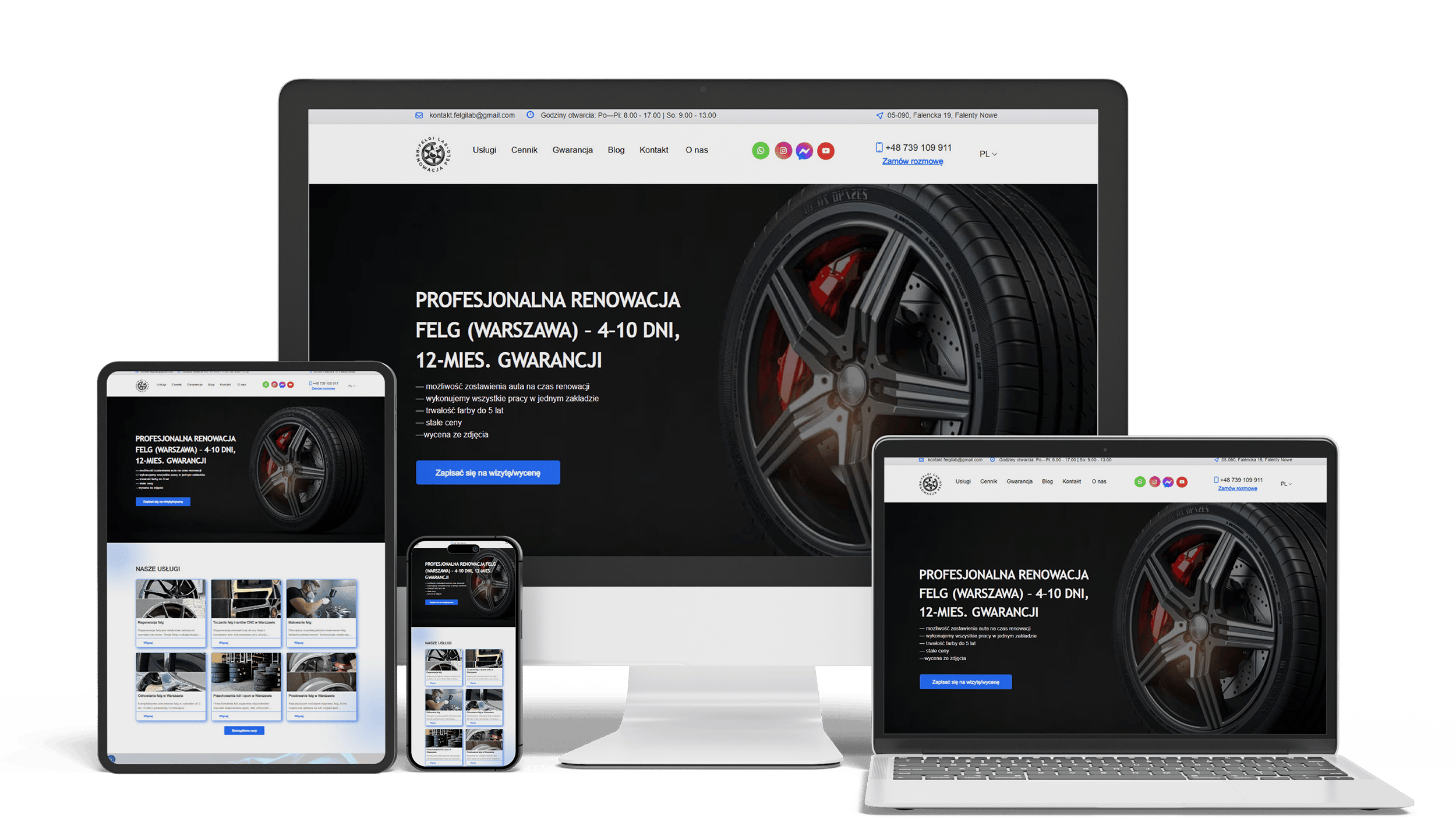
Auto Repair SEO & UX Boost
Performance 90++10% organic trafficLeads from forms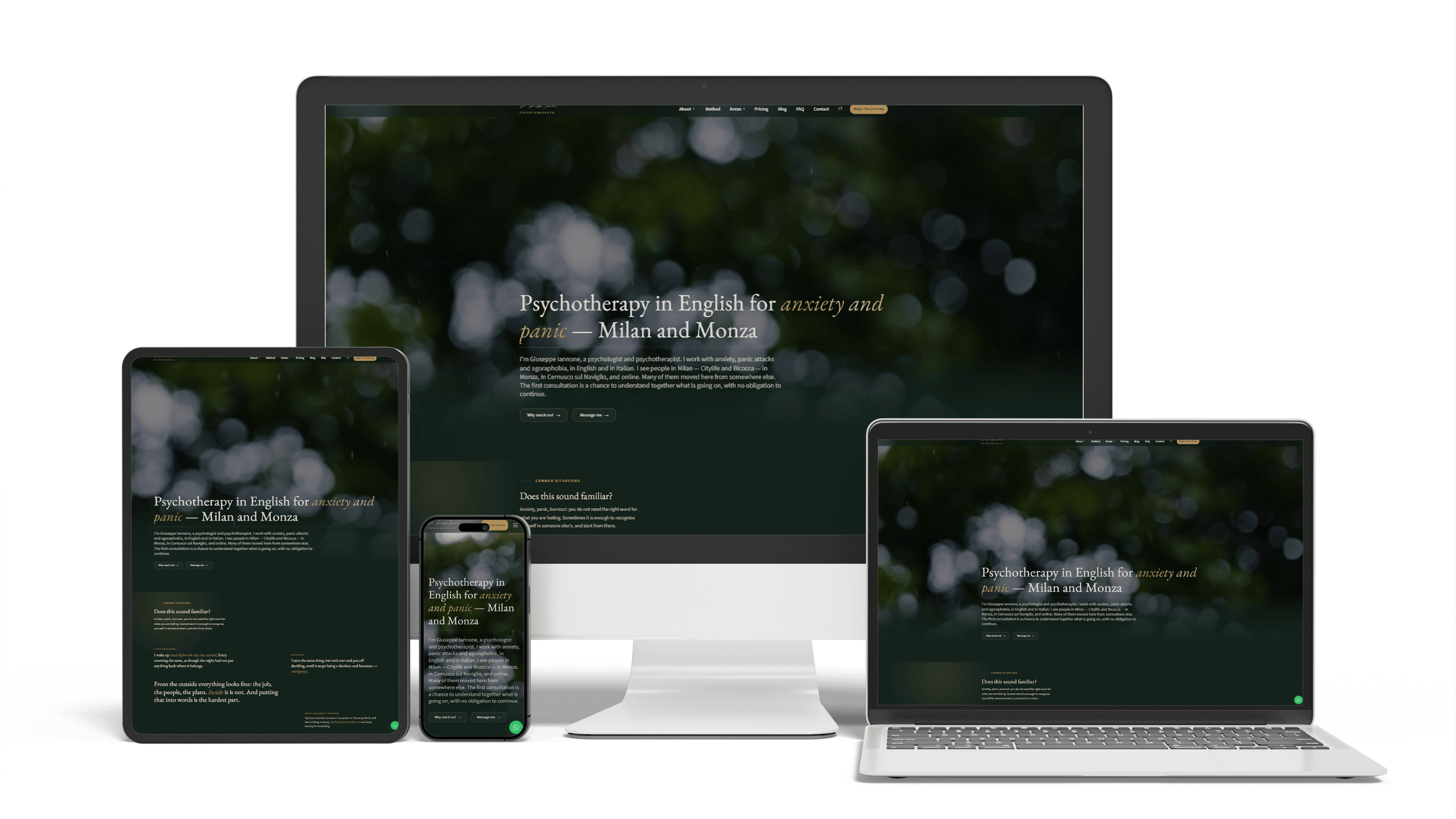
Bilingual psychotherapist website in Italy
468 of 468 posts moved2 languagesSeen in ChatGPT answers
Get a quote for your cafe website
I reply within one business day with a proposed page list for your cafe, a short note on how ordering would work and a fixed price.
I build cafe websites for owners of cafes and coffee shops: I design and develop the site myself, connect ordering and payments, and hand over an editor your team can use from behind the counter, at a price fixed before work starts. Guests open a cafe site to check a few facts — what you serve and for how much, whether you are open right now, where to pick up an order — and leave within a minute. The site does its job when those facts are correct and quick to find.
Many cafes run on an Instagram account and a Google Business Profile, and both are worth keeping. Instagram shows the mood of the week; the Google listing puts you on the map. Neither is a good home for facts that change and must be right:
- the full drink menu with sizes, milk options and current prices — highlights go stale and captions cannot be searched
- this week’s hours, including a holiday or a private event that closes the room early
- a pickup order that goes straight to the bar without a platform commission
- the gift cards, beans and event tickets you sell
The website is also the only one of the three you own. Platforms change their feeds and rules; your domain and your menu page stay where you put them. Your Google listing links to the site, and the site carries the same name, address and hours.
Cafe hours change more often than a restaurant’s: earlier openings in summer, a shorter Sunday, a 2 p.m. close on a holiday, a day off for a private booking. On the site the regular hours and the exceptions are separate fields, so a guest sees “Open today 7 a.m.–2 p.m. (holiday hours)” instead of a weekly table that is wrong for today. A line at the top of every page says whether you are open now and until when.
Under the hours come the things people check before they walk over:
- the address with a link that opens directions in their own maps app
- the nearest parking, bike racks or transit stop, and where the entrance is if it is easy to miss
- seating facts guests ask about: Wi-Fi, outlets, whether laptops are welcome at busy hours, stroller access, dogs on the patio
Change the hours in your Google Business Profile at the same moment; a guest who sees two different closing times trusts neither.
Uber Eats and DoorDash bring delivery orders from people who would not have found you, and they take a commission on each one. A pickup order comes from someone who already knows the way, so there is little reason to pay a platform for it. A cafe website can take order-ahead orders itself:
- the guest picks drinks with sizes and options, chooses a pickup time and pays by card, Apple Pay or Google Pay
- the order reaches the bar as a tablet notification or an email, whichever your team already watches
- each pickup slot has a limit, so the morning rush does not get more orders than the bar can make
- a text or email tells the guest when the order is ready
If your point-of-sale system has its own online ordering — Square, Toast and Clover do — the site connects to it instead of keeping a second menu in sync. Delivery stays on the apps, with clear buttons from the site, and pickup goes through your own page. Gift cards sell the same way, with a code sent by email.
A coffee shop that roasts or sells specialty beans needs more than a menu. Its website is also a small shop:
- a page for each coffee with origin, process, roast level, tasting notes and how fresh the roast is
- bag sizes and grind options, shipping rates and local pickup at the counter
- a coffee subscription every two or four weeks that guests pause and skip online
- a wholesale form for offices, restaurants and other cafes: volume per week, brewing equipment, delivery address
Brewing guides for each method fit naturally on a coffee shop site and answer questions guests otherwise ask at the bar. The shop runs on WooCommerce or Shopify, depending on your volume, and follows the look of the rest of the site.
Cuppings, latte art classes, book clubs, live music and board-game nights fill quiet evenings, and each needs a page with a date, a price and a way to sign up. A short calendar on the site lists what is coming; each event has its own address you can share on Instagram, and seats are paid online or reserved with a short form that closes when the room is full. Private hire — a baby shower, a team breakfast, a photo shoot — gets an inquiry form that asks for the date, time, number of guests, food and drinks and a budget range, so you answer with a price instead of a round of questions.
Most visits to a cafe site come from a phone, often on the street with a weak signal. The site stays fast because it is built that way: pages are generated in advance and served from a CDN, photos are compressed and sized for each screen, fonts are few, and nothing heavy loads before the menu and the hours. Third-party widgets — a feed, a review carousel, a chat bubble — each bring their own scripts, so I keep only the ones that earn their place. A guest standing outside will not wait for a slow menu page.
AI website builders and templates on Squarespace, Wix or Square Online promise a cafe site in minutes, and the first page often looks fine. The real work starts after that: entering a menu with sizes and add-ons, setting holiday hours, connecting ordering and payments, keeping it current. A builder is a sensible start for a new cafe with one location and a short menu. Its limits show when you want pickup slots, a bean shop with subscriptions, events with seat limits or control over page addresses and structured data, and when the monthly plan grows with every feature. AI-written text also describes a cafe in general, not yours.
A custom site is built on WordPress or Next.js around your menu and your ordering, and the domain, the code and your email list stay with you. Moving from a builder, every old page address gets a 301 redirect to its new one. How the site looks — your colors, the drink photos, the menu layout — is covered on the cafe website design page.
Guests now ask ChatGPT or Google’s AI Overviews things like “a quiet cafe near Union Square where I can work on a laptop” or “a coffee shop open before 7 a.m. with oat milk”. The assistant answers from what it can read on your pages and in your Google listing. So the facts go into the HTML as text: hours and holiday hours, the menu with prices, milk options and dietary notes, Wi-Fi and seating, the neighborhood. The cafe gets CafeOrCoffeeShop structured data with its hours and a link to the menu. I built a psychotherapist’s site in Milan this way, and its new pages already show up in ChatGPT answers.
Staying in those answers month after month is the subject of the AI SEO and GEO optimization page. Getting found for “coffee near me” and in the map pack is covered on the cafe SEO and local SEO services pages; a full-service venue with table bookings will find more on the restaurant website page.
- A simple cafe website — home, menu as text, hours and holiday hours, location and contact, links to delivery apps: 700–1,400 €.
- A cafe website with order-ahead pickup and payments, a bean shop or subscriptions, events with sign-up and private hire inquiries: from 2,000 €.
Design is part of the price in both cases. After launch you pay the hosting provider and the domain registrar, with no monthly fee to me. The steps of a build are described on the website development page, and all my prices are on the pricing page.
Cafe website: frequently asked questions
Order a cafe website: what to send me
Send a link to your Instagram, Google listing or current site, your menu with prices and add-ons, your regular and holiday hours, the delivery apps and POS you use, and whether you want pickup ordering, a bean shop or events on the site. I will reply with a proposed page list and a fixed price. Use the form above or write on WhatsApp.
