


Artist Website Design
Artist website design for painters, printmakers and sculptors, built by one person: a portfolio of large images that opens fast, a page for every work with medium, size and price or an enquiry button, series and collections, your CV and exhibitions, commissions and a print shop.
- Design and build in one price
- From 700 €
- Large images, short load times
What artist website design includes
- Full-screen images that load fastSized per device, color kept true
- A page for every artworkMedium, size, year, price or “enquire”
- Series and collectionsEach body of work with its own text
- CV and exhibitionsShows, residencies, awards, press
- Commission and purchase enquiriesLinked to the exact work or brief
- Artwork data AI can readArtist, works and shows as structured data
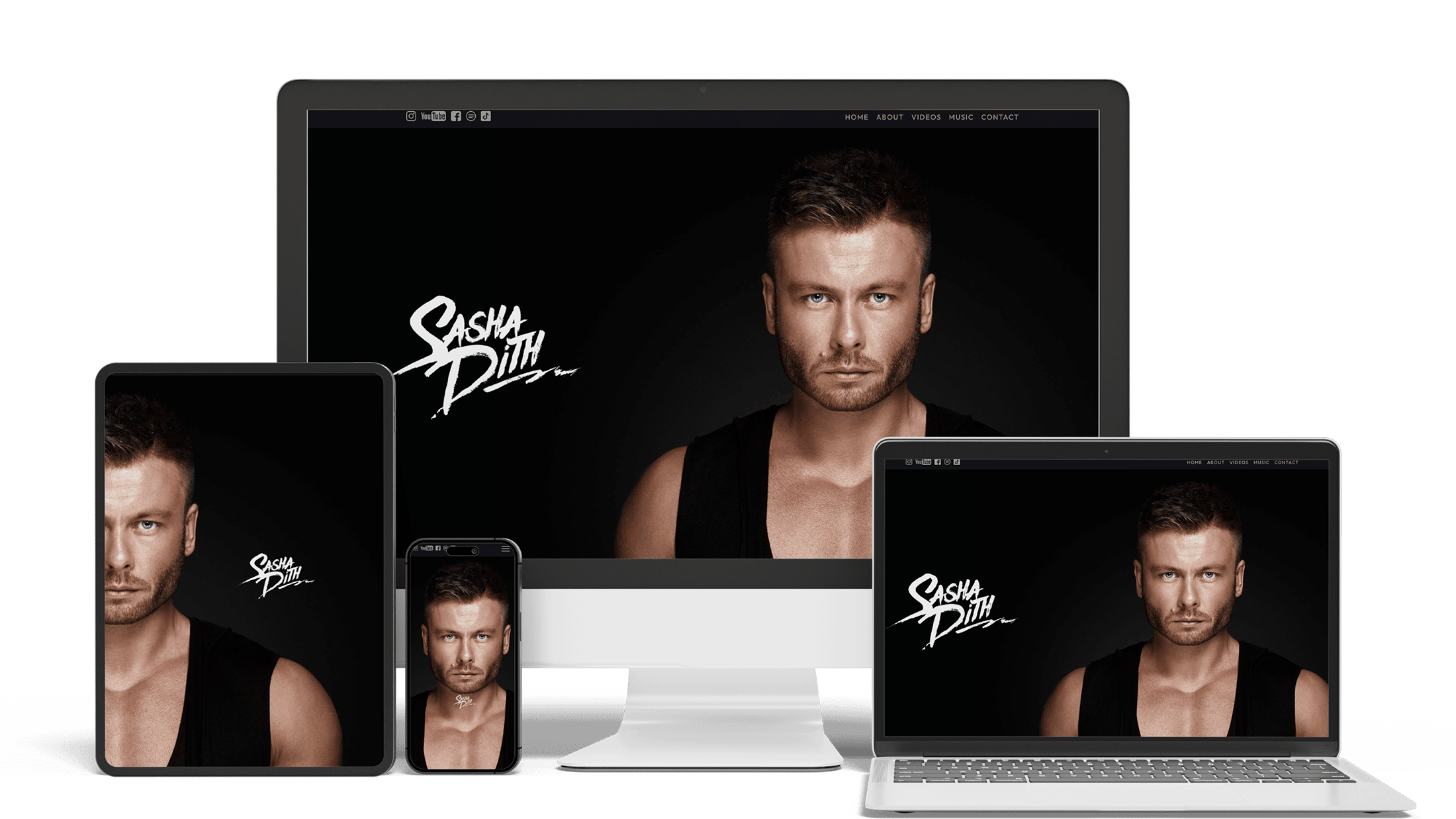
Official Website for DJ and Producer Sasha Dith
Loads in under 1 sBooking formVideo and music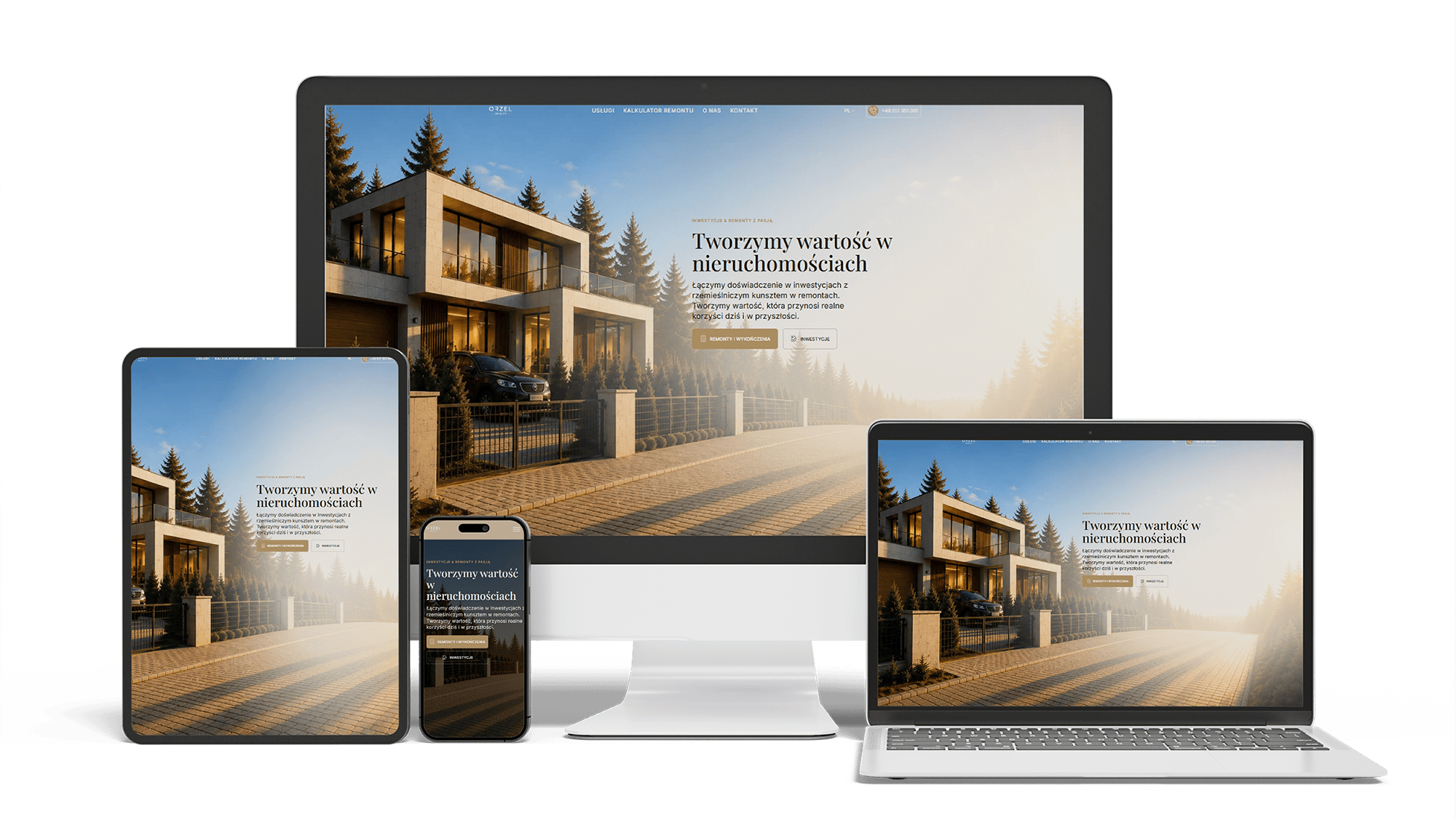
Renovation and investment website with a premium feel and 96/98/100/100 performance
96/98/100/100Design system2 languages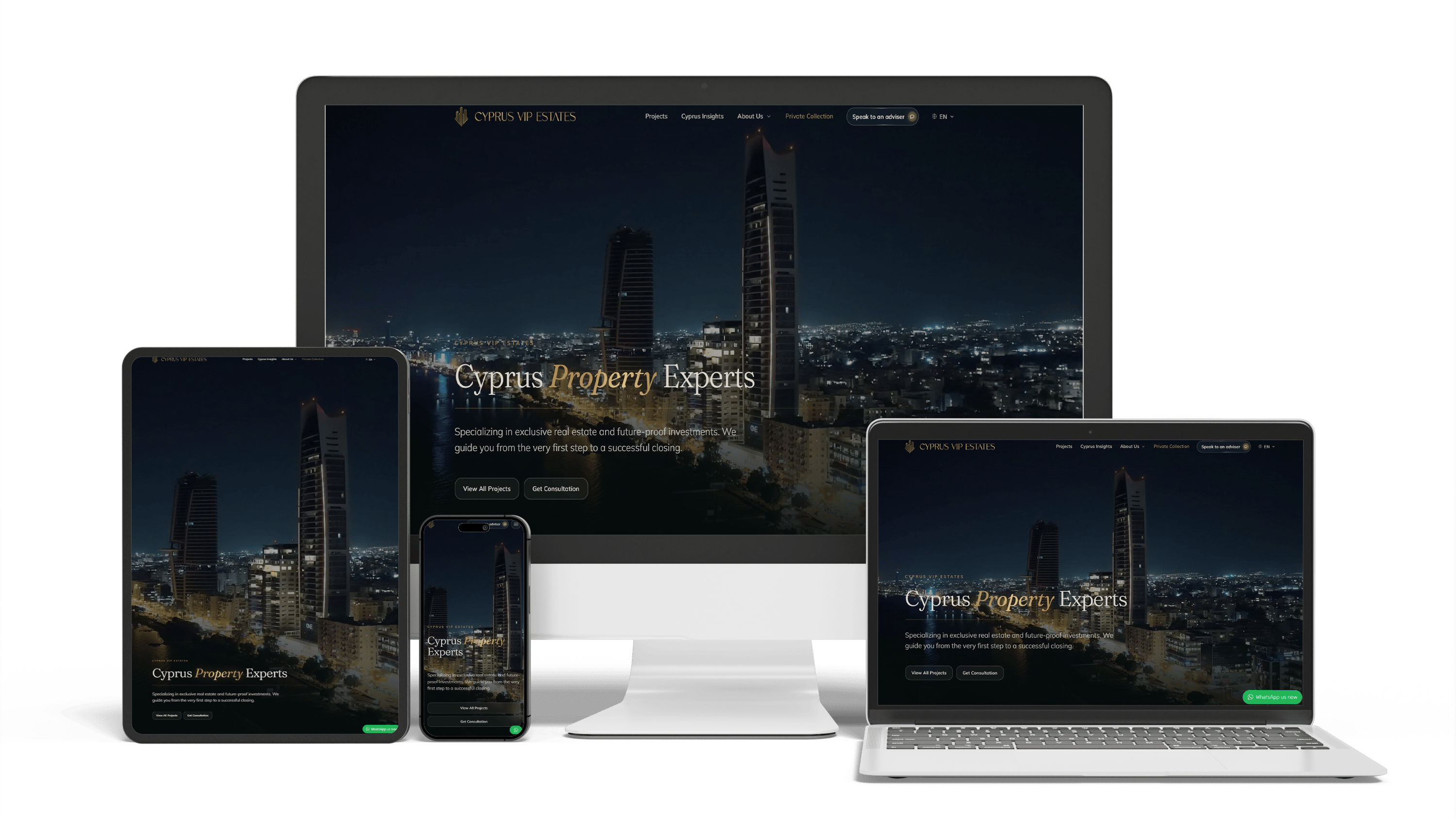
Multilingual real estate platform in Cyprus: SEO and GEO without bought links
16× faster editingTraffic from ChatGPTLeads via WhatsApp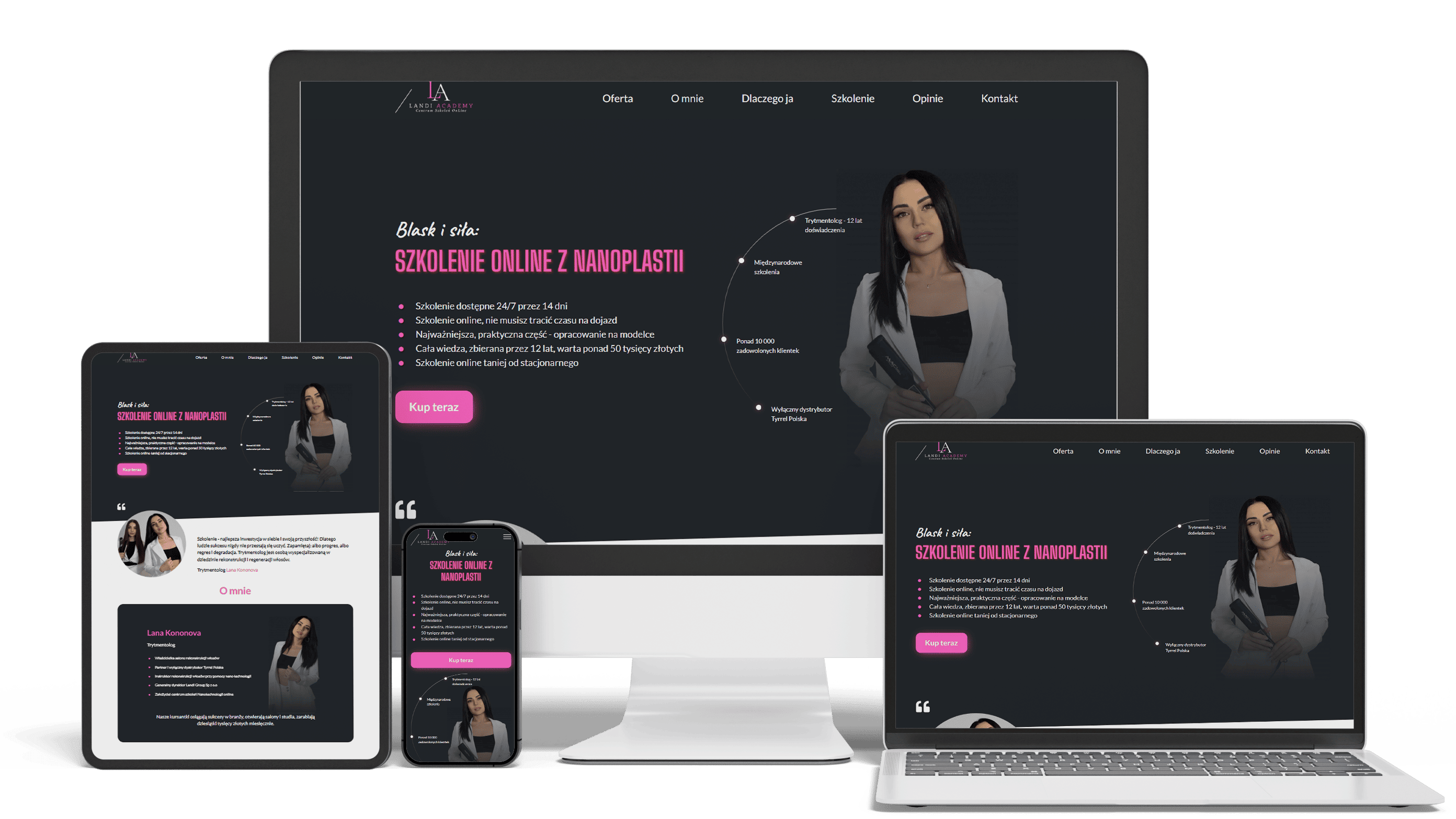
E-commerce landing page with secured video access
100+ course sales0 leaksLinks expire in 14 days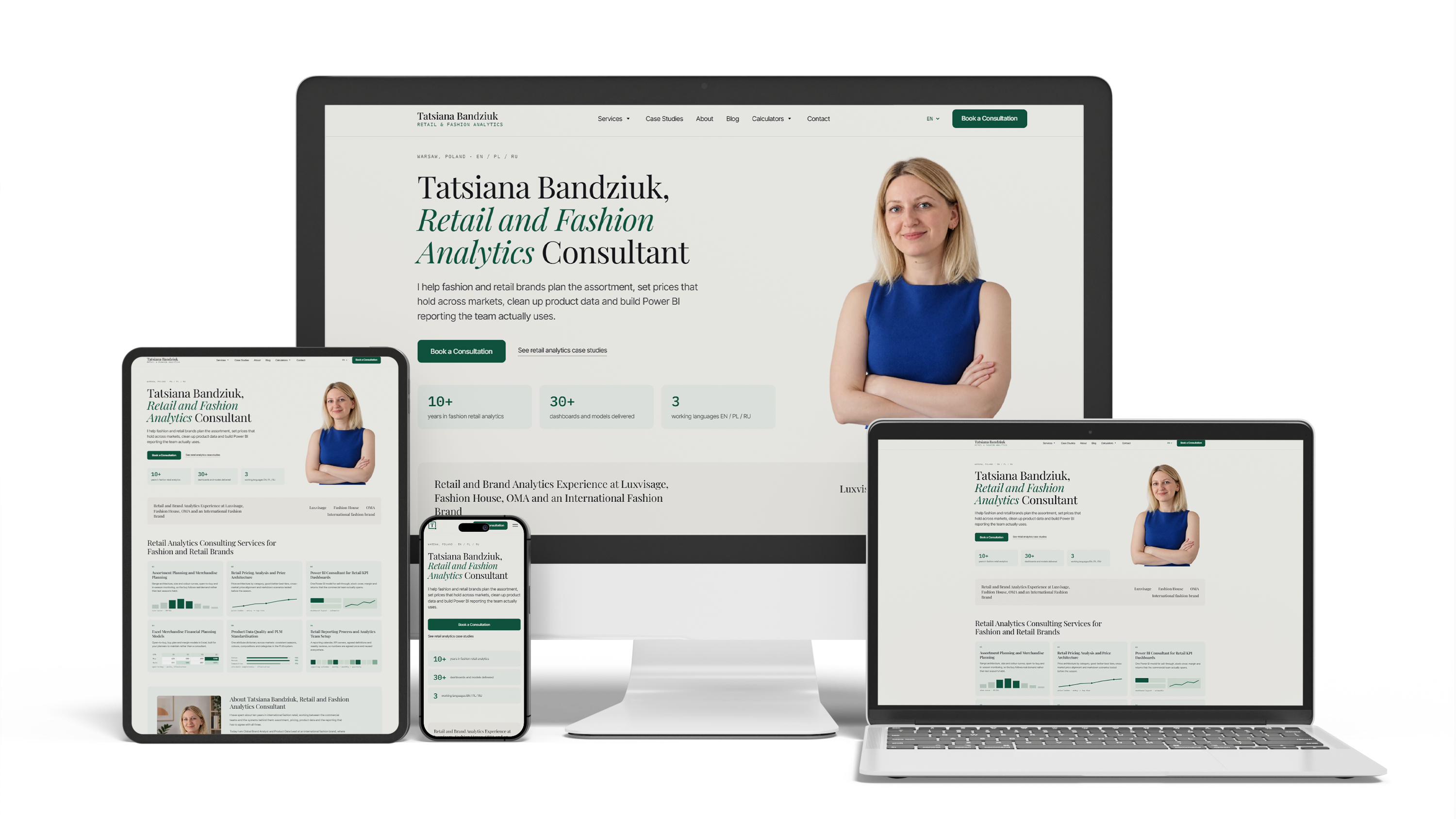
A consultant website for a retail analytics expert
100/100/100/100153 pages3 languages
Request a quote for your artist website
Describe your work and how you sell it. I reply with the pages your site needs — portfolio, series, CV, commissions, prints — and one fixed price.
Artist website design is what this page offers: I plan, design and build portfolio websites for painters, printmakers, sculptors and illustrators, and I do the work myself from first sketch to launch. The site is a quiet room for your work — images large, text short, nothing competing with the art — with clear paths for the three people who matter: a collector who wants to buy, a curator who wants your CV, and a client who wants to commission.
Most visitors already saw a piece at a fair, in a group show or on Instagram, and they arrive with one question each. The first screen and the menu answer all three without a scroll:
- the work — one strong image or a short row from the current series, not a logo on a blank page
- who you are — your name, medium and city in one line, such as “Painter working in oil and cold wax, Santa Fe”
- where to go — Works, Available, Commissions, CV and Contact, in words rather than icons
An artist statement belongs one click away. Opening the site with three paragraphs of theory asks a buyer to read before they have seen anything.
Art is judged on detail, and detail means large files. Uploaded unchanged, a dozen high-resolution photos make a portfolio stall on a phone, and the visitor leaves after the first one. The build handles that for you:
- each image saved in several widths and in WebP or AVIF, so a phone gets a light file and a 27-inch monitor a sharp one
- color profiles kept, so your blues stay the blues you painted
- the first image shows immediately, and the others load only when the visitor scrolls to them
- a full-screen view with zoom on details such as brushwork or surface texture
Good photographs matter as much as code. Shoot paintings straight on, in even light and without the frame; for sculpture, three or four angles and one shot that shows scale in a room.
Every work has its own page and address, so you can send a collector a direct link instead of a screenshot. The page lists, as text:
- title, year and medium — “Oil and graphite on panel”
- dimensions in inches and centimeters, with framed size if it ships framed
- status: available, sold, on loan or in an exhibition, with the gallery named
- price, a price range, or an “Enquire about this work” button that sends the title with the message
- a few lines about the work and two or three related pieces from the same series
Sold works stay on the site. They show your range and your market, and a sold label often prompts a commission request for something similar.
Most artists work in bodies of work, and a long grid mixes them into noise. Grouping by series gives each body its own page with a short text — what started it, the materials, where it was shown — and lets a curator see how your practice has moved over the years. Filters by medium, size and availability help a buyer who has a specific wall in mind. Older series move to an archive section rather than disappearing.
Curators, juries and grant panels expect a CV in a familiar order, and gallerists check it before a studio visit. The CV page is HTML text rather than a PDF so it can be read on a phone and found by search engines, with a PDF version to download:
- education and residencies
- solo and group exhibitions, newest first, with venue and city
- awards, grants, public and private collections
- press and publications with links where they exist
Upcoming shows sit on a separate page with dates, the venue and opening hours. The statement and a short bio, written in the third person for press use, get their own page next to downloadable portrait photos.
Commissions need more explanation than a finished work, because the client is buying something that does not exist yet. A dedicated page lays it out:
- what you take on: pet or family portraits, large paintings for a particular room, murals, illustration
- examples of past commissions, with the client’s permission
- the steps: brief, sketch, approval, painting, delivery, and how many revisions are included
- timeline, deposit and a starting price or price per size, if you choose to publish them
- a form that asks for size, subject, reference photos, deadline and budget range
Originals and prints are different purchases. An original usually starts a conversation — about shipping, framing, a studio visit — so an enquiry button often works better than a cart. Prints are impulse buys and sell best with a checkout.
A print shop on your own site
Limited editions show the edition size, paper, printing method and whether each print is signed and numbered. Checkout runs through Stripe or a Shopify store connected to the site, with shipping zones and costs you set. Print-on-demand services such as Fine Art America or Printful can handle production, linked from your print pages.
Links to marketplaces and galleries
If you already sell through Saatchi Art, Etsy or a gallery’s online viewing room, the artwork page links to the listing so prices stay in one place. Photographers who sell prints have different needs; they are covered under photographer website design.
No setting fully prevents copying: anything that appears on a screen can be screenshotted. What reduces misuse in practice is publishing images at web size, about 2,000 pixels on the long side, never your print files; adding your name and a copyright line to the image metadata and under every work; and using a reverse image search now and then to find copies. A subtle watermark is an option for new work you share widely. Blocking the right-click menu mostly annoys real buyers and does little else.
Look through any list of the top 10 artist websites and the pattern is the same: few words, generous white space, fast images, simple menus. Beautiful artist websites are quiet; the art supplies the color.
When a template is enough
Squarespace, Wix, Format, Pixpa or Artlogic’s artist sites are a sensible start for an early career, a small body of work, or an artist who enjoys updating pages personally.
When a custom artist website pays off
Custom design pays off once you manage hundreds of works with status and pricing, sell prints and originals in different ways, show in several countries and need a second language, or want a site that does not look like the same template other artists in your scene use.
Instagram is where many collectors discover new work, and it is worth keeping active. It is still a feed: posts sink within days, sizes and order belong to the platform, and the reach of your next post is decided by an algorithm. Your website is the permanent record — every series, every price, your full CV — and the link in your bio leads to the current series or the available works page rather than the home page.
Buyers and curators increasingly ask AI assistants things like “abstract landscape painters in New Mexico” or “artists who paint large commissions for hotel lobbies”. An assistant can only recommend an artist whose site it can read. Your name, medium, themes, city, galleries and exhibitions are written as text, and structured data describes you, each artwork with medium, size and year, and each exhibition with its venue and dates.
Getting named in those answers takes further work; I describe it on the AI SEO and GEO optimization page.
- A simple artist portfolio website — home, works by series, About with statement, CV and contact: 700–1,400 €, design included.
- A full artist website with artwork pages and status, filters, exhibitions, commissions, a print shop or marketplace links, and a second language if needed: from 2,000 €, design included.
Domain, hosting and the code are registered to you; the running costs after launch are hosting and the domain. Price ranges for every service are on the pricing page, and the way I plan and build sites is explained under website development.
Tattoo studios and tattoo artists, with booking requests and deposits: tattoo website design.
Artist website design: frequently asked questions
Order artist website design: what to send me
Send your artist name, links to your Instagram and any current site or gallery pages, the series you want to show with an approximate number of works, how you sell — originals, prints, commissions — your CV as it stands, and two or three artist sites whose feel you like. In reply you get a proposed page list and a fixed price. Use the form above or message me on WhatsApp.
