


Veterinary Website Design
I design and build veterinary websites for clinics and animal hospitals: a separate emergency path, a calm route to booking routine care, real photos of your team and patients, and species sections owners find in one tap.
- Design + build, one price
- From 700 €
- Reply within one business day
What you get with veterinary website design
- An emergency path that is never more than one tap awayHours, phone and directions, or where to go after hours
- A calm route to routine careBook a wellness visit, vaccination or dental check
- Your team and your patients, with consentA shot list and a simple photo consent for owners
- Species sections owners find at onceDogs, cats and exotics, each with its own page
- Prices and plans set out clearlyExam fees, vaccine visits and wellness plans
- Readable by Google and AI assistantsHours, vets and services as text, not images
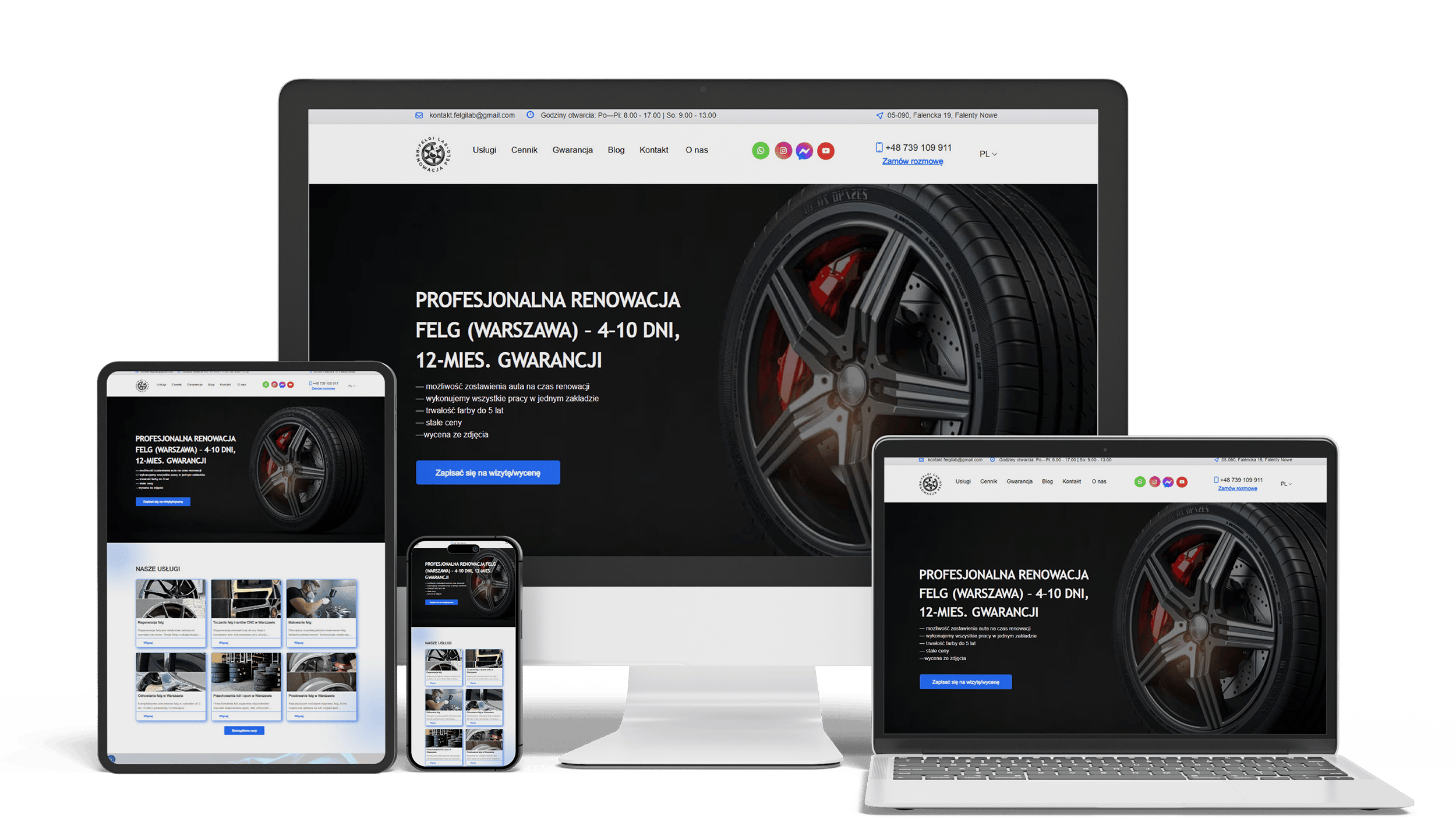
Auto Repair SEO & UX Boost
Performance 90++10% organic trafficLeads from forms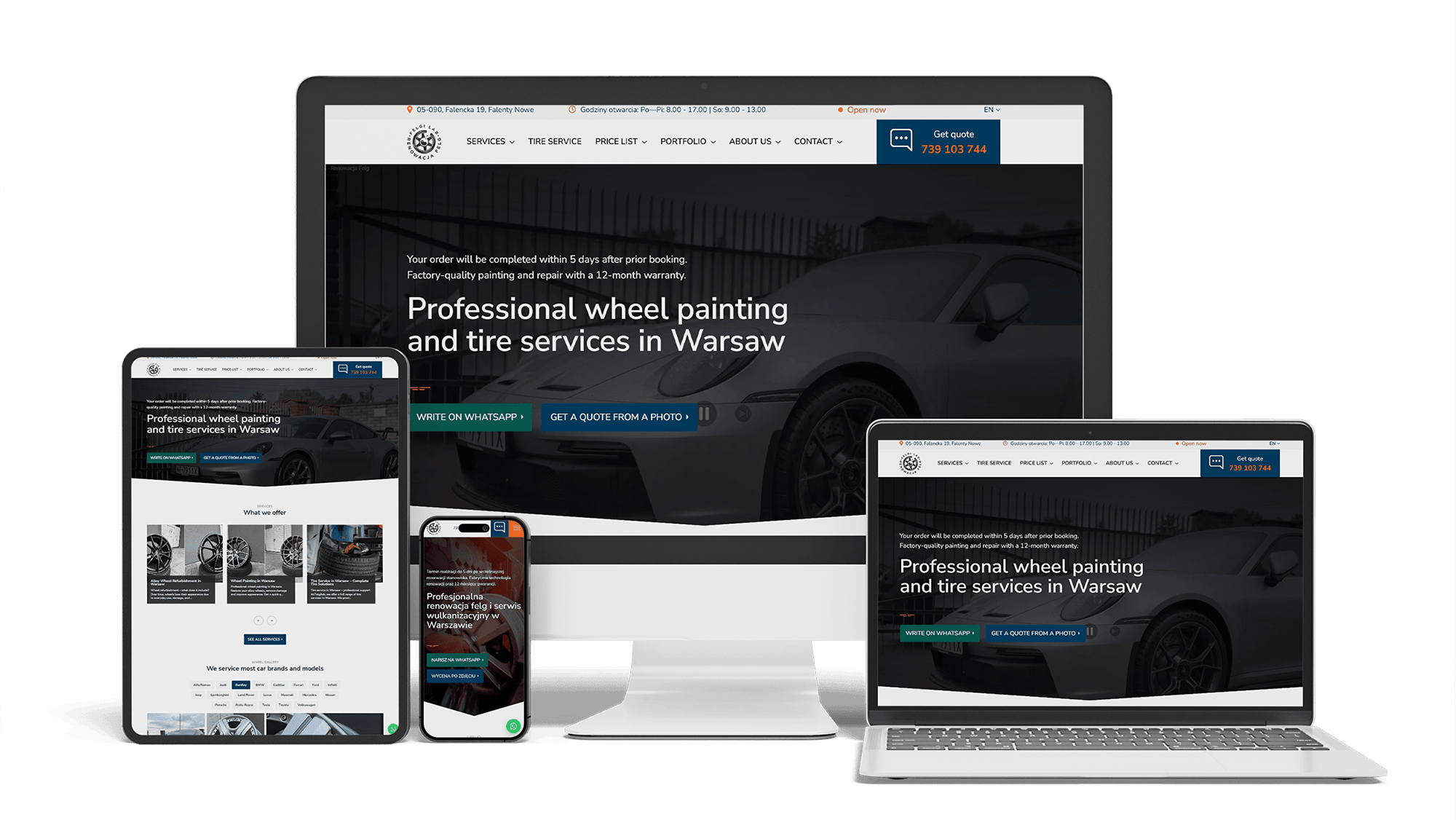
Full WordPress Rebuild for a Car Rim Restoration Company
92/91/96/100Photo quote formLocalBusiness markup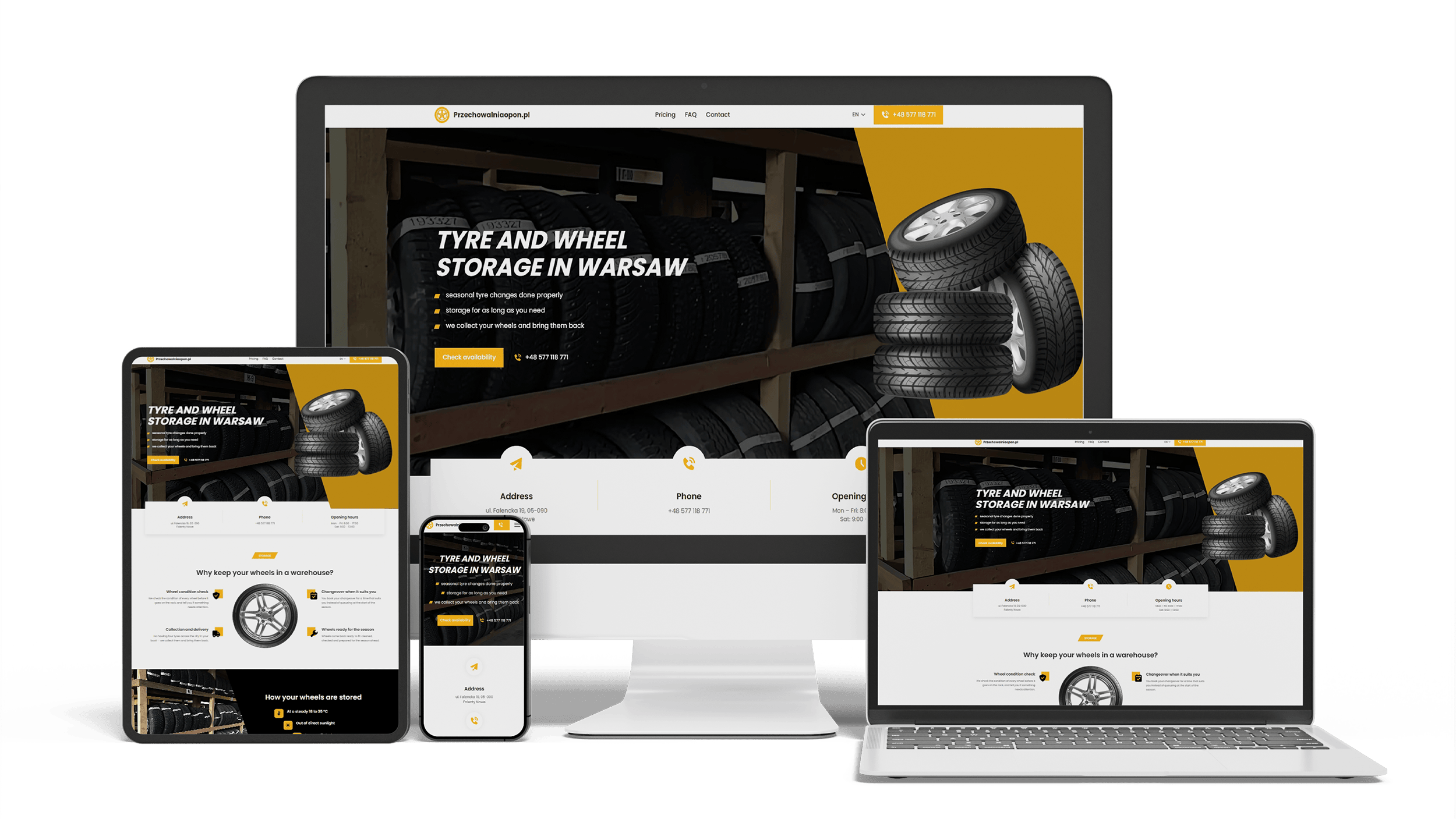
A multilingual landing page for a wheel and tyre storage business
100/95/100/1003 languagesClient edits it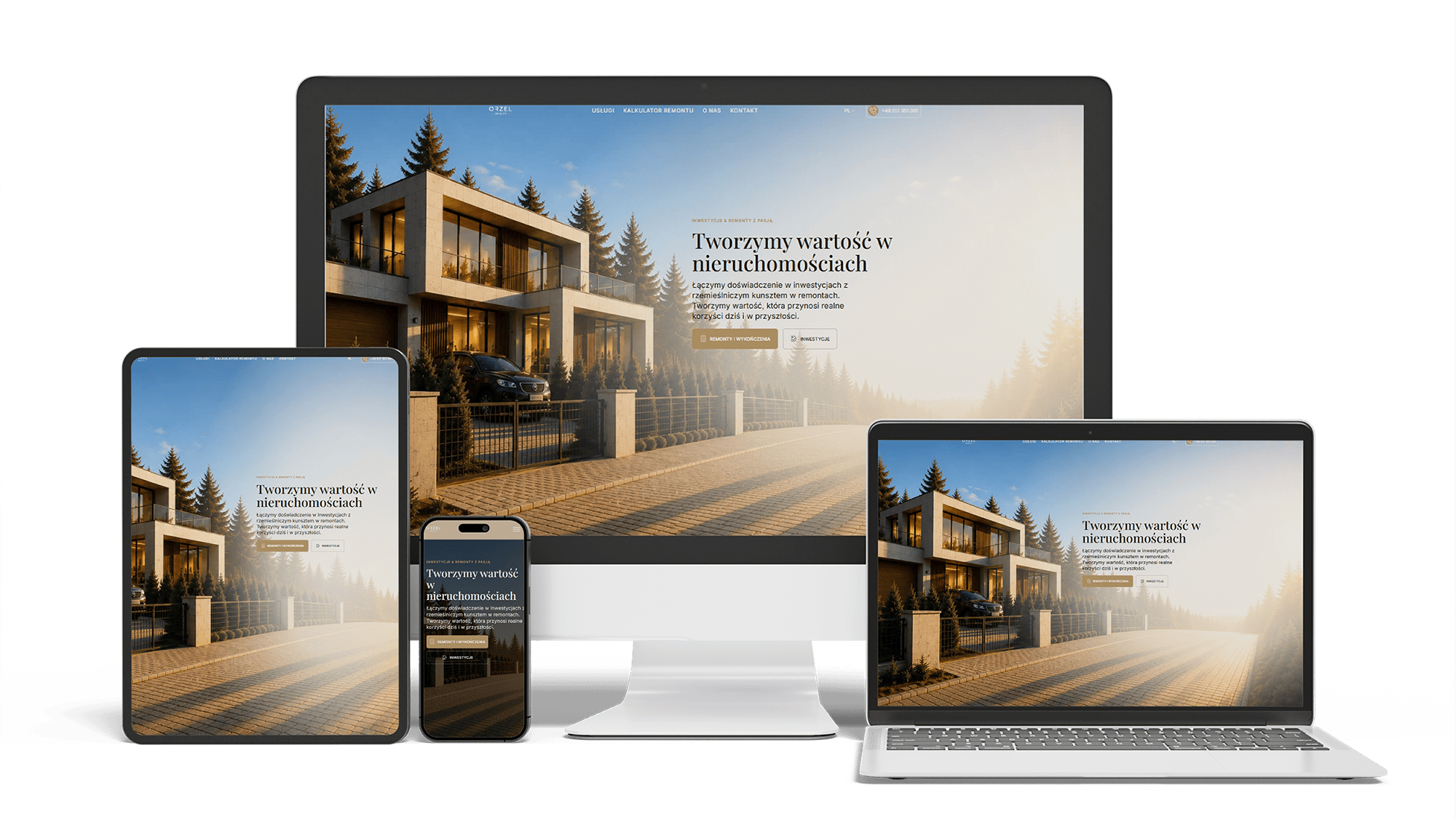
Renovation and investment website with a premium feel and 96/98/100/100 performance
96/98/100/100Design system2 languages
Full Multilingual Website Development & SEO for Student Services
+5,930 clicks in 6 months359k impressionsTeam edits it
Get a quote for your veterinary website design
I reply within one business day with a proposed first screen, an emergency page and a routine care page, and a fixed price.
I design veterinary websites for clinics and animal hospitals and build them myself, so design and build come from one person at one price. Veterinary website design is about what a pet owner sees and does in the first seconds — sometimes calmly booking a puppy’s first shots, sometimes holding a phone in one hand and a bleeding dog in the other. Every page is laid out so that each of those owners finds their action without reading what is meant for the other.
The same site is opened by two very different people. One has a pet that ate something toxic, was hit by a car or cannot breathe properly. This person scans for a phone number, whether you are open now and how to get there. The other wants a vaccination, a spay appointment or a dental check and is comparing clinics on the team, the prices and how the place looks.
The design keeps the two paths apart:
- the emergency path is one clearly marked button — “Emergency? Call now” — that leads to the phone, the address with directions and two or three things to do on the way
- if you do not see emergencies, or not at night, the same place says where to go instead and when you open
- the routine path is a calmer “Book an appointment” button that leads to booking, never to the emergency page
- the two buttons look different, so nobody has to think which one is theirs
Most owners open a clinic site on a phone. The first screen carries four things and nothing else:
- what you are and where: “Veterinary clinic for dogs, cats and exotics in [your town]”
- today’s opening hours and whether you are open now
- the emergency button and the booking button
- one real photo of your team or clinic
Sliders, slogans and welcome letters move further down or go. The call and booking buttons stay fixed at the bottom of the phone screen on every page, within reach of the thumb. On a desktop the phone number and hours sit in the top right of the header, where people look for them.
Veterinary website designs often lean on paw prints, cartoon animals and pastel colors. Warmth is right for a place people trust with a family member, but it must not get in the way of reading. The design aims for warm and clear at once:
- a calm palette with one strong color kept only for the emergency button
- body text at 16 pixels or larger, short headings and one idea per paragraph
- contrast between text and background that meets the WCAG accessibility guidelines, since many clients are older owners
- form fields with visible labels, large tap targets and alt text on every photo
- decoration kept to the edges: a paw icon in a corner does no harm, a paw pattern behind text does
Your logo and clinic colors carry the brand; the emergency color is chosen for visibility first.
A stock photo of a smiling model holding a golden retriever is recognized at once and says nothing about your clinic. Owners want to see the vets and nurses who will handle their animal, the waiting room, the consulting rooms and real patients. Those photos also help a nervous owner recognize the person who comes out to the waiting room.
Patient photos need the owner’s permission. A short consent line on the intake form, or a simple form at the desk, covers it; the pet’s name is shown only if the owner agrees. Surgery and injury photos stay off the public pages. Phone photos in daylight are enough; I give your team a short shot list: each vet and nurse, the building from the street, the rooms, and a few calm patients.
A rabbit owner and a cat owner look for different signs that a clinic is right for them. Species sections let each one go straight to their animal:
- a clear “Dogs · Cats · Exotics” choice near the top of the home page, as text, with simple icons
- a page for each species with the services you offer for it and the vet who leads that work
- for cats, a note on a separate waiting area or a calmer approach if you have one
- for exotics, the list of animals you really see — rabbits, birds, reptiles, small mammals — so owners do not need to call to ask
Most clinics use an online booking or client communication tool, such as PetDesk or Vetstoria, and many offer an online pharmacy or prescription food ordering through a partner. These help only if owners see them when they need them:
- booking as the second button in the fixed bar on phones and at the end of every routine care page
- never on the emergency page, where it would suggest that a poisoned dog can wait for a slot
- pharmacy and food ordering in the header menu and on the page for existing clients, not on the first screen for new ones
- each external tool styled to match the site as far as it allows, with a line saying where the owner is going
How the site is structured, connected to your practice-management and booking software, hosted and kept fast is covered on the veterinary clinic website page.
Cost is one of the main reasons owners delay a visit. A clinic does not need to publish its full fee schedule, but a page or a section that shows the exam fee, the price of a vaccination visit, a range for spay and neuter, and the monthly price of each wellness plan answers the first question before the phone rings. Where a price depends on weight or tests, say what it depends on. If an emergency exam has a separate fee, it belongs on the emergency page, stated calmly.
Lists of the best veterinary websites mix large hospital groups with single clinics. The decisions that make the good ones work fit any practice:
- one sentence on the first screen saying what the clinic is and where
- an emergency path and a booking path that never get mixed up
- real photos of the team and patients, and a page for each vet
- a page for each main service and each species
- hours, address and prices that can be read, not guessed
- a site that reads as easily on an older phone as on a new one
A veterinary website design template, free or paid, looks good in the demo: perfect photos of puppies, invented reviews, a neat services grid. Collections of pet clinic website templates show many of them. With a real clinic’s content the gaps appear — no separate emergency path, one page for all services, nothing for species, a contact form instead of booking. Free veterinary website design offers from builders work the same way: the design is free, the decisions are left to you.
A template is a fair start for a small new practice. A custom design is worth it when you see emergencies, treat several species, run more than one location or want new clients from search. Moving off a template later usually means designing from the beginning.
Veterinary website design companies range from vendors that bundle a website with their booking or communication product, to agencies that build vet sites from one template, to single designers and developers like me. Questions to ask any of them:
- Who owns the website, the domain and the content if we stop working together?
- Can we change the layout of the emergency and booking paths, or only the colors?
- Will the site use our photos and our vets, or the vendor’s stock library?
- Who updates opening hours and prices, and how fast?
My process: you send services, hours, species and photos; I design the first screen, an emergency page and a routine care page on a phone screen; we agree them; the rest of the site follows the same system and is built by me. If you already have a site and want a new design without losing your Google positions, the website redesign process keeps addresses and redirects in place.
More owners ask ChatGPT, Perplexity or Google’s AI Overviews to suggest a vet nearby or to say whether a symptom is urgent. Assistants work from text, not pictures. A design that keeps hours, species, prices and the vets’ credentials inside images hides them; the same facts set as real text, with structured data for the clinic, its services and its vets, can be read and repeated.
Getting into those answers is ongoing work, described on the AI SEO and GEO optimization page. Being found in Google search and on the map is covered on the veterinary SEO page.
Design is part of building the site, and the price covers both.
- A simple veterinary clinic website: 700–1,400 €.
- A veterinary website with emergency, routine care and species pages, online booking, pricing and local search optimization: from 2,000 €.
Send a short description of the clinic, the species you treat and whether you see emergencies, and I will prepare a fixed quote. Clinics that treat people will find their version on the medical website design page; full price ranges are on the pricing page.
Veterinary website design: frequently asked questions
Order veterinary website design: what to send me
Send the clinic name, a link to your current website or Google profile, your hours, whether you see emergencies, the species you treat and the services you want to show first. A few photos of your team and clinic help me show you a first screen that looks like your practice. If you use PetDesk, Vetstoria or another booking tool, say which. I will reply with a proposed layout and a fixed price. Use the form above or write on WhatsApp.
