


Speech therapist website design: pages by the child's age, bilingual families, and the licence question answered before the booking
Websites for speech and language therapy practices: pages written in the parent's words rather than in clinical terms, a page for bilingual and expat families, your credential and jurisdictions stated plainly, and a clear line around what works online. Design included, from €2,000.
- Speech and language therapy
- From €2,000
- Named by ChatGPT and AI search
What a speech therapy website build covers
- Pages in the parent's words«Not talking at two», not «expressive delay»
- A page for bilingual familiesThe question almost nobody answers
- Credential and jurisdictions statedWhere you may treat, said once and clearly
- School reports, and whether you write themParents search for the document
- What works online and what does notA line drawn, not a promise
- Named in ChatGPT and AI answersProblems and session prices to quote
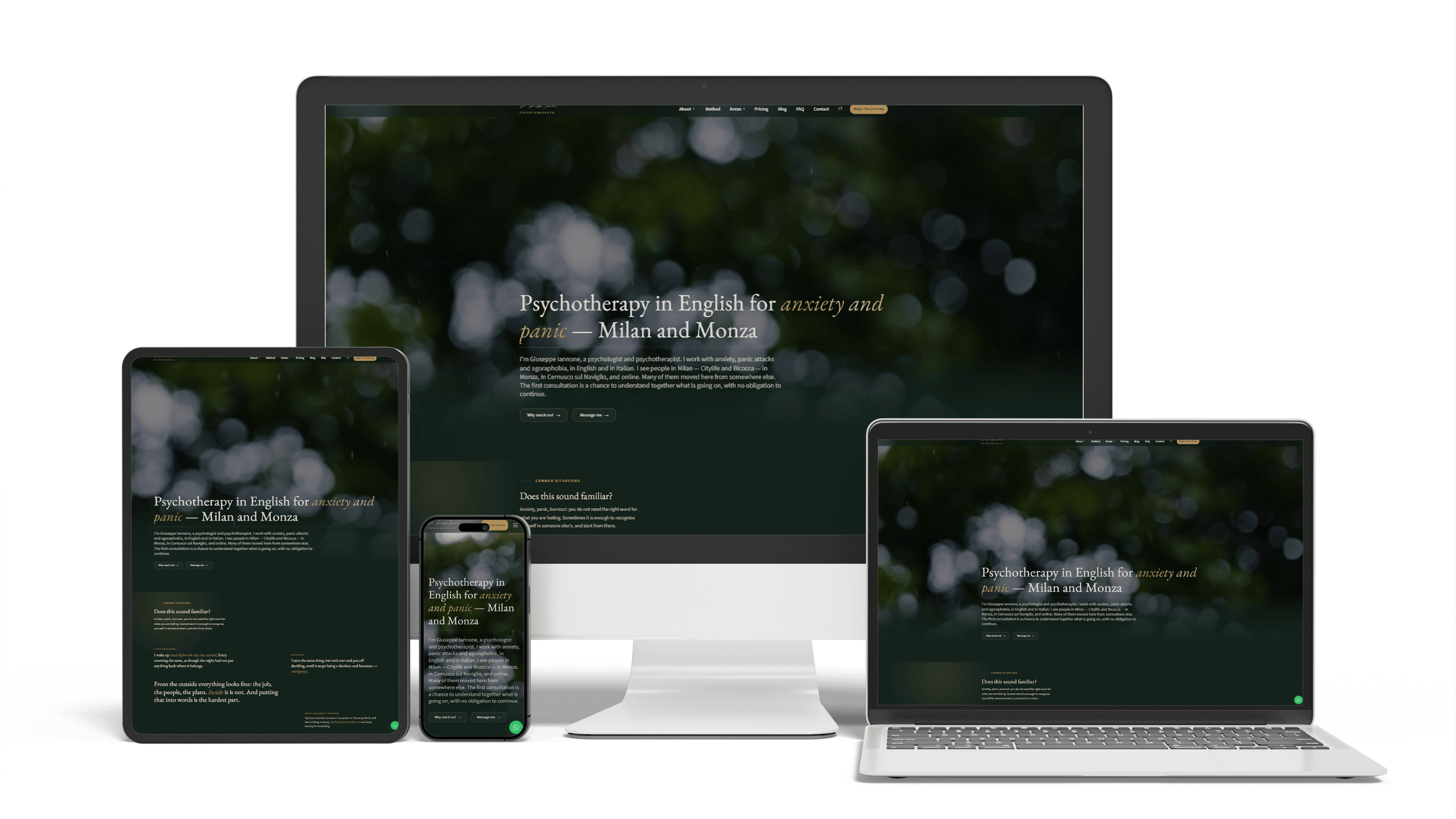
Bilingual psychotherapist website in Italy
468 of 468 posts moved2 languagesSeen in ChatGPT answers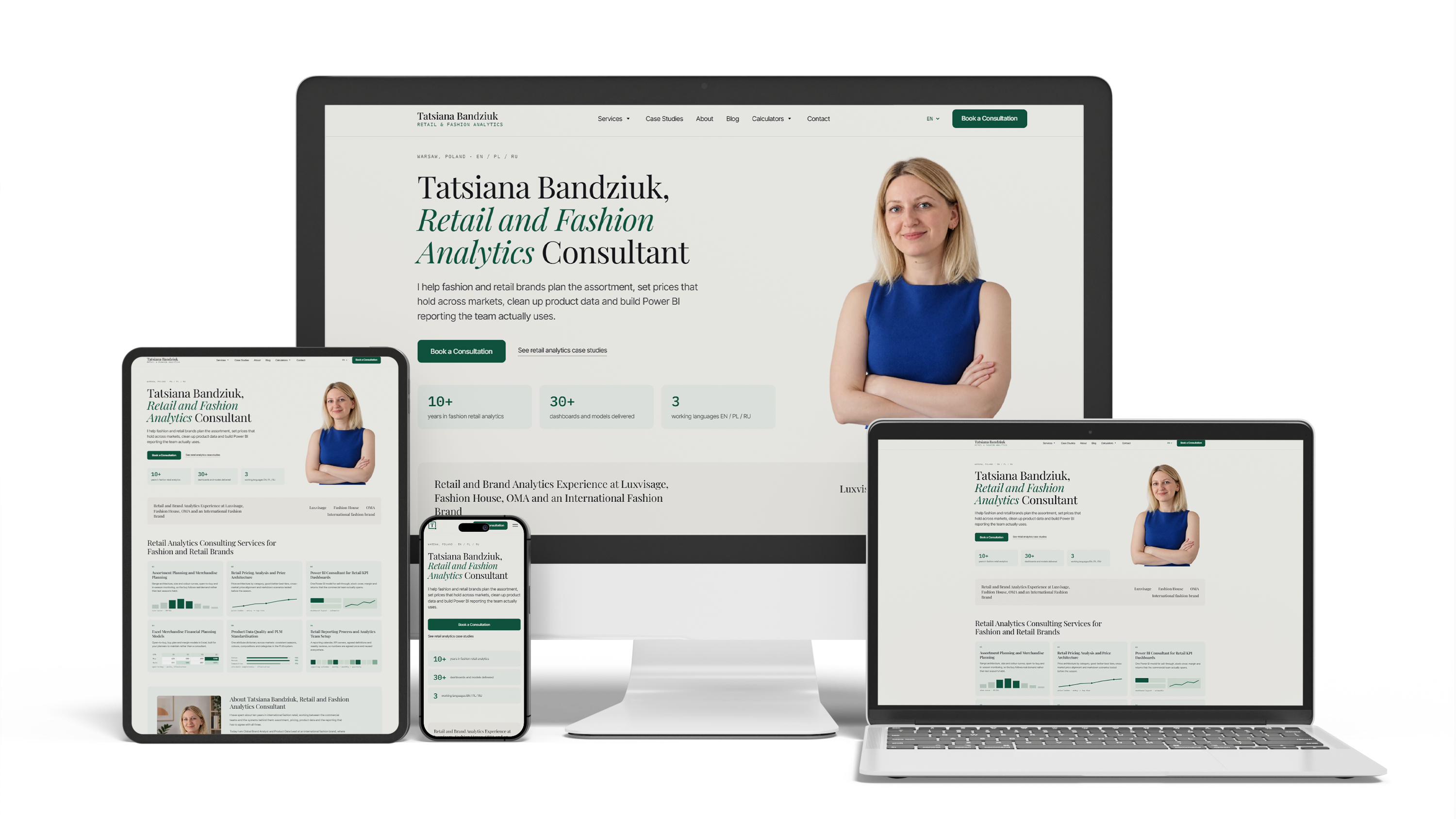
A consultant website for a retail analytics expert
100/100/100/100153 pages3 languages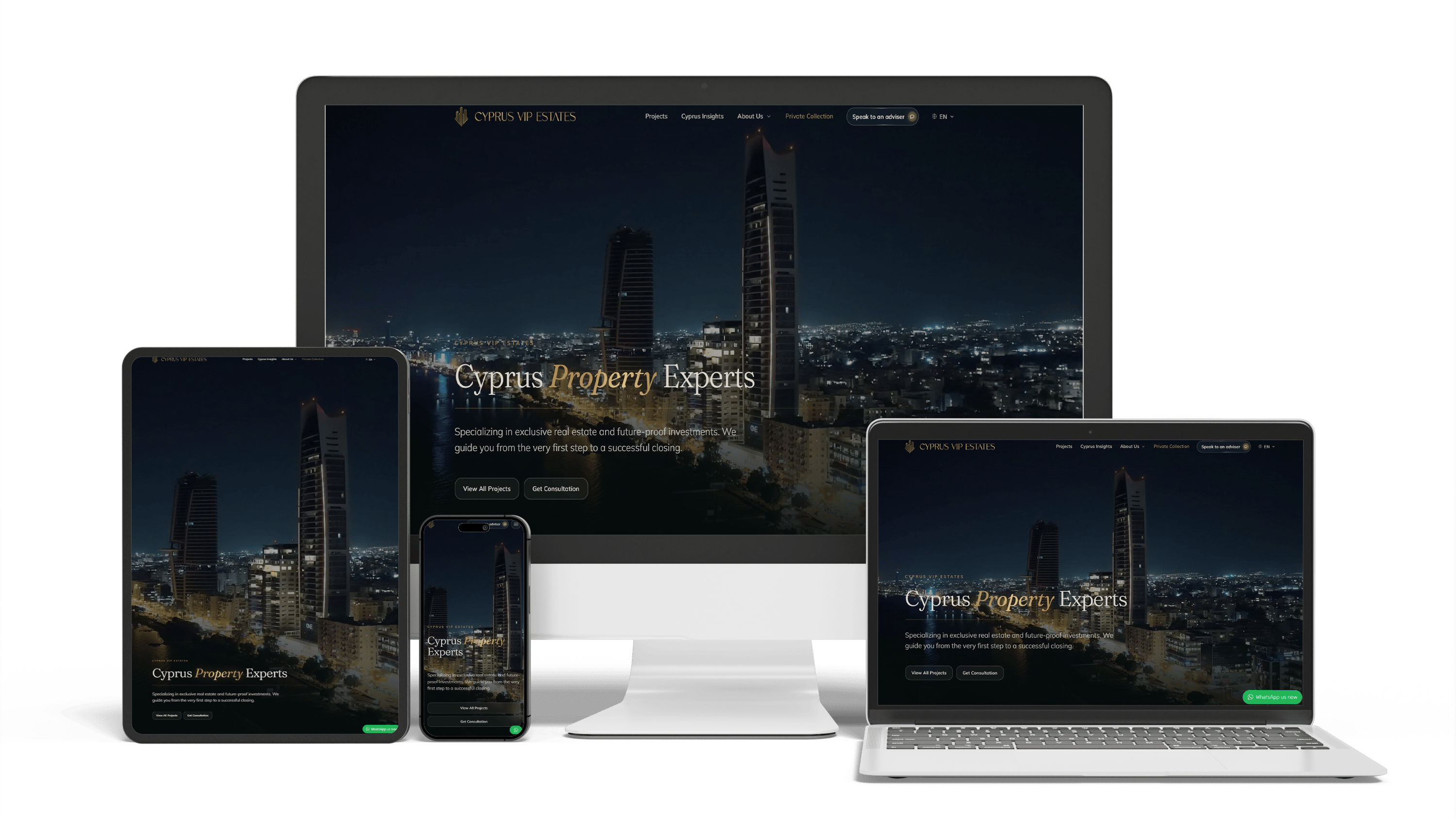
Multilingual real estate platform in Cyprus: SEO and GEO without bought links
16× faster editingTraffic from ChatGPTLeads via WhatsApp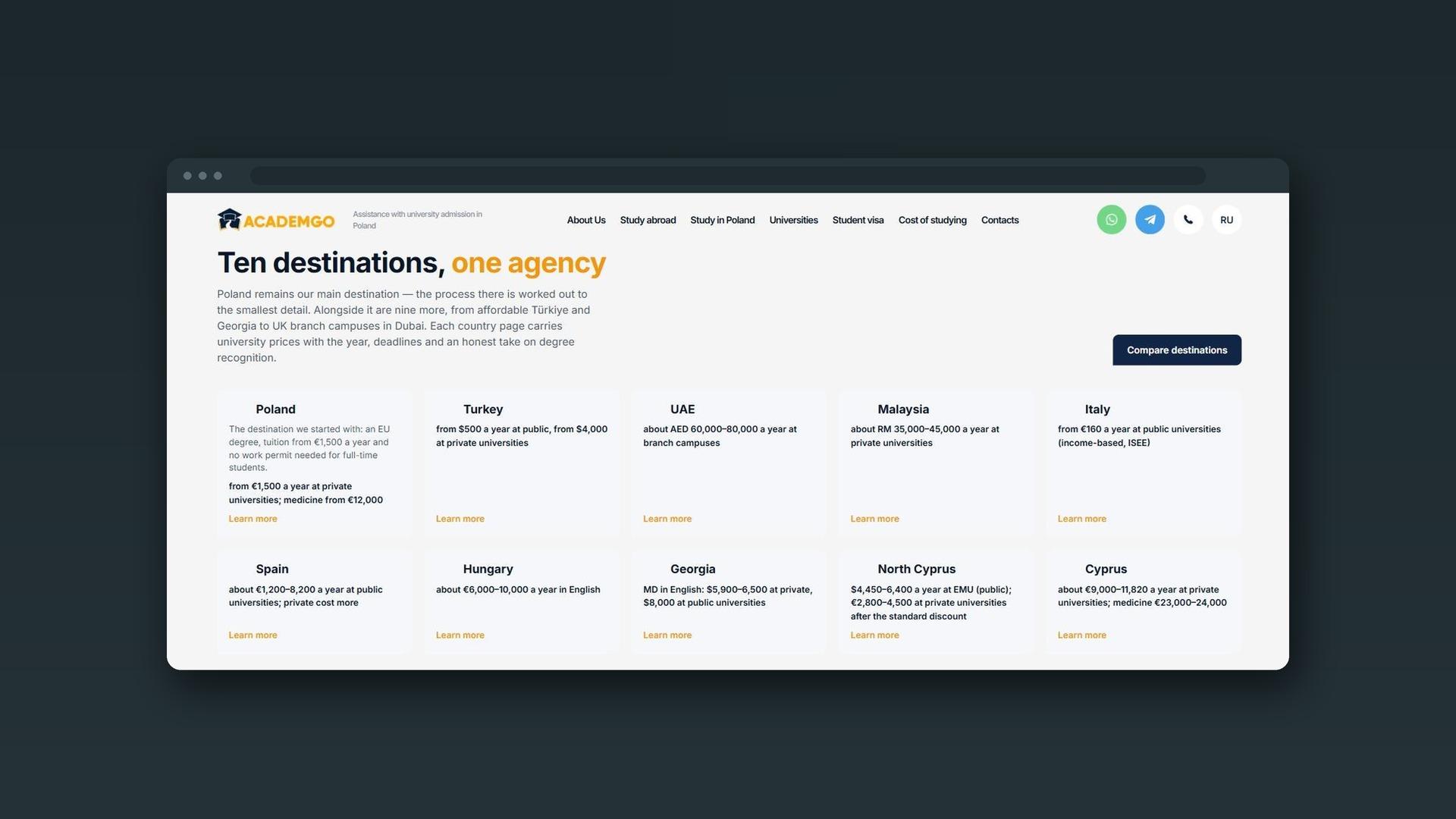
SEO case study: an education agency site, one country to ten
1 → 10 countries180 new pagesPerformance 61 → 91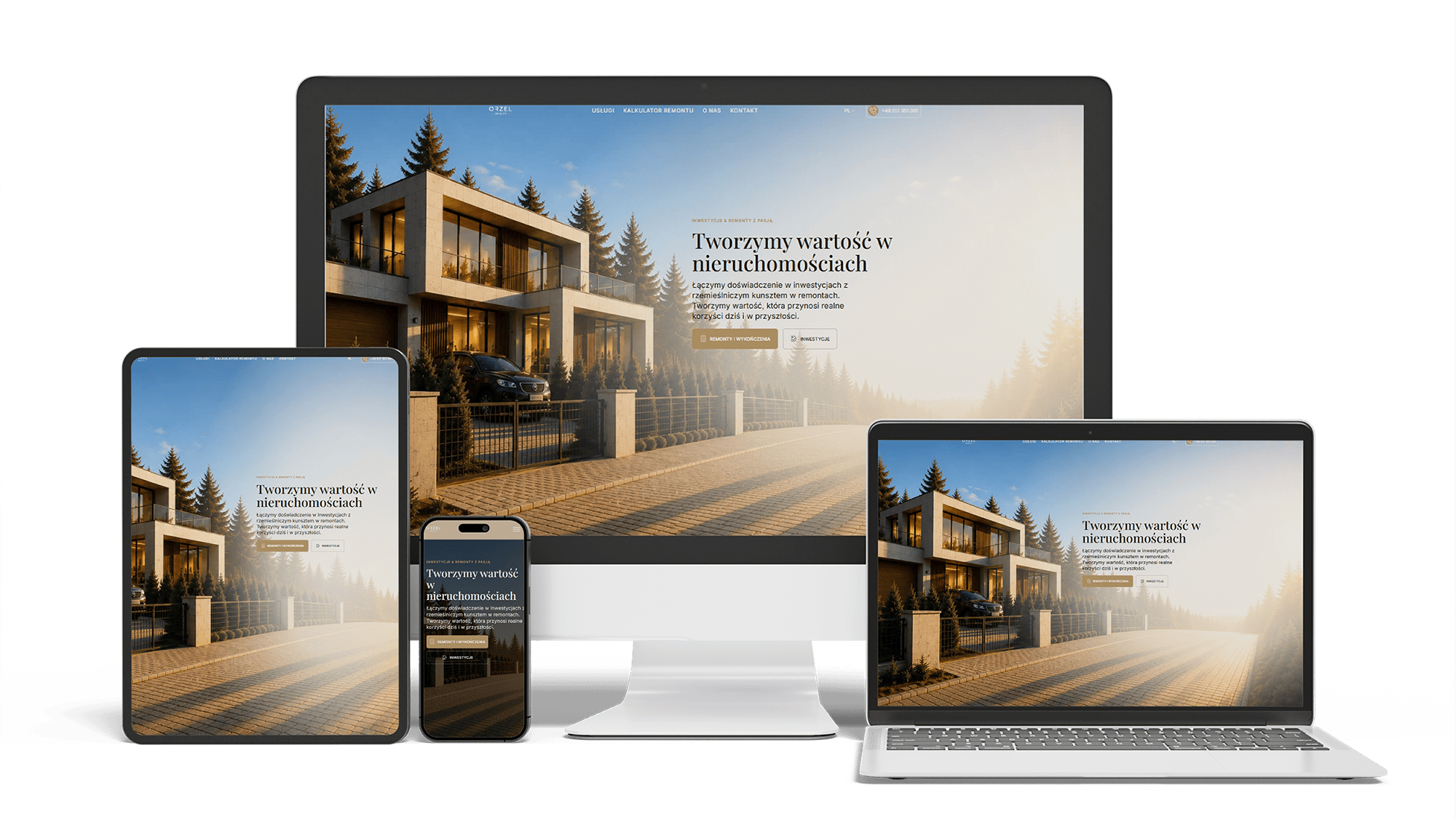
Renovation and investment website with a premium feel and 96/98/100/100 performance
96/98/100/100Design system2 languages
I build websites for speech therapy practices: pages per problem, session length and prices in text, booking, and a structure assistants can read.
I design and build websites for speech and language therapy practices, and design comes with the build rather than on a separate invoice. The biggest problem with almost every speech therapy site is not the design: the therapist writes «expressive language delay», «articulation disorder», «childhood-onset fluency disorder», and the parent types «two year old not talking», «can't say r», «stutters», «hard to understand». Those are two different languages, and a site written in the first never meets the person searching in the second.
So the structure is built out of the parent's phrasing, with the clinical term standing next to it in the same paragraph: the page gets found on the live query and stays professionally correct. There is a second gain. A parent who hears «articulation disorder» for the first time from a paediatrician lands on a page where that term is explained in their own words, and stays.
For a solo therapist with no premises a landing page at €700–1,400 is usually the right size rather than a full site, and I will say so once I see what you have. If you are a psychologist or psychotherapist, the page you want is therapist website design.
Parents do not search for a method, they search for their own situation, and a situation always has an age. Two and silent, three and syllables instead of words, five and «r», six and getting ready for school, second grade and spelling that does not match the reading — five different texts and five different booking decisions, behind which stands one therapist.
- the age in the page heading, because that is the first thing a parent checks against their own child;
- the concern in their words, with the clinical name in the first paragraph rather than instead of it;
- what the evaluation will actually involve for that concern, and the span of time usually discussed;
- when this is not a speech therapist at all but an audiologist, a neurologist or an orthodontist — that directness brings more enquiries than it loses.
In families living outside the country of their language this is the main question and the main fear: whether the second language is holding the child back, whether mixing words is normal, whether that is why they spoke later. Parents look for the answer in their own language, find general articles, and do not find a therapist who works with exactly this.
A page for bilingual families closes a query the competition leaves open: what is expected in bilingual development and what genuinely needs attention; which language the evaluation runs in and why both have to be assessed; how sessions work when home is one language and school is another. For a practice serving expat families it is usually the most visited page on the site after the home page.
Speech and language therapy is a licensed profession, and teletherapy sells across lines that licences do not cross. A family three states away or in another country can book a session you are not permitted to deliver, and both sides discover it late. The site solves this in one short block: the credential you hold and the body behind it, the states or countries where you are licensed, whether you hold a privilege under an interstate compact if you use one, and what you can offer a family outside those borders — parent coaching, a consultation, or a referral.
That block looks like administration and works like sales: it is the difference between a parent who books and a parent who keeps looking because they could not tell whether you are allowed to treat them.
Some parents are not looking for sessions at all, they are looking for a document: a report their school or nursery needs, something to bring to a review meeting or an assessment. They search for it by name and land on sites that say nothing about it, so they start phoning down the list. One sentence saying whether you provide a written evaluation report, after how many appointments and at what cost removes half those calls and brings bookings that otherwise would not exist.
Parents ask this in their first message, and an evasive answer costs the booking. You cannot give a number and you cannot promise a date, but you can describe how it works: the evaluation takes this long, after it you give a range and a frequency, after a few weeks you look at what changed and the range narrows.
The same place carries the sentence about practice at home — ten to fifteen minutes a day from the parent. Placed before the booking rather than after, it works as a filter: the families expecting the therapist to fix it alone go elsewhere, and the ones who will see progress stay. Next to it goes the price of the evaluation and of a session, because the parent is working out a monthly figure either way.
Teletherapy made practices international, which is exactly why the site needs a line. Some work goes well over video: carryover of a sound, vocabulary and grammar, reading and writing, sessions with teenagers and adults. Some needs presence or at least caveats: eliciting certain sounds, where you have to see the articulators closely; a small child who will not hold attention at a screen; myofunctional work.
A site that separates the two gets enquiries from other countries and does not get cancellations and refunds. The same block carries the technical ask: a computer rather than a phone, and an adult sitting with the child for the first sessions.
Aphasia and dysarthria in adults are a different service, a different urgency and a different buyer: usually it is not the person searching but their adult children, in the first weeks after the event, when starting quickly matters. They need to know whether you take these patients, whether you work at home or at the practice, what the first session involves and how it fits the rehabilitation a doctor has already prescribed.
That is its own page, not a paragraph among the children's ones: mixed together, it loses the parents and the family both.
A practice website starts at €2,000 with design included. A landing page for a solo therapist is €700–1,400 and for a private practice with no premises that is usually the right size. A redesign that keeps rankings starts at €1,000. A landing page takes two to three weeks, a full site four to six. The number of age and concern pages, the number of languages and whether you run a teletherapy arm move both the price and the schedule. The figures are on the pricing page.
A quote for your speech therapy website
I answer within one working day: what I would build, in which languages, and what it costs.
A speech therapy website that AI assistants can read (GEO, AEO)
Parents now ask ChatGPT, Perplexity or Gemini before they open a search box: a speech therapist who works with bilingual children, one who offers teletherapy, one who takes three-year-olds, one who is licensed where they live. The assistant answers from text it can read, and a practice whose services sit in one general paragraph, whose prices live in an image and whose age range is never written down does not appear in that answer at all.
What makes a practice quotable is the same thing that makes it clear to a parent: ages and concerns as text, languages and licensed jurisdictions as data, the evaluation and session price on the page, the boundary of online work stated plainly. Bringing an existing site to that state is AI search readiness.
Speech therapist website design: frequently asked questions
Ordering a speech therapy website: what to send me
Tell me whether you work alone or as a practice, which ages and concerns you take, whether you work with bilingual children and with adults after a stroke, whether you write evaluation reports for schools, where you are licensed, whether you offer teletherapy, what the evaluation and a session cost and which languages you work in. Send the current website link if there is one. I answer within one working day with what I would build and what it costs.
