


SEO for Interior Designers and Design Studios
I provide SEO for interior designers and small design studios: your name at the top after a referral, local searches by city and neighborhood, project pages that rank in Google and image search, press and partner links, and a place in AI answers, measured in project inquiries rather than visits.
- City, project and e-design searches
- Audit from 250 €
- Reply within one business day
What you get with SEO for interior designers
- The searches clients make before hiringCity, room, style, service model and your name
- Google Business Profile and area pagesStudio address or service area, set up right
- Project pages that rankTitles, alt text and captions written per project
- Houzz, Pinterest and press as sourcesProfiles and features that point to your pages
- Named in ChatGPT and AI OverviewsFacts and projects an assistant can repeat
- Reports in project inquiriesEach inquiry with the page that brought it
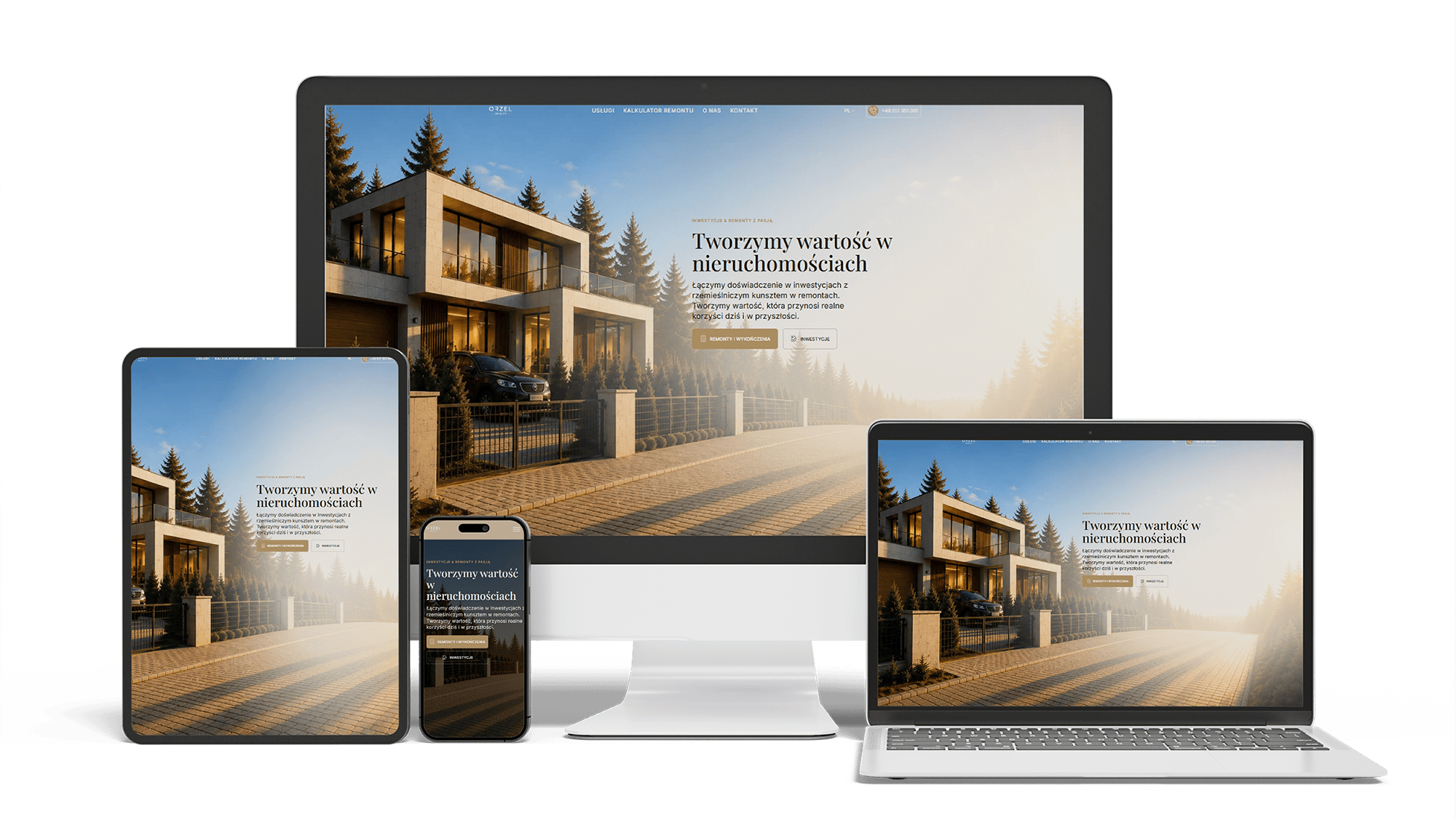
Renovation and investment website with a premium feel and 96/98/100/100 performance
96/98/100/100Design system2 languages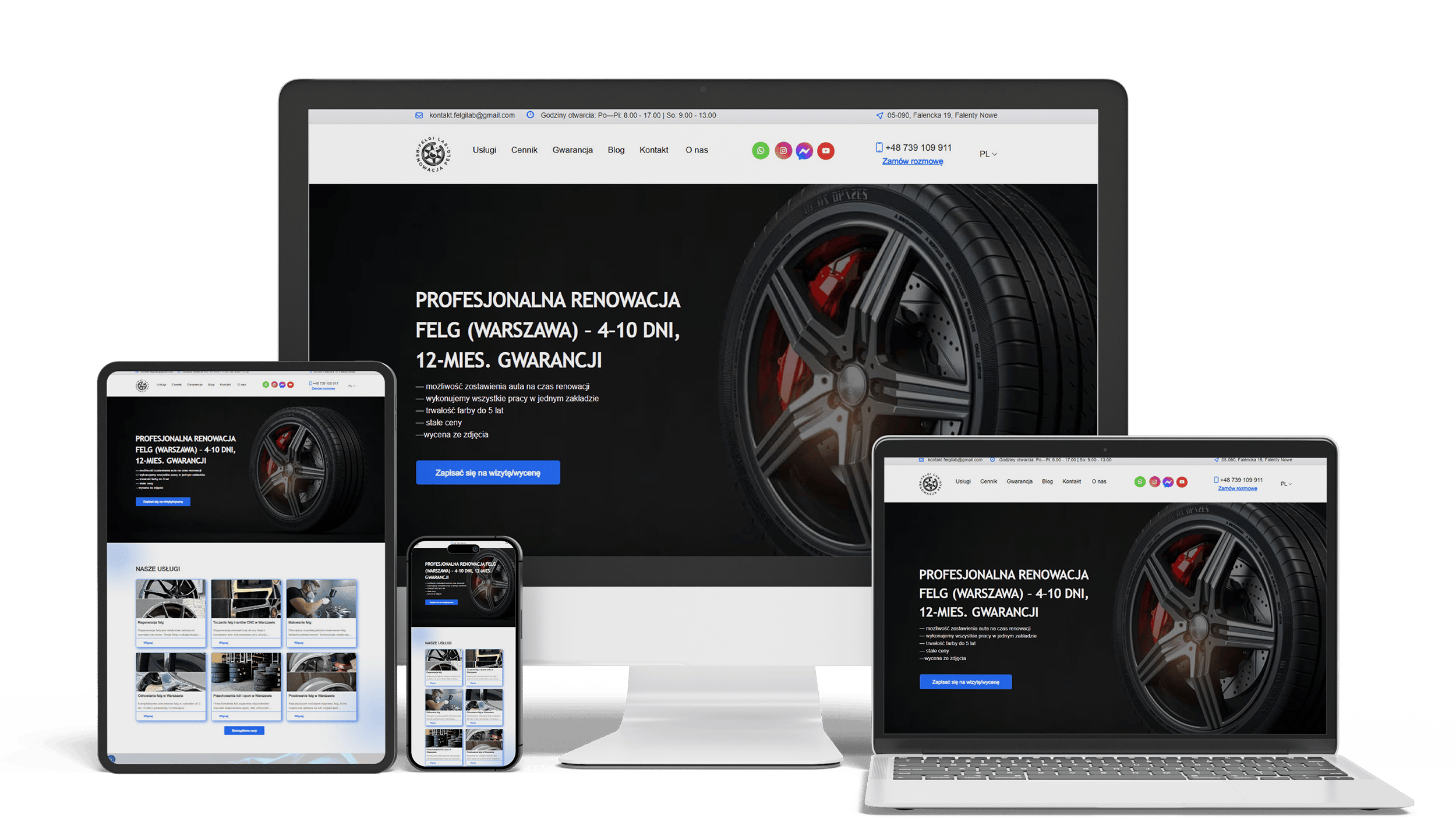
Auto Repair SEO & UX Boost
Performance 90++10% organic trafficLeads from forms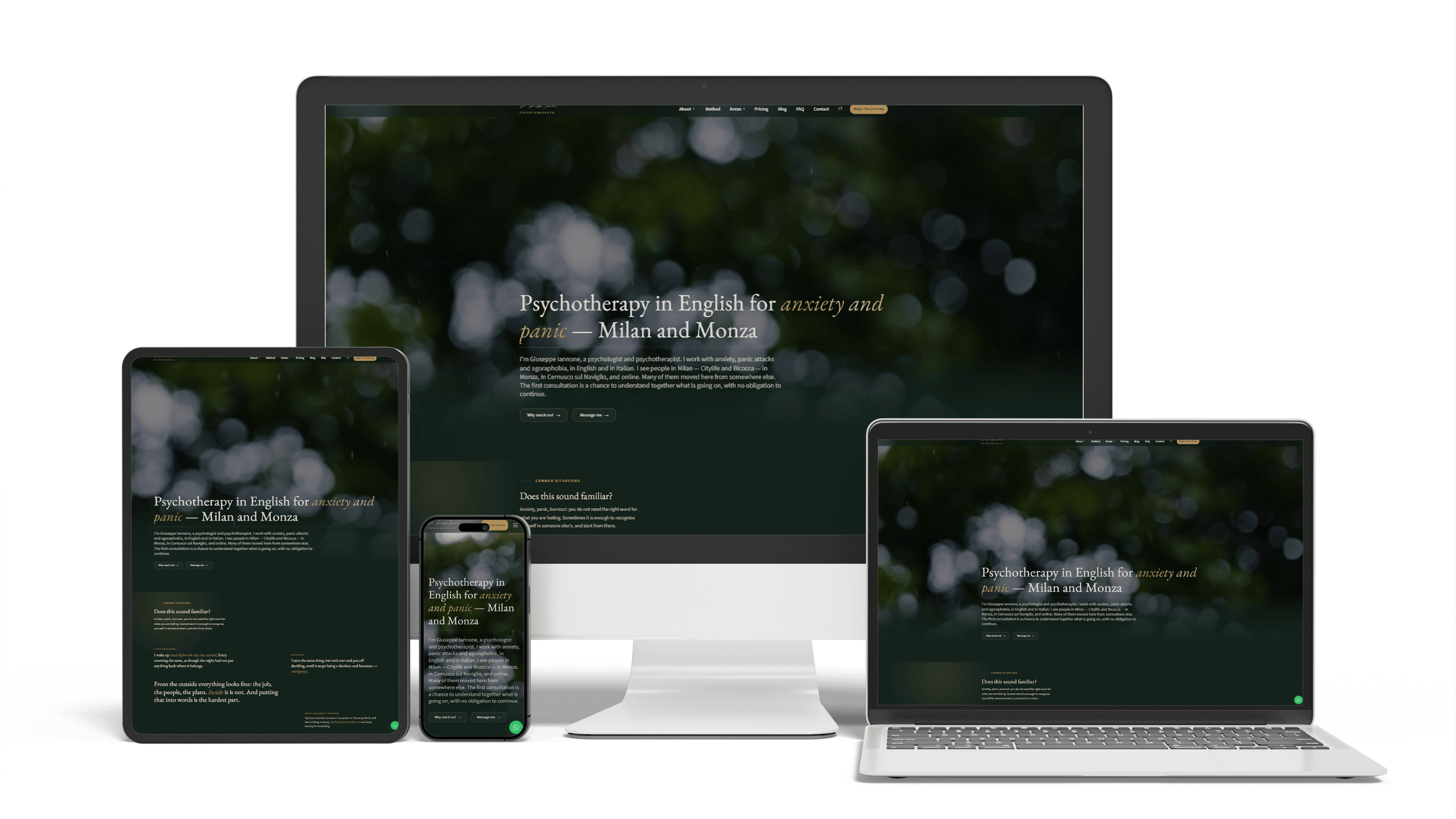
Bilingual psychotherapist website in Italy
468 of 468 posts moved2 languagesSeen in ChatGPT answers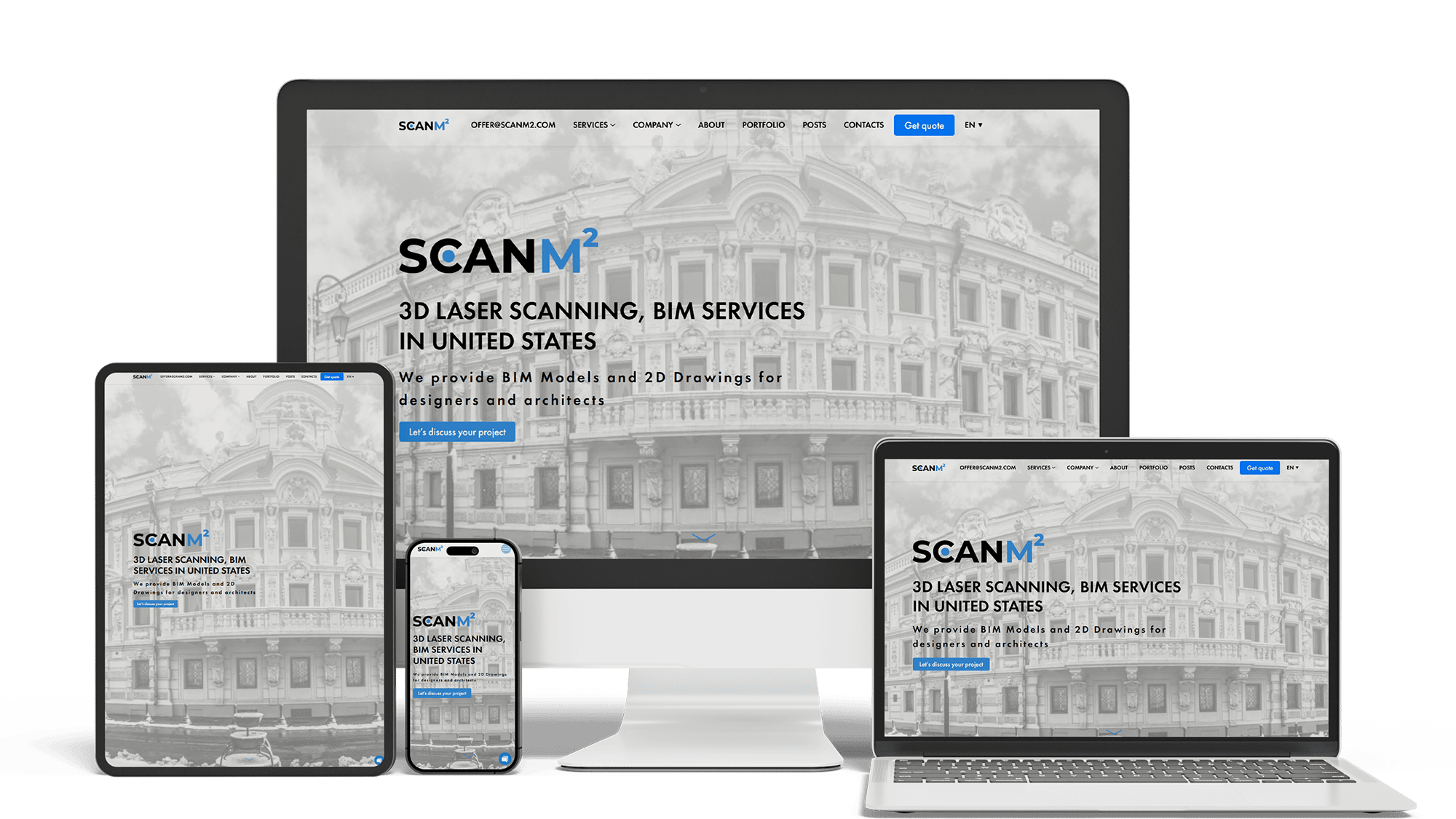
Architecture Website Rebuild and SEO
29× organic trafficLoads in under 1 sTop 3 in Poland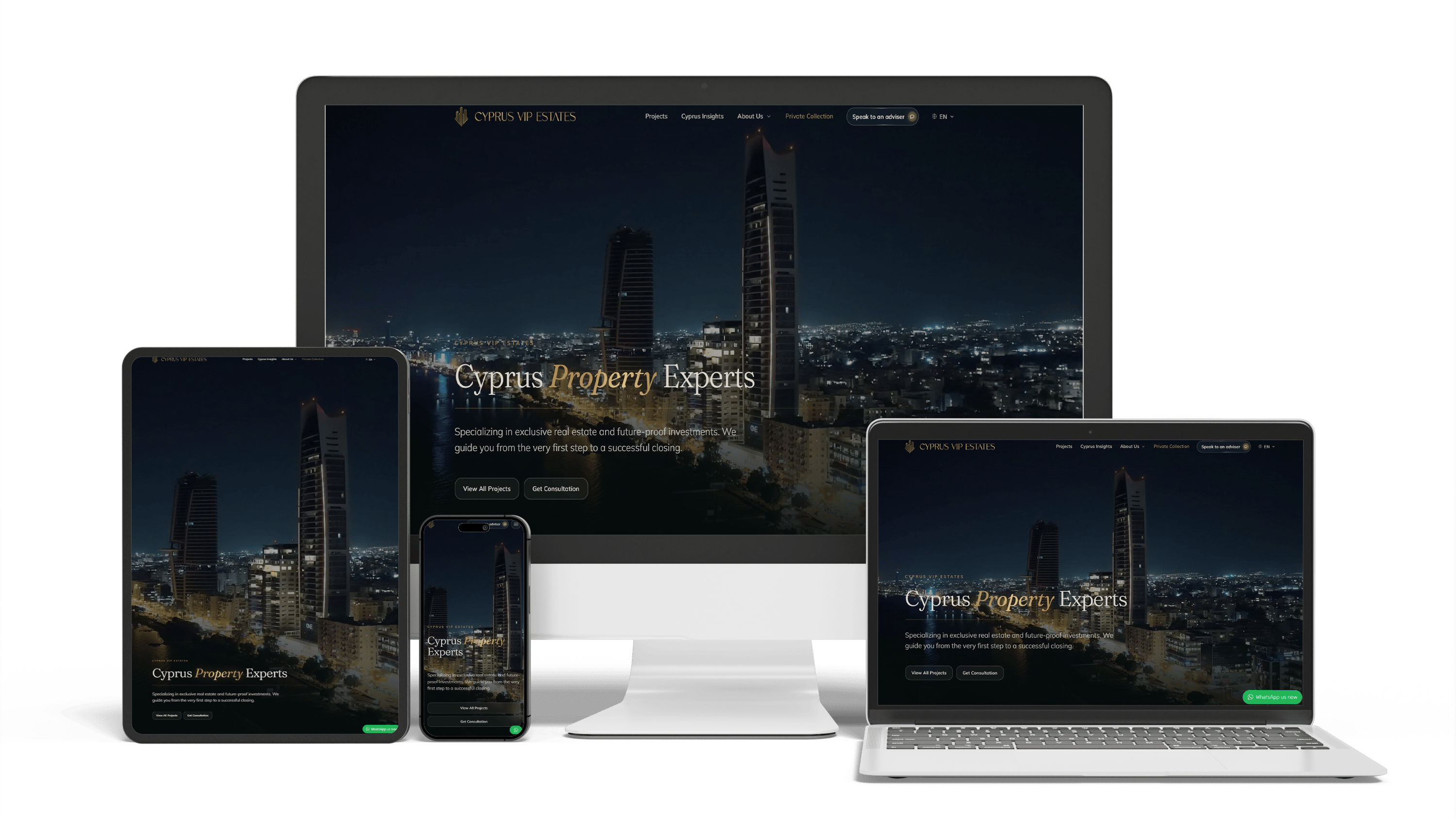
Multilingual real estate platform in Cyprus: SEO and GEO without bought links
16× faster editingTraffic from ChatGPTLeads via WhatsApp
Get a quote for SEO for your interior design studio
Within one business day you get my first three fixes — Google profile, area pages or project pages — and a fixed price.
SEO for interior designers is the work that gets a design studio found when homeowners search for a designer in their city, for the project they are planning or for your name after a referral, and turns those visits into project inquiries. I do it myself, as an SEO consultant who also builds websites, for solo designers and studios of a few people, so the person who finds a problem on your site is the person who fixes it.
Most design clients still come by referral, and even a referred client types your name into Google before writing to you. The rest search by place, by room or by service. SEO for a design studio covers four places where those searches lead:
- your website: service pages, area pages, project pages and articles
- your Google Business Profile and the map results for “interior designer near me”
- your profiles on Houzz, Instagram and Pinterest, and articles about you in the press
- answers in ChatGPT, Perplexity and Google AI Overviews
Layout, portfolio design and the inquiry form are covered on the interior designer website design page; this one is about being found.
Keyword research for a studio starts with how clients describe their project, not how designers describe their work. The searches that end in paid projects usually fall into five groups:
- place: “interior designer Scottsdale”, “interior design firm Upper West Side”, “interior decorator near me”
- room or project: “kitchen remodel designer”, “primary bathroom design service”, “new build interior design”
- style: “modern organic interior designer”, “Japandi interior design studio” — only where a style is what you are known for
- service model: “full-service interior design”, “e-design services”, “interior design consultation cost”
- your name and studio name, including the ways people misspell them
Volumes for most of these are small, often a few dozen searches a month per city, and that is fine for a business that needs a dozen good projects a year. A page ranking for “kitchen designer [town]” does not need thousands of visitors; it needs the three people about to spend on a kitchen.
For most studios the map results bring more inquiries than any blog post. Google treats an interior designer as a local business: a studio that receives clients shows its address, while a designer who works from home and visits clients sets up a service-area profile with the address hidden. What counts:
- the primary category “Interior designer”, with extra categories only for services you really sell
- the studio name as it appears on your invoices, with no city or service words added
- photos of finished projects added through the year, each with the town in the description
- a review request when a project is installed, and a reply to every review
On the website, one page for each city or area where you take on-site projects — written from the homes you have done there, the local housing and what clients there usually ask for — supports the profile. Five area pages with real projects behind them outrank fifty copies with the town name swapped. Map rankings and reviews in more depth are on the local SEO services page.
A portfolio grid of untitled images gives a search engine almost nothing to work with. Each project becomes a page aimed at one search:
- a title naming the work and the place, such as “Kitchen and dining room renovation in a 1920s Tudor, Evanston”
- image file names and alt text that describe each room, written per image instead of copied
- a few hundred words on the brief and the choices, linked to the matching service and area pages
- photos compressed so the page passes Core Web Vitals on a phone
Google Images and Pinterest send people to interiors long after a shoot, and a well-described photo can bring a client to the project page years later.
Platforms are part of interior designer SEO, not a replacement for it. A Houzz profile often ranks for a studio’s name and is read by AI assistants; Pinterest pins lead people to images; Instagram is where many clients first see you, though its posts seldom show in Google results. How I set them up:
- the same studio name, address or area, phone and website on every profile
- Houzz projects and Pinterest pins linking to the matching project page on your site, not only the home page
- reviews gathered on Google first, then on Houzz
- paid Houzz Pro placements judged by the inquiries they bring, next to the inquiries your own pages bring
Links from other sites still tell Google which studios deserve a place. Interior designers have link sources most local businesses lack:
- publications that featured your projects — ask for a link to the project page, not only a credit line
- architects, builders, contractors and photographers you work with, who can credit you on their own project pages
- showrooms and vendors with “designers we work with” pages
- show houses, design awards and local home tours
Bought links and directory packages carry the risk; links earned from people you actually worked with carry the value.
E-design is the one service where an interior designer competes beyond the city. There is no map pack here, and the competition is national e-design companies and designers from everywhere. What ranks is a clear page for each package, answers to what buyers ask before paying — what they receive, how many revisions, how to measure a room — and finished e-design rooms with the clients’ own photos where they agree. E-design pages stay separate from local service pages, so each targets its own searches and neither weakens the other.
More homeowners put the question straight to ChatGPT, Perplexity or Google’s AI Overviews: “good interior designers in Raleigh for a mid-century house”, “how much does an interior designer charge per hour” or “is e-design worth it”. The assistant names a few studios and says why. This is what people call generative engine optimization (GEO) or answer engine optimization (AEO), and for a design studio it comes down to:
- city, service area, project types, style and fee model written as plain sentences on the site
- project pages and articles that answer client questions directly, with the designer named as author
- the same facts on Google, Houzz and in press features, and a steady flow of new reviews
- LocalBusiness and Person structured data tied to those profiles
Before the work and after it, I check how assistants describe your studio and which designers they name instead. More on the AI SEO and GEO optimization page.
Traffic is easy to grow with articles nobody hires from. My report counts what a studio lives on: project inquiries from search with the page they came from, the project type and the budget range chosen on the form; calls and website clicks from the Google Business Profile; and rankings for the searches you care about, shown next to those numbers. If inquiries land in Studio Designer, Houzz Pro or a CRM, the source travels with them.
Agencies that target interior designers often sell a bundle of blog posts and social media. Before signing with anyone, ask who writes the project and area pages, whether reports show inquiries, and whether the content and accounts stay yours if you leave. I do the audit, the pages, the code changes and the reports myself; the general approach is on the SEO optimization and strategy page. Studios with their own renovation crews also compete with general contractors, which the SEO for contractors page covers.
- SEO audit — website, Google Business Profile, Houzz and other profiles, project pages and AI answers: from 250 €, one-off.
- One-off work — area and service pages, project page rewrites, structured data, inquiry tracking: 250–700 €.
- Monthly SEO for an interior design studio — new project and area pages, articles, links from partners and press, reviews, AI visibility and reports: from 800 € per month.
A solo designer in a smaller city usually needs the audit and five or six well-written pages more than a monthly retainer. The audit is described on the SEO audit page, and all prices are on the pricing page.
SEO for interior designers: frequently asked questions
Order SEO for interior designers: what to send me
Send your website, links to your Google Business Profile and Houzz, the towns where you work in person, the kind of projects you want more of, whether you sell e-design, and where inquiries arrive today. My reply lists what to fix first and a fixed price. Use the form above or write on WhatsApp.
