


SEO for Realtors and Real Estate Agents
I provide SEO for realtors and real estate agents: your name at the top when referrals look you up, neighborhood pages and market reports that bring buyers and sellers, reviews on Google and Zillow, Fair Housing-safe wording and a place in AI answers, reported in valuation requests and calls.
- Name, neighborhood and seller searches
- Audit from 250 €
- Reply within one business day
What you get with SEO for real estate agents
- Your name at the top of GoogleBio page, profiles and brokerage roster that agree
- Neighborhood and community pagesWritten from your sales, with your photos and video
- Hyperlocal market reportsMonthly numbers homeowners search for before selling
- Fair Housing and brokerage rulesDescribe places, not people; brokerage name shown
- Named in ChatGPT and AI OverviewsFacts and reviews assistants can repeat
- Reports in valuations and callsEvery lead in your CRM with the page it came from
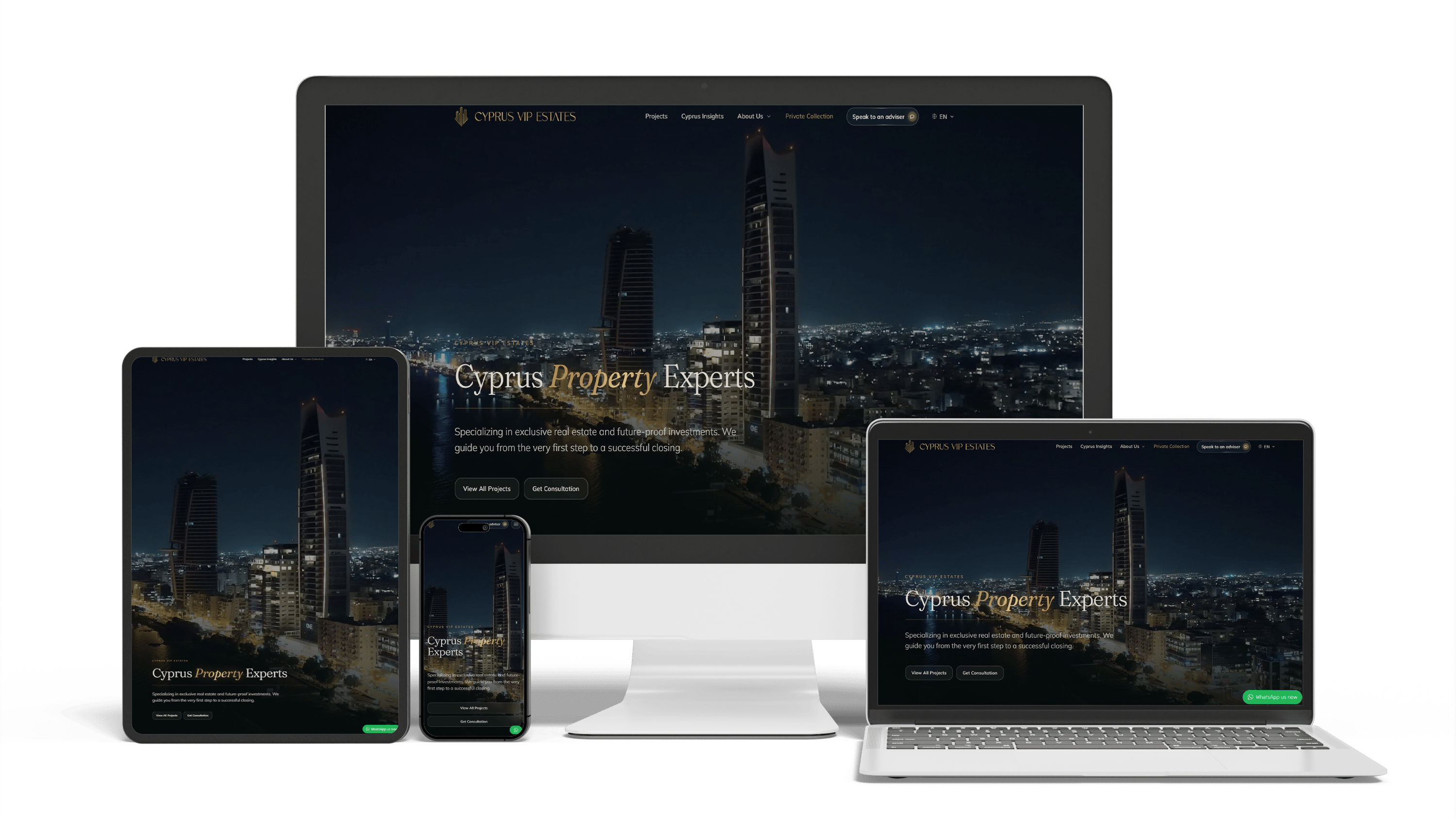
Multilingual real estate platform in Cyprus: SEO and GEO without bought links
16× faster editingTraffic from ChatGPTLeads via WhatsApp
Renovation and investment website with a premium feel and 96/98/100/100 performance
96/98/100/100Design system2 languages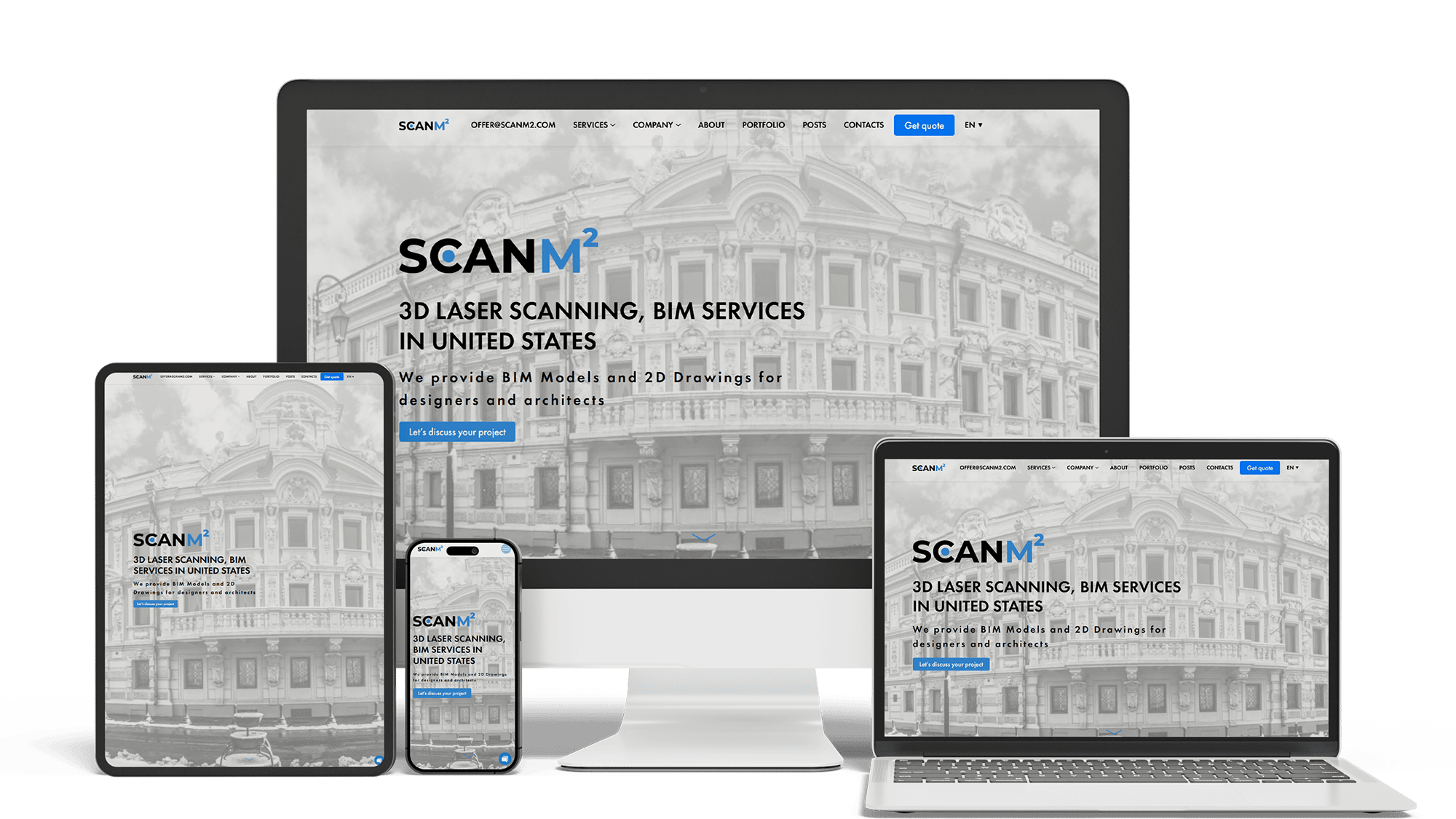
Architecture Website Rebuild and SEO
29× organic trafficLoads in under 1 sTop 3 in Poland
Full Multilingual Website Development & SEO for Student Services
+5,930 clicks in 6 months359k impressionsTeam edits it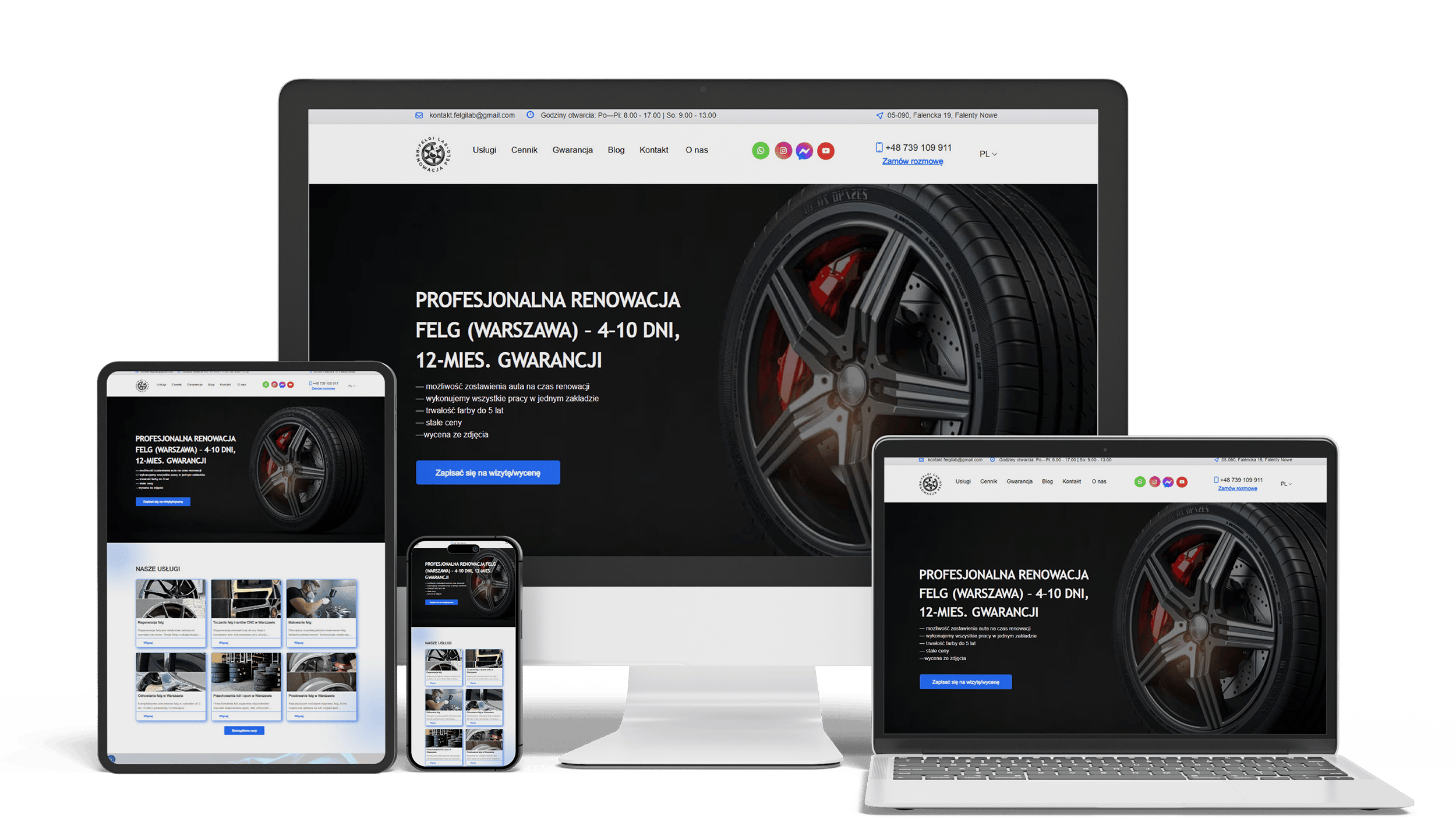
Auto Repair SEO & UX Boost
Performance 90++10% organic trafficLeads from forms
Get a quote for SEO for your real estate business
I reply within one business day with what I would fix first — name searches, neighborhood pages or your profile — and a fixed price.
SEO for realtors is the work that makes a real estate agent show up when people in your market search for your name, your neighborhoods or how to sell their home, and turns those visits into buyer and seller conversations in your CRM. I do it myself, as a single SEO consultant who also builds websites, for individual agents and small teams, so the person who reviews your site is the person who writes the neighborhood pages and changes the code.
Most of an agent’s business comes from people who already know them or were referred, and most of those people still type the agent’s name into Google before they call. The rest search for a place or a decision: “realtor in Brookside Kansas City”, “best time to sell a house in Raleigh”, “condos near Lake Merritt”. Real estate agent SEO works on the four places where those searches end:
- your own website: bio page, neighborhood pages, market reports, valuation and contact forms
- your Google Business Profile and the map results for “realtor near me”
- your profiles and reviews on Zillow, Realtor.com and your brokerage’s site
- answers in ChatGPT, Perplexity and Google AI Overviews
This page is for individual agents and teams. Brokerages that run a full listings catalog and developers selling a project have different problems, described on the SEO for real estate and real estate agency website pages.
When a past client recommends you, their friend searches your name. If the first results are an old brokerage profile with a dead phone number, a Zillow page with three reviews and someone else with the same name, part of that referral is lost. Name searches are the first thing I fix for an agent, because they are one step from a signed listing agreement:
- a bio page on your own domain, titled with your full name, “Realtor”, your brokerage and your main area
- a current headshot, years in the business, designations such as ABR or CRS if you hold them, languages spoken and the neighborhoods you work
- Person structured data linking the bio to your Google Business Profile, Zillow and Realtor.com profiles and social accounts
- the same name, phone and brokerage everywhere, including the brokerage’s agent roster
Agents who change brokerages lose the most here. Owning your domain keeps name searches pointing to you, whichever brokerage holds your license.
A neighborhood page is the main landing page in SEO for realtors. Broad “homes for sale” searches go to the big listing sites; what an agent wins is the local knowledge behind searches like “living in Brookside” or “Highland Park vs Lakeview”. A page that ranks answers what a buyer or a relocating family wants to know:
- where the neighborhood starts and ends, the streets and subdivisions inside it, and a map
- the housing: ages and styles of homes, typical lot sizes, condo buildings, HOA fees in general terms
- commute times, parks, shops, transit, and a link to the official school district site
- your own photos and a short walk-through video
- a link to current listings in the area and to your market report for it
How many neighborhood pages a realtor needs
Start with the areas where you already have sales and can write from experience — usually five to ten. A hundred pages copied from one template and filled with census figures is what Google’s spam policies call scaled content abuse, and buyers notice it too.
Homeowners search “home values in [neighborhood]” and “is it a good time to sell in [city]” months before they call an agent. A short monthly or quarterly report per area answers that: median sale price, days on market, months of inventory, price per square foot, and a few sentences on what you saw at showings and offers. The numbers come from your MLS; check its rules on publishing statistics and attribution before the first report goes out.
Each report links to its neighborhood page and to your valuation form. The page keeps one address while each new month replaces the old figures, so links and rankings build up; the same report goes to your sphere by email.
An IDX feed shows MLS listings on your site, and most agent platforms — Luxury Presence, Real Geeks, Placester, or an iHomefinder plugin on WordPress — include one. Whether those pages help you in search depends on how they are built:
- listings loaded in an iframe or on the vendor’s subdomain count for the vendor, not for your domain
- the same listing descriptions appear on every IDX site in the MLS, so single listing pages rarely rank on their own
- listing searches embedded in your neighborhood pages, under your own text, do help those pages
- saved searches and listing alerts are worth keeping, because they turn a browsing buyer into a contact
I check what your IDX setup actually shows to Google and work around it. If the platform blocks basic changes such as page titles or addresses, the options are on the realtor website design page.
Google allows individual practitioners, real estate agents included, to have their own Business Profile, separate from the brokerage’s. An agent who meets clients at properties rather than at an office sets it up as a service-area business with the address hidden. What matters:
- the primary category “Real estate agent”, the areas you serve, and a link to your bio or main neighborhood page
- a name that matches real life — your name, or your name and brokerage — with no keywords added
- a review request after every closing and a reply to each review that gives away nothing private about the deal
- Zillow and Realtor.com profiles kept current, with sales history and reviews, because buyers and AI assistants read them too
Map results, categories and review work in more depth are on the local SEO services page.
Neighborhood pages and market reports are advertising, and in the US they fall under fair housing law and your state’s license law. In general terms:
- describe the property and the place — square footage, parks, commute, schools by name — not the people who live there or who would “fit in”
- phrases about who an area is “perfect for” are where most problems start
- link to official school and crime data instead of rating schools or calling an area “safe”
- display the brokerage name the way your state requires; many agents also add their license number and the Equal Housing Opportunity mark
Many states and brokerages also have rules on team names and on how prominent the brokerage name must be next to yours. Check with your managing broker or your state’s real estate commission; I write within the rules you give me, and nothing here is legal advice.
SEO pays only when a visit becomes a conversation you can follow up. On an agent’s site that means a few clear paths:
- a home valuation page for each main area, offering a comparative market analysis from you rather than an automated number
- saved-search and listing-alert sign-up for buyers who are months away
- call and text buttons on every mobile page
- every form sent straight to your CRM — Follow Up Boss, kvCORE, Lofty or the one your brokerage provides — with the page it came from
Then the report shows valuation requests, buyer registrations and calls from search by neighborhood, with rankings next to them, not instead of them.
Neighborhood walk-throughs and “moving to [city]” videos are searched on YouTube and appear in Google results. Each video gets the place name in its title, chapters, and an embed on the matching neighborhood page with a written summary. A video that lives only on Instagram does none of that in search.
Buyers and sellers now ask ChatGPT, Perplexity or Google’s AI Overviews questions like “who are good listing agents in Naperville”, “what is it like to live in East Nashville” or “how do I choose a realtor for a first home”. The assistant answers with a few names and the reasons it found for each. Work on those answers is called generative engine optimization (GEO) or answer engine optimization (AEO). For an agent it means:
- your areas, specialties — first-time buyers, relocation, luxury, condos — brokerage and languages written as plain sentences on your bio
- neighborhood pages that answer real questions directly, with you as the named author
- the same facts and a steady flow of reviews on Google, Zillow and Realtor.com
- Person and RealEstateAgent structured data tied to those profiles
I check how assistants describe you and which agents they name instead, before the work and after it. More on the AI SEO and GEO optimization page.
Paid leads — Google Ads, Zillow Premier Agent, social ads — start the day you pay and stop the day you stop. SEO takes months, but a neighborhood page or a name search that ranks keeps bringing contacts without a cost per click, and it builds the reputation referrals depend on. I do not run ads; I work on search and AI answers.
Agent website platforms sell SEO packages too. Ask any provider who writes your neighborhood pages, whether reports show valuation requests and calls, and whether you keep the domain and the content if you leave. My approach to ongoing work is on the SEO optimization and strategy page.
- Realtor SEO audit — name searches, website, IDX setup, Google Business Profile, reviews and AI answers: from 250 €, one-off.
- One-off work — bio page, neighborhood pages, valuation forms, structured data, tracking into the CRM: 250–700 €.
- Monthly SEO for a real estate agent or team — new neighborhood pages, market reports, reviews, AI visibility and reports: from 800 € per month; in big US metros and other very competitive markets from 1,300 € per month.
A solo agent in a smaller market often gets most of the effect from the audit and a handful of strong neighborhood pages. The SEO audit page describes the audit, and all prices are on the pricing page.
Developers selling new builds work with other searches and have their own page: SEO for real estate developers.
SEO for realtors: frequently asked questions
Order SEO for realtors: what to send me
Send your website, your name as it appears on Zillow and Google, your brokerage, the neighborhoods and towns you want more business in, whether you want more buyers or more sellers, and which CRM you use. I will reply with what I would fix first and a fixed price. Use the form above or write on WhatsApp.
