


SaaS SEO Services
I provide SaaS SEO for software companies that already have paying customers: a strategy that starts at the bottom of the funnel, content judged by trials and demos, free tools built from the product, localized pages for EU markets, a clean technical setup and a place on the “best software” shortlists ChatGPT gives buyers.
- Pipeline from search and AI answers
- Audit from 250 €
- Reply within one business day
What you get with SaaS SEO services
- Bottom-of-funnel pages firstSolution, alternatives and pricing searches before blog topics
- Content judged by trialsEvery article has a path into the product
- Free tools and templates from the productCalculators and generators people search for
- Localized pages for EU marketsLocal keywords, prices and hreflang, not a translation
- On “best software” shortlists in AIChatGPT, Perplexity and Google AI Overviews
- Reports in signups, trials and demosFrom GA4 to your CRM, by landing page

Multilingual real estate platform in Cyprus: SEO and GEO without bought links
16× faster editingTraffic from ChatGPTLeads via WhatsApp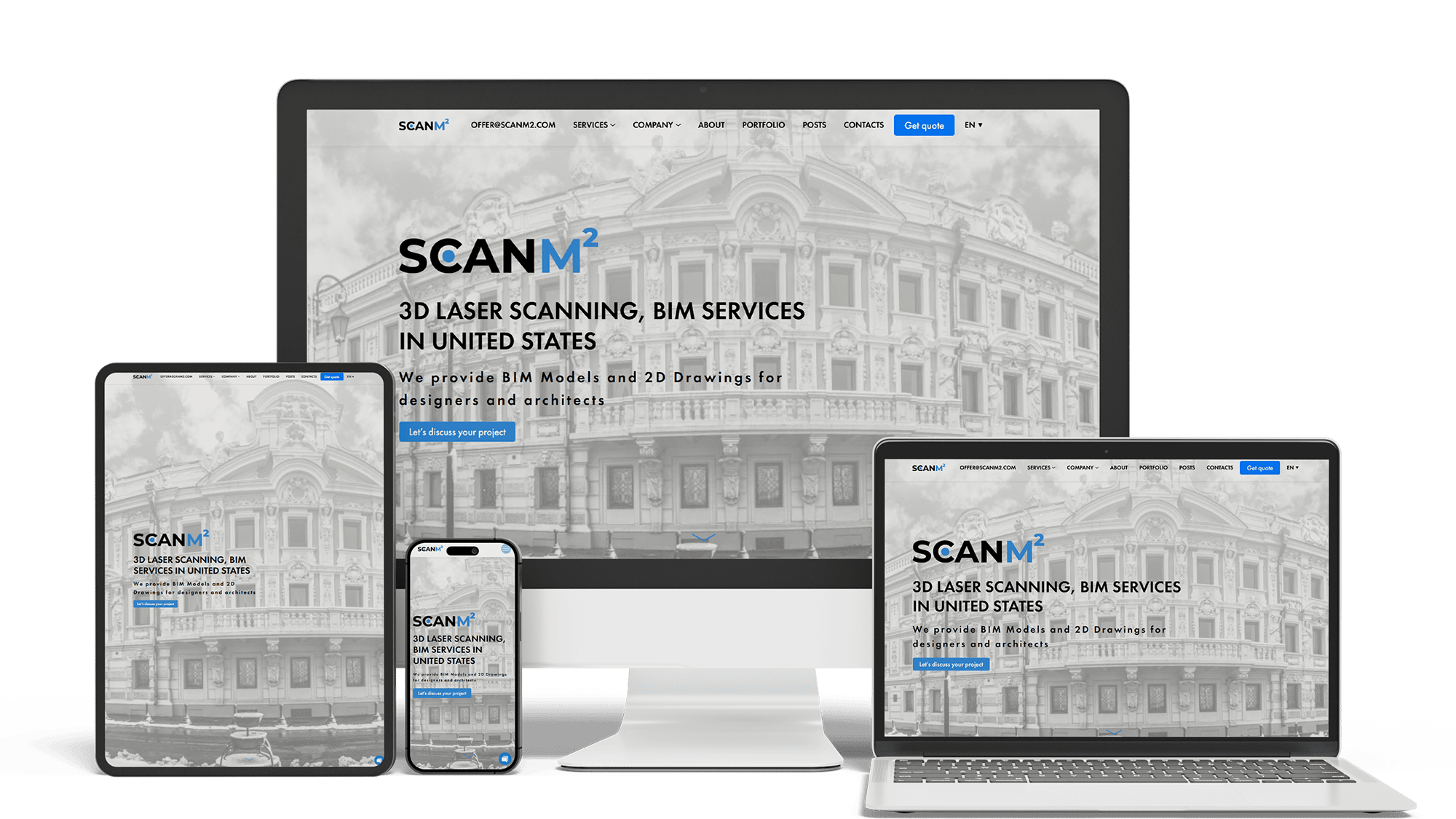
Architecture Website Rebuild and SEO
29× organic trafficLoads in under 1 sTop 3 in Poland
Full Multilingual Website Development & SEO for Student Services
+5,930 clicks in 6 months359k impressionsTeam edits it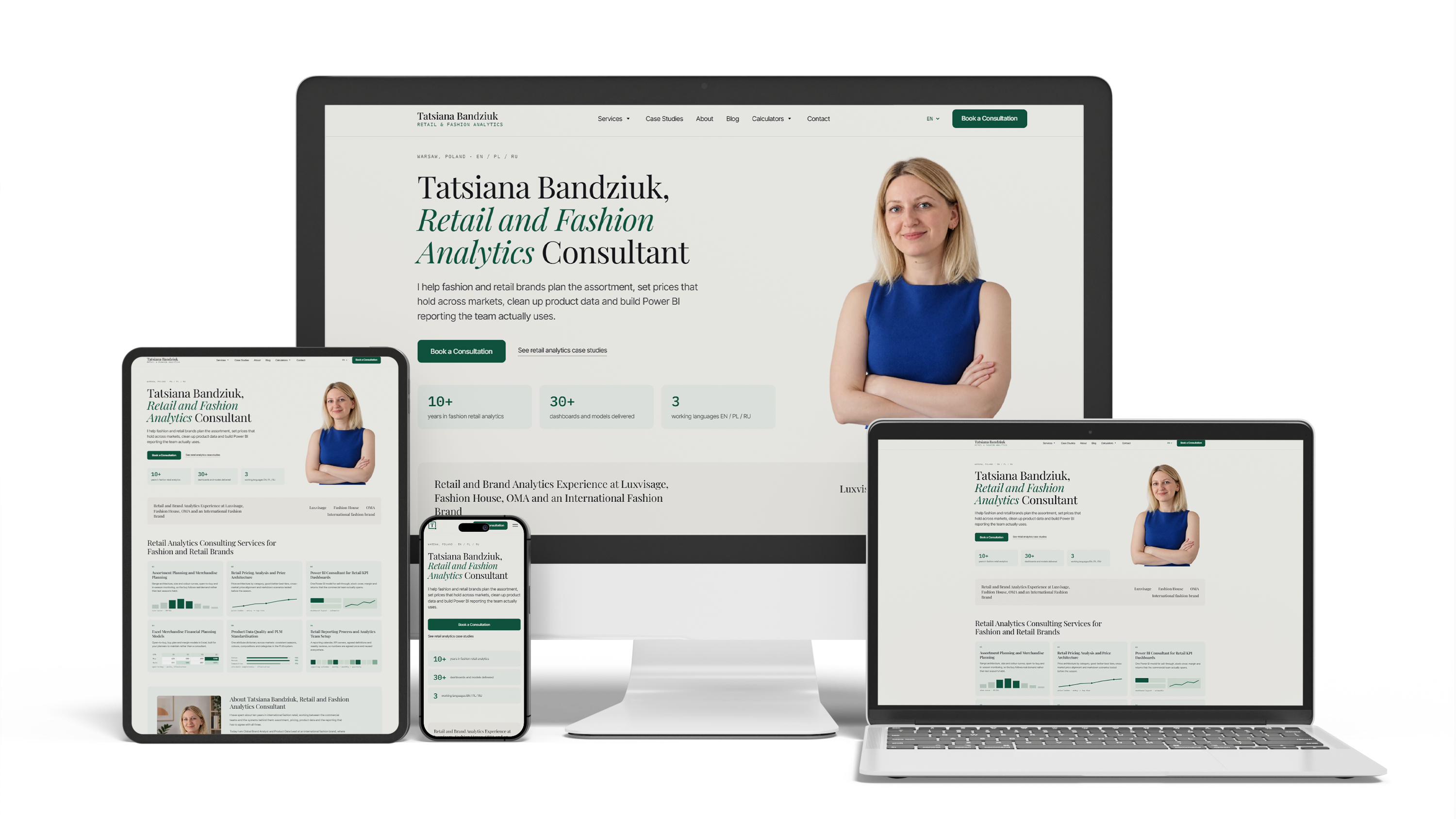
A consultant website for a retail analytics expert
100/100/100/100153 pages3 languages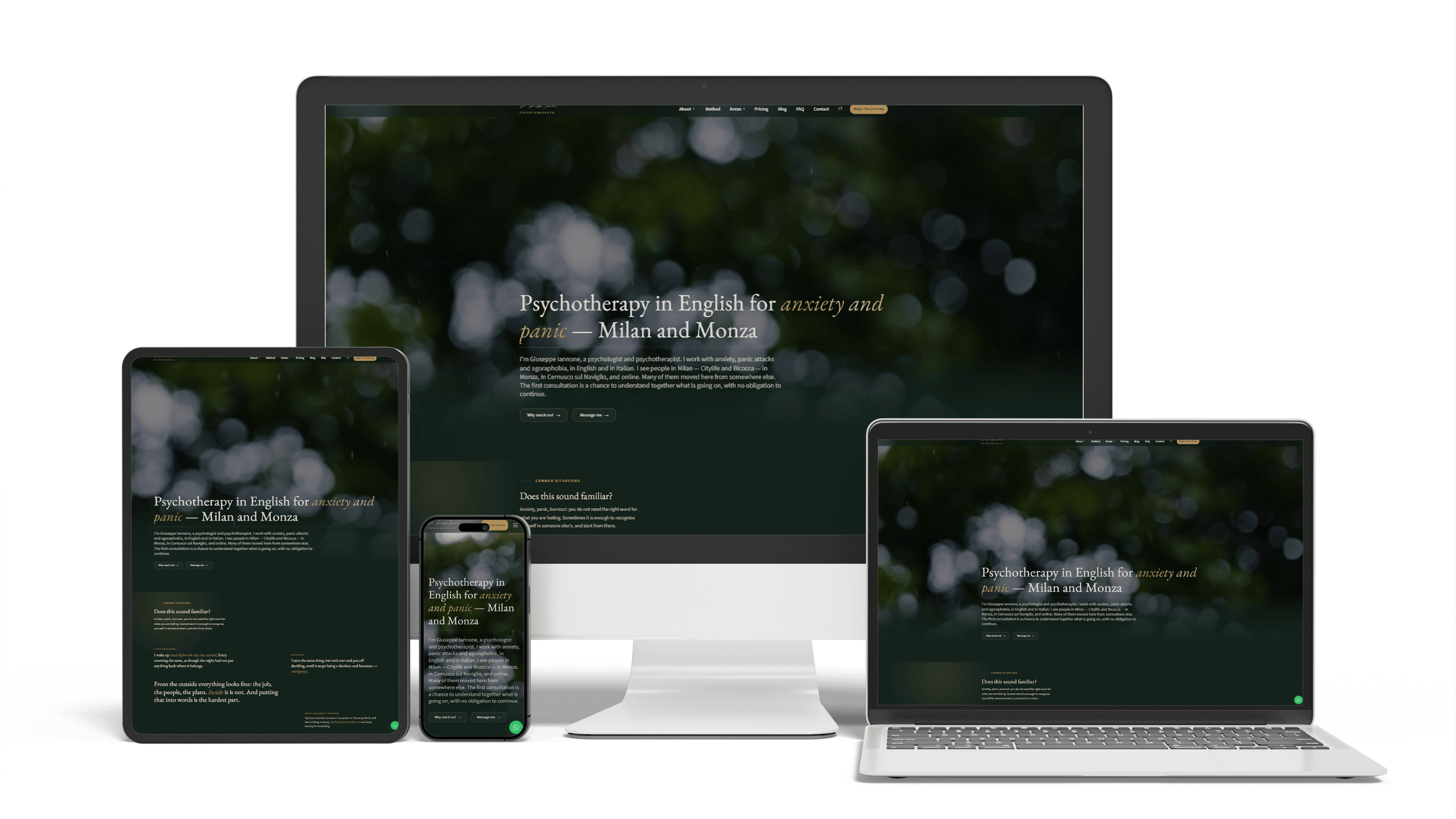
Bilingual psychotherapist website in Italy
468 of 468 posts moved2 languagesSeen in ChatGPT answers
Get a quote for SEO for your SaaS product
Within one business day I reply with the searches and pages I would start with and a fixed price.
SaaS SEO is the work of turning organic search and AI answers into a steady source of trials, demos and paid accounts for a software product that already sells. I do it as one consultant who also builds sites in Next.js and React, so the research, the page plan, the fixes in your marketing site’s code and the reports in signups come from the same person. This page is for SaaS companies past first traction: a live product, paying customers and a site with some traffic that should become a pipeline channel.
By the time a SaaS company has its first few hundred customers, the site usually has a blog written for traffic, a features page, pricing and a login link. Visits grow; signups from search do not. The reasons repeat from company to company:
- articles answer questions from people who will never buy — students, job seekers, competitors’ users looking for a tutorial
- product pages target only the category term, where review sites and the category leaders hold the first page
- nobody has linked organic signups to trial-to-paid, so the team cannot tell which pages earn money
If your product is still before product-market fit, the stage-by-stage plan on the SEO for startups page fits better. This page starts where that one ends.
Searches around a software product fall into four levels of intent:
- product — “[your brand] pricing”, “[competitor] alternative”, “[tool A] vs [tool B]”
- solution — “invoicing software for contractors”, “time tracking app for agencies”
- problem — “how to reduce failed payments”, “client onboarding checklist”
- category education — “what is a customer data platform”
A SaaS SEO strategy starts with the first two. Their volumes are small, but the people typing them are choosing a tool this month. Problem content comes next, each article linked to the solution page it leads to; broad education comes last, only where it is a natural road to the product. Beyond search data, I build the plan from sales call notes, support tickets and lost deals: the reasons buyers give for choosing a competitor are the pages you are missing.
SaaS content marketing pays when an article does a job in the funnel. In practice:
- each article solves the reader’s task and shows the product doing that task, with real screenshots
- the call to action matches the article: a template that opens in the product, a trial with the right settings preloaded, a demo for a team-sized problem
- articles that bring traffic and no signups are merged, rewritten for a buyer’s question or removed
Plain facts beat slogans in search. On the property platform I run, descriptions rewritten once as lifestyle copy lost traffic on commercial pages, and factual descriptions brought clicks back (+16%). Software pages behave the same way: features, plan limits, integrations and prices stated plainly outrank and outsell taglines.
Searches such as “invoice template”, “SLA calculator”, “UTM builder” or “meeting agenda template” have steady volume and sit next to what a SaaS product does. A free tool that solves a small part of the job, with a clear step into the full product, is often the strongest page a SaaS site has. What makes one work:
- it works without a signup, and the result can be copied, downloaded or shared
- the page explains the method in text, so search engines and AI assistants can read it
- templates come from what your users actually build, with permission
- it is rendered on the server, not assembled in the browser
For a retail analytics consultant I built calculators and templates as part of a 153-page site in three languages; demand for each was researched before design, and the pages were written to be quoted by AI assistants.
Programmatic pages can come from data the product already holds: integration pairs, templates by industry, public directories, exchange or tax rates, benchmarks by country. They work when every page carries data a person needs that is not on the next page. Google’s spam policies call pages made mainly for ranking “scaled content abuse”, whether a person, a script or an AI wrote them. My test: would you link this page from inside your product? I launch in batches, watch “Crawled – currently not indexed” in Search Console, and merge or remove the pages that do not earn their place.
A SaaS product can sell everywhere from day one, but search is local. A German buyer types “Zeiterfassung Software”, a French one “logiciel de facturation”, and neither reads an English page with a translated headline. A localized version needs:
- keyword research per market, with your features named in local terms
- prices in local currency, with VAT shown the way local buyers expect, and local payment methods named
- customer stories and trust details from that market, including where EU data is stored
- hreflang with x-default, one folder per language, and no automatic redirects by IP
The Cyprus platform I run has five languages and top positions for many German (DACH) queries; the education agency’s site grew from one country to ten on one structure. I write English, Polish and Russian myself; for German, French or Spanish I plan the pages and keywords, and a native speaker on your side or a translator you choose writes or checks the texts. More on multilingual website development.
SaaS sites have their own technical problems, and I fix them in the code:
- the app and login pages kept out of the index, the marketing pages kept out from behind authentication
- a blog on a subdomain moved to a subfolder, or served there through a reverse proxy, so its links strengthen the main domain
- marketing pages built as a single-page React app moved to server rendering, because many AI crawlers do not run JavaScript
- versioned docs and help-center search pages that duplicate each other, cleaned up with canonicals and noindex
- migrations from Webflow or WordPress with a 301 redirect for every old URL
Giuseppe, a psychotherapist in Milan, moved to Next.js with 468 posts redirected and kept his search traffic; ScanM2 left a no-code builder and grew 29×. If the marketing site itself needs a rebuild, see SaaS website design.
Links that a SaaS company can earn without paying for them:
- listings in your integration partners’ marketplaces and app directories, each linking back to the matching integration page
- G2, Capterra and GetApp profiles in the right categories, with reviews requested after a customer reaches an onboarding milestone
- studies built on anonymized, aggregated product data, with the method stated — journalists and bloggers cite numbers
- customer stories that customers publish or share on their own sites
The Cyprus platform grew from zero to about 2,500 organic visits a month without a single bought link. A domain that carries your signups is not worth risking on a link-building package.
- GA4 key events for signup, trial start and demo request, with the landing page attached
- the first landing page saved in hidden form fields and passed to your CRM and product analytics
- trial-to-paid and pipeline grouped by page type: solution, alternatives, content, free tools
- conversion paths for people who read an article first and return later through a brand search
- a free-text “How did you hear about us?” field, which catches ChatGPT and Perplexity referrals that analytics often counts as direct
B2B SaaS SEO: when the conversion is a demo request
In sales-led B2B SaaS, a form fill is only the start. Reports follow organic leads into sales-qualified opportunities and pipeline in HubSpot or Salesforce. The general side of long cycles and buying committees is on the B2B SEO page; companies selling development and IT services rather than a product are covered on SEO for IT companies.
A software buyer today often types into ChatGPT, Perplexity or Google’s AI Mode a request for “the best CRM for a 10-person agency” or “alternatives to [tool] with EU data hosting”. The assistant names a handful of products with a reason for each. I studied this directly: 47 buying questions put to ChatGPT, Perplexity and Google AI Mode, 141 answers analyzed. On a SaaS site, the GEO and AEO work (generative and answer engine optimization) that follows from it covers:
- who the product is for, plan limits, prices and integrations written as text on your own pages
- a presence in the comparison articles and review profiles the assistants cite for your category
- the same facts on your site, G2, Capterra and partner directories
- a fixed set of category prompts checked before the work and after it
About 10% of organic visits to the Cyprus platform come from AI assistants. Details on the AI SEO and GEO optimization page.
A SaaS SEO agency brings a team of strategists, writers and link builders, which suits a company that needs fifteen articles a month. With me, one person does the research and the plan, changes the code, writes or edits the key pages with your product people and reads GA4 and the CRM. That fits a company with an in-house marketer or writers that needs strategy and technical depth. Whoever you choose, ask who writes, how links are earned, whether reports show trials and pipeline, and who owns the content. How I work as an SEO consultant.
- SaaS SEO audit — funnel coverage, technical setup, international versions, analytics and AI answers: from 250 €, one-off.
- One-off work — solution and alternatives pages, a free tool, hreflang, a migration redirect map, signup tracking: 250–700 €.
- Monthly SaaS SEO: from 800 € per month; in competitive categories such as CRM, project management, HR or marketing software, from 1,300 € per month.
First results usually come after about 1.5 months, with steady growth in 3–6 months. The SEO optimization and strategy page describes the monthly process; the pricing page lists every service with its price.
SaaS SEO: frequently asked questions
Order SaaS SEO: what to send me
Send your website, a one-line description of who the product is for, how new customers get started (self-serve trial or sales demo), the markets and languages you sell in, the competitors you lose deals to, and rough numbers of organic signups today. Access to Search Console and GA4 helps if you can share it. I will reply with the pages I would start with and a fixed price. Use the form above or write on WhatsApp.
