


Charity Website Design
I design and build charity websites for UK charities: the registered charity number where supporters and regulators expect it, a donation form with a Gift Aid declaration, consent that follows UK GDPR and PECR, and pages for trustees and annual reports.
- Design + build, one price
- From 700 €, invoiced in EUR
- Reply within one working day
What you get with charity website design
- Charity number and legal details in placeFooter, donation pages and receipts
- Donation form with a Gift Aid declarationOne-off or monthly, the declaration in one tick
- JustGiving, Enthuse or CAF DonateThe platform you use, checked before the quote
- Consent under UK GDPR and PECRNewsletter opt-ins and cookie choices recorded
- Trustee, annual report and accounts pagesGovernance where funders look for it
- Accessible and readable by AI assistantsWCAG AA, key facts as text

Full Multilingual Website Development & SEO for Student Services
+5,930 clicks in 6 months359k impressionsTeam edits it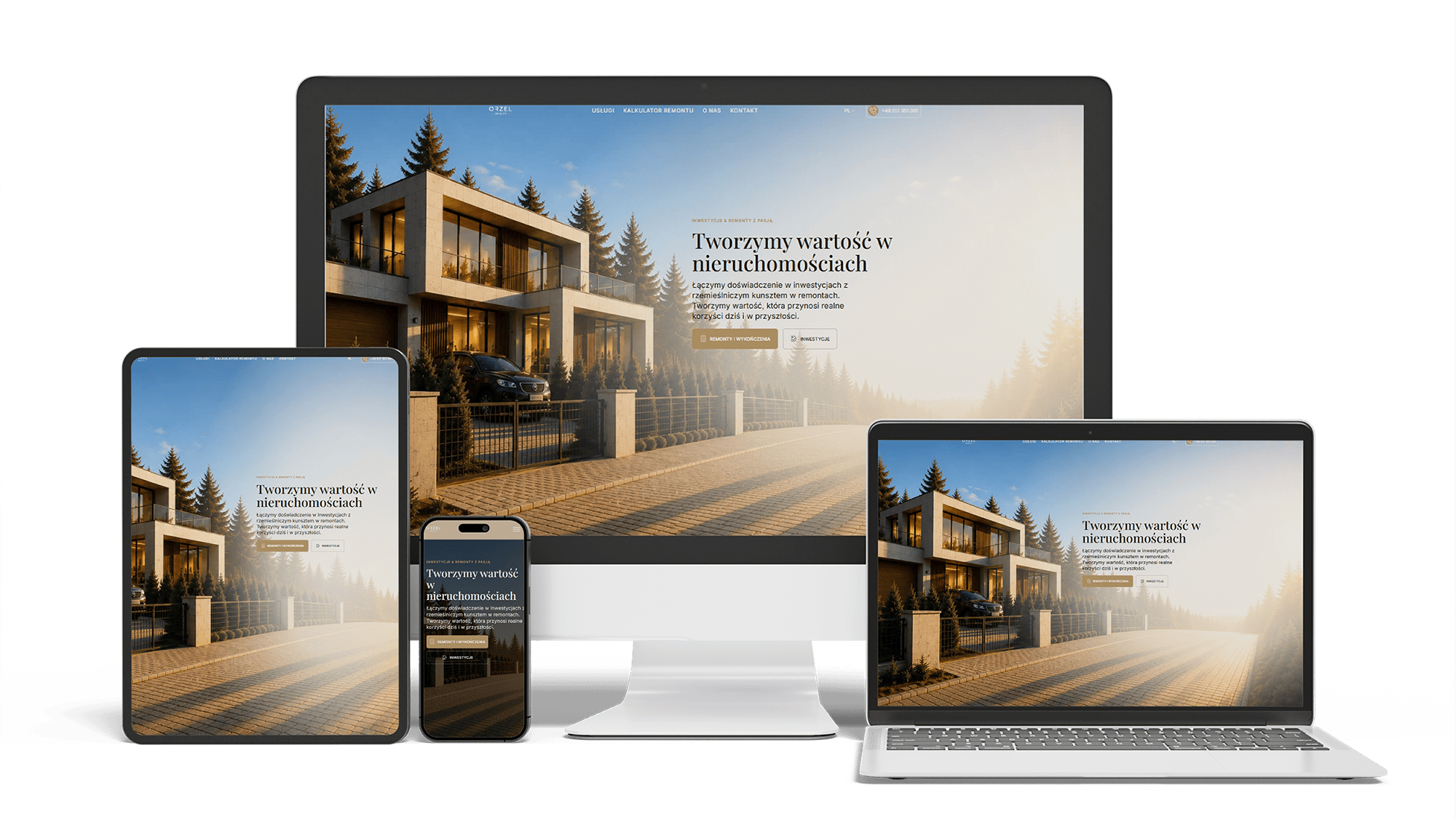
Renovation and investment website with a premium feel and 96/98/100/100 performance
96/98/100/100Design system2 languages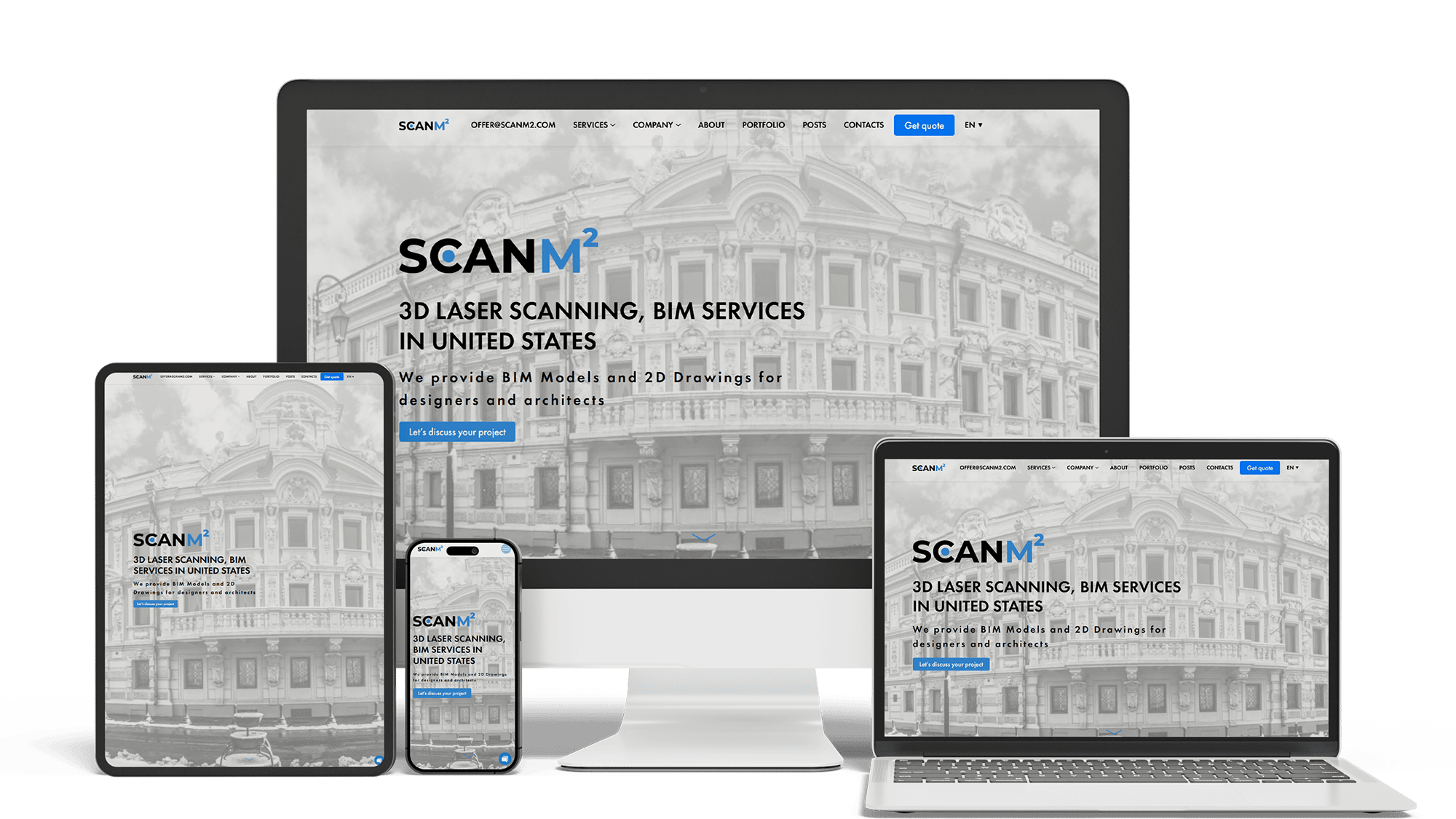
Architecture Website Rebuild and SEO
29× organic trafficLoads in under 1 sTop 3 in Poland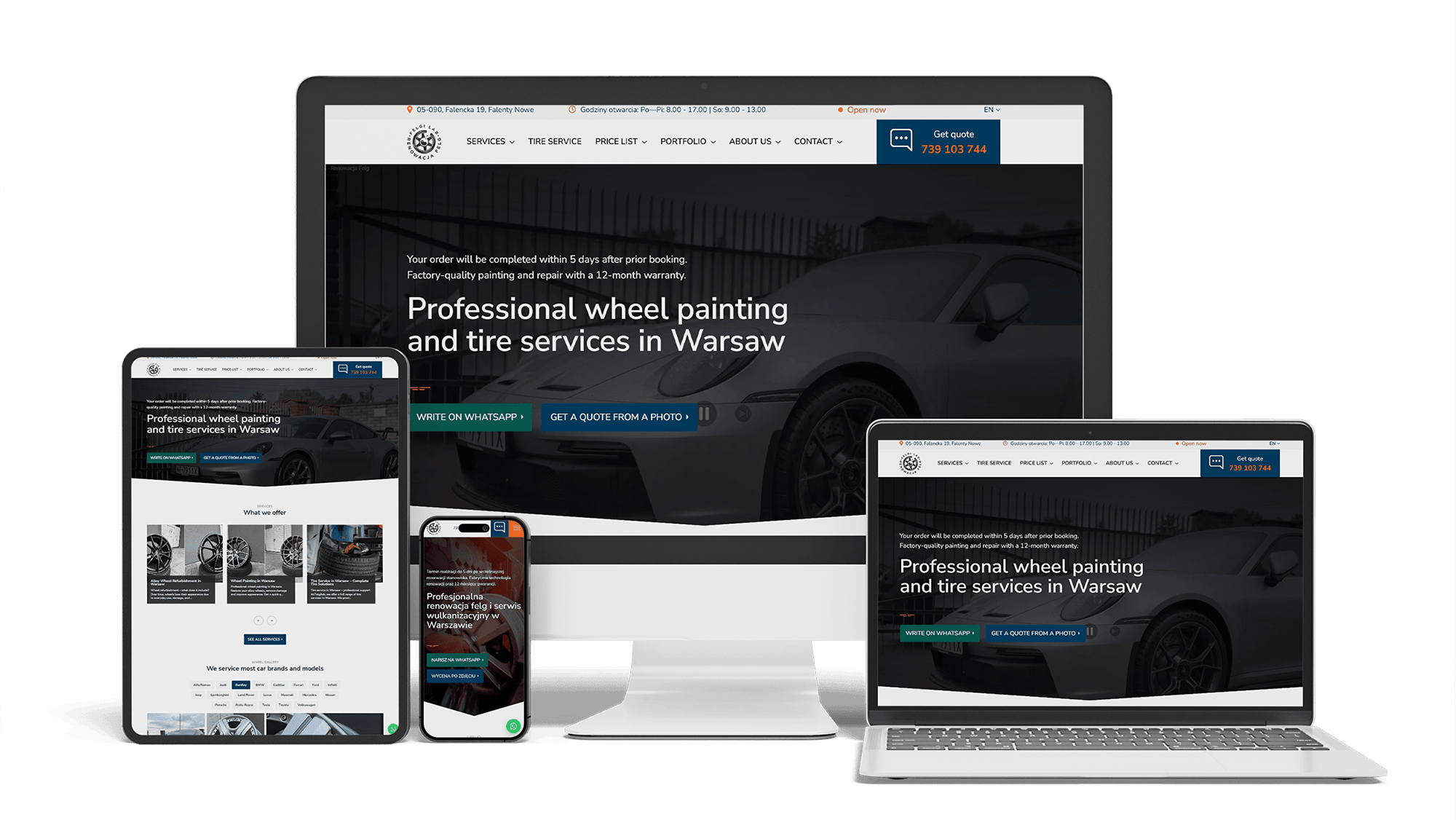
Full WordPress Rebuild for a Car Rim Restoration Company
92/91/96/100Photo quote formLocalBusiness markup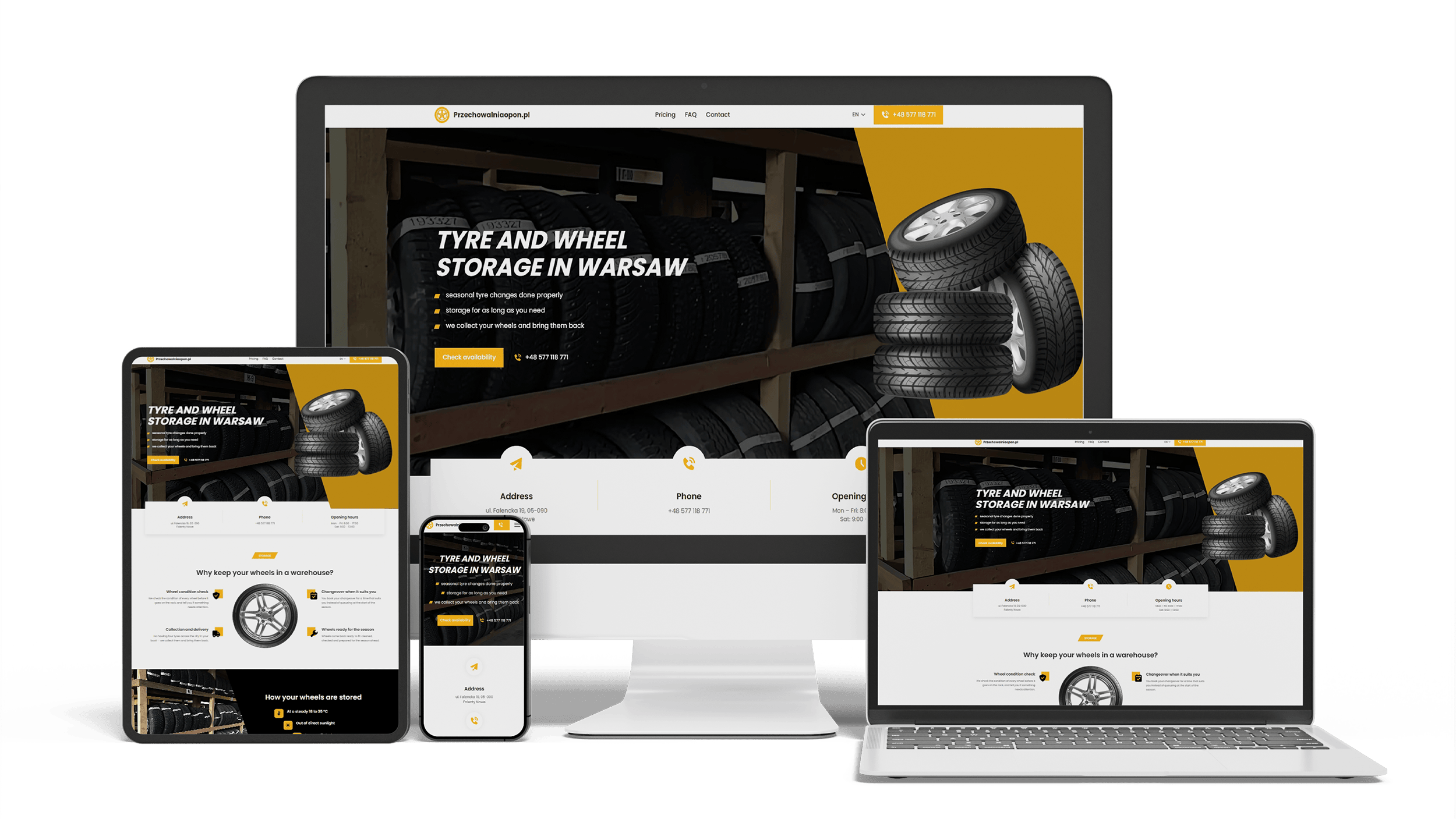
A multilingual landing page for a wheel and tyre storage business
100/95/100/1003 languagesClient edits it
Get a quote for your charity website design
I reply within one working day with a plan for the home, donation and governance pages and a fixed price in euros.
Charity website design is the work I do for UK charities, from small local groups to organisations with their own fundraising teams, and I build the sites myself, so design and development come from one person at one price. A UK charity site has to win supporters and meet rules at the same time: showing registered status, collecting Gift Aid declarations, following fundraising standards and getting consent for every email. Building those into the design from the start costs far less than adding them after a supporter complains.
Supporters arrive from a fundraising page shared by a friend, a local news story or a search for the cause. Within seconds they look for three things: what the charity does and where, whether it is a real registered charity, and how to give or get involved. Grant-makers read further — governance, accounts, outcomes — and trustees want a site they are happy to link to in a bid. The home page serves the first group; a clear “About us” section with governance serves the rest.
Registered charities in England and Wales above an income threshold must state that they are registered on their official documents, and the Charity Commission’s guidance counts websites and emails among them. Charitable companies and CIOs have further naming rules of their own, so check the current Charity Commission guidance for your structure. In the design this becomes routine:
- the full registered name and charity number in the footer of every page
- the number repeated on the donation page and in email receipts
- for a charitable company, the company number and registered office as well
- a link to the charity’s entry on the regulator’s register, where supporters can check the accounts themselves
Gift Aid lets a charity claim basic-rate tax back from HMRC on donations from UK taxpayers — 25p for every £1 given — but only with a valid declaration from the donor. The donation form is built around that step:
- a clear Gift Aid tick box with HMRC’s model wording, the donor’s full name and home address, with a postcode lookup to save typing
- one line explaining that the donor must pay enough Income Tax or Capital Gains Tax to cover the claim
- one-off and monthly options, with regular gifts by card or Direct Debit through your payment provider
- each declaration stored with its date and the wording shown, so you can produce it if HMRC asks
Check the current HMRC Gift Aid guidance for the exact wording; the form is built so the text can be changed without a developer.
Many UK charities already use a donation platform, and the website works with it rather than replacing it. JustGiving is familiar to supporters and widely used for event sponsorship pages; Enthuse is often chosen for donation forms in the charity’s own branding; CAF Donate suits charities that want a simple form linked to the Charities Aid Foundation’s services. Fees, Gift Aid handling and how far each form can be styled differ, so I look at the platform you use before quoting. The design then works around it: appeal pages, event pages that point supporters to their sponsorship pages, and a thank-you page on your own domain.
The Fundraising Regulator sets standards for charitable fundraising in England, Wales and Northern Ireland through its Code of Fundraising Practice; Scotland has its own arrangements. On a website the Code shows up in small, visible choices:
- appeals that are honest about what a gift does, without countdown timers or pressure
- no pre-ticked boxes for extra amounts or regular giving
- an easy, clearly described way to cancel a regular gift
- a fundraising complaints route that is easy to find
Charities registered with the Fundraising Regulator can display its badge, and the design gives it a place next to the donation form. Check the current Code for the sections that apply to your charity.
The Charity Digital Code of Practice, a free framework for UK charities, asks boards to treat digital as part of their strategy and to design around the people they serve. Accessibility sits at the centre of that. The design aims at WCAG AA: readable contrast, text that scales, keyboard navigation, captions, alt text and plain English. Many charities serve people with disabilities or low literacy, and some funding agreements ask for a specific accessibility standard, so check your contracts and grant terms.
Funders and major donors look at governance before they give. A short governance section answers them:
- trustees with names, roles and a line about each, as the people legally responsible for the charity
- the trustees’ annual report and accounts as a short web summary, with the full document to download
- safeguarding, complaints and privacy policies, each one click from the footer
- the charity’s objects and area of benefit in plain English
Staff edit each item in the admin panel, so next year’s report goes up without waiting for a developer.
Charities registered in Scotland answer to the Scottish Charity Regulator (OSCR), which has its own rules on showing the charity’s name, number and status on documents and websites. Charities in Northern Ireland register with the Charity Commission for Northern Ireland (CCNI). A charity registered in England and Wales that also operates in Scotland may need to register with OSCR too. The footer and donation pages are designed to carry more than one number where needed; check the guidance from each regulator that applies to you.
Supporters ask ChatGPT, Perplexity or Google’s AI Overviews which charities help with a cause near them, or whether a particular charity is legitimate. Assistants rely on facts they can read and match against the regulator’s register: the charity’s name and number, what it does, where, and how to give. The design keeps these as page text with structured data for the organisation, never only inside a logo, an image or a PDF.
Being named in those answers is ongoing work, described on the AI SEO and GEO optimisation page. Being found in search for your cause and volunteering is covered on the nonprofit SEO page, and organisations in the US will find their side on the nonprofit website design page.
Template galleries offer charity themes ready to fill, and inspiration sites collect polished charity website examples. Look past the colour schemes and photography, and the charity websites that serve people best share a few patterns:
- one primary action per page — donate, volunteer or get support — in one reserved colour
- support services kept apart from fundraising, so a person in need never has to read an appeal first
- stories told with consent, by or with the people involved
- appeal pages that staff can launch in an afternoon from a ready layout
A template is a fair start for a newly registered charity with one activity. Once you run several services, appeals and events, a design system your staff can extend saves more than it costs.
The price covers design and development. Registered charities pay the same published prices as any other client, and I invoice in euros:
- A simple charity website — home, about, services, a donation page with your platform’s form, governance and contact: 700–1,400 €.
- A site with a Gift Aid donation form, platform appeal pages, consent set-up, trustee and annual report pages: from 2,000 €.
Your bank converts the invoice from pounds at its own rate on the day you pay. After launch there is no monthly fee to me. A new design for an existing site keeps its addresses and search positions through the website redesign process, and all ranges are on the pricing page.
Charity website design: frequently asked questions
Order charity website design: what to send me
Send the charity’s name and registered number, the current website if there is one, where you are registered, your donation platform and a few charity websites you like or dislike. Photos of your services, volunteers and the people you work with help me show a first screen that looks like your charity. I will reply with a plan for the key pages and a fixed price in euros. Use the form above or write on WhatsApp.
