


Construction Website Design
I design and build websites for construction companies: project pages with real photos, services by type and area, and a quote form that collects what you need to price the job.
- Design + build, one price
- From 700 €
- Reply within one business day
What you get with construction website design
- Project pages that sell the next jobType, scope, size, location and real photos
- Service and area pagesOne for each service and each area you cover
- A quote form your estimator can useProject type, size, budget, timing, photos and plans
- Trust where clients look for itLicences, insurance, warranties and reviews
- You add new projects yourselfFrom a phone, without breaking the layout
- Fast on a phone, even on siteMain image under 2.5 s, photos compressed
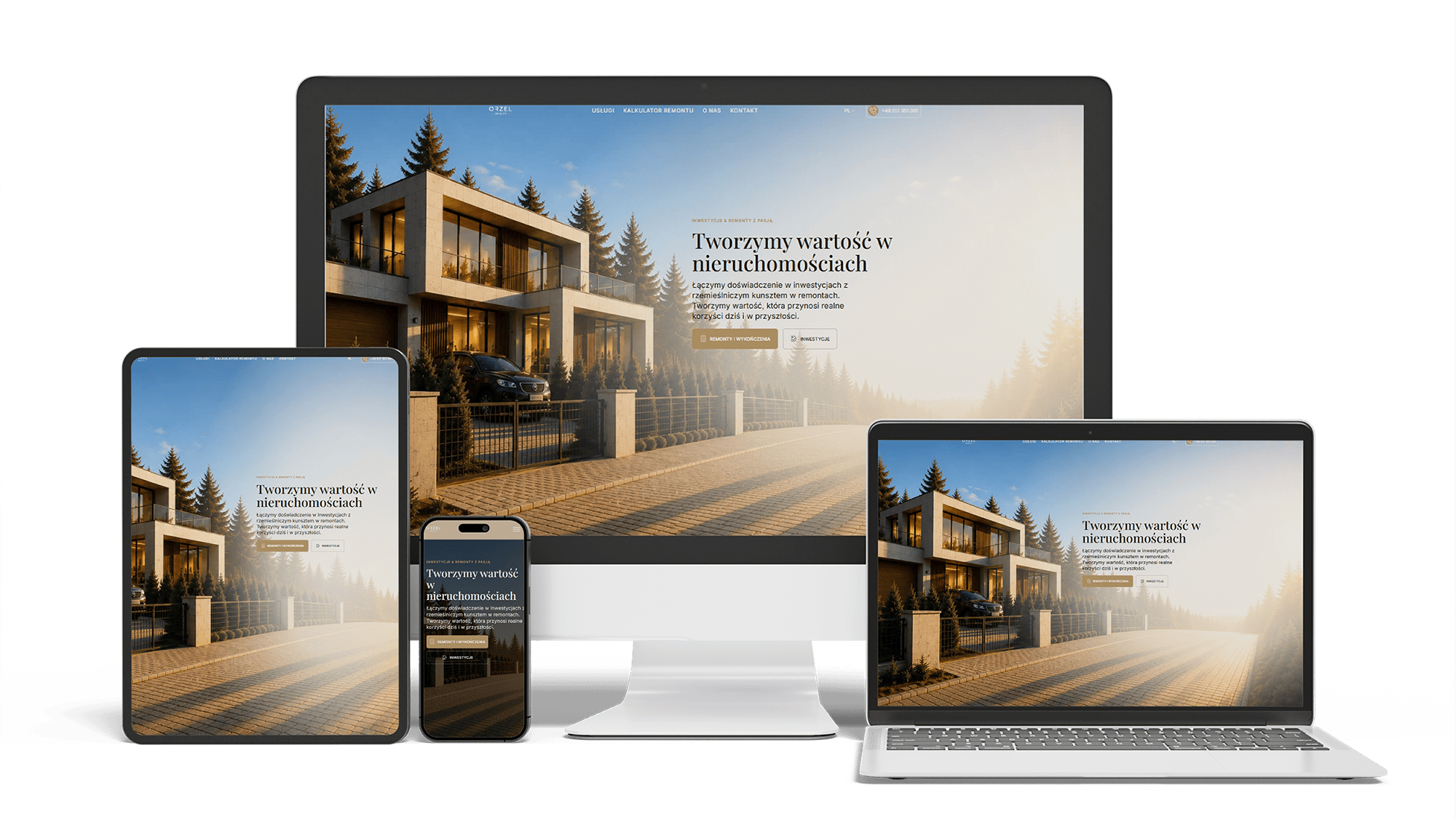
Renovation and investment website with a premium feel and 96/98/100/100 performance
96/98/100/100Design system2 languages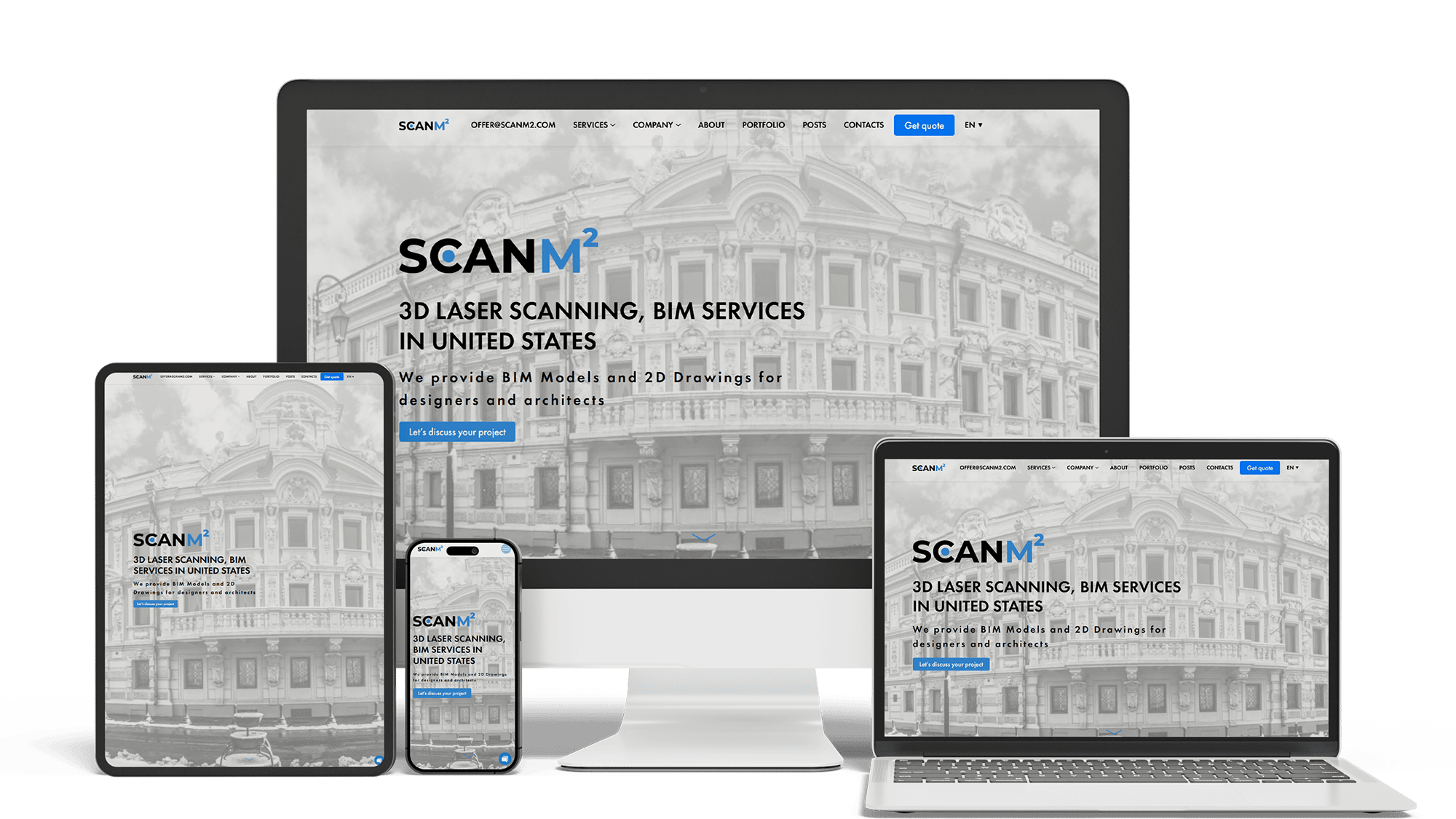
Architecture Website Rebuild and SEO
29× organic trafficLoads in under 1 sTop 3 in Poland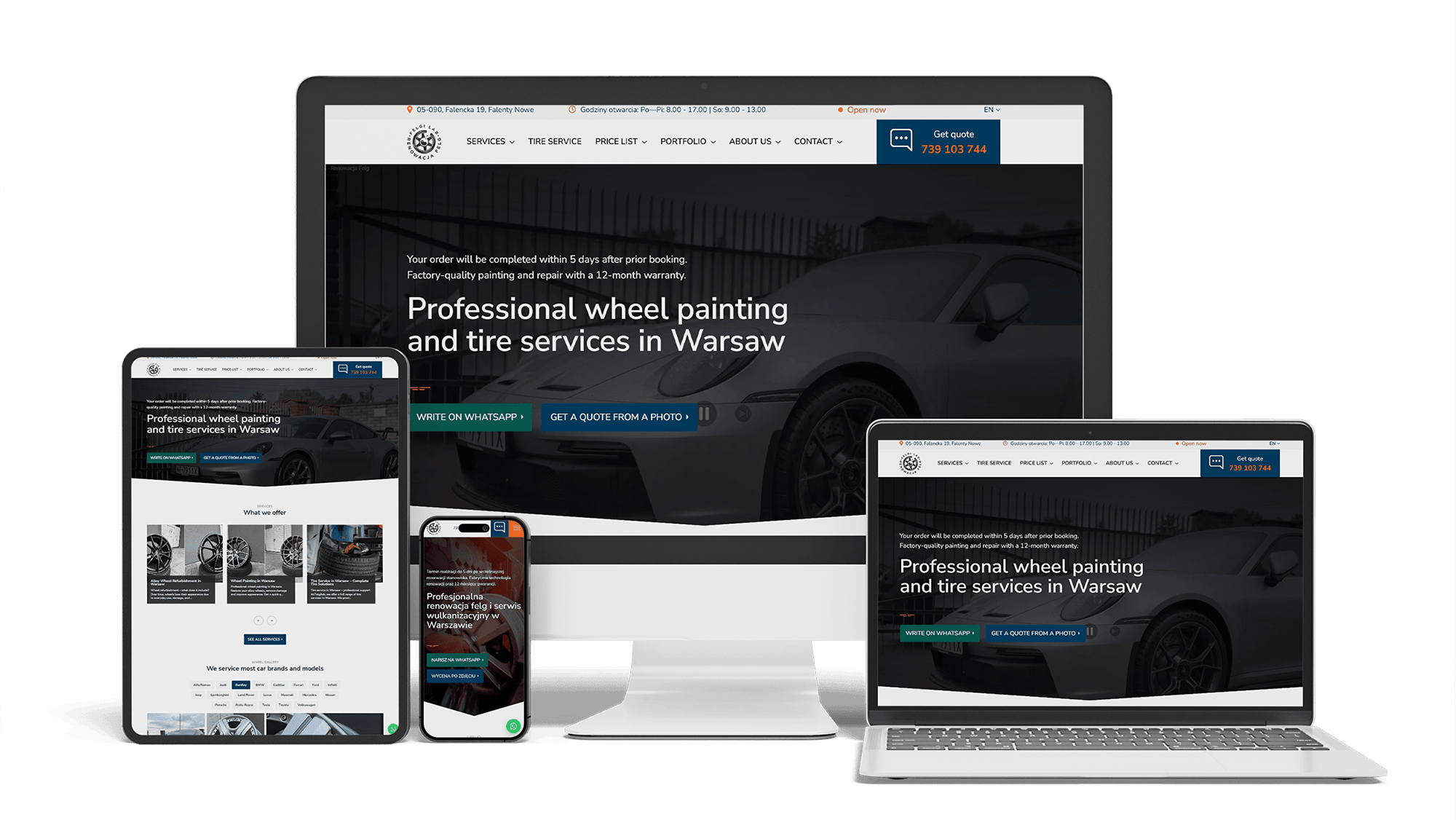
Full WordPress Rebuild for a Car Rim Restoration Company
92/91/96/100Photo quote formLocalBusiness markup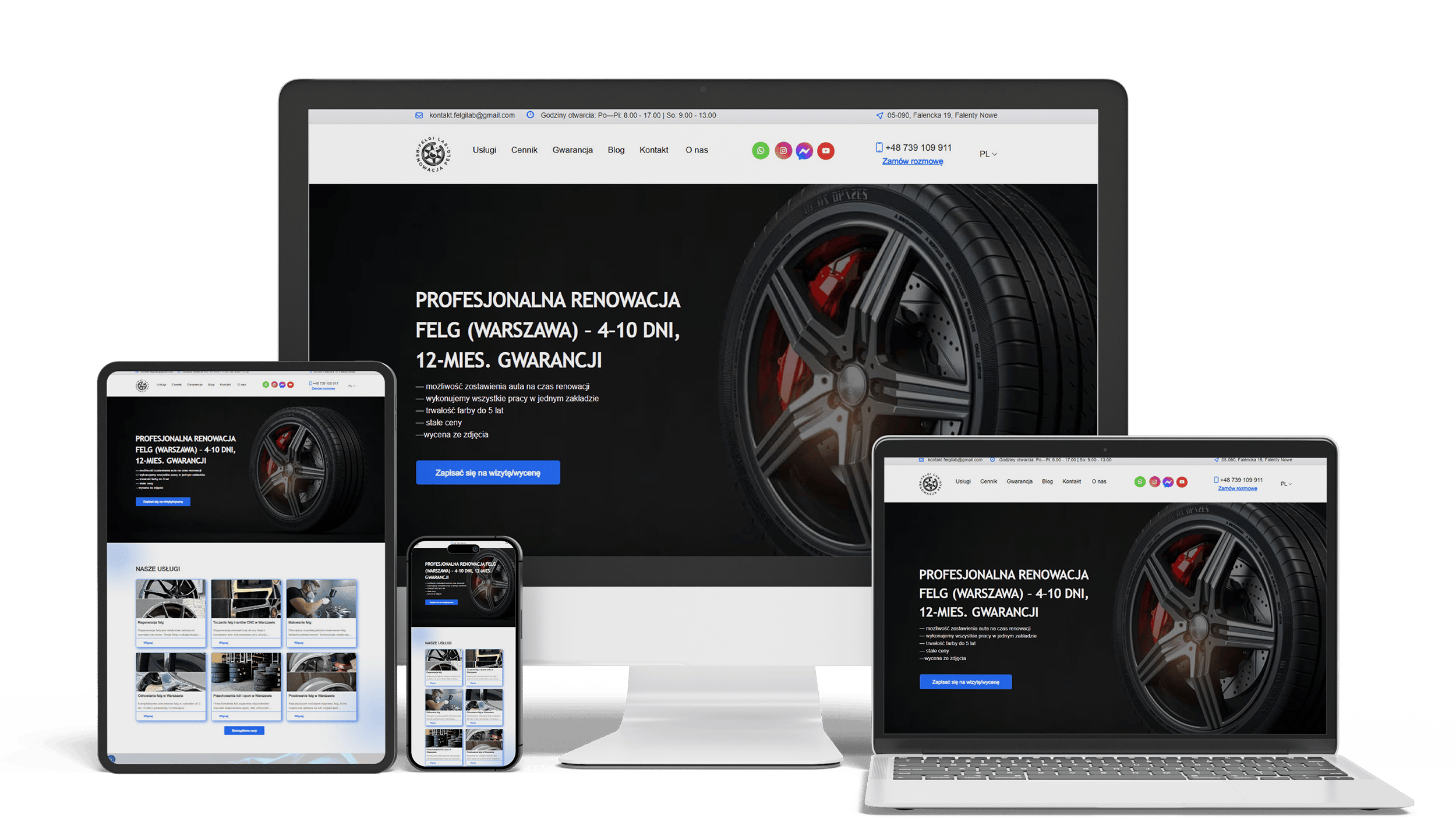
Auto Repair SEO & UX Boost
Performance 90++10% organic trafficLeads from forms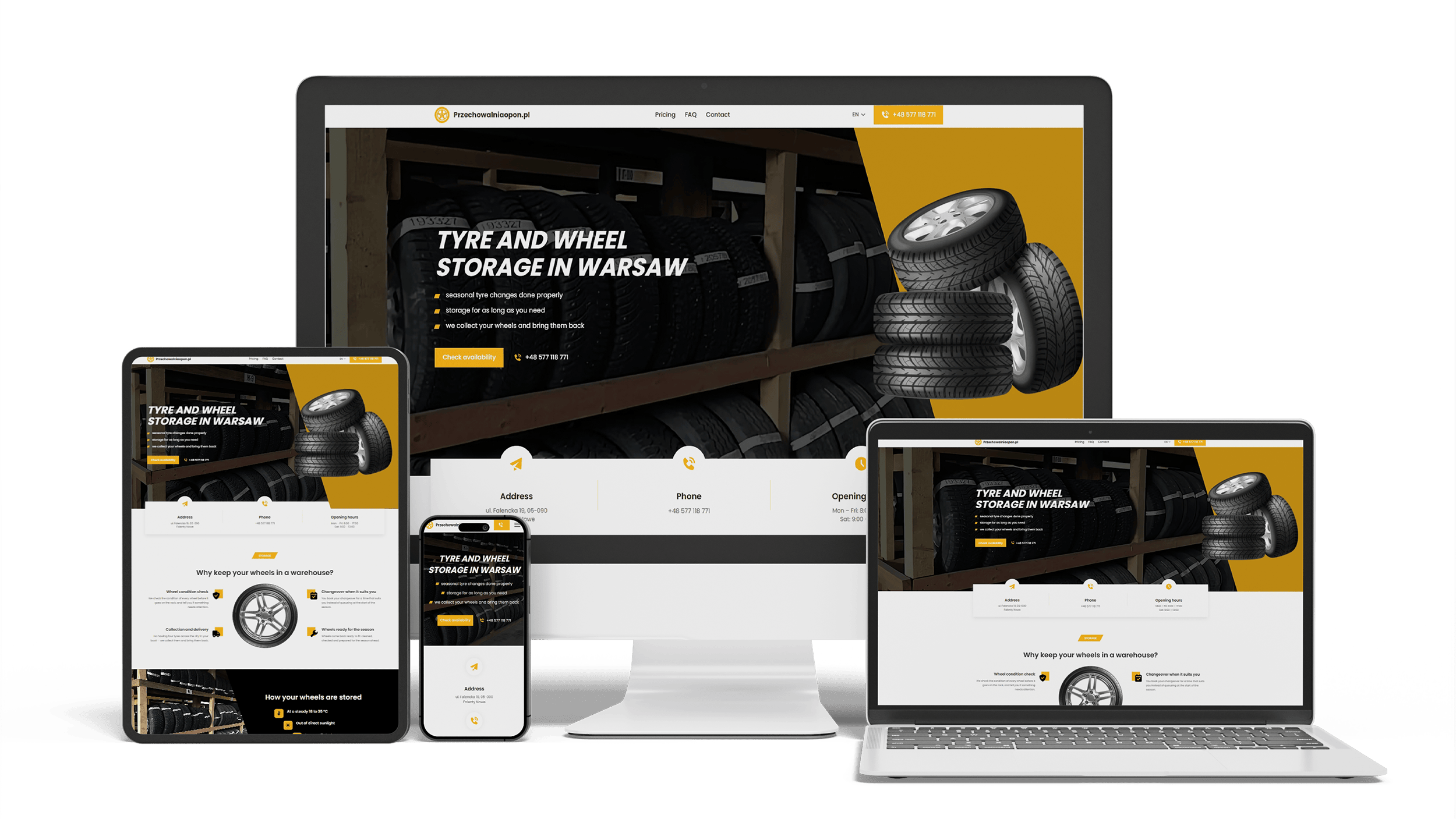
A multilingual landing page for a wheel and tyre storage business
100/95/100/1003 languagesClient edits it
Get a quote for your construction website design
I reply within one business day with a proposed structure for the home, service and project pages, and a fixed price.
I design websites for construction companies and build them myself, so the design and the build come from one person at one price. A construction website is judged the way a client judges a builder: by finished work, by whether you take on jobs like theirs in their area, and by how easy it is to ask for a price. The design is built around those three checks.
A client looking for a construction company is comparing three or four firms, often on a phone, often between other things. On the home page the design answers four questions before anything else:
- what you build — new homes, renovations, extensions, commercial fit-outs — in plain words, not “quality construction solutions”
- where you work — the towns and regions, named
- proof — two or three recent projects with real photos, one tap away from the full list
- how to get a price — a quote button that stays visible while scrolling on a phone
Company history, values and the team come after that. They matter for the final decision, but nobody reads them before checking that you do their kind of job in their area.
Projects sell construction work better than any text about the company. A project gallery with forty unlabelled photos does not. Each project gets its own page with the facts a client compares:
- type of work and what was in scope — from groundwork to finishing, or one stage
- size, location and how long it took
- photos in order: the site before, the work in progress, the finished result
- the client’s problem and how it was solved, in two or three sentences
- a link to the matching service page and a quote button
Projects are filtered by type, so a homeowner planning a loft conversion sees loft conversions, not warehouses. Real site photos taken on a phone are better than stock images of hard hats: clients recognise stock photos immediately. I prepare a short checklist of shots for the site team, so every new project is photographed the same way.
“Construction company” is too broad for both clients and search engines. The site gets one page for each service you actually sell — new builds, renovations, extensions, roofing, interior finishing, whatever applies — and, if you cover several towns, a page for each area with projects from that area.
This is what lets the site be found for “house extension” plus a town name rather than only for the company name. The structure is planned in the design stage, because adding it later usually means rebuilding the navigation.
“Send us a message” brings messages that need three more calls before anyone can give a price. The form asks the questions your estimator asks anyway, in a few short steps:
- type of project and the address or area
- approximate size and the stage the client is at: idea, drawings, permit, ready to start
- a budget range and a preferred start date
- photos of the site or plans, uploaded straight from the phone
Requests arrive by email with everything in one place, and the phone and WhatsApp stay one tap away for clients who would rather call.
Construction is an expensive purchase that is hard to undo, so clients look for signs that the company will still be there when something goes wrong. The design puts them where they are noticed: next to the quote button and on every project page, not on a separate page nobody opens.
- licences, registrations and memberships — only real ones, with numbers where they exist
- insurance and the warranty you give on the work
- years in business and the number of projects completed
- reviews with the client’s name and the project they refer to
Construction company website templates, including free ones, look convincing in a demo because the demo is filled with professional photos and invented projects. Filled with a real company’s content, they tend to show the same weaknesses: a gallery instead of project pages, one generic services page, a contact form with three fields.
A template is a reasonable start for a one-person firm with a handful of projects. A custom design pays off when you cover several services or areas, depend on enquiries from search, or want project pages your team can add without breaking the layout. Moving away from a template later usually means building the site again.
Lists of the top construction company websites are full of large firms with video headers. The useful ideas in them are simpler and fit a company of any size:
- a project page for every job worth showing, with facts, not only photos
- services and areas named the way clients search for them
- a quote path visible from every page
- credentials next to the call to action, not hidden in the footer
- no autoplay video and no slider on the first screen of a phone
- Brief. You send the list of services and areas, ten to twenty projects with photos, and a few sites you like or dislike.
- Structure on a phone first. I lay out the home page, a service page and a project page on a mobile screen and agree them with you before any visual design.
- Visual design. These three pages are designed in full; the other pages follow the same system.
- Build. The approved design is built into a fast website your team can edit, including adding new projects.
If you already have a website and want a new design without losing your Google positions, the website redesign process keeps addresses, redirects and structured data in place.
Design brings enquiries from clients who are already on the site. Getting found in the first place — Google Maps, local search, AI answers — is covered on the SEO for construction companies page.
What goes into the build — the project portfolio, the quote form, hosting and ownership — is covered on the construction company website page.
Design is not sold separately; it is part of building the website, and the price covers both.
- A simple construction company website: 700–1,400 €.
- A website with project pages, service and area pages, a detailed quote form and local search optimisation: from 2,000 €.
Send a short description of your company and the services you offer, and I will prepare a fixed quote. Full price ranges are on the pricing page.
Construction website design: frequently asked questions
Order construction website design: what to send me
Send the company name, a link to the current website or social profile, the services you offer and the areas you cover. A few recent projects with photos help me propose the structure. I will reply with a plan for the home, service and project pages and a fixed price. Use the form above or write on WhatsApp.
