


Med Spa Website Design and Development
I design and build med spa websites: a treatment menu that works on a phone, booking connected to your system, membership and price pages clients understand, before-and-after galleries with consent, provider pages and a calm look that suits a medical practice.
- Design + build, one price
- From 700 €
- Reply within one business day
What you get with med spa website design
- A treatment menu that works on a phoneBy treatment and by concern, one template for all
- Booking connected to your systemBoulevard, Mangomint, Vagaro or a request form
- Membership and price pagesFees, credits, packages and deposits in plain text
- Before-and-after galleries with consentFilters by treatment, same light, no retouching
- Forms that keep health details off the siteIntake and consent stay in your booking system
- Readable by Google and AI assistantsTreatments, providers and prices as text
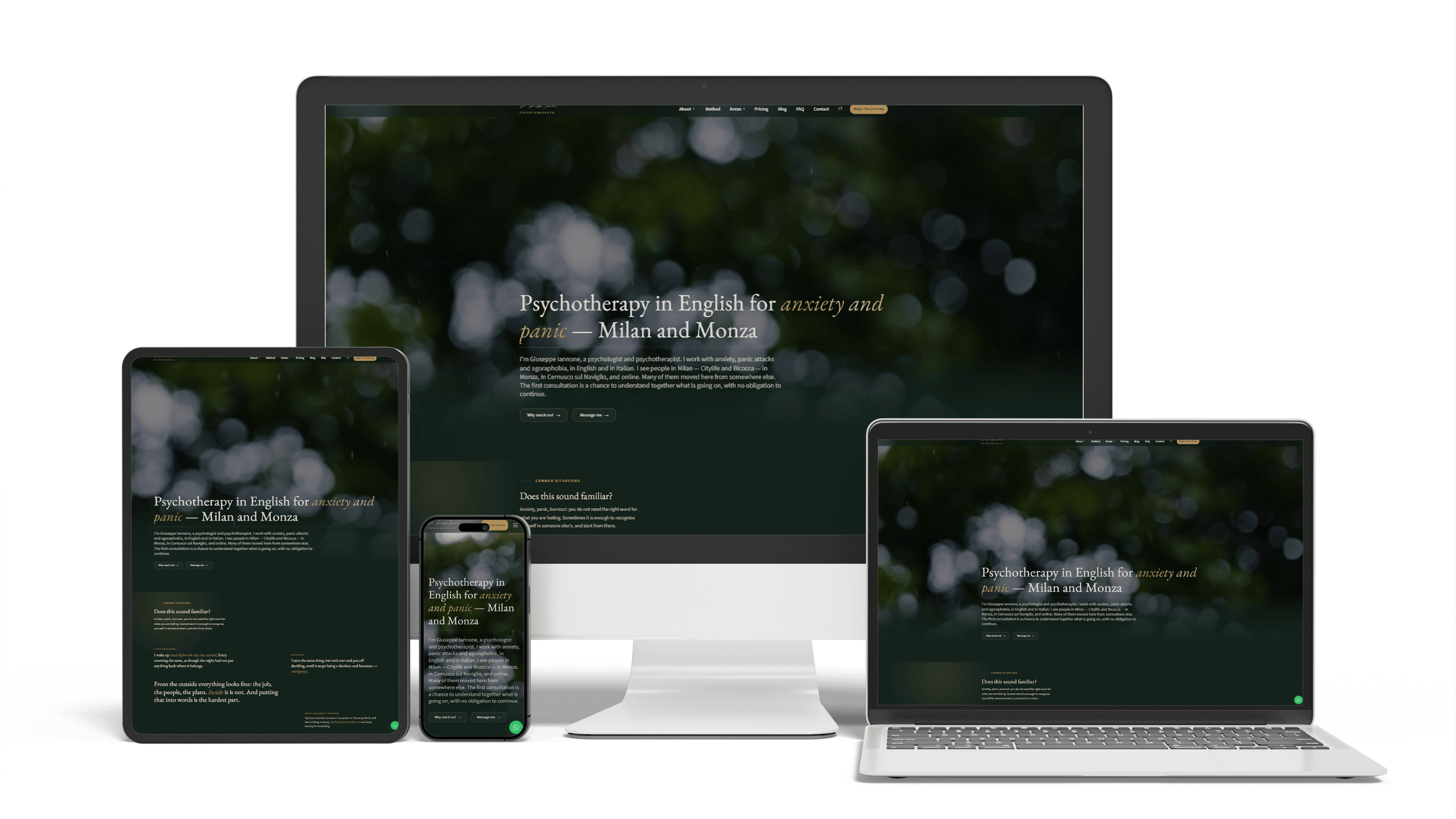
Bilingual psychotherapist website in Italy
468 of 468 posts moved2 languagesSeen in ChatGPT answers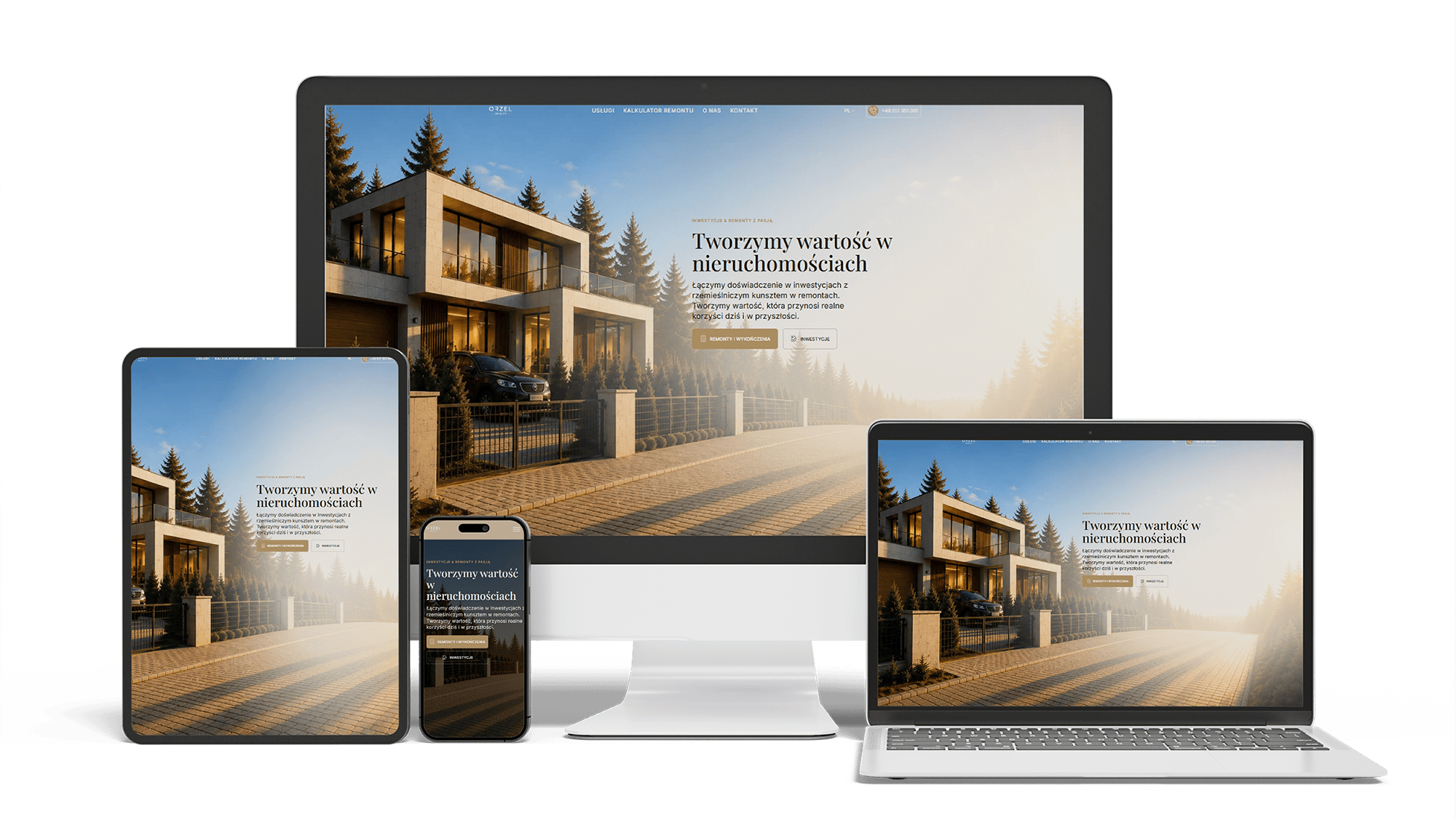
Renovation and investment website with a premium feel and 96/98/100/100 performance
96/98/100/100Design system2 languages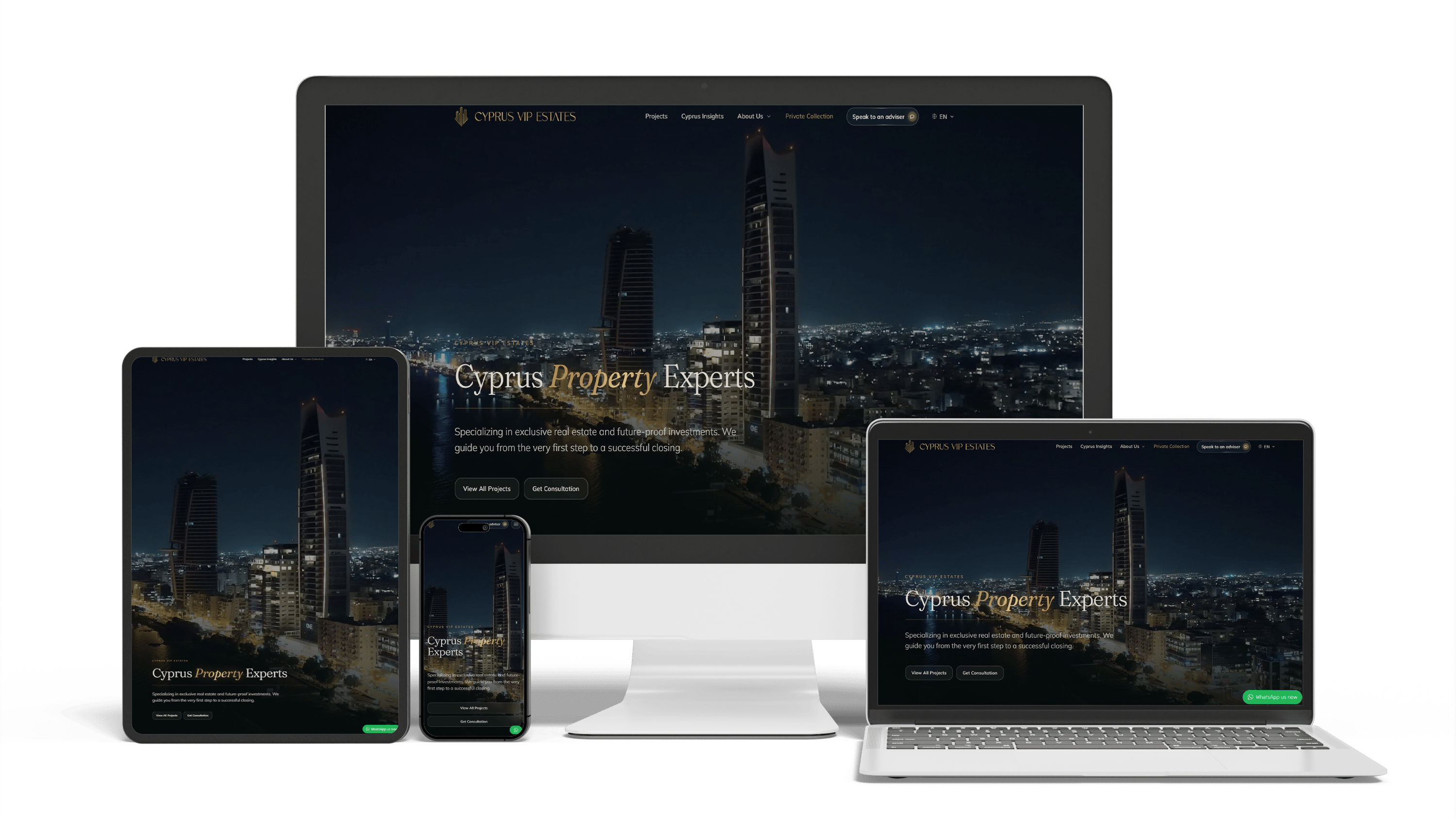
Multilingual real estate platform in Cyprus: SEO and GEO without bought links
16× faster editingTraffic from ChatGPTLeads via WhatsApp
Full Multilingual Website Development & SEO for Student Services
+5,930 clicks in 6 months359k impressionsTeam edits it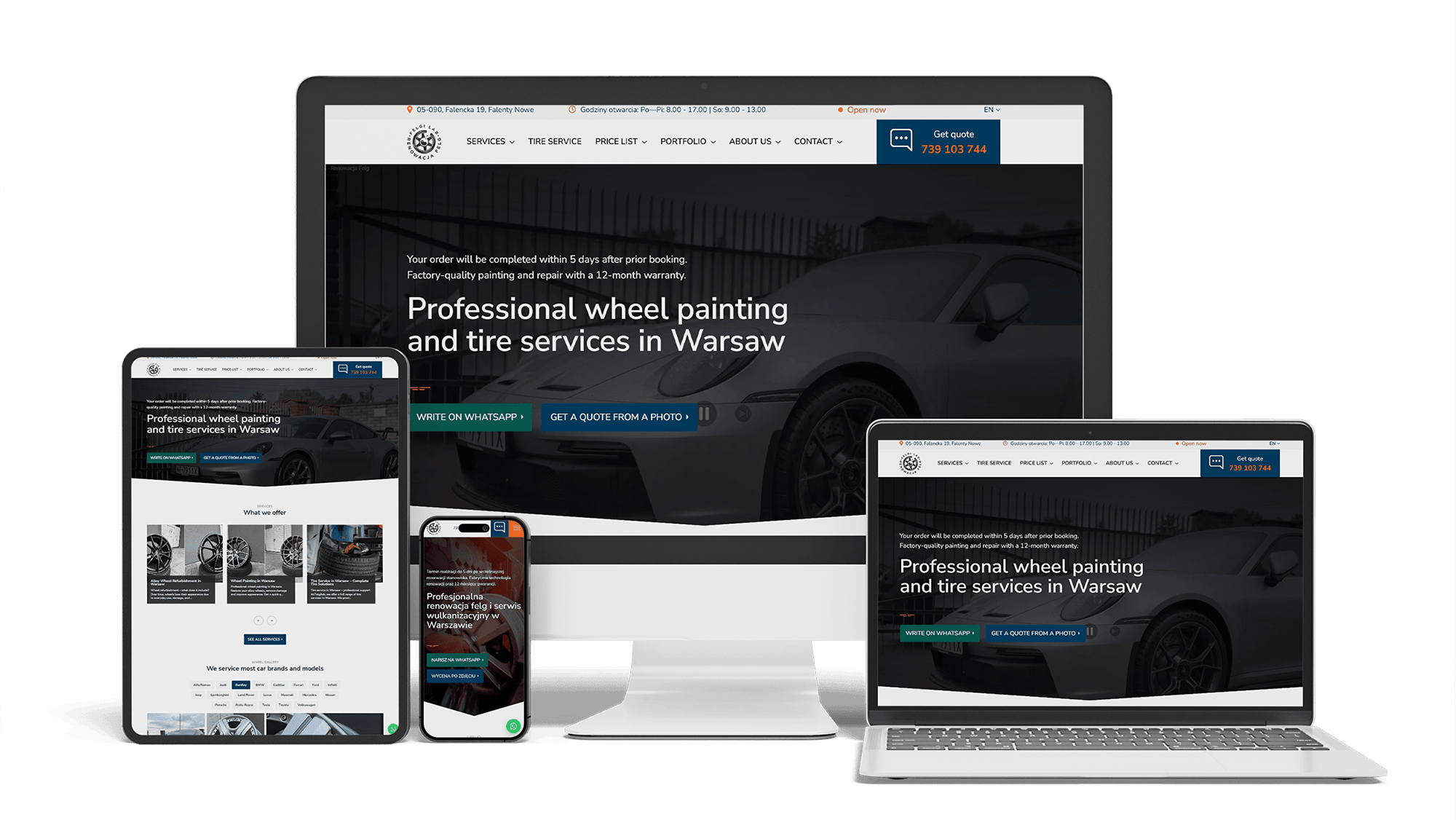
Full WordPress Rebuild for a Car Rim Restoration Company
92/91/96/100Photo quote formLocalBusiness markup
Get a quote for your med spa website
Within one business day you get a proposed list of pages, what the first phone screen should hold and a fixed price.
Med spa website design shapes what most clients see before they walk in, and I design and build the site myself, so the look, the booking flow and the code come from one person at one price. A medspa website has a narrower job than it seems: help someone who already wants a treatment choose you, trust the person who will perform it and book — usually on a phone, often late in the evening.
Most med spas already book through a system built for them — Boulevard, Mangomint, Vagaro, Zenoti or similar. The website does not replace it; it hands the client over at the right moment. Depending on what your system allows:
- a booking button that opens the system’s own flow with the treatment or provider already selected
- an embedded widget on treatment pages, loaded only when the client taps, so the page stays fast
- a consultation request form for new clients and for treatments that need an assessment first
Deposits and cancellation terms are shown before booking starts, not as a surprise on the last step. New-client consultations are kept apart from rebooking: returning clients want two taps, new clients want reassurance first.
Memberships keep a calendar full, yet they are often explained in a block of small print. A membership page is designed like a product page: the monthly fee, what it includes, how credits roll over, member prices, how to cancel and a sign-up button that leads into your system’s membership checkout. Packages — a laser series, a facial program — get a small table that shows the price per session.
Prices are text, not images, and staff edit them in the CMS. Where you prefer ranges, the layout shows the range and what moves it: units, syringes, size of the area.
The gallery is where clients slow down and look closely, so it should help them judge rather than dazzle them. Each case shows the treatment, area, number of sessions, time between photos and the provider, with filters by treatment and concern. Design rules keep it honest:
- photos published only with the client’s written consent, kept with the case record
- the same light, angle and background before and after, no filters and no retouching
- faces cropped or eyes covered where the client prefers
- a short note that results vary, next to the photos rather than hidden in the footer
Thumbnails load first and open larger on tap, so a page with fifty cases still opens quickly.
Clients book a person as much as a treatment. Every provider gets a profile from one template: a real photo in your rooms, name and credential as text, training, the treatments they perform, languages and a “Book with” button. The medical director’s page explains the role in plain words — protocols, supervision, handling complications — without suggesting they perform every treatment when they do not.
In aesthetics, where clients look closely at faces, stock models are spotted at once. A half-day shoot of your team, rooms and devices does more for the site than any template image.
Med spa branding often borrows from luxury hotels and cosmetics. It works while it stays calm: a short palette, one accent color kept for booking, a refined serif or sans for headings, space and real photographs. It stops working when it turns into sliders, discount pop-ups and countdown timers. Many clients are nervous about needles or about how they will look afterwards; the design should lower that tension, not add to it.
Giuseppe, a psychotherapist in Milan, needed the same effect for people arriving in a state of anxiety. His site uses a dark base broken by light sections, a serif typeface whose italic is drawn separately, very few colors and nothing that hurries the reader. His profession has strict advertising rules, so the CMS warns the editor when a text contains wording that article 40 of the Italian psychologists’ code of conduct forbids — promised outcomes, patient testimonials, discounts. A med spa site can carry the same kind of check for phrases like “guaranteed results” or “painless”.
Medications, allergies, pregnancy, past treatments — aesthetic medicine needs this information, but a website contact form is the wrong place for it. The public form asks for a name, contact details, the treatment of interest and a preferred time, with a note not to share medical details. Intake questionnaires and consent forms run in your booking or charting system, which is built for them. In the US, whether HIPAA applies depends on how the practice is set up; where it does, any form provider that receives health information signs a business associate agreement, and state privacy laws can add their own rules. Analytics and ad pixels stay off booking and intake pages.
About five years ago I worked on a medical software project with patient records; an NDA keeps its name private. It left me with one rule for clinic sites: ask online only for what the booking needs. Your compliance adviser confirms the final setup.
When a client asks ChatGPT or Google’s AI Overviews which med spa nearby offers a treatment or has a nurse practitioner for lip filler, the answer is built from text the assistant can read. The build keeps treatments, providers and credentials, locations, hours, prices and membership terms in plain HTML rather than images or scripts, adds structured data for the business, its providers and locations, and matches your Google profile. Giuseppe’s site shows how this pays off: explicit rules for AI crawlers in robots.txt and structured data for the practitioner and services, and his new pages already appear in ChatGPT answers.
Ongoing work on those answers is described on the AI SEO and GEO optimization page; ranking for treatments and “near me” searches is on the med spa SEO page.
Lists of the best med spa websites mostly show striking home pages. What makes them work sits further down: a treatment menu that fits a phone, booking two taps away, galleries with real cases, named providers and prices that answer the question. A builder template or a site from a med spa marketing vendor is a fair start for a new practice with one provider. A custom design pays off with several providers or locations, a long treatment menu, memberships and plans to grow from search. If a vendor hosts your current site, ask whether you can take the content and domain with you.
Moving from an older site keeps its Google positions when every address is mapped and redirected — the method that carried all 468 of Giuseppe’s blog posts to the new site, described on the website redesign page.
There is no separate design fee: the visual design, the templates and the build come in one price.
- A simple med spa website — home, treatment menu, providers, prices, booking button and contact: 700–1,400 €.
- A full site with treatment and concern pages, provider pages, galleries, membership pages, booking integration and location pages: from 2,000 €.
My general build process is described on the website development page, and medical practices of other kinds are covered on medical website design. Surgical practices have their own page on plastic surgeon website design, and salons without medical treatments on beauty salon websites. All prices are on the pricing page.
Practices led by dermatologists, where medical and cosmetic care share one site: dermatology website design.
Med spa website design: frequently asked questions
Order med spa website design: what to send me
Send your current website or Instagram, the list of treatments and providers, your locations, the booking system you use, membership terms if you have them and a few photos of the rooms and team. I will reply with a page plan, a first-screen sketch and a fixed price. Use the form above or write on WhatsApp.
