


Conversion Rate Optimization Services: Analysis and Fixes in Your Site’s Code
I provide conversion rate optimization services as the developer who also fixes what the analysis finds: tracking you can trust, then changes to forms, first screens, checkout and speed, measured against a baseline.
- Analysis + fixes in the code
- CRO audit from 250 €
- Measured against a baseline
What you get with conversion rate optimization services
- Tracking that counts leads and salesGA4 events for forms, calls, WhatsApp and orders
- Funnel and behavior analysisWhere visitors enter, hesitate and leave
- First screens that say what you sellOffer, price level and one clear next step
- Forms and contact paths that workFewer fields, tap to call, WhatsApp with context
- Speed and mobile layout fixed in codeTemplates and images, not another plugin
- Trust where the decision is madePrices, reviews, terms and real photos
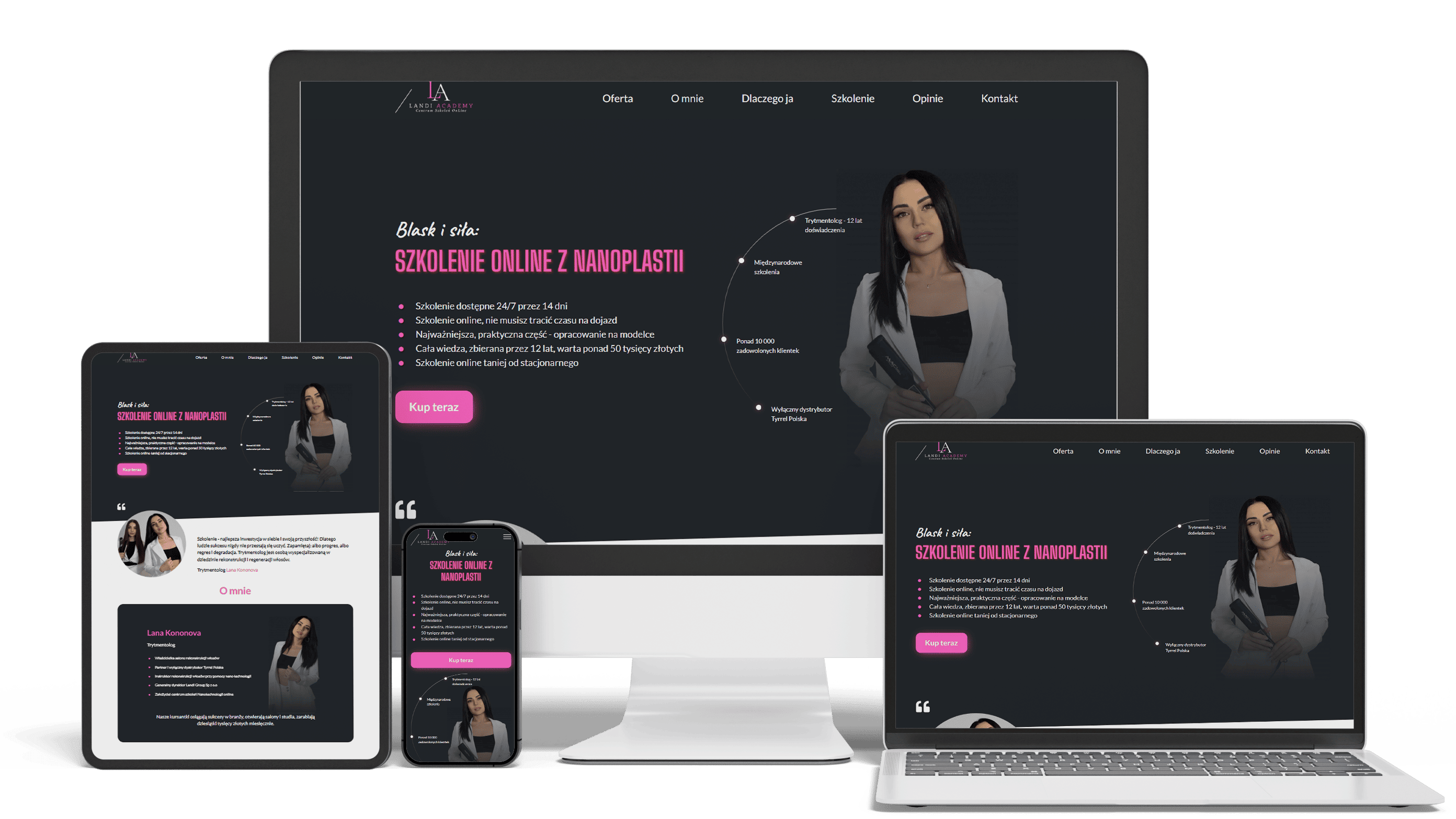
E-commerce landing page with secured video access
100+ course sales0 leaksLinks expire in 14 days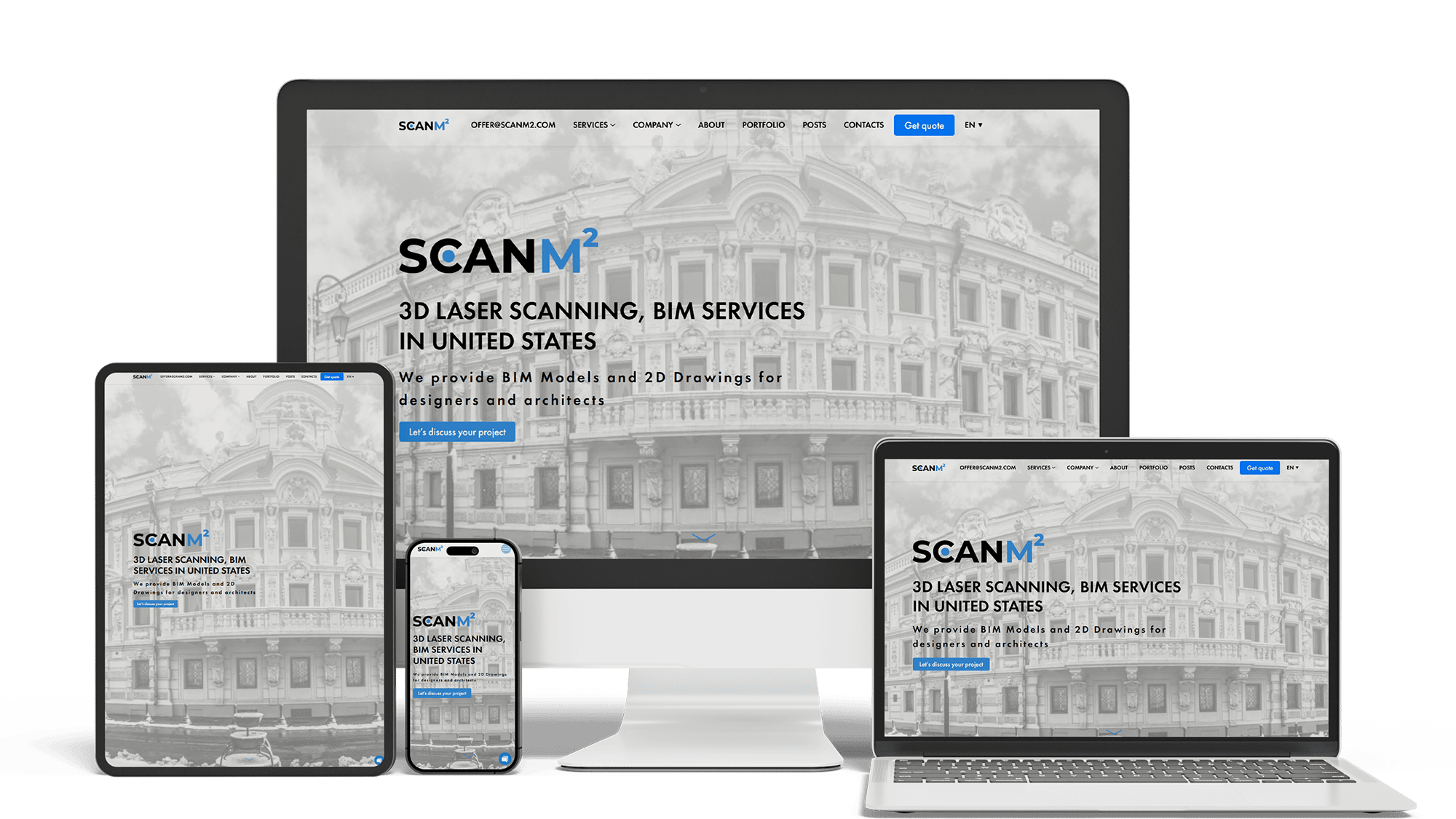
Architecture Website Rebuild and SEO
29× organic trafficLoads in under 1 sTop 3 in Poland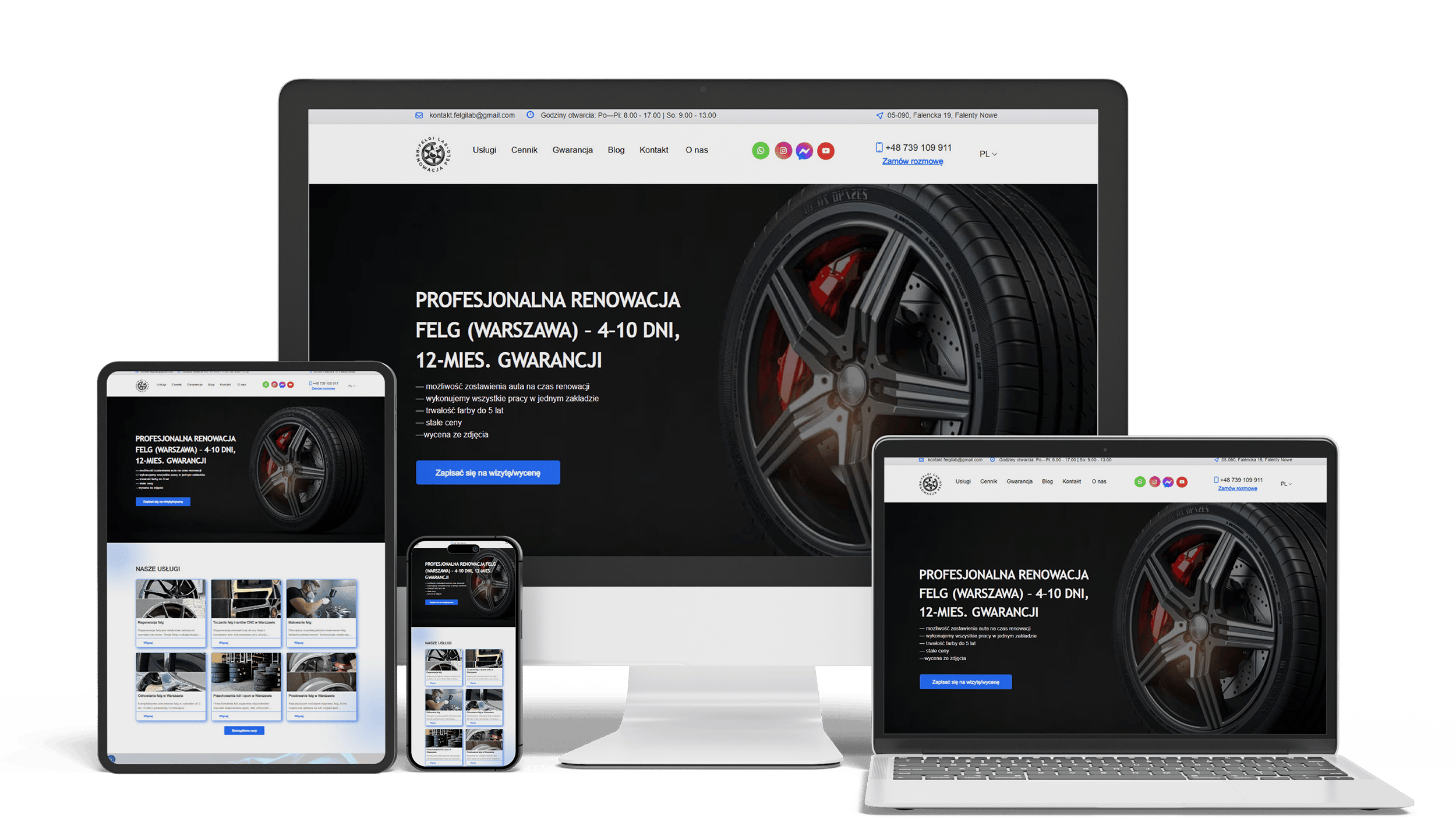
Auto Repair SEO & UX Boost
Performance 90++10% organic trafficLeads from forms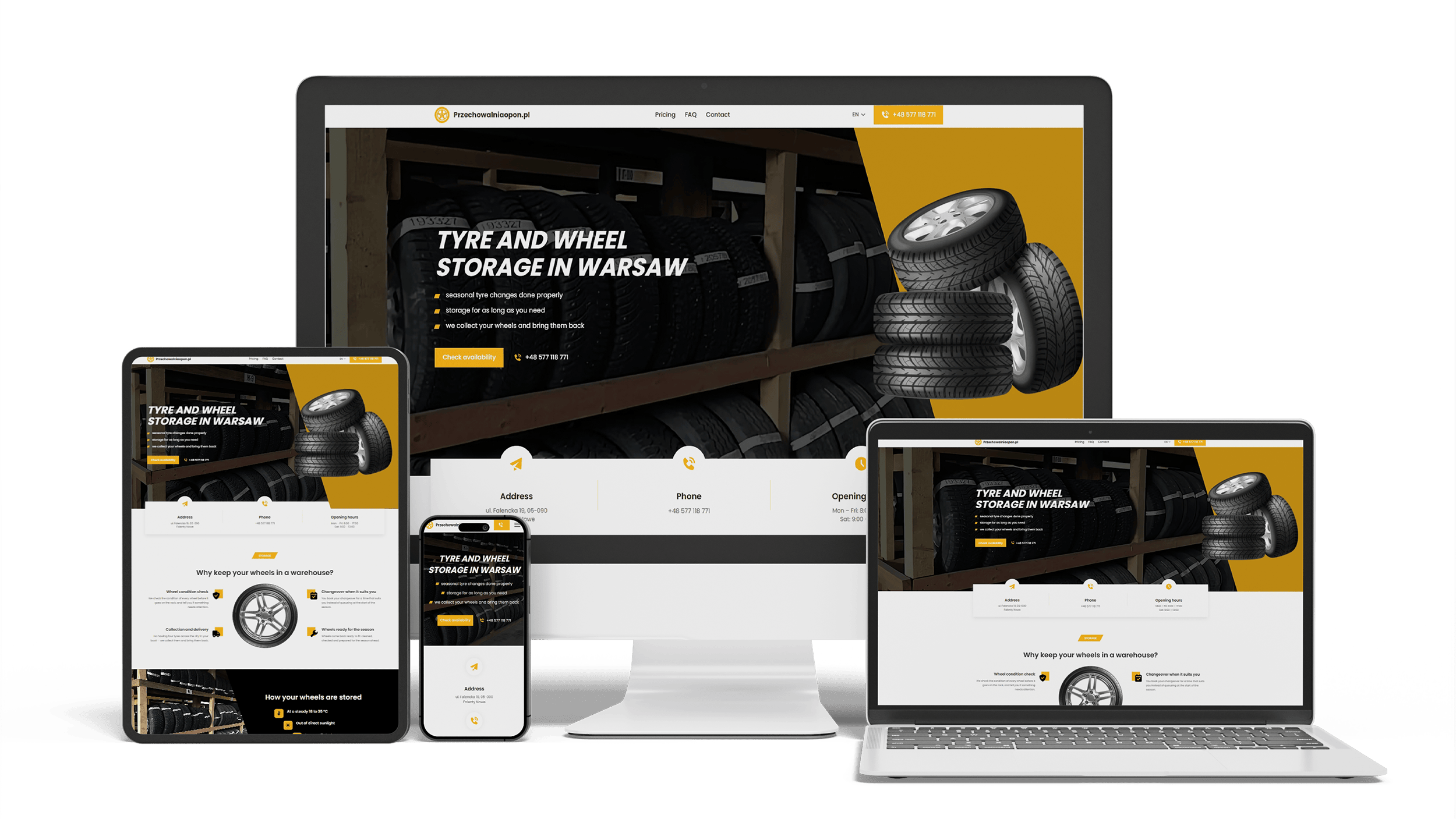
A multilingual landing page for a wheel and tyre storage business
100/95/100/1003 languagesClient edits it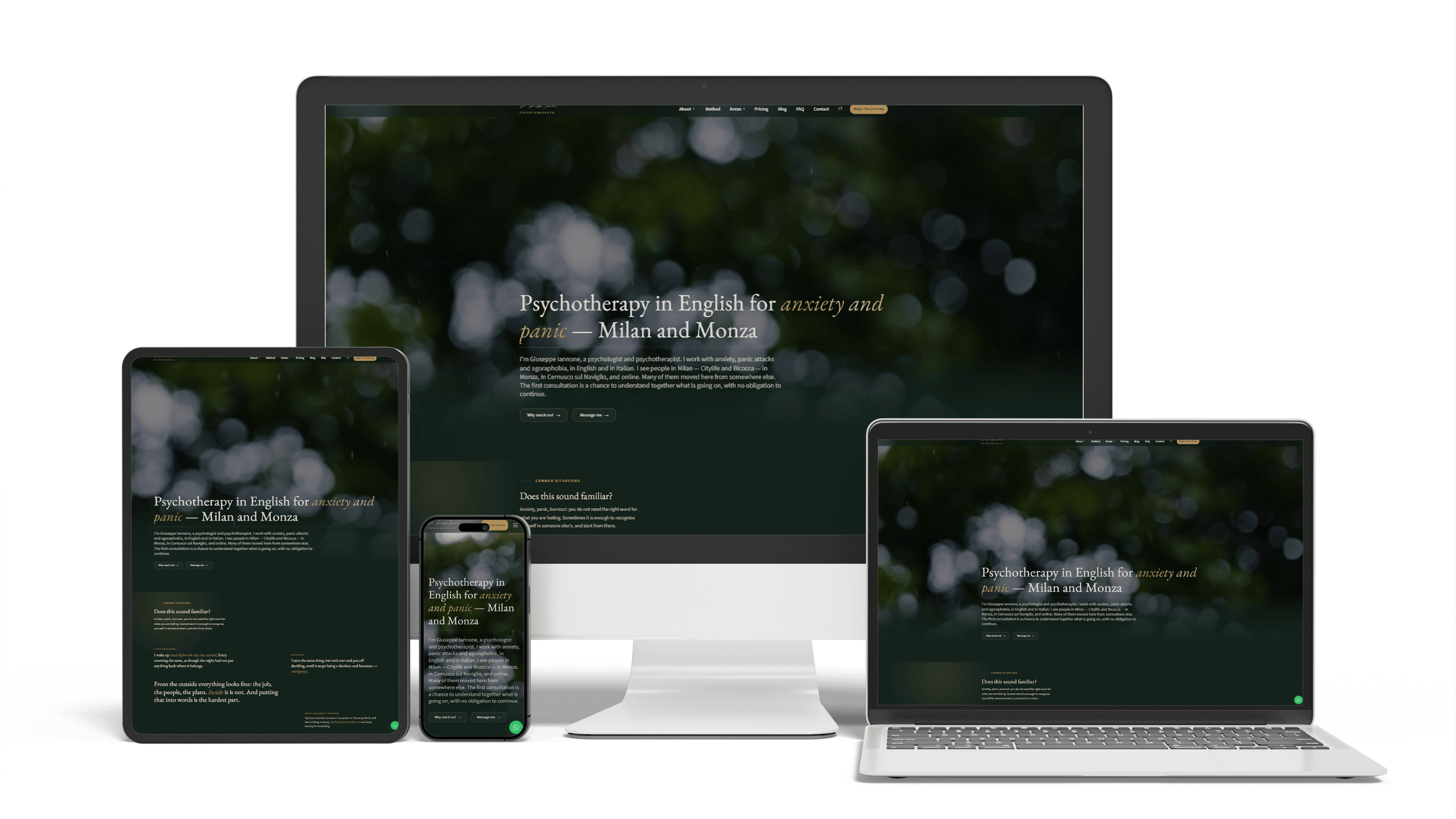
Bilingual psychotherapist website in Italy
468 of 468 posts moved2 languagesSeen in ChatGPT answers
Get a quote for conversion rate optimization
I reply within one business day with the first things I would check on your site and a fixed price.
I provide conversion rate optimization services as the same person who builds and repairs websites, so the analysis ends in changes to your site’s code, not in a slide deck for someone else to implement. CRO means getting more of the visitors you already have to do what the site exists for: call, send an inquiry, book or buy. Most sites lose those visitors in a few predictable places — a first screen that does not say what is sold, a form that breaks on a phone, a delivery cost revealed at the last step, a contact button nobody finds. Finding them takes measurement. Fixing them takes a developer.
The mix depends on the site, but the work usually covers these parts:
- analytics and event setup: GA4 events for form sends, calls, WhatsApp clicks, bookings and purchases, so a conversion is counted the same way before and after every change
- funnel analysis: which pages people land on, where they leave, and how phones differ from desktops
- session recordings and heatmaps, used to see where people hesitate, tap on things that are not links or stop scrolling
- first screens: what you sell, for whom, where, at what price level, and one clear next step
- forms: only the fields you need, the right keyboard on a phone, errors shown next to the field and a confirmation that says what happens next
- speed: slow templates, heavy images and third-party scripts fixed at the source
- trust elements: real photos, reviews, prices or price ranges, terms, and who is behind the business
- calls to action and contact paths: call, WhatsApp, form and booking buttons placed where the decision is made and sized for a thumb
Every check above is done on a phone first, where layout, form and speed problems show up before anywhere else.
Conversion rate optimization companies usually work in two steps: a strategist finds problems and writes recommendations, and your developer or another agency implements them weeks later. That model fits large stores with a product team, a testing program and enough traffic for several experiments a month.
Most businesses looking for CRO help are in a different position: one website, one developer or none, and a list of known problems that has waited for months. As a conversion rate specialist who also builds sites in WordPress and Next.js, I change the template, the form or the checkout step myself, test it on real devices and measure it. The person who found the problem is the person who fixes it, so nothing gets lost in a ticket queue.
A CRO audit is the usual start. I need read access to Google Analytics 4 and Search Console, and your definition of a good lead or a good order. Then I go through the site the way visitors do: from the pages they actually land on, on a phone, filling in and sending every form.
You receive a written list of problems, each with a screenshot or a short recording, why it costs you inquiries or sales, and the effort to fix it. The list is sorted by expected effect against effort, so the first items are cheap fixes on the pages with the most traffic. If tracking is missing or wrong, fixing it comes first: without it, nothing that follows can be measured. You can carry out the fixes with your own developer or have me do them.
An A/B test shows two versions of a page to two groups of visitors and compares the results. It is the cleanest way to measure a change, but it needs volume: each version has to collect enough conversions to tell a real difference from chance. A busy store can get a usable answer about a product page within weeks. A service site with a few dozen inquiries a month would wait many months for one test.
When A/B tests are worth running
- pages with high traffic and frequent conversions: product pages, checkout steps, landing pages behind a large ad budget
- questions where the outcome is uncertain, such as how prices are presented or the order of checkout steps
Before-and-after measurement for smaller sites
For most small and medium sites I use careful before-and-after measurement instead: a fixed baseline period, changes released in dated groups and annotated in analytics, conversion rates compared by channel and device, and the same period of the previous year where the business is seasonal. It is less precise than a test, so I use it for clear problems — a broken form does not need an experiment — and keep testing for the questions that remain open.
On a lead-generation site the conversion is an inquiry, and its quality matters as much as the count. A form that collects ten vague messages is worse than one that collects four with a budget and a deadline. The work focuses on:
- service pages that answer what a buyer asks before contacting anyone: scope, process, price range, timelines and examples of work
- a quote form that asks for exactly what you need to reply with a price
- a thank-you page that says when and how you will answer
- tracking that separates spam and job applications from real inquiries
ScanM2, a 3D laser scanning and BIM company, had received no leads for two years from its no-code website. After I rebuilt it on WordPress, keeping its design, it gets inquiries every week. That change came from search and conversion work together.
For a workshop, a clinic or a repair service, most conversions happen on a phone, and many of them are not forms at all: people call, write on WhatsApp or tap for directions. Conversion work for local services means:
- call, WhatsApp and directions buttons on every page, fixed to the bottom of the screen on phones
- a WhatsApp link that opens with a prefilled message naming the service the visitor was reading about
- every tap on the phone number, WhatsApp button or map counted as a conversion, so you see which pages bring contacts
- opening hours, service area and price ranges visible without long scrolling
The Warsaw auto repair shop and the tyre-storage service in my portfolio are built this way. Getting found on the map in the first place is a separate job, covered by local SEO services.
In a store the path is longer, and every step can leak buyers:
- product page: photos that show the product in use, the price, delivery cost and time before the cart, availability, sizes and returns in plain words
- cart: quantities and options editable in place, the full cost visible, no forced account
- checkout: guest checkout, the payment methods buyers expect in their country, working autofill and clear error messages
- after the purchase: a confirmation page and email that answer “when will it arrive?”
The Landi Room course page is a compact example of a page built to sell: one offer, Stripe Checkout and a protected video link delivered automatically after payment. It sold more than 100 courses from its first Google Ads campaign. For product and category pages that need organic traffic, see ecommerce SEO services.
A website can fail in two opposite ways. It can rank and get visits that leave without contacting you — a conversion problem that more traffic will not solve. Or it can turn its few visitors into customers well while almost nobody finds it — a visibility problem that CRO will not solve. Most sites have some of both, so I look at both numbers before deciding where your budget goes first.
Conversion changes must not cost rankings: the headings, text and internal links a page ranks with are kept or moved on purpose, not deleted for a cleaner layout. The search side of the work is on the SEO optimization and strategy page.
Visitors who arrive from ChatGPT, Perplexity or a link in Google AI Overviews rarely see your homepage. The assistant sends them to the page it quoted: a service page, a price list, a blog post from two years ago. They come with part of their question already answered and a specific reason to click. So every page that can be cited has to work as a first page: who you are, what you offer, the price level and the next step, without assuming the visitor has seen anything else on the site.
In analytics I separate this traffic — ChatGPT adds utm_source=chatgpt.com to its links, and other assistants show up as referrers — so you can compare how these visitors convert against search and ads. Giuseppe, a psychotherapist in Milan whose site I rebuilt, found me through ChatGPT. Getting cited at all is the work described on AI-ready SEO and GEO optimization; which sources assistants rely on when they recommend a business is in my study of 141 AI answers.
Before any change, we agree what a conversion is for you — a sent form, a call, a WhatsApp chat, a paid order — and I record a baseline. After each group of changes the report shows:
- conversion rate by channel and device, against the baseline and, where it matters, the same period last year
- the number and quality of leads or orders, not only the rate
- what changed on the site and when, so every rise or drop can be traced to a date
Results are reported as measured numbers, including changes that made no difference, rather than as a percentage promised before anyone has seen your data.
- CRO audit — tracking check, funnel analysis and a list of fixes sorted by effect: from 250 €.
- One-off fixes — a form, a checkout step, a first screen or the speed of key templates: 250–700 € per task.
- Monthly CRO work — analysis, changes in the code, tests where traffic allows and a monthly report: from 800 € per month.
All ranges are on the pricing page. The first call, 15–30 minutes, is free: we look at your site together and I tell you whether conversion work, SEO or both should come first.
Conversion rate optimization services: frequently asked questions
Order conversion rate optimization services: what to send me
Send the website address, what counts as a conversion for you — a call, an inquiry, an order — roughly how many visits and conversions you get a month, and the pages you suspect are losing people. GA4 access helps but is not needed for the first reply. I will answer with what I would check first and a fixed price. Use the form above or write on WhatsApp.
