


Dentist SEO Services
I provide dentist SEO services for dental practices: treatment pages for implants, aligners and veneers, insurance and financing pages, dentist-reviewed content and AI answers, so patients who search for a dentist book with you.
- Treatment pages + AI answers
- Audit from 250 €
- Reply within one business day
What you get with dentist SEO services
- Keyword data for your treatments and townsImplants, aligners, emergencies — with real volumes
- A page for each high-value treatmentImplants, Invisalign, veneers, pediatric care
- Insurance, financing and new-patient pagesThe cost questions patients ask before booking
- Dentist-reviewed content for YMYLNamed authors, credentials and review dates
- Answers in ChatGPT and AI OverviewsPractice facts and structured data assistants can quote
- New patients from search, reportedReferral source tracked in your practice software
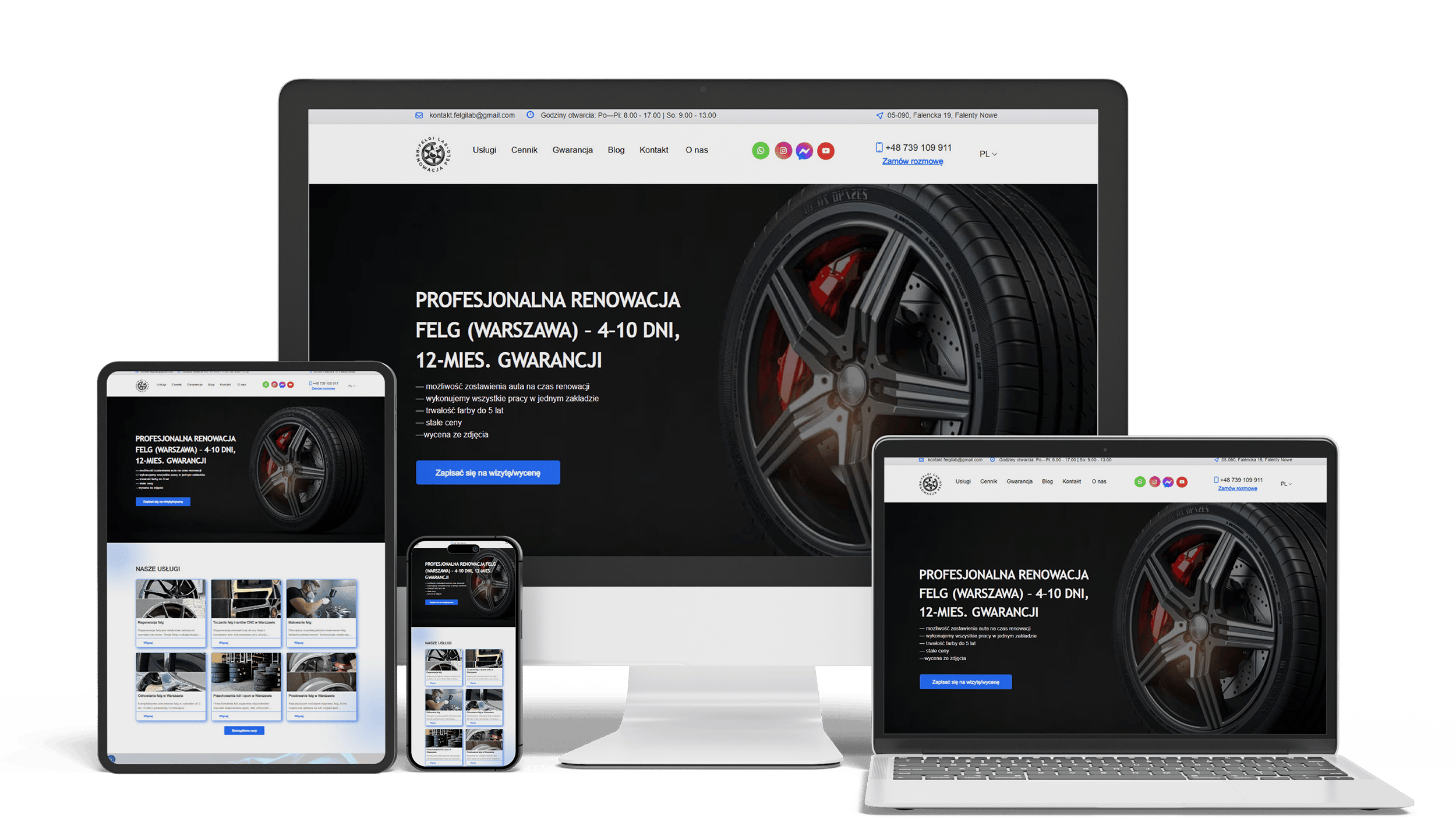
Auto Repair SEO & UX Boost
Performance 90++10% organic trafficLeads from forms
Full WordPress Rebuild for a Car Rim Restoration Company
92/91/96/100Photo quote formLocalBusiness markup
A multilingual landing page for a wheel and tyre storage business
100/95/100/1003 languagesClient edits it
Full Multilingual Website Development & SEO for Student Services
+5,930 clicks in 6 months359k impressionsTeam edits it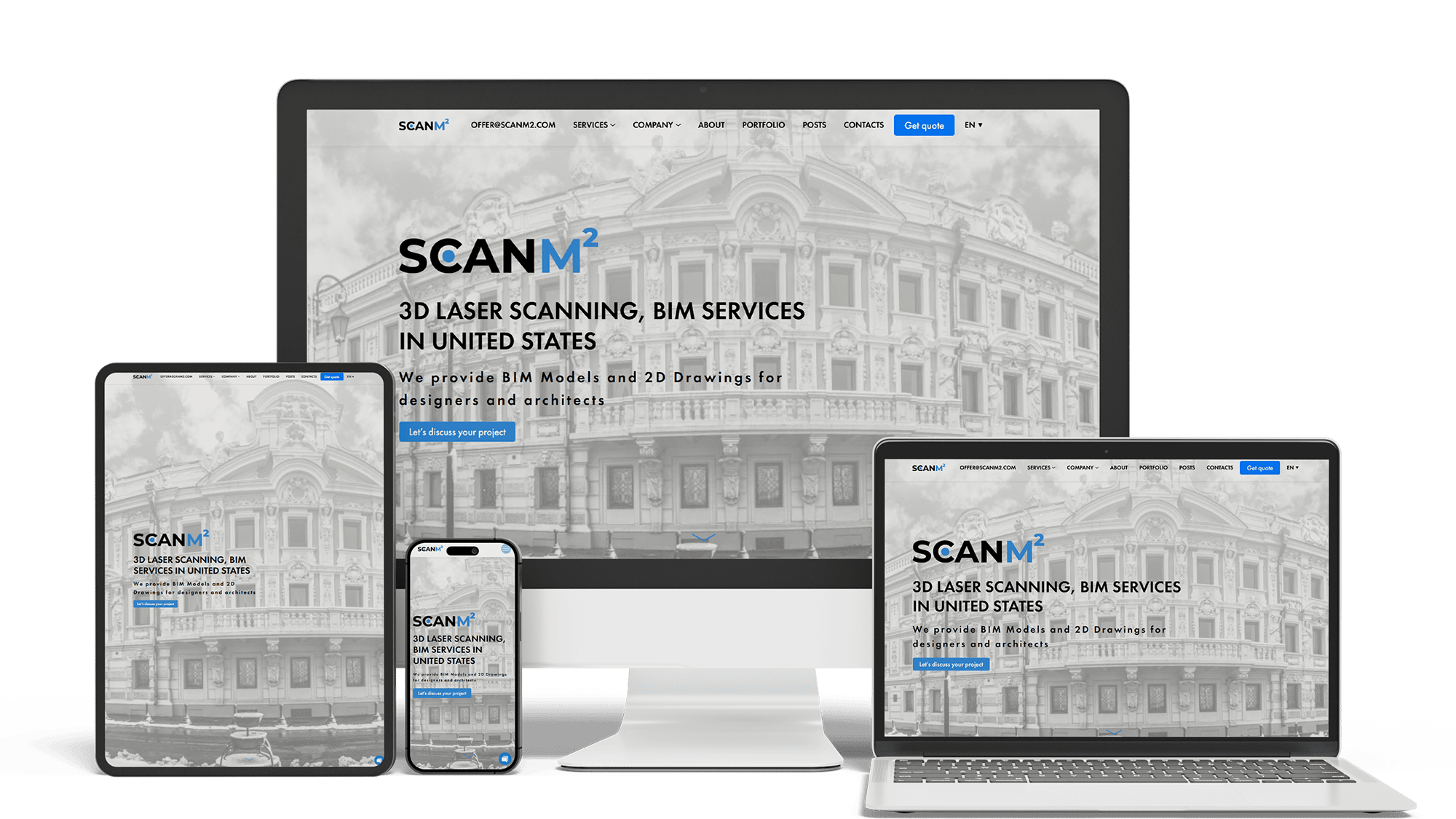
Architecture Website Rebuild and SEO
29× organic trafficLoads in under 1 sTop 3 in Poland
Get a quote for SEO for your dental practice
I reply within one business day with what I would fix first on your practice website and Google profile, and a fixed price.
Dentist SEO services are the work that gets a dental practice found when people search for a dentist, a treatment or an urgent appointment in their town: treatment pages, keyword data, technical fixes and the facts Google and AI assistants need before they trust a health website. I do this work myself, as a single SEO specialist who also builds websites, so the person who audits your site is the person who fixes it. Dental SEO is measured in new patients and booked consultations, not in a traffic chart.
SEO in dentistry means making the practice website and its listings the answer to the searches patients make before they book. Those searches fall into three groups, and each needs different work:
- urgent searches — “emergency dentist near me”, “broken tooth”, “toothache weekend” — where the patient calls one of the first practices they see
- treatment research — “dental implants cost”, “Invisalign vs braces”, “veneers before and after” — where the patient reads for weeks and compares practices
- searches for the practice by name after a recommendation, where your own site should come first with correct hours and a booking button
The map results decide many urgent searches. The website decides treatment research and name searches. AI answers draw on both, and they lean heavily on what your own pages say.
The most effective SEO keywords for dentists are rarely “dentist” on its own. Patients combine a treatment, a problem or a payment question with a place:
- treatment and town: “dental implants [city]”, “Invisalign provider near me”, “porcelain veneers [neighborhood]”
- a problem in plain words: “chipped front tooth”, “lost a crown”, “wisdom tooth swelling”
- payment: “dentist that takes my insurance”, “implants payment plan”, “dentist without insurance cost”
- the patient: “pediatric dentist”, “dentist for anxious patients”, “sedation dentistry”
Before writing anything I pull real search volumes for your treatments and the towns your patients come from, and check which of your pages already rank. A keyword list is only useful when each phrase belongs to one page; two pages both aiming at “dental implants” usually means neither ranks.
One implant case or one aligner treatment can be worth more than a year of check-ups, and patients research these treatments longest. Each needs its own page, written around the questions people ask before a consultation.
Dental implant pages
Single implants, implant bridges, full-arch options, bone grafting if you do it, the number of visits, a price range and financing. Patients want to know who places the implant and how long they have done it, so the page names the dentist.
Invisalign and clear aligner pages
Searches mix the brand and the category: “Invisalign”, “clear aligners”, “invisible braces”. If you are an Invisalign provider, say so within the brand’s rules; if you offer other aligner systems, explain the difference in plain words. Many readers are comparing your practice with mail-order kits, so describe how treatment with in-office check-ups works.
Veneers and cosmetic dentistry pages
Veneers, bonding and whitening are searched together with “cost” and “before and after”. Photos of your own cases, published with patient consent, and a plain description of the consultation do more than stock images of perfect smiles. This is also where SEO for cosmetic dentists differs from general dentistry: fewer searches, higher value per patient.
“Emergency dentist near me” is searched at night and at weekends, almost always on a phone. An emergency page says in its first line whether you see same-day patients, shows the phone number as a button and lists the hours someone actually answers. If you do not take after-hours emergencies, say where patients should go; a page that promises more than the phone delivers turns into bad reviews.
Parents looking for a pediatric dentist want to know the age you start seeing children, what the first visit looks like, whether a parent can stay in the room and which plans cover children. A pediatric practice, or a family practice with a children’s section, needs this as its own page, apart from adult treatments.
Cost sits behind many dental searches, and most practice websites answer it with “call us”. Pages that help both rankings and patients:
- an insurance page listing the plans you are in network with, and how out-of-network visits are billed
- a financing page: payment plans, third-party financing and an in-house membership plan if you run one
- a new-patient page: what the first visit includes, what to bring and which forms to complete before arriving
- new-patient specials written as plain offers with their conditions, not pop-ups that cover the page on a phone
These pages rank for searches like “dentist that takes [plan name]” and give AI assistants concrete facts to repeat about your practice.
Most technical problems on dental websites are common and cheap to fix:
- main content that takes longer than 2.5 seconds to appear on a phone, usually because of sliders, video headers and large before-and-after photos
- online booking from NexHealth or a similar scheduler, or a chat widget, loaded in a way that slows every page
- one “Services” page for every treatment, so none of them ranks
- no structured data marking the practice as a dentist, with its dentists, hours and locations
Forms need separate attention. In the US, a form that collects health information can fall under HIPAA. The safer options are form and booking providers that sign a business associate agreement, or a form that asks only for a name, contact details and a preferred time and leaves clinical details for the visit. This is a general point, not legal advice; your compliance adviser makes the final call.
If the site needs rebuilding rather than fixing, the dental clinic website page describes how I build one, and dental website design covers the design side.
For “dentist near me” the map pack usually decides who gets the call, and it depends on the Google Business Profile, reviews and listings more than on the website. Categories, hours, the review routine after each visit and listings such as Healthgrades and ZocDoc are covered on the local SEO for dentists page. On the website side, what matters is that each profile links to its own location page, the site and the profile list the same treatments, and reviews are never bought or filtered to happy patients only.
A dental service organization with ten or fifty offices has a different problem from an independent practice. The group needs a location page for each office with its own dentists, hours, photos and insurance list, one profile per location linked to that page, and central treatment pages that do not compete with the location pages for the same searches.
An independent practice cannot outspend a group on ads, but it can win where group sites are thin: the dentist’s own name and background, real photos of the office and team, and detailed pages for the treatments the practice is known for.
Patients now ask ChatGPT, Perplexity or Google’s AI Overviews which dentist in their town does implants with sedation, or how much veneers cost, and the answer may name practices before anyone clicks a link. Getting a practice into those answers is called generative engine optimization (GEO) or answer engine optimization (AEO). For a dentist it means:
- treatments, dentists, credentials, languages spoken, hours and accepted insurance written as plain facts on the site
- price ranges and financing options in text an assistant can quote
- structured data marking the practice as a dentist, with its dentists and locations
- the same details on Google, Healthgrades, Yelp and insurance directories, which assistants cross-check
I check how assistants describe your practice before the work and again after it. More on the AI SEO and GEO optimization page.
Dental marketing from an agency is usually a package: ads, social media, recall emails, sometimes call answering, with SEO as one part. I do the SEO part, plus the website when it needs rebuilding; I do not run ads or social accounts. Whether you choose a dentist SEO agency, a larger dentist SEO company or a single dental SEO expert, the best SEO for dentists is an arrangement where you can see what was done and what it brought. Questions to ask:
- Will you report new patients from search, using the referral source in Dentrix, Open Dental or our practice software, or only rankings?
- Who owns the website, the domain and the Google profile if we part ways?
- Is clinical content reviewed by our dentists, or published under our name without that?
- How long is the contract, and what happens if nothing moves in six months?
- SEO audit of the practice website and Google Business Profile: from 250 €, one-off, with fixes listed in order of impact.
- One-off dentist SEO work — treatment, insurance and emergency pages, structured data, technical fixes: 250–700 €.
- Monthly SEO for a dental practice — new pages, AI visibility, local search and reporting on new patients: from 800 € per month; in very competitive cities from 1,300 € per month.
A single-location practice in a mid-sized town often gets most of the result from the audit and a few strong treatment pages. Physicians and medical clinics will find their version on the SEO for doctors page; all prices are on the pricing page.
Dentist SEO: frequently asked questions
Order dentist SEO for your practice: what to send me
Send the practice name, the website and Google Maps links, the treatments you want more of — implants, aligners, cosmetic work, emergencies — the towns your patients come from, and the booking or practice software you use. I will reply with what I would fix first and a fixed price. Use the form above or write on WhatsApp.
