


SEO for 3D printing companies: filtering a very large search demand down to the orders that are worth quoting
I do SEO for 3D printing shops. Your trade is the rare one with too much demand rather than too little, and most of it is one hobby part for five euros. I build pages per material and technology, put an instant quote and a minimum order on the site, and let the production enquiries through. Audit €250, ongoing €800 a month.
- A page per material
- AI SEO: ChatGPT and Perplexity
- Audit from €250
SEO for a 3D printing company: what the work consists of
- A page per material and technologySLS, SLA, FDM, metal, resin — what the buyer types
- A quote from an uploaded fileThe page that turns a visitor into an order
- A minimum order, statedFewer five-euro enquiries, more production runs
- AI SEO: ChatGPT and PerplexityWhere «which material for this part» gets asked
- The «near me» page done properly8 100 searches a month sit on that phrase alone
- Lead time and tolerance as factsWhat a professional checks before writing to you
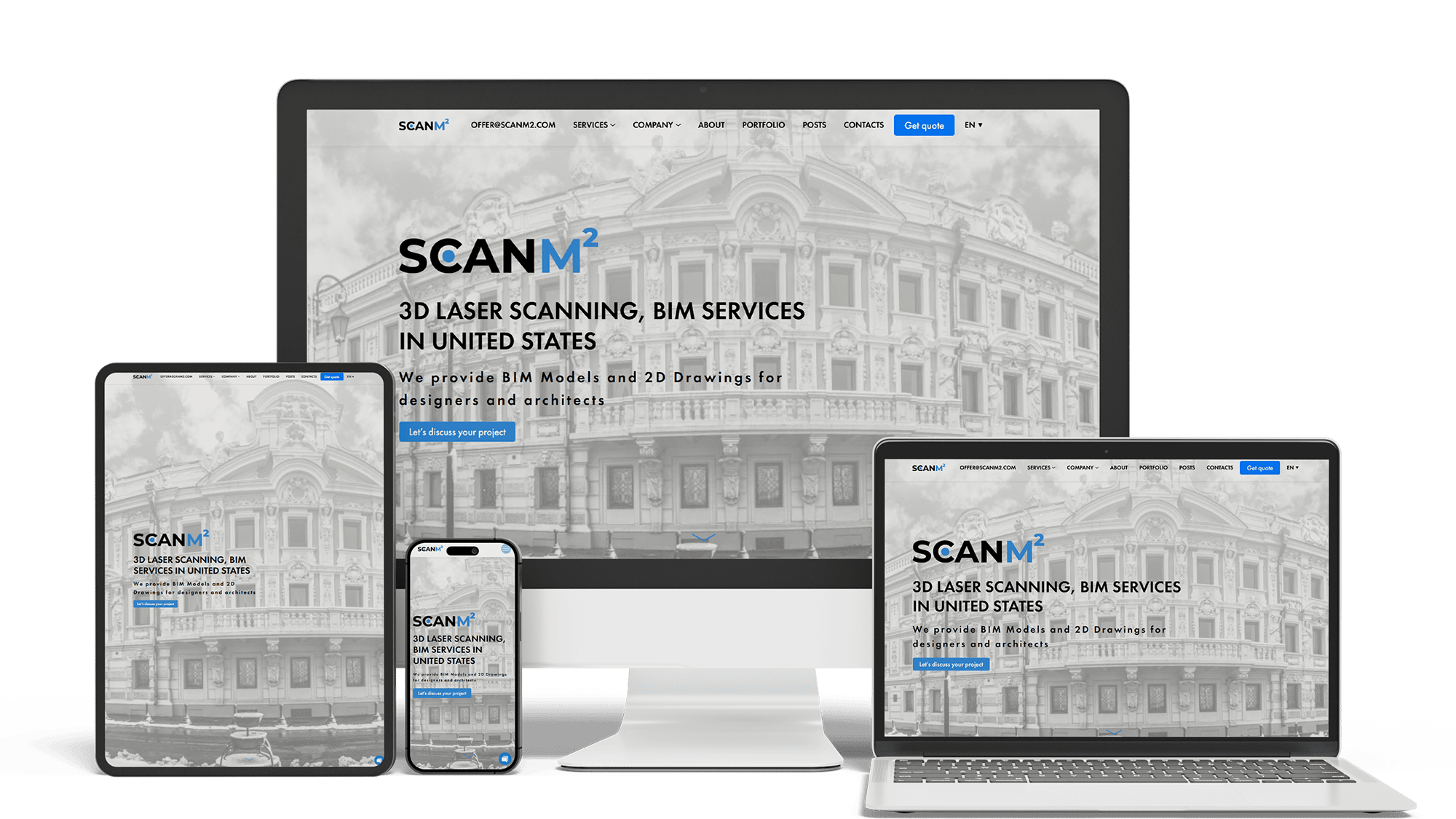
Architecture Website Rebuild and SEO
29× organic trafficLoads in under 1 sTop 3 in Poland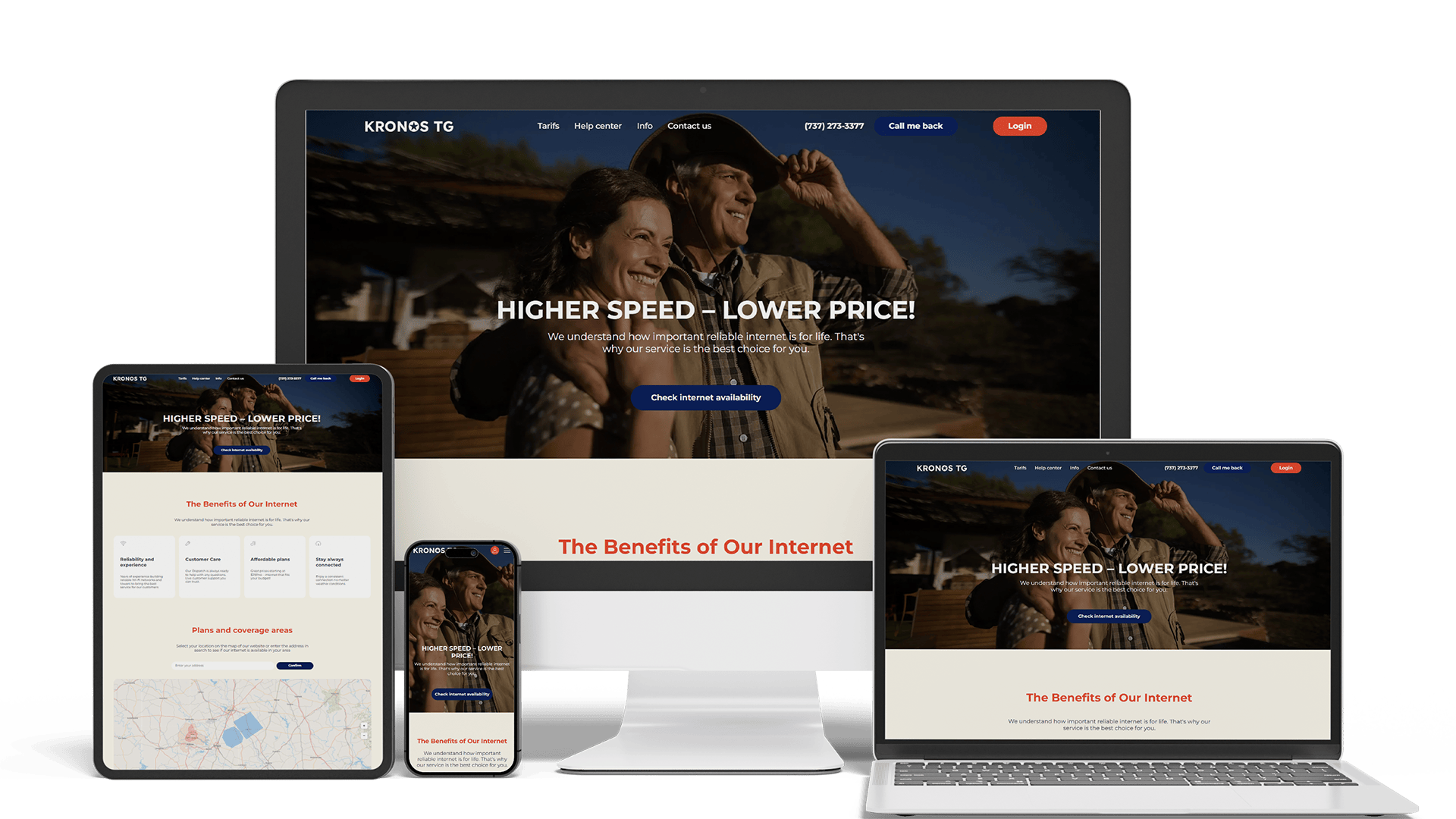
Web Development a Website for Internet Prowider
Coverage mapTariffs by zoneSchema.org markup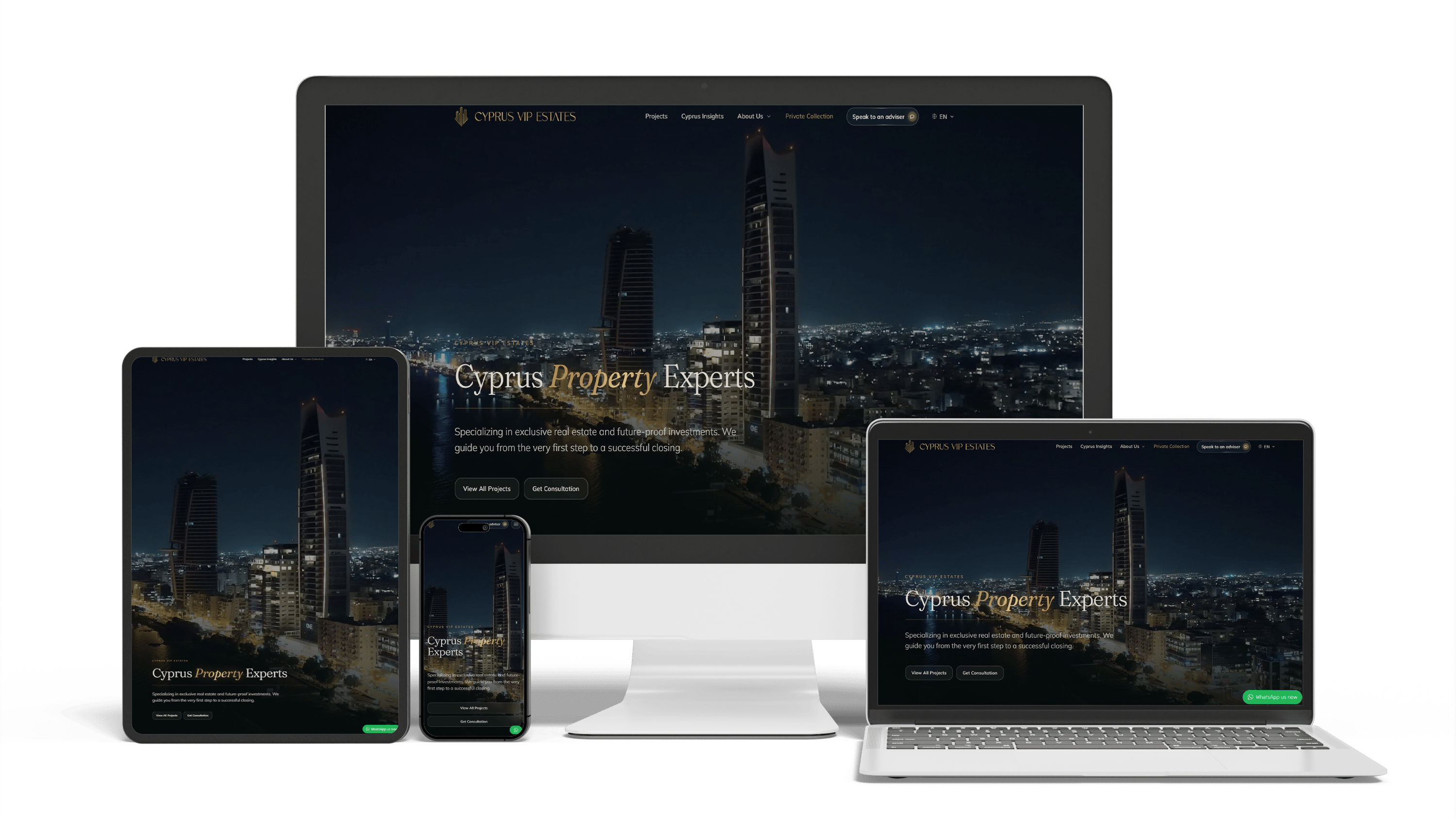
Multilingual real estate platform in Cyprus: SEO and GEO without bought links
16× faster editingTraffic from ChatGPTLeads via WhatsApp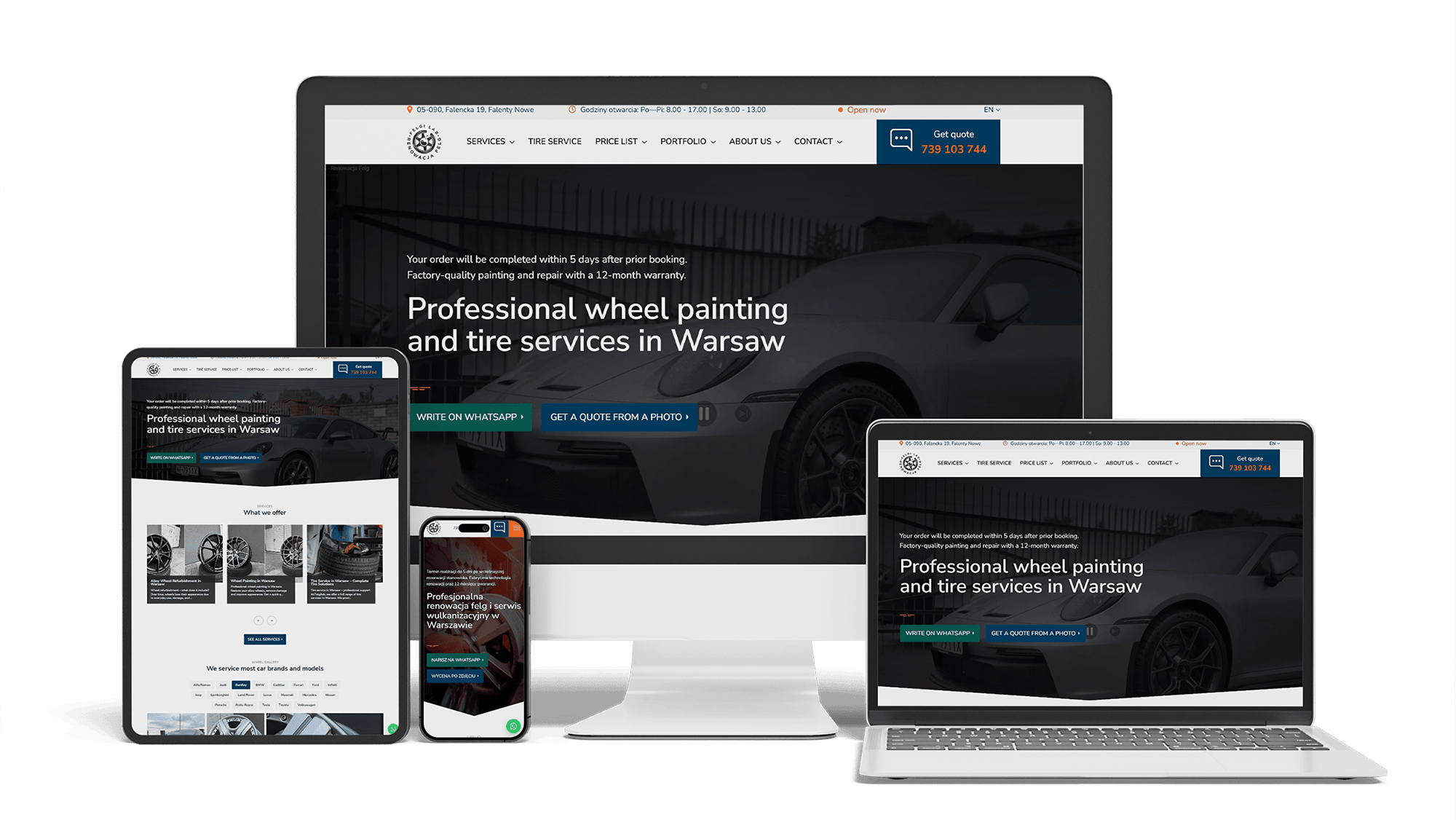
Full WordPress Rebuild for a Car Rim Restoration Company
92/91/96/100Photo quote formLocalBusiness markup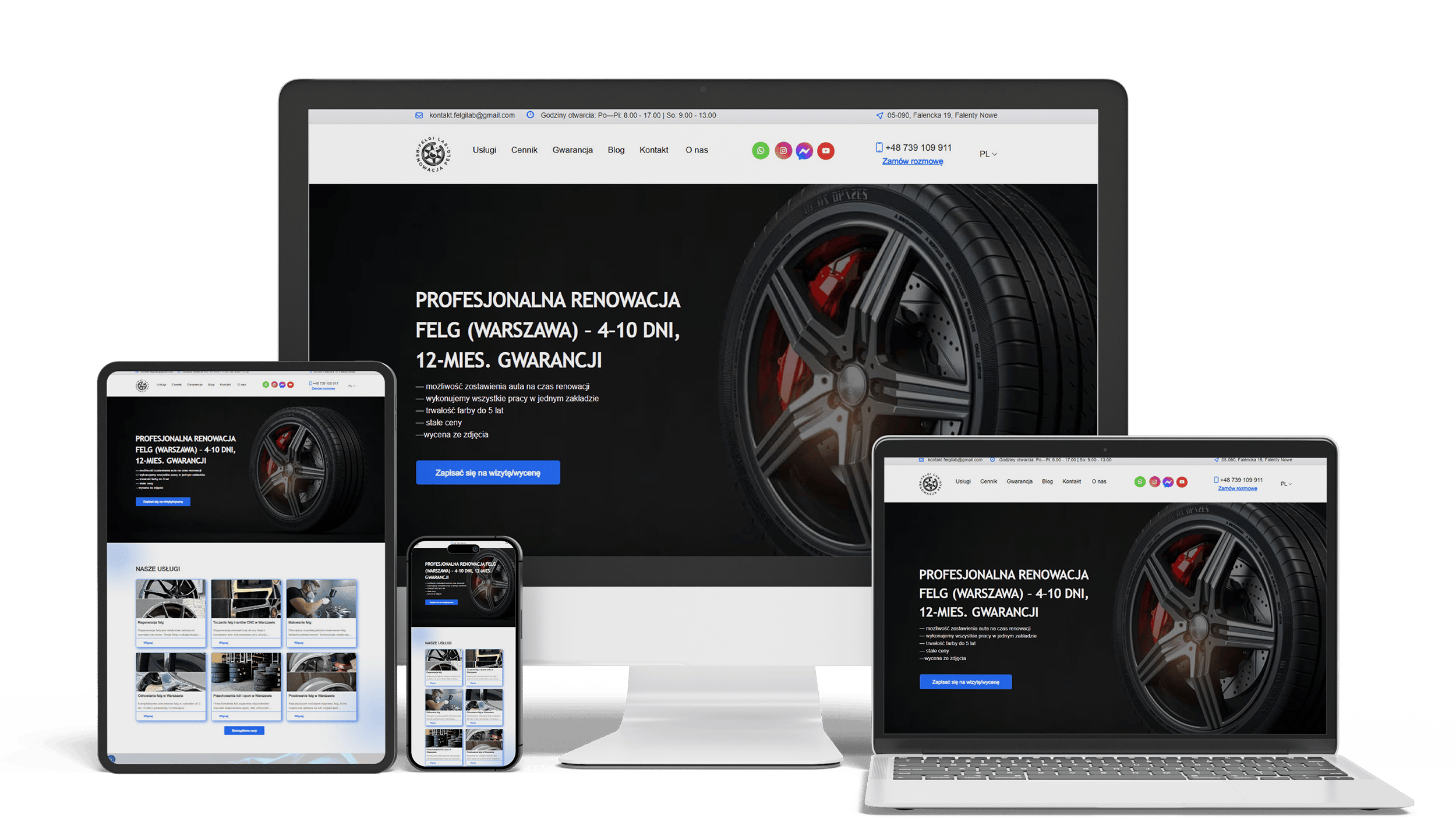
Auto Repair SEO & UX Boost
Performance 90++10% organic trafficLeads from forms
I do SEO for 3D printing shops. The work starts with one decision you make and I write into the site: the smallest order you actually want. Everything else follows from that line.
This is the one trade on my list with too much search demand rather than too little.
«3D printing services» draws 49 500 searches a month and «3D printing service near me» another 8 100. Most of that is a student with one part, a hobbyist with a phone holder, somebody who wants a figurine printed for five euros.
Meanwhile the order that pays your month — two hundred housings in nylon, a jig for a production line, a prototype series before tooling — is searched with completely different words, and usually by a person who never types «3D printing» at all.
So the site has two jobs at once:
- let the production buyer find you by his own vocabulary;
- tell the hobby enquiry, on the page, that this is not the place;
- quote the serious one before a competitor answers;
- and keep the huge general phrase as a hub that routes people onward;
- rather than as a page that collects everyone and converts nobody.
The scanning trade has the opposite problem: there the buyer never names the technology. In printing the technology is the query.
A professional writes «SLS nylon parts», «resin printing tolerance», «metal 3D printing service». He already knows what he needs and is choosing a supplier, which makes these the most valuable words on the site and the easiest to rank for, because almost nobody writes a proper page about them.
One page per material and process, each answering the same four questions: what it is good for, what tolerance you hold, what it costs per part, and how long it takes.
Underneath them go application pages — jigs and fixtures, spare parts, architectural models, short production runs — because that is how the buyer thinks about his own problem.
In this trade the buyer already has a file. That changes everything.
If he can upload it and see a price and a date, he orders. If he has to describe the part in a contact form and wait a day, he goes to one of the online services that answered in thirty seconds.
So the quote is not a page somewhere in the menu. It is the thing the whole site is built around: upload, material, quantity, tolerance, a price or a range, and a dispatch date. Everything else on the site exists to bring a person to that form with the right expectations.
The job, the words the buyer uses, and what the page has to prove
| The job | What the buyer searches | What the page has to prove |
|---|---|---|
| Prototype before tooling | «rapid prototyping services» | Lead time, iterations, what you do with a bad file |
| Functional parts in nylon | «sls printing», «nylon 3d printing» | Tolerance, strength, finish, price per part |
| Fine detail and casting patterns | «sla printing», «resin printing service» | Resolution, materials, post-processing |
| Metal parts | «metal 3d printing service» | Process, machines, certification, minimum order |
| Jigs, fixtures and spare parts | «custom 3d printed parts» | Repeatability, drawings accepted, delivery |
| Short production runs | «low volume manufacturing» | Price break by quantity, capacity, quality control |
| One part, locally | «3d printing service near me» | Minimum order, collection, how fast |
Every print shop I have seen loses hours a week to enquiries it will never accept.
The cure is one line of text: the smallest order you take, and the price it starts at. Put it on the home page, on the quote form and on the «near me» page.
It looks like turning business away. In practice it changes who writes to you within weeks, and the people who do write arrive knowing the number.
The «near me» page, worth 8 100 searches a month
That phrase is the second largest in the trade, and most shops leave it to a generic contact page.
It deserves its own page: your city and the ones you deliver to, collection times, what you can print same day, and the same minimum order. A local profile with real photographs of the machines carries the rest.
It brings hobby traffic too — which is exactly why the minimum has to be visible on it.
Price per part, published as a range
Almost no shop publishes numbers, and almost every enquiry opens by asking for one.
A range per part by material and quantity, with a line on what moves it, brings the buyer who was going to ask anyway and keeps away the one who expected five euros.
«Which material should this bracket be printed in» and «is SLS strong enough for a hinge» are assistant questions, asked long before anyone picks a supplier.
The assistant answers from readable text and names shops whose pages commit to figures — tolerance, materials, lead times, price per part.
Three things decide whether you are named: text rather than galleries of printed parts, numbers worth quoting, and the same company details everywhere you appear.
Generative engine optimization (GEO), answer engine optimization (AEO) and LLM SEO in practice
GEO and AEO are the same job from two sides: being named inside the generated answer, not only in the list of links. LLM SEO is that work across language models.
It is five or six fixes, and they overlap almost entirely with what makes the site rank at all.
On an existing site that is preparing a site for AI search. When assistants describe the shop wrongly, that is fixing AI misinformation.
Print shop sites are built from photographs of parts, and they are heavy. A gallery that takes six seconds on a phone costs more orders than it wins.
Keep the photographs, serve them at a sane size, and let the page open in under two seconds.
Then test the upload itself on a phone, with a 60 MB STEP file, on a weak connection. A quote form that silently fails on large files is the most expensive bug in this trade, and almost nobody checks it.
An SEO audit for your 3D printing company
Send the site and I reply within one working day: what is holding it back and what I would do first.
SEO for 3D printing services: frequently asked questions
Order an SEO audit for a 3D printing company: what to send me
Send the site. Say which orders you want more of, what your smallest useful order is, and whether a client can get a price without writing to you.
I reply within one working day: what is holding the site back, which pages are missing, and what I would do first.
