


SEO for a driving school: how to be found by learners searching for a gearbox, a test centre and a date
Learners do not search for a driving school. They search for automatic or manual, for a test centre, and for how soon they can take the test. A school that answers those three in text wins the enrolment. Audit from €250.
- Automatic and manual separated
- Audit from €250
- Named by ChatGPT and AI search
What SEO for a driving school actually consists of
- Automatic and manual as separate pagesThe sharpest split in the industry
- A page per test centre you teach atKnowledge only a local school has
- Current test waiting timesThe most urgent question a learner has
- Intensive courses as their own offerA deadline is a different purchase
- Hourly and block prices on the pageLearners compare before calling
- Named in ChatGPT and AI answersServices, prices and area an assistant can quote
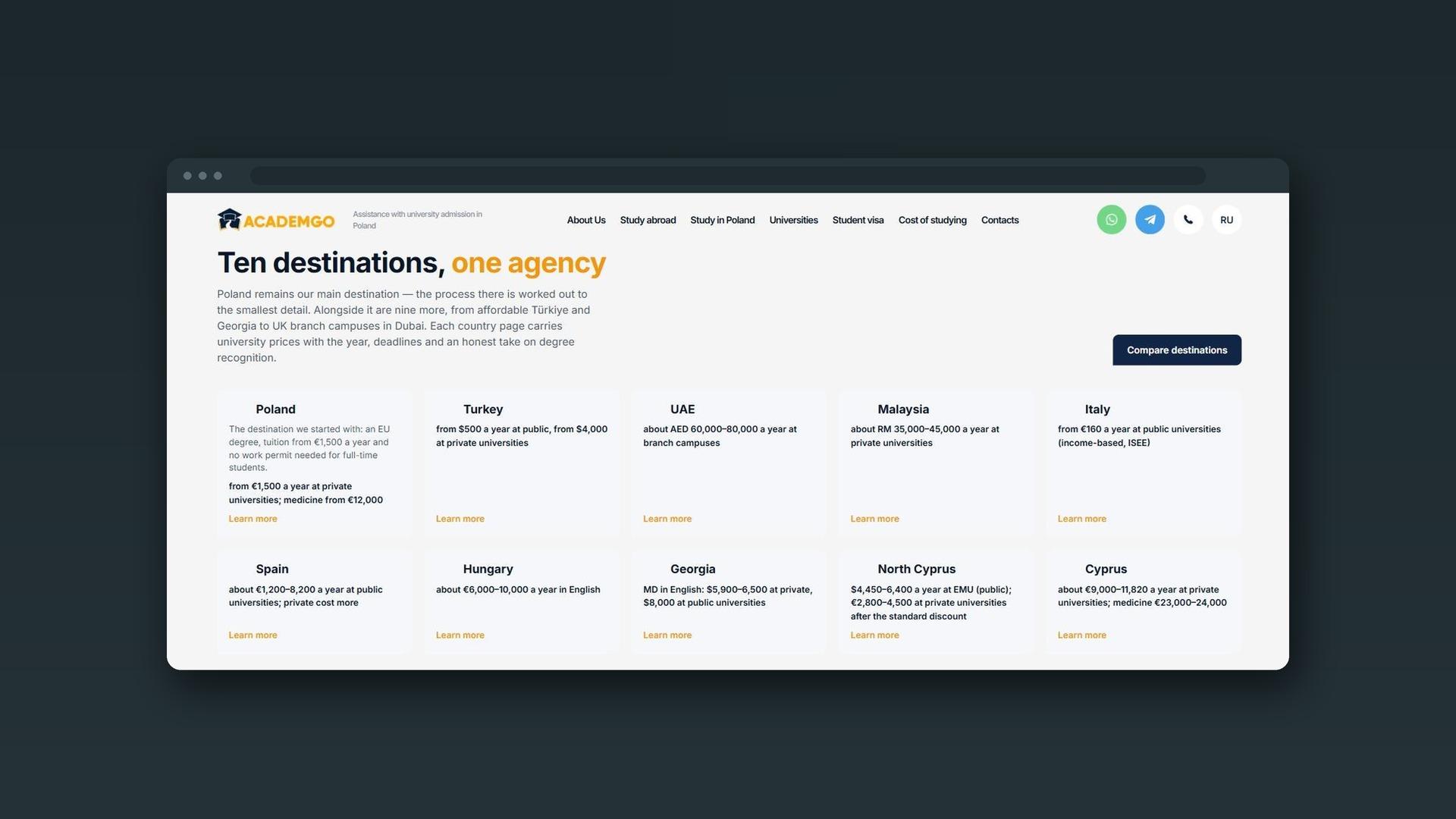
SEO case study: an education agency site, one country to ten
1 → 10 countries180 new pagesPerformance 61 → 91
Full Multilingual Website Development & SEO for Student Services
+5,930 clicks in 6 months359k impressionsTeam edits it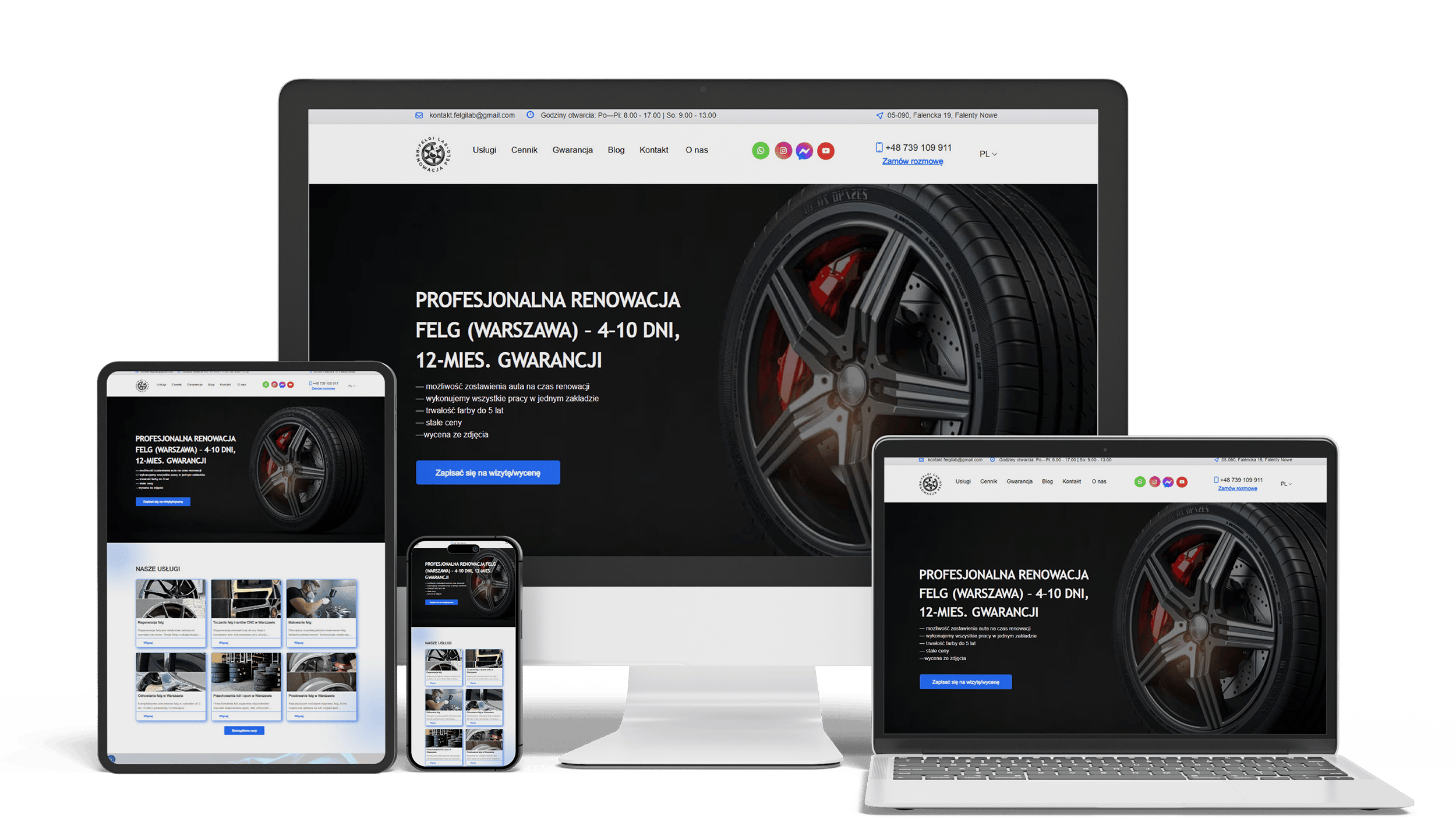
Auto Repair SEO & UX Boost
Performance 90++10% organic trafficLeads from forms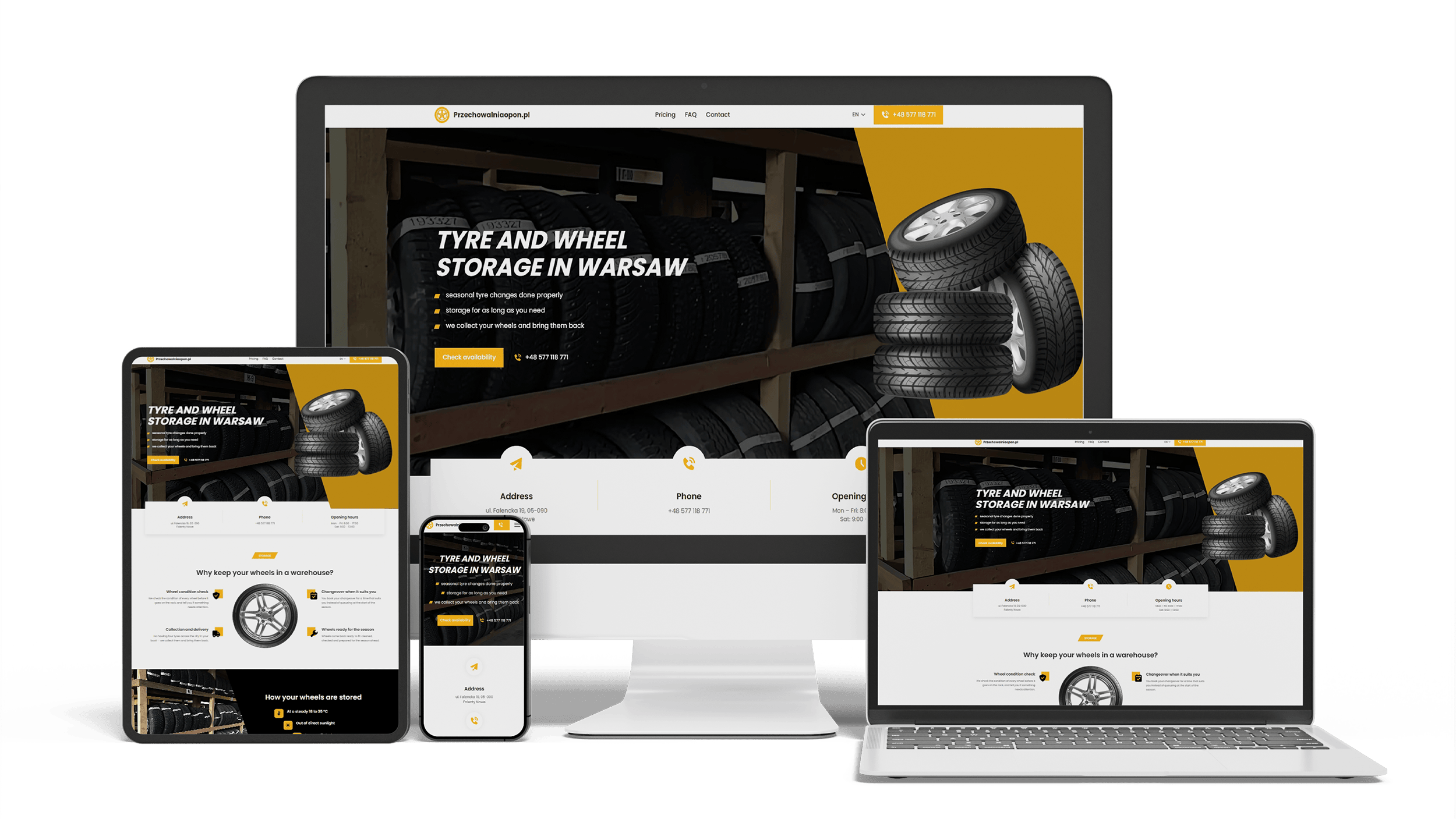
A multilingual landing page for a wheel and tyre storage business
100/95/100/1003 languagesClient edits it
Renovation and investment website with a premium feel and 96/98/100/100 performance
96/98/100/100Design system2 languages
I do SEO for driving schools myself: audit, the fixes in the code and the text, and a monthly report on enquiries.
Nobody searches for a driving school in the abstract. The first thing a learner settles is the gearbox, and it is now the sharpest division in the industry: automatic-only licences have gone from a niche to a large and growing share, pushed along by electric cars, and a learner who has decided on automatic will not consider a school that does not say it teaches in one.
Yet a great many school websites mention it nowhere, or bury it in a sentence on a general lessons page. If you have automatic cars, that is a page: how many, which instructors drive them, what the licence restriction means in practice, what it costs, and how the waiting time compares with manual. If you only teach manual, say so plainly, because the enquiries you lose that way are enquiries you could not serve anyway.
- a page for automatic lessons and a page for manual, not one page mentioning both;
- what the automatic-only licence does and does not allow, in plain terms;
- how many cars of each type you run, since availability is the real constraint;
- prices for each, because they usually differ;
- and the waiting time for each, which usually differs more.
There is a large, permanent search demand around test centres — the routes used, the junctions that catch people out, where to park beforehand, which centre has the shorter wait, what the examiners there are strict about. Learners search this obsessively in the weeks before a test, and it is answered today mostly by forums and national sites that have never been to the place.
A school that teaches at a centre every week knows all of it, and that knowledge is the one asset a national competitor cannot copy. A page per test centre, written from experience, will rank because nothing better exists for that query, and it reaches the learner at precisely the point they are deciding whether to buy a few more lessons before the test.
One caution: write what helps a learner drive well at that centre, not a claimed list of official routes. Routes change, publishing a supposed definitive list ages badly, and the useful version — what the roads there demand of a driver — is both more honest and more durable.
Test waiting times, which are the most urgent thing a learner wants to know
In many markets test slots are booked out for months, and the wait is the single most pressing question a learner has. A school that publishes the current wait at the centres it uses, explains how it books tests and says what it can and cannot do to bring a date forward answers something nobody else answers, and it builds trust in the process — this is also the question most often answered dishonestly in this trade, so being plain about it stands out.
A learner taking an hour a week for eight months and a learner who needs a licence in three weeks for a job are not the same customer. The second has a deadline, a reason, usually a higher budget, and a completely different set of questions: how many hours a day, whether a test is included, what happens if they are not ready, what the refund position is.
Intensive courses therefore deserve their own page with the price, the structure and the honest caveats, and they tend to be the most profitable thing a school sells. The weekly-lessons page can be calmer and should carry the things that worry a first-time learner instead: who the instructor will be, what happens in the first lesson, whether the car is dual-controlled, and how progress is tracked.
Instructors are your second audience, and almost no school writes for them
Driving schools are usually limited by instructors rather than by learners. Finding them is a recruitment problem, and it is also a search problem, because instructors looking for a school to join or franchise with search for exactly that — terms about joining, franchise fees, car provision, how much of the lesson fee they keep, how pupils are allocated.
A page answering those questions is rarely found on a school's website, which means the search is almost uncontested, and it addresses the constraint that actually caps the business. If you are turning learners away because you have no capacity, this is the page worth writing before any of the others.
The map profile and local search groundwork is on the local SEO page, and if you want the state of your own site established before committing to anything, that is the SEO audit.
Prices, instructors and the phone in the learner's hand
Three shorter points. Publish hourly and block prices: learners compare several schools in one sitting and a school without figures is skipped. Keep individual instructor information short but real — a learner wants to know who will be in the car, and a named instructor with their own gearbox and area beats a stock photograph of a smiling person with a clipboard.
And remember there are two readers on most enquiries: the learner, who is young and on a phone, and whoever is paying, who is often a parent reading the same page with different questions about safety, cost and whether the money is refundable. A page that answers both converts a conversation that is happening at a kitchen table rather than on your website.
An SEO audit for your driving school
Send the site and I reply within one working day: what is holding it back and what I would do first.
Being named when a learner asks ChatGPT for a driving school (GEO, AEO)
«Which driving school near me teaches in an automatic, how much is a block of ten lessons, and how long is the wait for a test» is now one question put to an assistant rather than four searches, and this trade suits it well because every part of the answer is a fact a school has to have published. The assistant answers from text it can read, so the same things decide whether a school is named: the gearbox and course types written out, prices it can quote, the test centres you use, and the same school name, address and phone number across the site, the profile and the directories.
Getting a site into that state is preparing a site for AI search, and if assistants describe the school wrongly — prices you changed, a centre you no longer use, an instructor who left — that is fixing AI misinformation.
SEO for driving schools: frequently asked questions
Order an SEO audit for a driving school: what to send me
Send the site, say which test centres you teach at, whether you run automatics, and whether your constraint right now is learners or instructors. I reply within one working day with what is holding the site back, which pages are missing, and what I would do first — and if the honest answer is that you need instructors rather than enquiries, I will say which page to write for that instead.
