


Pest Control Website Design
I design and build websites for pest control companies: a call button and a pest finder on the first screen, plan pages that sell recurring service, license and re-entry facts beside every button and photos of your own technicians — design and build at one price.
- Design + build, one price
- From 700 €
- Reply within one business day
What you get with pest control website design
- A pest finder on the first screenAnts, termites, bed bugs, rodents — one tap each
- Plan pages laid out like subscriptionsWhat is covered, re-service, price if you publish it
- License, products and re-entry times as textBeside the buttons, not in the footer
- Your technicians and trucks, not hazmat stockA simple shot list for your crew
- Booking and sign-up from your softwareFieldRoutes, PestPac, GorillaDesk or similar
- Readable by Google and AI assistantsPests, plans and areas written as page text
Auto Repair SEO & UX Boost
Performance 90++10% organic trafficLeads from forms
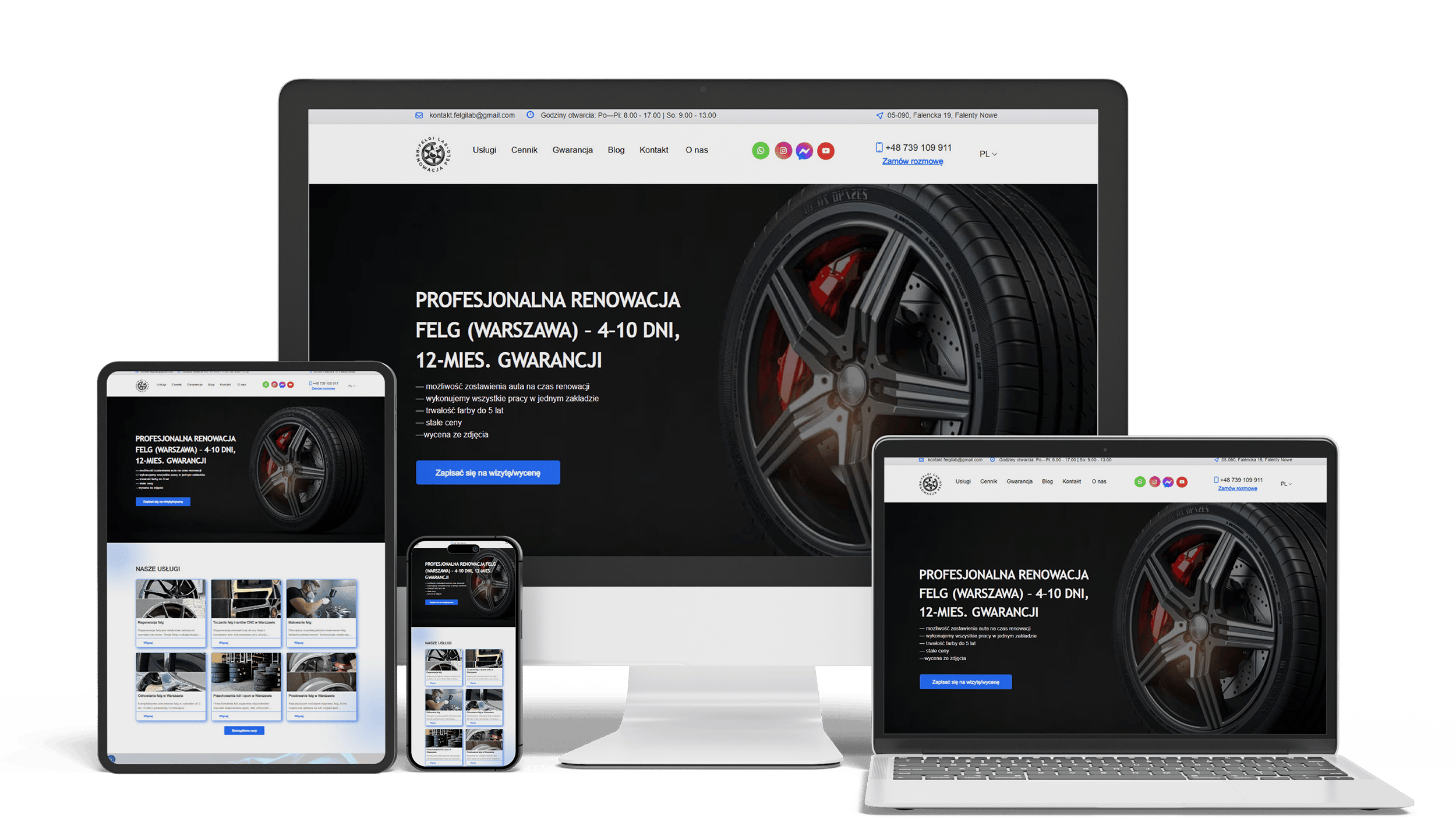
Full WordPress Rebuild for a Car Rim Restoration Company
92/91/96/100Photo quote formLocalBusiness markup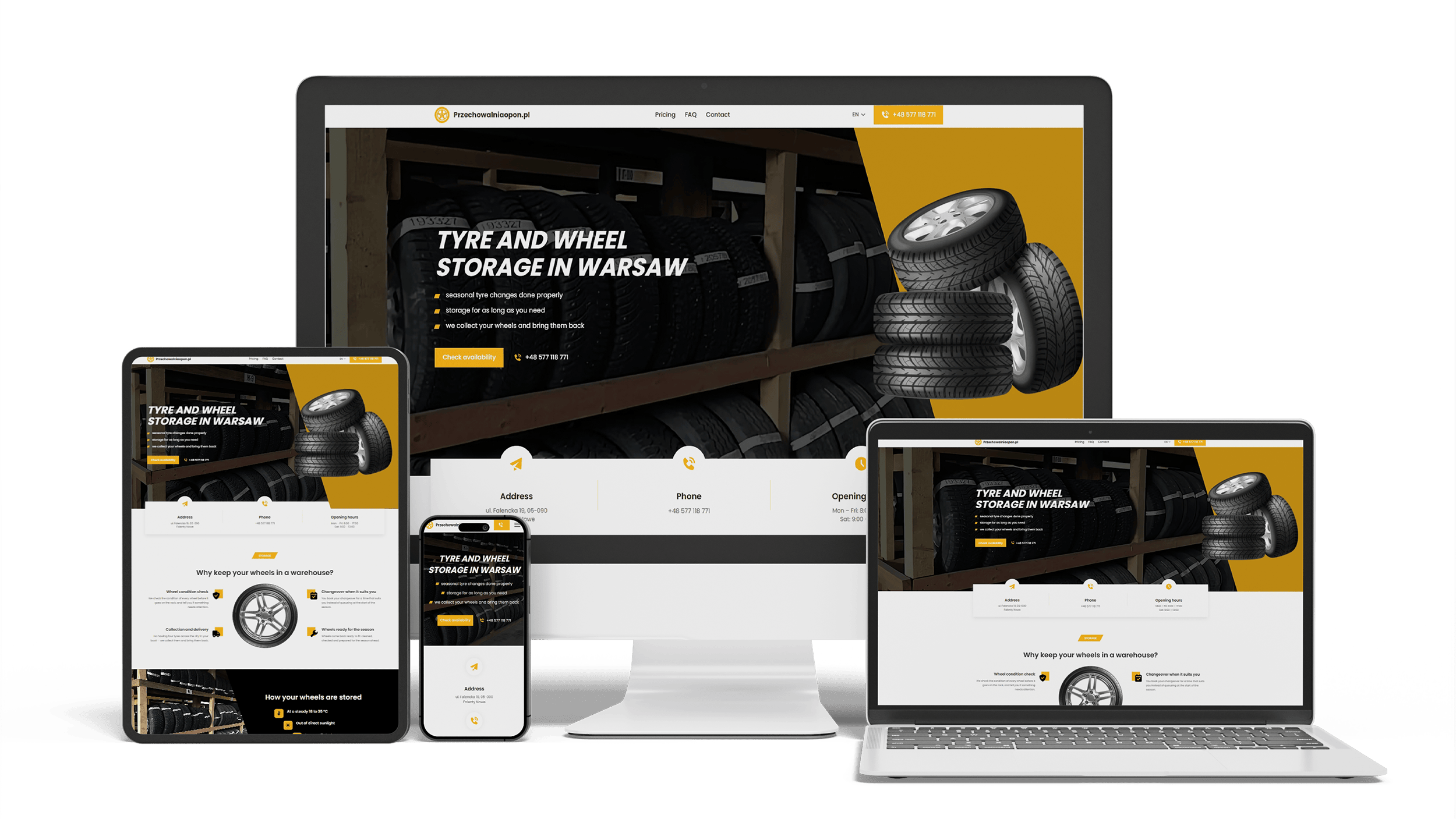
A multilingual landing page for a wheel and tyre storage business
100/95/100/1003 languagesClient edits it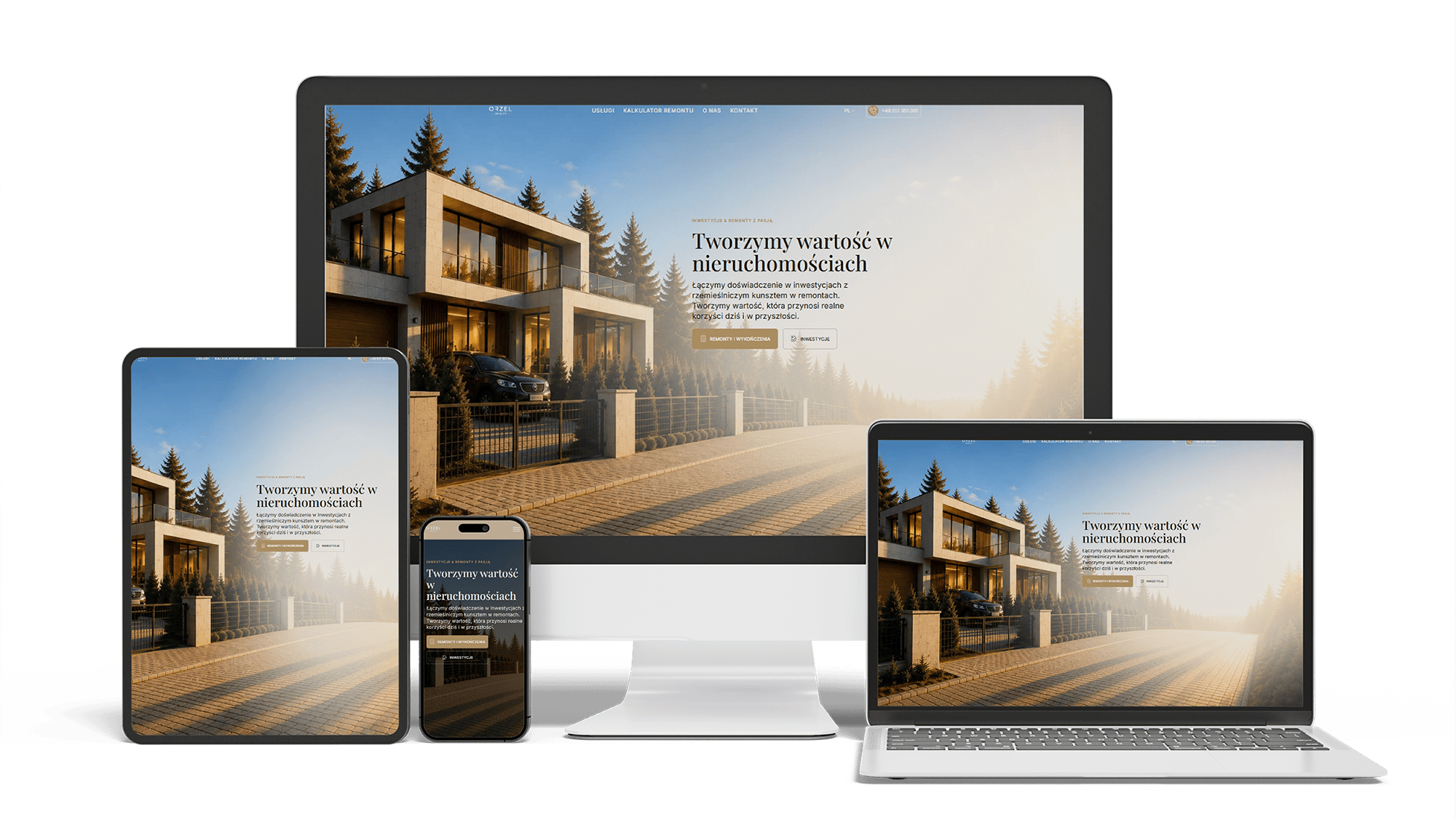
Renovation and investment website with a premium feel and 96/98/100/100 performance
96/98/100/100Design system2 languages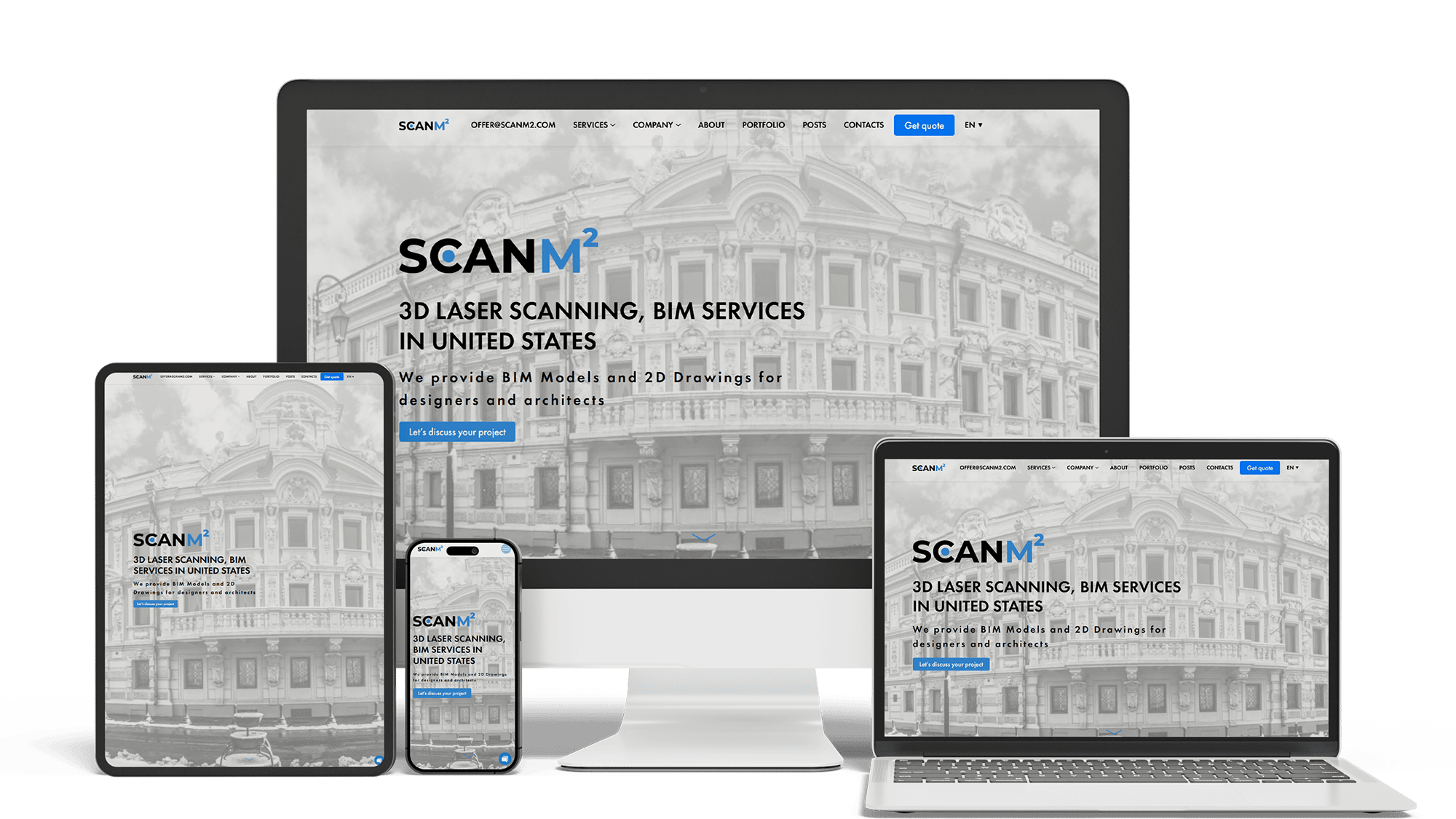
Architecture Website Rebuild and SEO
29× organic trafficLoads in under 1 sTop 3 in Poland
Get a quote for your pest control website design
I reply within one business day with a list of pages for your company and a fixed price.
I design websites for pest control companies and write the code myself, so you deal with one person and one price for both. Pest control website design decides what a visitor sees and does in the first minute: name the pest, decide whether to trust you, then call, book or sign up for a plan. Most visitors arrive on a phone, some still holding a flashlight over whatever they found under the sink.
Three kinds of people open a pest control site, and the design gives each a path without making the others wait:
- the one-time caller has wasps by the door or a mouse in the kitchen and needs your number, the pest, the area and how soon you come
- the plan buyer compares quarterly service between two or three companies and reads what is covered, what it costs and how to cancel
- the commercial manager runs a restaurant, a warehouse or apartment buildings and looks for service reports, insurance and someone to arrange a site survey
The home page shows three doors at once — call now, see plans, commercial service — and each looks different, so nobody ends up in the wrong form.
The first screen carries five things and nothing more:
- what you do and where: “Pest control in [county] — homes and businesses”
- a call button and a second button to book or request a quote
- the pest finder, as one row of icons
- one line of proof: licensed, review score, years in the area
- a photo of one of your technicians at work
Slogans about a pest-free life and full-screen video of someone spraying a baseboard move down the page or go. On every page the call and booking buttons stay fixed at the bottom of the phone screen.
Many callers do not know what they have: “little black bugs” could be ants, carpet beetles or young cockroaches. A pest finder — simple drawings of ants, cockroaches, termites, bed bugs, rodents, wasps and mosquitoes, with “Not sure?” at the end — takes the visitor straight to the right page. “Not sure?” opens a short form with a photo upload, so the office can name the pest before quoting.
The drawings are clean line icons in your brand color, not close-up photos of insects next to your logo. Real pest photos belong further down the pest pages, sized small, where a visitor compares them with what they found.
A recurring plan is sold like a subscription, and its page is designed like one. If you sell two or three levels — an exterior plan, a plan with interior visits, a plan with mosquito or termite cover — they sit side by side as cards that still read well on a phone:
- the plan name and what it protects against
- how often the technician comes and what the first visit includes
- re-service between visits, worded as a promise you keep
- a monthly or per-visit price if it is public, or a “from” price
- one button per plan: sign up, or ask a question
Below the cards come the questions people ask before committing: contract length, cancellation, whether someone must be home, what happens when it rains on service day.
Routing software such as FieldRoutes, PestPac or GorillaDesk usually offers a booking form, an online sign-up or a customer portal for bills and service history. Each one helps only if visitors see it at the right moment, so the layout places it:
- as the second button in the fixed bar on phones
- at the end of every plan page and every residential pest page
- as “Customer login” and “Pay your bill” links in the header, for people already on a plan
The embedded form gets your colors and fonts wherever the tool lets it. Whether your account supports embeds, an API or only a hosted page, I check before quoting.
A technician sprays inside the house where children play and the dog sleeps. Visitors look for reasons to let you in, and the design puts those reasons next to the booking buttons:
- the license number and the agency that issued it, in text
- one short line on re-entry times and pets, linked to a fuller safety page
- the guarantee in plain words — free re-service between visits, or what your termite warranty covers
- your star rating and a couple of fresh reviews that mention the pest
- association memberships, only those you really hold
Stock photos of a masked figure in a hazmat suit frighten people and say nothing about you. Your technician in uniform at a front door, a truck with your logo, a bait station placed neatly by a foundation, a sealed gap under a garage door — these show a careful company the neighbors would not mind seeing. Phone photos work if they are taken in daylight; I send your team a short shot list.
Some customers, bed bug customers above all, prefer that nobody sees a pest control truck outside. If you send unmarked vehicles, the bed bug page says so right beside its button.
Paid clicks that land on the home page waste part of the budget. A pest control landing page is built for one pest and one offer — “Bed bug inspection this week” or “First quarterly visit” — with the same words as the ad, the call button, a three-field form, three reviews that mention that pest and no menu that leads away. The layout is part of the site, so your office can copy it for each new campaign without a designer.
Commercial buyers rarely book online. They want proof that you understand inspections and paperwork, then a conversation. The commercial section gets its own menu entry and a calmer look: facility types with a photo each — restaurants, food plants, warehouses, multi-unit housing, offices — a sample service report to download, and a request form that asks for the facility type, its size and the inspection or audit being prepared for. Those requests go to whoever sells commercial contracts, not into the residential booking queue.
Searches for the best pest control websites lead to template stores, Dribbble shots and sites made with field service software builders. A template or builder site is a fair start for a one-truck operator: a few pages, a call button, a form. The gaps appear as the company grows — no room for a pest finder, plan cards squeezed into a sidebar, one page for every pest, booking that opens on someone else’s domain. A custom design pays off when recurring plans carry the business, when you sell commercial contracts or when paid ads land on the site.
Customers ask ChatGPT, Perplexity or Google’s AI Overviews which local company treats termites or whether a quarterly plan is worth paying for. Assistants read text, not icons. A design that keeps the license inside a badge image, plan contents inside a graphic and service areas on a map picture hides them; the same facts as page text, with structured data for the business, its services and its areas, can be quoted.
Being named in those answers takes ongoing work — see AI SEO and GEO optimization. Ranking in Google and on the map is the subject of the pest control SEO and local SEO services pages.
- Brief. Your pests and services, plans and prices, towns, license details, reviews and photos of the team and trucks.
- Phone layouts. The first screen, one pest page and one plan page are drawn at phone size first, and we settle them before anything else.
- The other pages. The commercial section, the landing page layout and the desktop versions are put together from the same parts.
- Launch. The site goes live fast and editable by your office, with calls, booking and plan sign-up wired in.
Design is part of the build, and one price covers both: a simple pest control website costs 700–1,400 €; a site with a pest finder, pest and plan pages, online sign-up, a commercial section, the landing page layout and local search setup costs from 2,000 €.
Full ranges are on the pricing page and my general approach on the website development page. Companies that also run lawn care crews will find more on the landscaping website design page.
Pest control website design: frequently asked questions
Order pest control website design: what to send me
Tell me your company name and link your current site or Google profile. Add the pests you treat, your plans and whether prices are public, the towns on your routes and the software you schedule with. Photos of technicians and trucks, if you have them, show me what the first screen can be built around. You get a page list and a fixed price back. Use the form above or write on WhatsApp.
