


Farm Website Design for Farms That Sell Direct
Farm website design for family farms that sell direct: a list of what’s in season that you update from your phone, online orders with pickup slots and deposits for meat shares, CSA sign-ups, farm stand hours with directions that work on back roads, and pages for U-pick days, farm events and wholesale buyers.
- Design + build, one price
- From 700 €
- Harvest list you edit yourself
What you get with farm website design
- A weekly availability listChanged from your phone in the field
- Orders, pickup slots and depositsEggs, boxes, meat shares, holiday birds
- CSA and box subscriptionsShares, pickup sites, skipped weeks, waitlist
- Farm stand, markets and directionsHours, market days, a pin on your real gate
- U-pick, events and wholesaleBookings for visitors, a price list for chefs
- Clear to Google and AI assistantsProducts, hours and practices as text
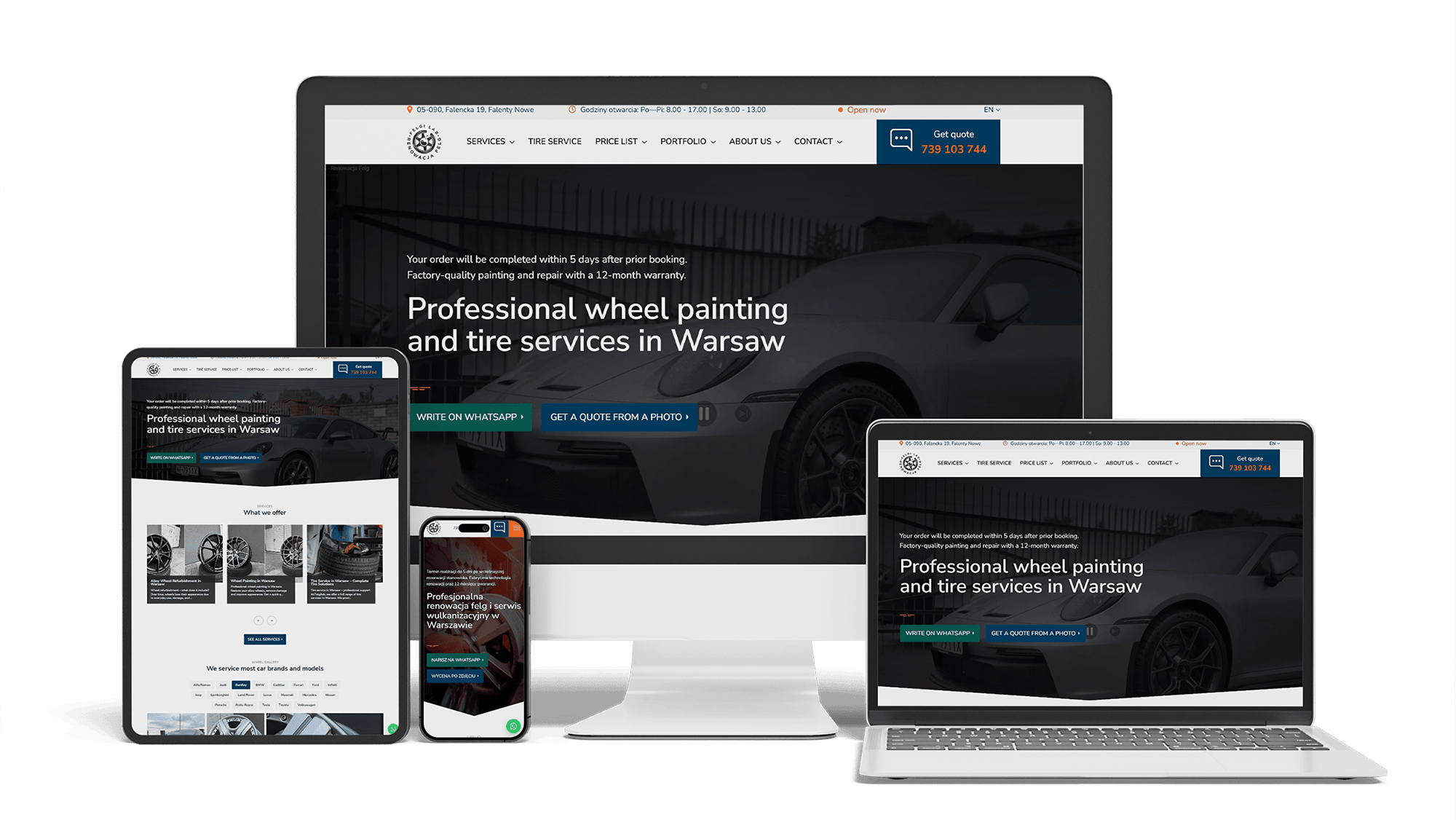
Full WordPress Rebuild for a Car Rim Restoration Company
92/91/96/100Photo quote formLocalBusiness markup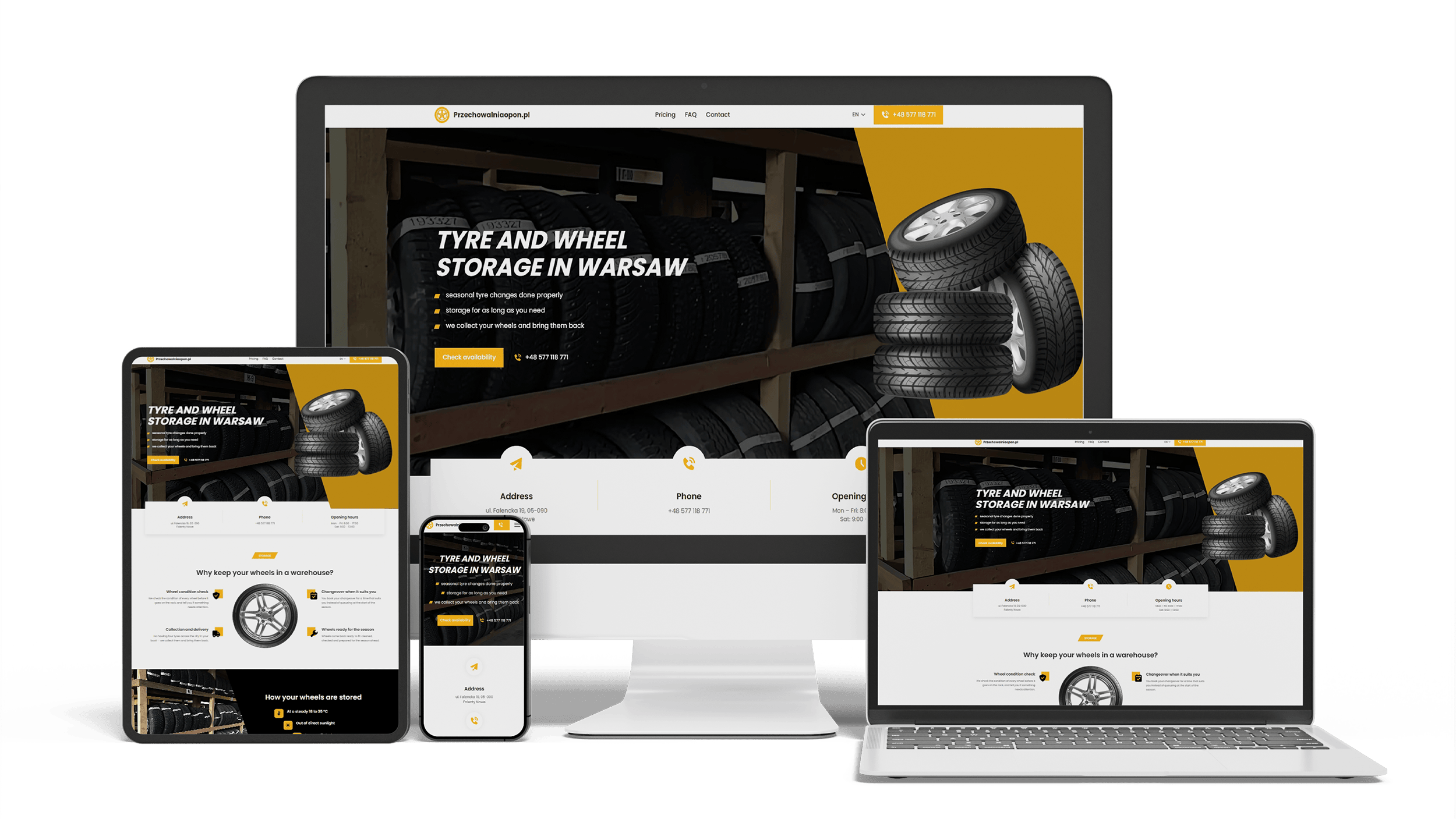
A multilingual landing page for a wheel and tyre storage business
100/95/100/1003 languagesClient edits it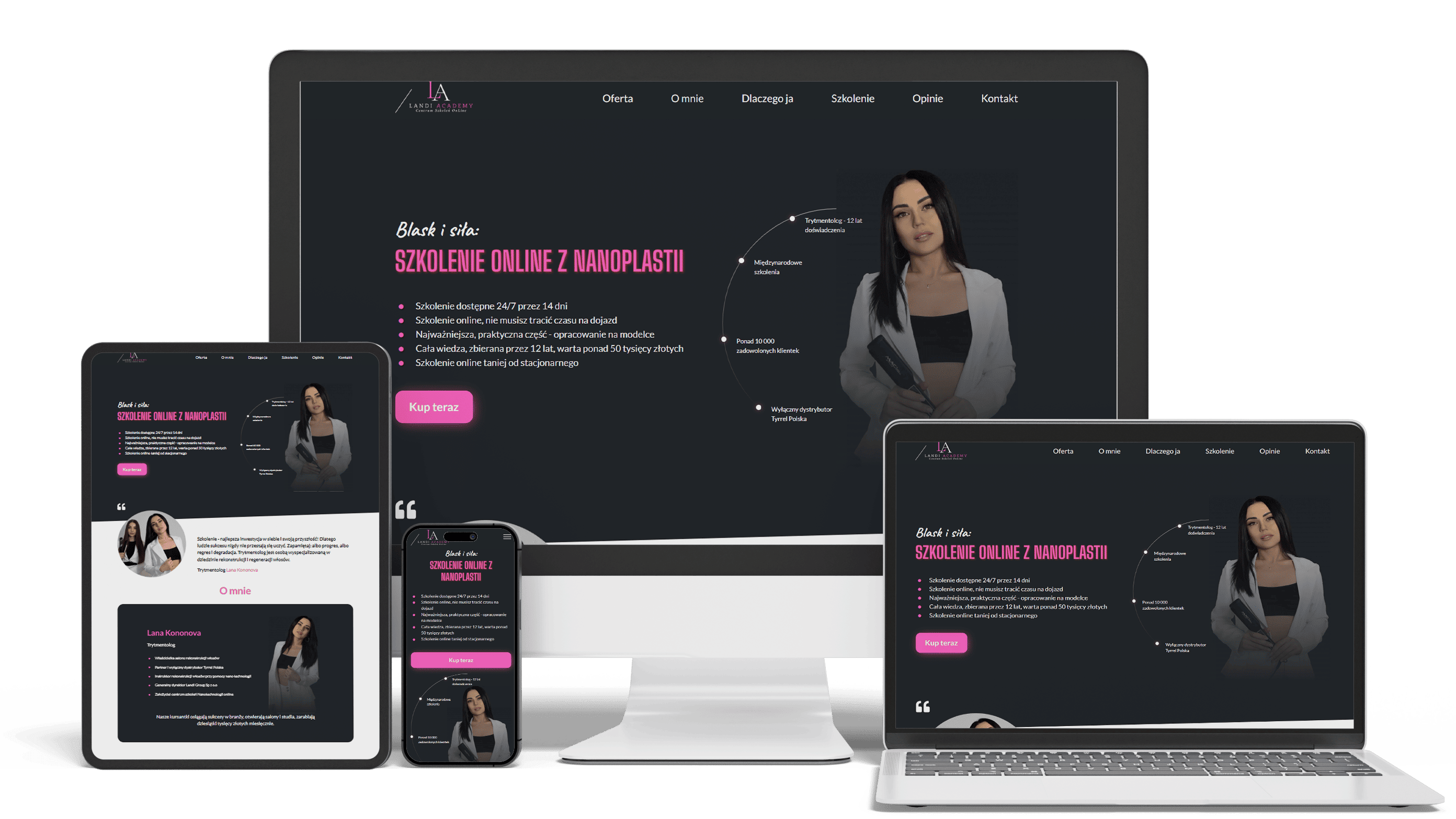
E-commerce landing page with secured video access
100+ course sales0 leaksLinks expire in 14 days
Official Website for DJ and Producer Sasha Dith
Loads in under 1 sBooking formVideo and music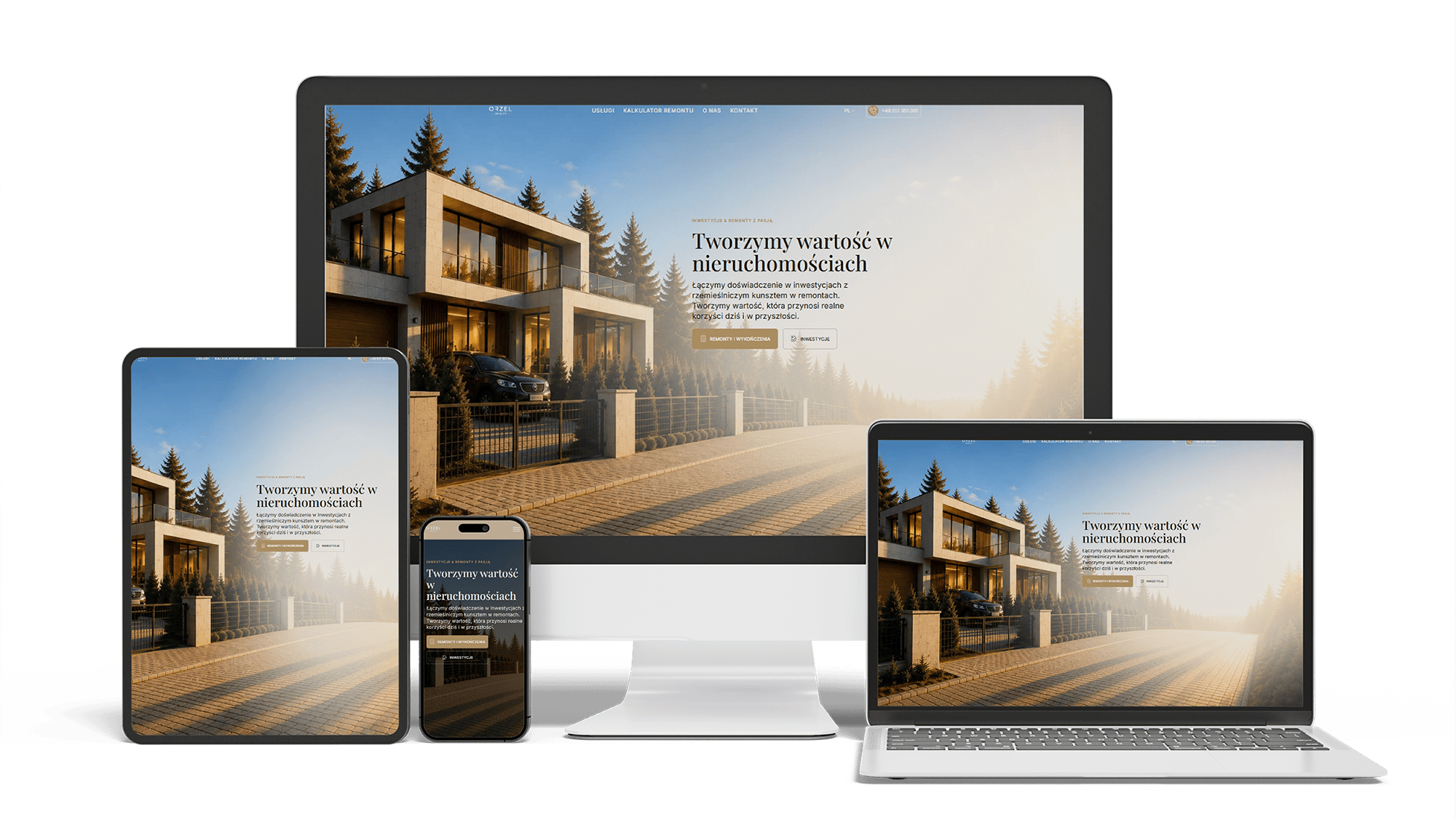
Renovation and investment website with a premium feel and 96/98/100/100 performance
96/98/100/100Design system2 languages
Get a quote for your farm website
Within one business day you get a proposed page list for the farm, which sales channel leads the home page, and a fixed price.
Farm website design is the service I offer family farms that sell straight to the people who eat their food: the planning, design and build are mine alone, from the weekly harvest list to online orders and pickup, for one price agreed up front. The site tells a neighbor what is for sale this Saturday, takes a deposit on a half hog in February, sends a CSA member to the right pickup point and gets a chef’s order in before Tuesday’s delivery run.
Most farms that ask me for a website sell through several channels at once, and each channel needs a page of its own rather than a line on the home page:
- a farm stand or farm shop with seasonal hours
- farmers markets, with their days and stall locations
- CSA shares or weekly veg boxes
- meat, eggs, honey and holiday birds ordered ahead
- pick-your-own fields, farm events and school visits
- wholesale to restaurants, grocers and food co-ops
Before I draw anything, we rank your channels by the income they bring and the time they take. The strongest gets the main button on every page; the others sit one tap away in the menu, so a CSA farm and a U-pick farm end up with very different home pages.
The question a farm hears most is “do you have … this week?”. The answer belongs in a list on the home page, the stand page and the order form:
- each product with a status — available, almost gone, sold out, expected in late June
- the price and the unit: per pound, per dozen, per bunch, per quart
- a short note where it helps: “first sweet corn of the year”, “eggs limited until the pullets start laying”
Changing it takes about as long as sending a text. You open the admin on your phone, tap a product, switch its status and save; every page that shows it changes at once. No laptop at ten at night, and no three-week-old Facebook post telling people you still have tomatoes.
A CSA is sold before the season, often in winter, when the farm needs cash for seed and labor. The sign-up page explains the deal plainly: share sizes with a photo of a typical July box, the first and last pickup dates, pickup sites with their days and hours, and the price, paid in full or in installments. Members get an account where they skip a week before a vacation, switch pickup site or add eggs and bread to their box. When the shares run out, the form becomes a waitlist, and next year’s sign-up goes to that list first.
Rural addresses confuse navigation apps: the pin lands across a field, or the route ends at a locked gate. The visit page fixes that with:
- a map pin placed by hand on your real entrance, plus written directions from the nearest highway exit with a landmark — “turn left after the white church, look for the egg sign”
- where to park, and whether a car with a trailer can turn around
- stand hours by season, and a banner for the days you close early
- how people pay at the stand: cash, card or an honor box
- your farmers markets: which market, which day, the hours and where your stall stands
The same name, address, hours and pin go into your Google Business Profile, so someone searching for a “farm stand near me” or “raw honey near me” on a Sunday sees the same facts on Google Maps as on your site. Ongoing work on the map listing and reviews is described on the local SEO services page.
U-pick visitors drive out on a weekend morning, and they leave unhappy if the patch was picked clean the day before. The page gives them three things. A season calendar shows the usual weeks for each crop — strawberries, blueberries, peaches, apples, pumpkins — marked as estimates, because the weather has the last word. A status line at the top says what is open today, set from your phone at dawn: “Open 8–2, good berries in the north field” or “Closed today after the rain”. A short list of rules and prices — containers, price per pound or per bucket, dogs or no dogs — saves you phone calls in the busiest hours of your year.
Farm dinners, workshops, harvest festivals and open days each get a page with the date, what is included, the price and a booking form or ticket that stops at your number of places. School visits go through a request form with the date, group size and age, so you can answer in one reply. For DJ and producer Sasha Dith I built a site where a video gallery and a booking form share the page and it still opens in under a second — the pairing farm events need.
If you also rent rooms or cabins, overnight stays work differently; that side is covered on the bed and breakfast website design page. Farms that pour their own wine or cider for visitors will find tastings on the winery website design page.
People who buy from a farm want to know who grows their food and how. Tell them in your own words: who works the land, how long the family has farmed it, what you raise and why. Then state your practices exactly, on a page of their own:
- certifications you actually hold, with the certifying body and the year — “certified organic” only if you are certified
- what you do without a certificate, described as practice: “no synthetic pesticides on our vegetables”, “cattle on pasture from April to November”
Exact wording protects you from complaints. Photos come from your own farm across the year — the fields in spring, the crew at harvest, the animals, the stand on a busy morning. A stock picture of a red barn says nothing about your place.
Chefs and shop buyers need other facts than home cooks. A separate wholesale page — open, or behind a simple password if your prices are not public — lists the weekly availability with case and pack sizes, the minimum order, delivery days and the cutoff for each, how invoicing and payment terms work, and how to order: a form that remembers the buyer’s details, or the person who handles accounts. Kept apart from the retail shop, it spares a home cook the surprise of eggs sold in fifteen-dozen cases.
Search for farm website design ideas or “10 best farm websites” and you get galleries of landscape photos; the farm sites that sell share plainer habits — current availability, a clear way to order, visit details that are right today. A free template from a site builder, or a storefront from a farm e-commerce platform such as Local Line or GrazeCart, puts a small farm online quickly, and for a single product line it may be all you need.
The limits show as the farm grows: pickup slots and delivery routes that will not fit together, a CSA in a separate tool, and fees that can rise with your sales. A custom site is built around your channels, on WordPress or on Next.js with a headless CMS, and can still use your farm platform for checkout where it does that job well; the code, the domain and the customer list stay with the farm. Felgilab and the Warsaw tyre-storage business both got WordPress sites whose owners edit their own price and text pages, the self-service a farmer needs in May. More on that build is on the WordPress development page, and sites for other local trades are on small business website design.
People now ask ChatGPT or Google’s AI Overviews things like “where can I pick blueberries near Lancaster this weekend” or “which farm nearby sells pasture-raised eggs”. The reply is built from text the assistant can read, so everything that matters sits in the HTML as words: products and their status, prices and units, stand hours, market days, pickup sites, practices and the town you are in. None of it lives only in a chalkboard photo or a PDF price list. Pages carry LocalBusiness, Product and Event structured data, and the facts match your Google profile. I built Giuseppe’s practice site in Milan on these rules, and ChatGPT already shows its new pages in answers.
Keeping a farm in those answers over time is ongoing work, described on the AI SEO and GEO optimization page.
Design is part of the price, not an extra line on the invoice.
- A simple farm website — home, what’s in season, a visit page with stand hours and market days, the farm story, contact and an order request form: 700–1,400 €.
- A farm website with a weekly availability list, online orders with pickup slots and delivery days, deposits for meat shares, CSA sign-up, events and a wholesale page: from 2,000 €.
Running costs after launch are hosting, the domain and payment fees. The steps from brief to launch are on the website development page, and every price I charge is on the pricing page.
Farm website design: frequently asked questions
Order farm website design: what to send me
Send a link to your current site or Facebook page, a list of what you sell with prices and units, how people buy from you today — stand, markets, CSA, pre-orders, wholesale — your pickup sites and delivery days, and a few photos of the farm. My answer is a proposed page list with one fixed price. Use the form above or write on WhatsApp.
