


Band Website Design for Bands, Musicians and DJs
Band website design and build from one person: tour dates that update themselves, music players that keep the page fast, an EPK promoters can use, merch, a mailing list you own and a booking form that asks the right questions.
- Design + build, one price
- From 700 €
- Tour dates, EPK, merch, mailing list
What you get with band website design
- A look taken from your current recordCover art and colors, swapped with each release
- Tour dates fed from BandsintownAdd a show once, past dates go to the archive
- Music players that keep the page fastSpotify, Bandcamp and YouTube load on tap
- An EPK page bookers can useBio, press photos, stage plot and rider
- Mailing list and booking formFans by city, gig requests with date and budget
- Readable by Google and AI assistantsGenre, city, shows and releases as text
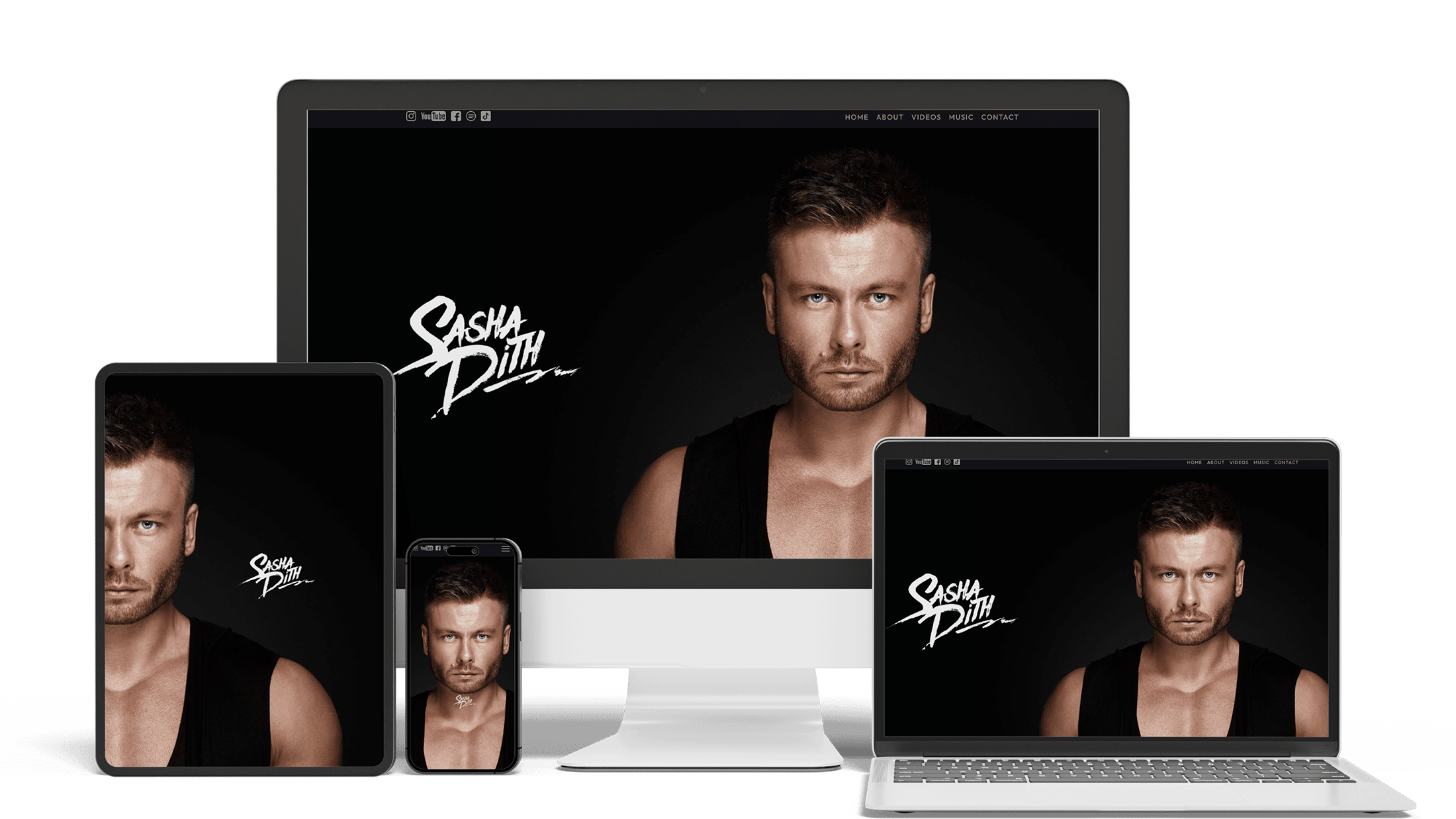
Official Website for DJ and Producer Sasha Dith
Loads in under 1 sBooking formVideo and music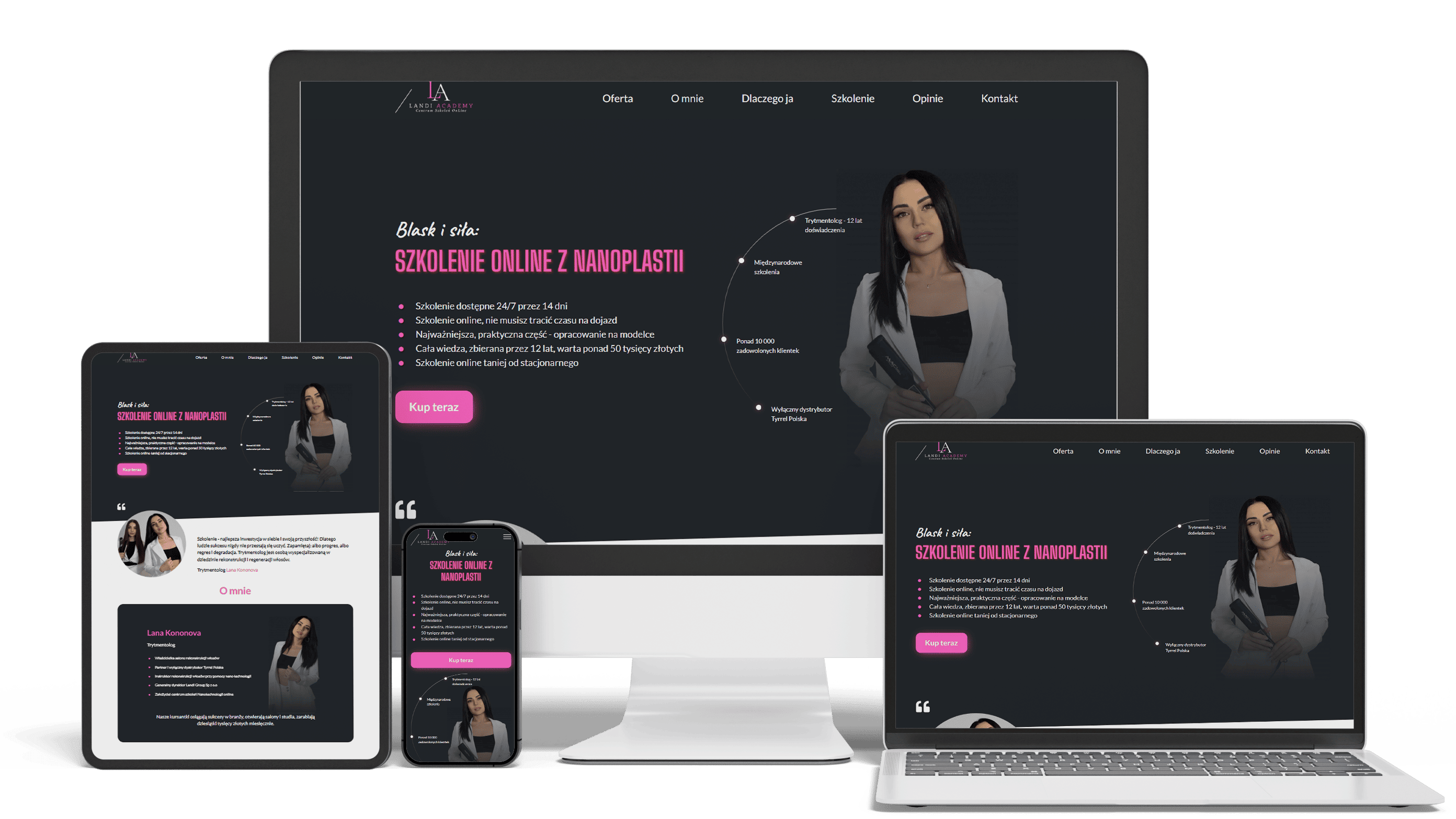
E-commerce landing page with secured video access
100+ course sales0 leaksLinks expire in 14 days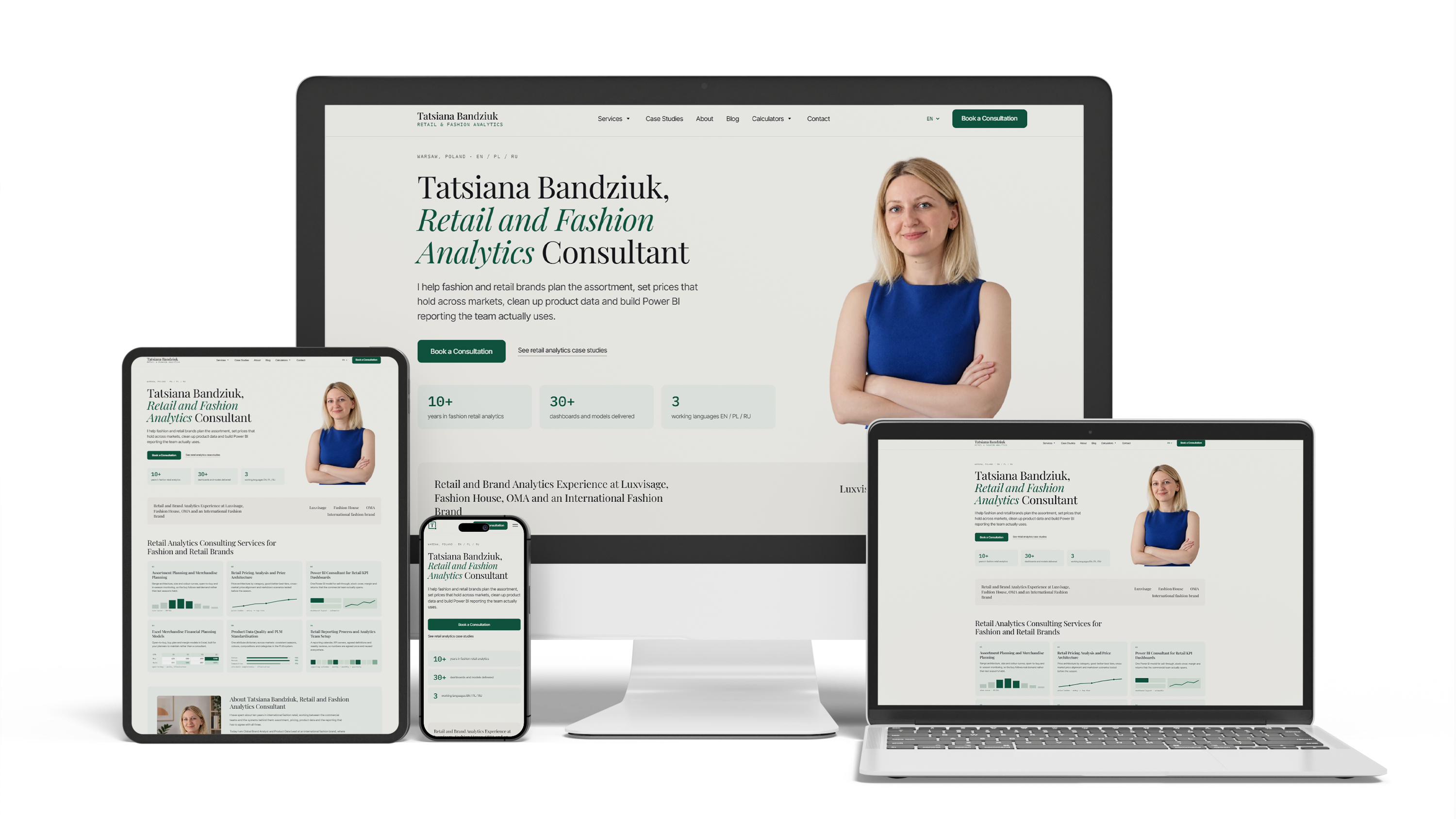
A consultant website for a retail analytics expert
100/100/100/100153 pages3 languages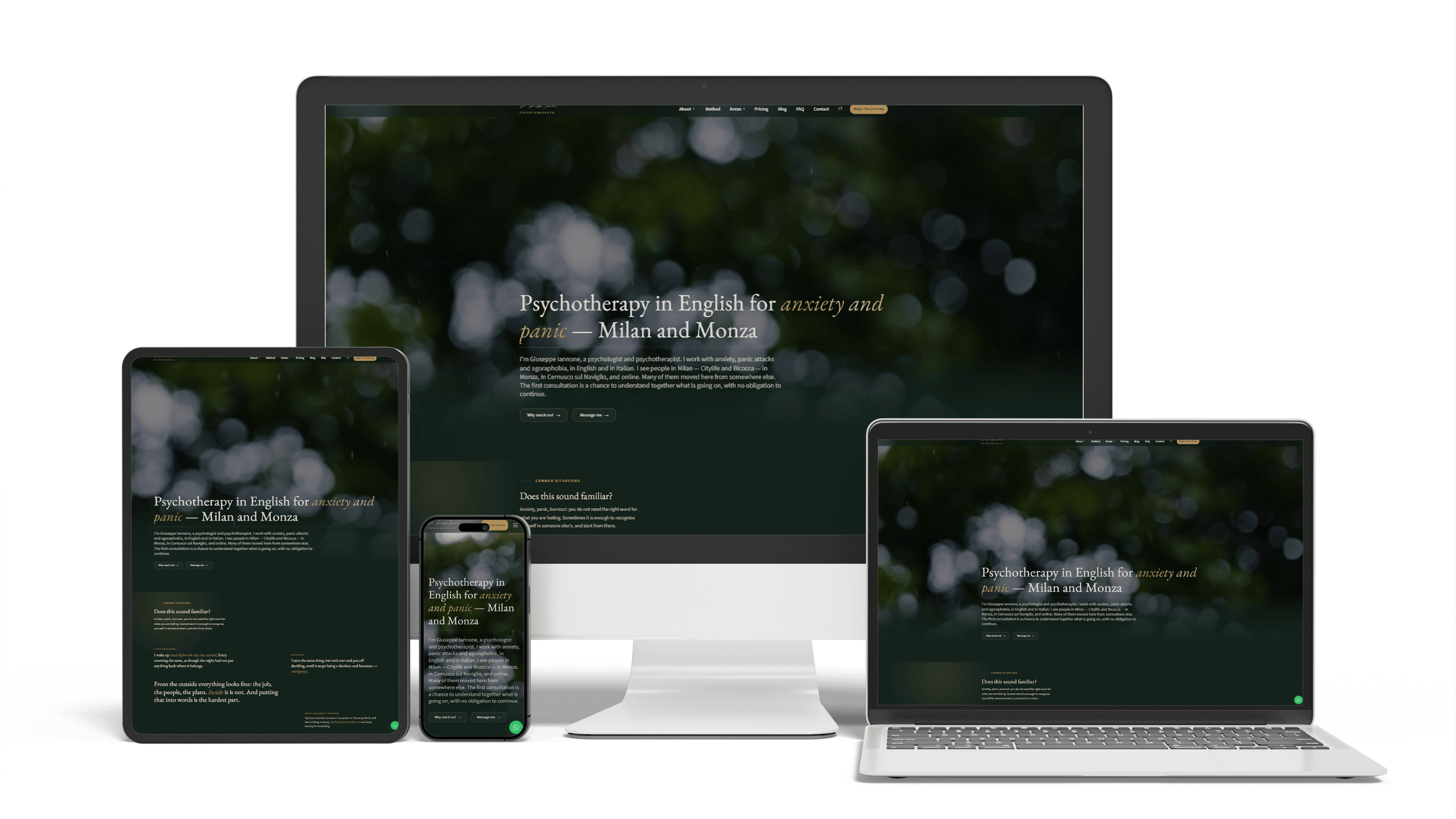
Bilingual psychotherapist website in Italy
468 of 468 posts moved2 languagesSeen in ChatGPT answers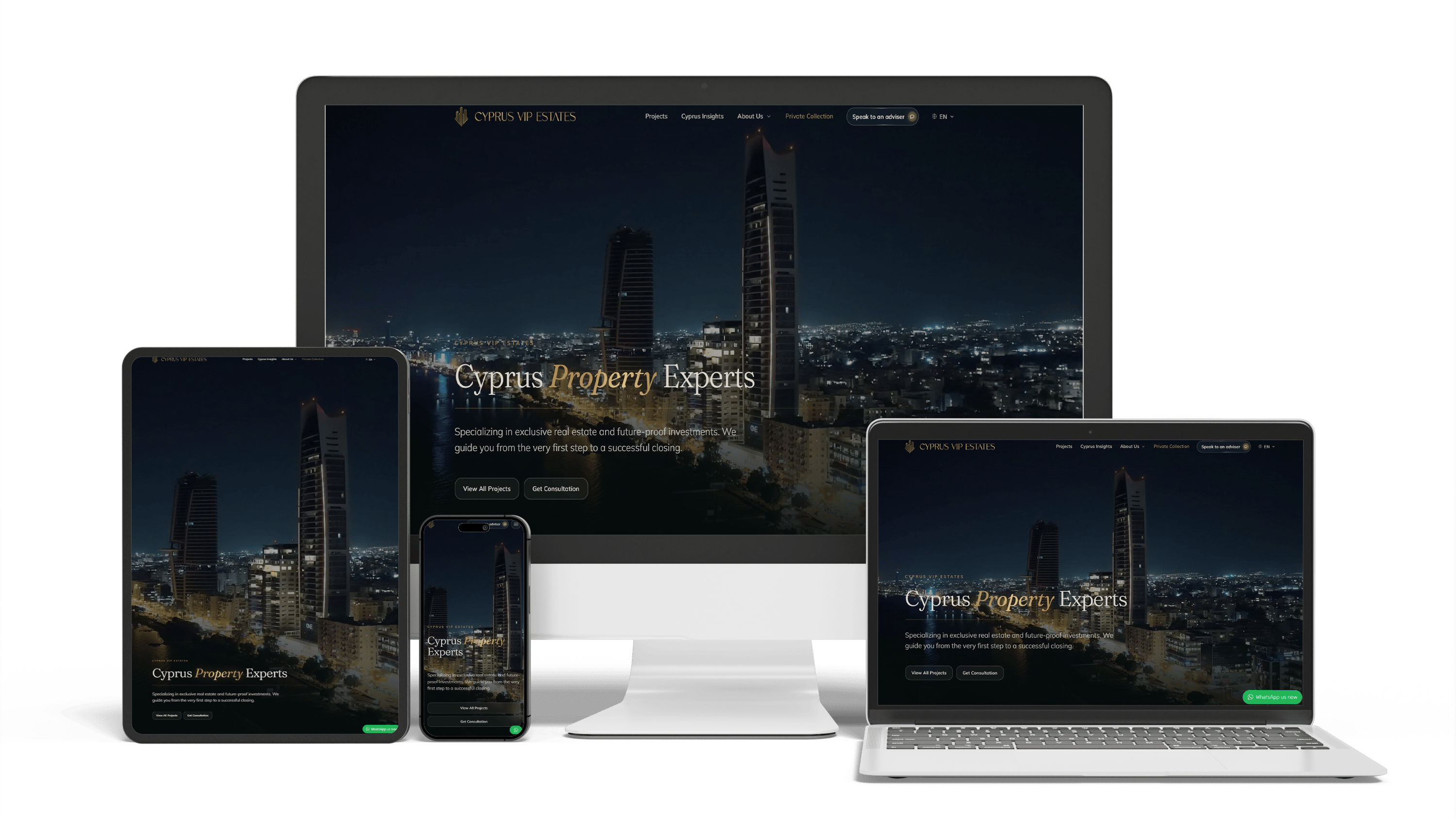
Multilingual real estate platform in Cyprus: SEO and GEO without bought links
16× faster editingTraffic from ChatGPTLeads via WhatsApp
Get a quote for your band website
Within one business day you get a page plan for your band — shows, music, EPK, merch, booking — and a fixed price.
Band website design is the service on this page: I design and build websites for bands, solo musicians and DJs myself, so the person who picks your typeface is the one who connects your tour dates, players and mailing list. A music band website has a short list of jobs — tell a new listener who you are in seconds, show where you play next, play a track, collect an email address and give promoters what they need to book you.
Three kinds of visitors open a band’s site, each with a different question. A fan who just heard you at a festival wants the next show and a song. A promoter or talent buyer wants live video, a sense of your draw and a contact. A journalist or blogger wants a bio, photos and a quote they can use. The home page serves all three without making anyone dig:
- one band photo or the current cover art at full width, with the name as real text rather than part of the image
- the next three shows with ticket buttons
- a player with the latest release
- an email sign-up and clear links to the EPK and booking
The visual identity follows the record. The hero image and the accent color are fields in the editor, so the site changes with every album cycle without a redesign.
The shows page is the one fans open most and the one that goes stale fastest. Many artists already list dates on Bandsintown or Songkick, because those services pass them on to streaming apps and social profiles. The website reads from the same source, so a show added once appears everywhere. Each date shows the city, venue, support acts and a ticket link straight to the seller; sold-out and canceled shows are marked, and past dates move to an archive by themselves.
That archive matters too. A promoter in a new city looks at where you have played and how often. Event structured data on every upcoming show also helps Google show your dates directly in search results.
A player is the fastest argument a band has, and the heaviest element on the page: one Spotify or YouTube embed loads more code than the rest of the site combined. On my builds the player first appears as a light preview — cover art and a play button — and the real embed loads only when someone taps it. The page still opens quickly on a phone with one bar of signal in a crowded venue. Sasha Dith’s site works this way: its YouTube videos and players load only when needed, and the page opens in under one second.
Every release gets its own page: cover, tracklist, credits, lyrics if you want them, links to each streaming service, a buy link to Bandcamp or the vinyl, and the videos. The overview is a grid of covers, each with its streaming links, like the discography on Sasha’s site. A release page is also what a blog, a radio host or a playlist curator links to when they write about the record.
An electronic press kit is what a booker opens before replying. As a page on your own site it stays current, unlike the PDF you emailed last spring. It holds:
- a short and a long bio in the third person, ready to copy
- high-resolution press photos with the photographer’s credit, downloadable in one click
- two or three live videos and the strongest tracks
- press quotes and notable shows or festivals — real ones only
- stage plot, input list and technical rider as files
- contacts for booking, management, label and press
The EPK can be public or sit at an address you send only to industry contacts.
For many independent acts merch brings in more than streams. Three setups are common, and the site works with any of them:
- Bandcamp for records and a few shirts, linked from the release pages
- a Shopify store with buy buttons placed inside your own pages, for a larger catalog and your own checkout
- a print-on-demand service that prints and ships each order, when you would rather not store boxes in the rehearsal room
The website shows the products in your design and hands the fan over to checkout. Tour-only items can appear on the page of the show where they are sold.
Video can be merch too: a recorded masterclass, a concert film or a backstage cut. Stripe Checkout takes the payment and the buyer gets a personal viewing link automatically. On the Landi Room course page I built, each link stops working after 14 days and the file stays stream-only; more than 100 courses sold, and nobody has passed access on.
Followers on Spotify, Instagram and TikTok belong to those platforms. When the algorithm changes or an account is locked, the way to reach those people goes with it. An email list is the one channel you own: you can move it to another provider and write to every fan on release day.
So the sign-up box appears on every page, not only in the footer, and asks for an email and a city. The city lets you write only to fans near a new date instead of the whole list. It connects to Mailchimp, Kit or the service you already use. A small reason to join — an unreleased demo, a presale code — works better than “subscribe to our newsletter”.
A request that says only “how much?” costs both sides a day of messages. A short form asks for what you need to answer: date, city, type of event — club show, festival, wedding, corporate party — venue capacity, set length, whether sound and backline are provided, and a budget range. Requests go to you or your agent, with a copy to the sender. On Sasha Dith’s site the form for events and collaborations sits over a concert photo, so it reads as part of the show rather than an office contact page. Wedding and corporate bands get a separate page with song lists, set formats and what the fee covers, because those clients ask different questions than club promoters.
Sasha Dith, a DJ and producer, shows how this works: his official site, built on Next.js 14 to match his Figma design, has About, Video Gallery, Music and Contact sections and gives fans, media and booking agents one address instead of scattered profiles.
A DJ website follows the same logic as a band site with a different weight. The music is mixes rather than releases: a SoundCloud or Mixcloud player, recent mixes and radio shows, sometimes a recorded set on video. Club DJs need a gig calendar and an EPK listing residencies and the clubs and festivals they have played. Event DJs need packages — hours, sound system, lighting, MC duties — a calendar of booked dates and a form that asks for the venue and guest count.
The rider lives on the site too: decks and mixer models, booth monitors, set-up time. If your work splits between clubs and private events, one site serves both with two clear entry points from the home page.
Most searches for a band are for its name, a release or “band name tour”, and you want your own site above ticket resellers and lyric pages. That takes a clear title and description, links back from Spotify, YouTube, Instagram and Bandsintown, and structured data for the group, events and albums. Bands for hire live in a different search: someone types “wedding band Chicago” or “party band for a corporate event”, and pages per service and region, a Google Business Profile and reviews decide who appears.
That ongoing work is described on the SEO strategy page, and the map and region part on local SEO services.
Bandzoogle, Squarespace and Wix give a working musician website in an afternoon, with tour widgets, a store and email tools included. For a band with one release and a handful of shows that is a sensible choice, and I will tell you if it fits your stage.
A custom site pays off when the template no longer matches your record, when the site carries many releases, a long show archive or several languages for touring abroad, when club shows and private bookings run side by side, or when monthly plan upgrades add up. Before leaving a builder, export the mailing list and collect the addresses fans and press link to, so each one gets a redirect.
Fans and bookers now ask assistants things like “an indie folk band from Portland touring this spring” or “a jazz trio for a wedding in Denver”. An assistant can name only the band it has read about. The build serves pages as HTML from the server instead of assembling them with scripts, writes genre, home city, members, releases, upcoming shows and the booking contact as text, adds structured data for the group, events and albums, and lists in robots.txt the AI crawlers allowed in. Giuseppe’s site, a psychotherapy practice in Milan, was built the same way, and ChatGPT already cites the pages he added after launch.
Ongoing work on those answers is covered on the AI SEO and GEO optimization page.
Design is not billed separately; the figures below cover both the look and the build.
- A simple band or musician website — home, shows, music, about, EPK, contact and mailing list sign-up: 700–1,400 €.
- A full site with release pages, a show archive, merch store connection, booking forms for clubs and events, a DJ or side-project section and language versions: from 2,000 €.
My general build process is on the website development page. Painters, illustrators and other visual artists have their own page on artist website design. All prices are on the pricing page.
Band website design: frequently asked questions
Order band website design: what to send me
Send the band or artist name, links to Spotify, Bandcamp, YouTube and Instagram, your current site if there is one, where you list shows, the email service you use, how you sell merch, whether you take wedding, corporate or DJ bookings, and a few press photos. I reply with a page list for the band and a fixed price. Send it through the form above or message me on WhatsApp.
