


HVAC Website Design
I design and build websites for HVAC companies: a first screen that follows the season, separate paths for a repair today and a new system next month, maintenance plans that compare at a glance, and your own technicians instead of stock models.
- Design + build, one price
- From 700 €
- Reply within one business day
What you get with HVAC website design
- A first screen that follows the seasonHeating in winter, cooling in summer, tune-ups between
- Repair today or replace later: two pathsA call for no heat, an estimate for a new system
- Maintenance plans that compare at a glanceTwo or three tiers, one sign-up button each
- Monthly payments next to system pricesYour lender’s terms shown beside every figure
- License, certifications and warranties in viewSet as text next to the buttons that ask for a decision
- Your technicians and trucks, not stockSo the customer knows who is coming to the door
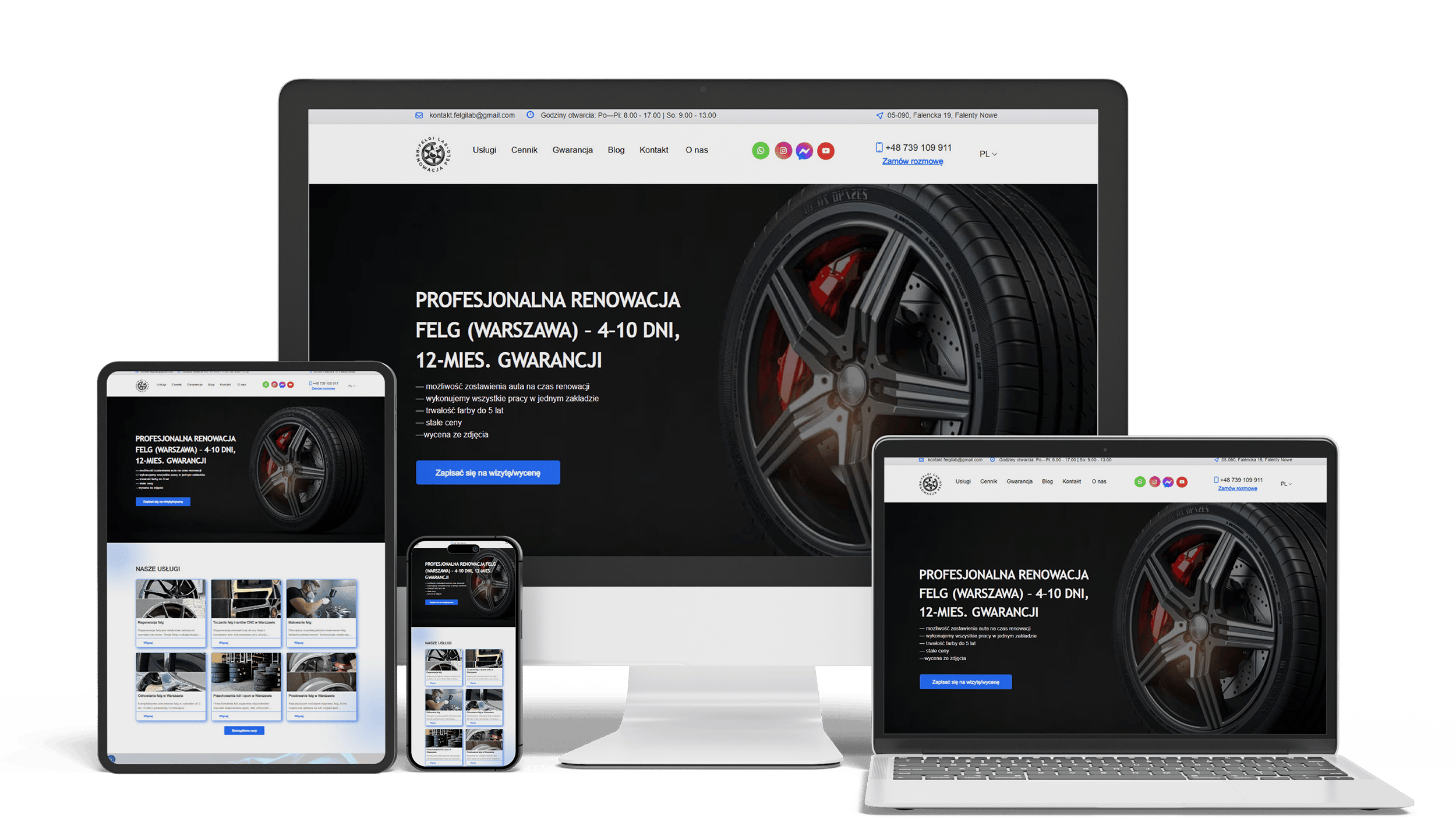
Auto Repair SEO & UX Boost
Performance 90++10% organic trafficLeads from forms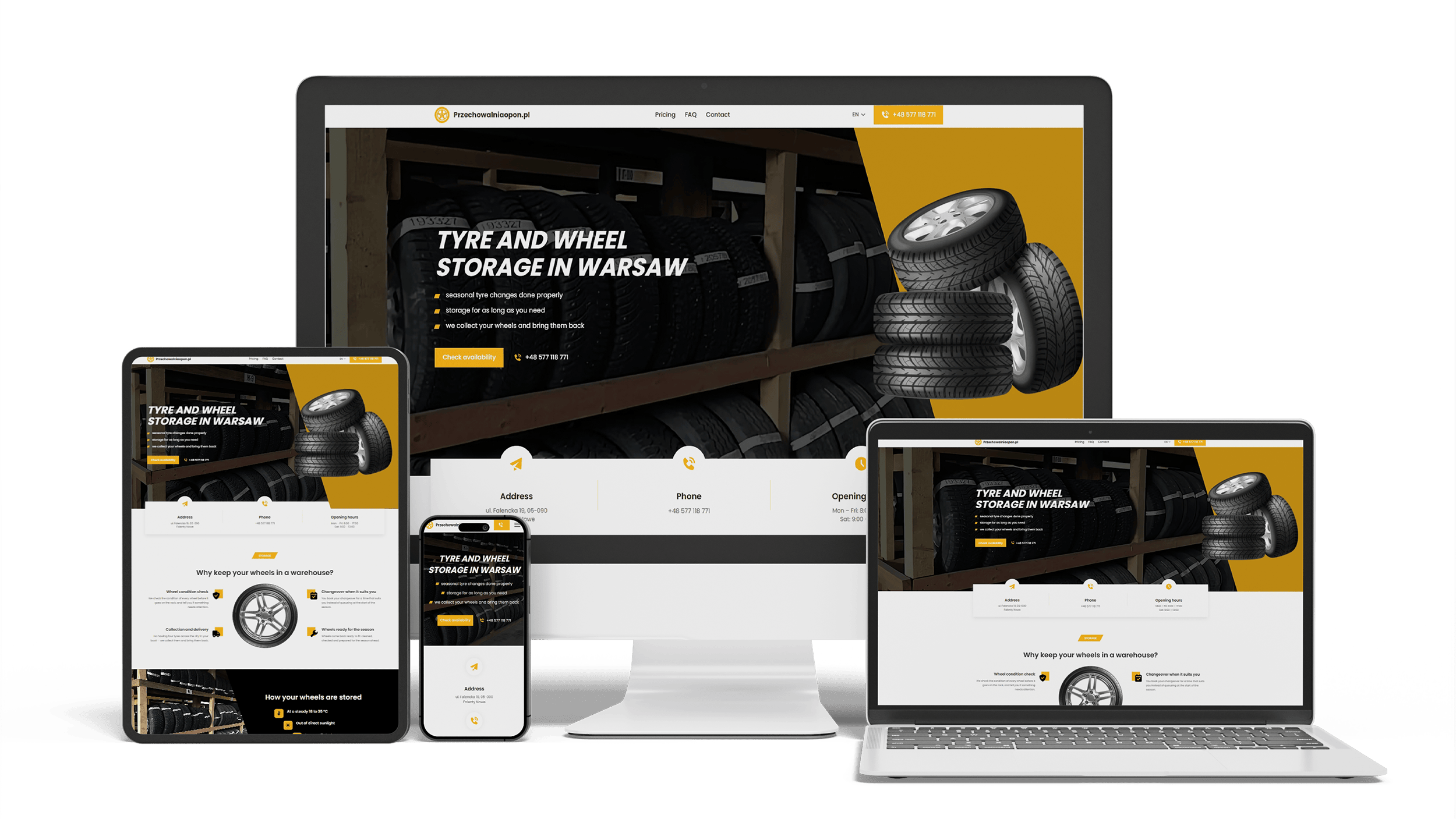
A multilingual landing page for a wheel and tyre storage business
100/95/100/1003 languagesClient edits it
Full WordPress Rebuild for a Car Rim Restoration Company
92/91/96/100Photo quote formLocalBusiness markup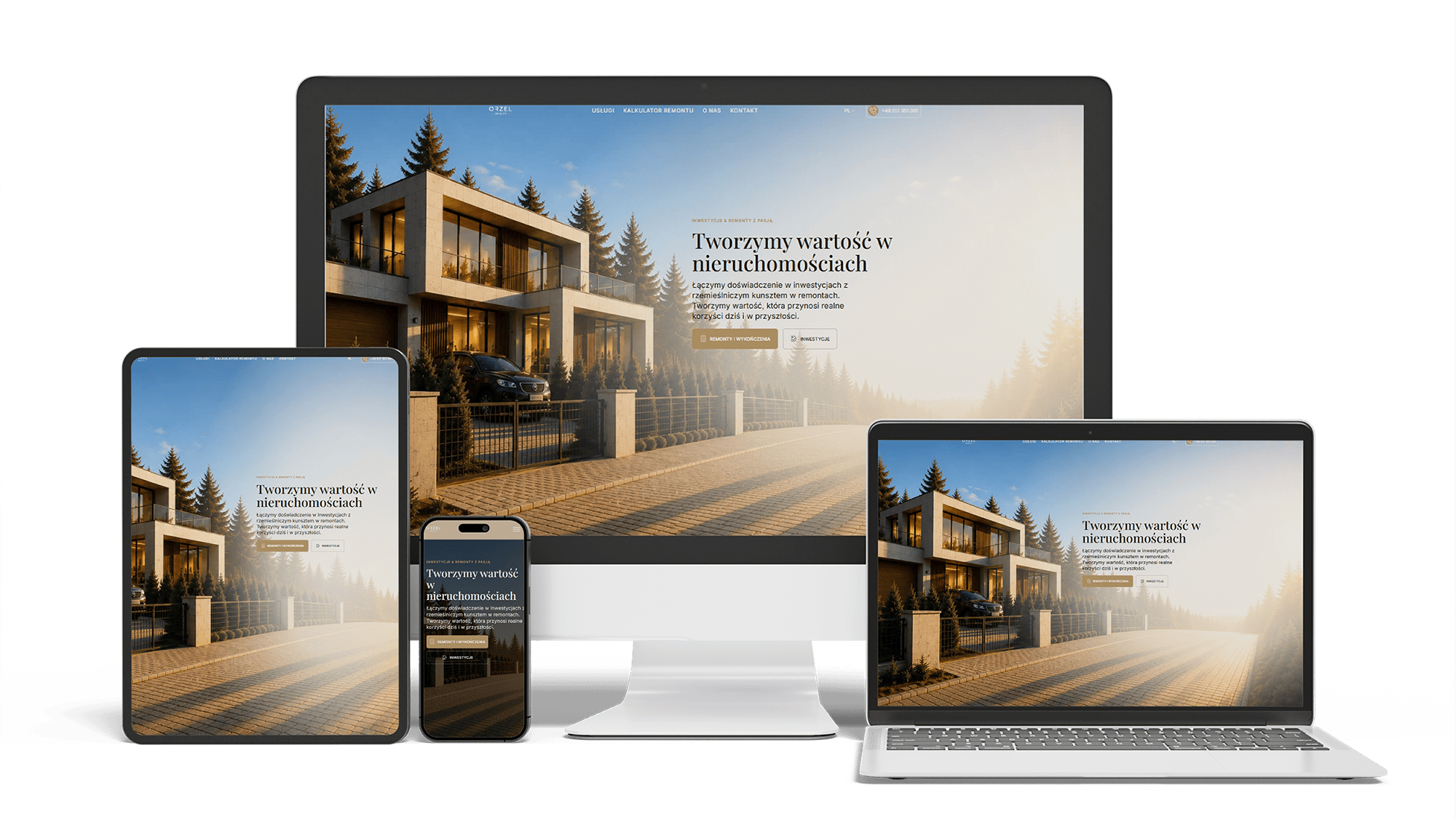
Renovation and investment website with a premium feel and 96/98/100/100 performance
96/98/100/100Design system2 languages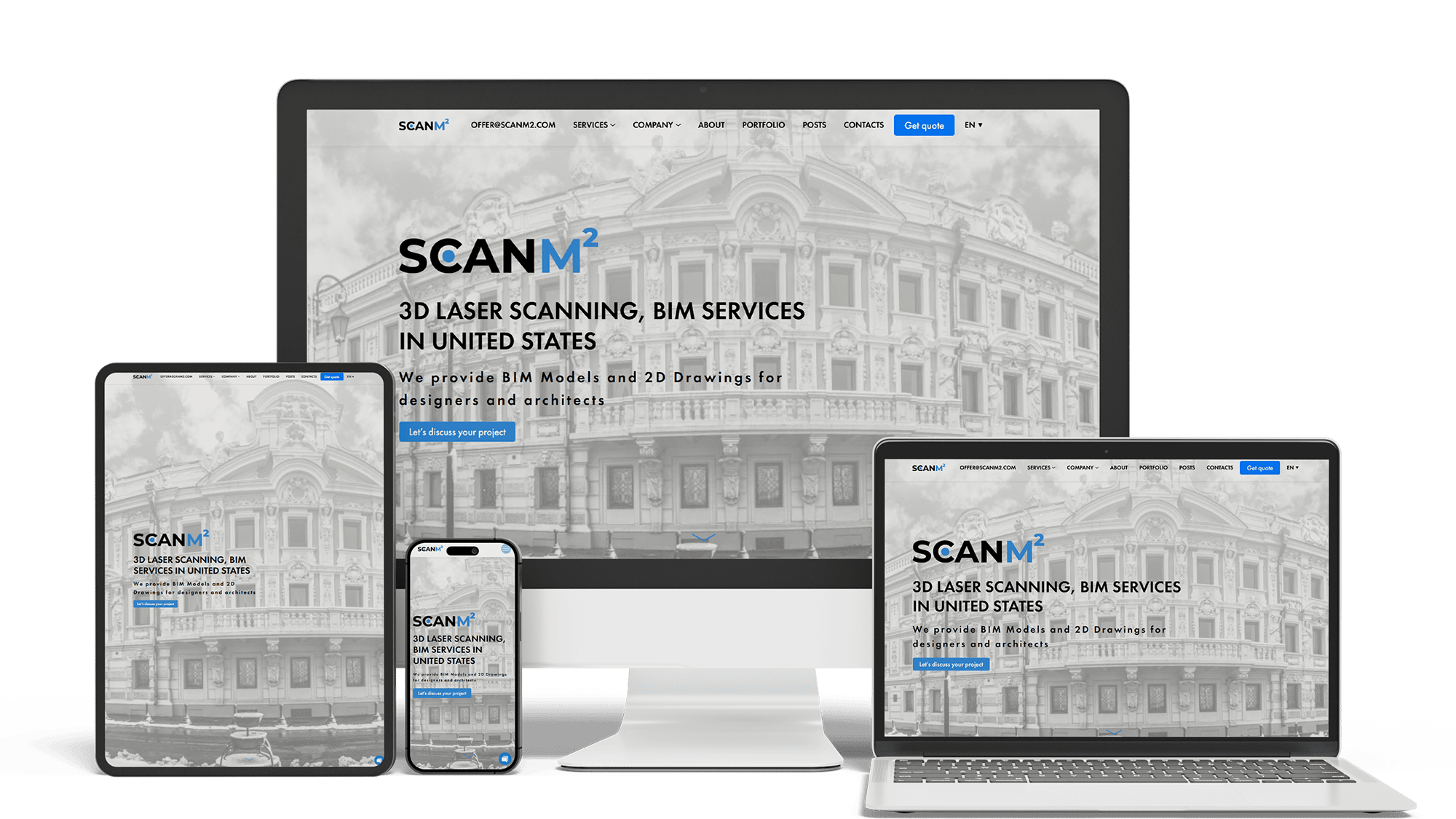
Architecture Website Rebuild and SEO
29× organic trafficLoads in under 1 sTop 3 in Poland
Get a quote for your HVAC website design
I reply within one business day with a proposed winter and summer first screen, a plan page layout and a fixed price.
I design websites for HVAC companies and build them myself, so design and build come from one person at one price. HVAC website design decides what a homeowner in a too-hot or too-cold house sees on a phone, and what they do next: call for a repair, ask for a replacement estimate or join a maintenance plan. Layout, photos and wording are chosen for those three actions and nothing else.
HVAC is the trade where the right first screen changes with the weather. In winter the hero shows one of your furnace or heat pump jobs and leads with “No heat? A technician today”. In summer it shows an outdoor unit and leads with AC repair. In spring and fall it turns to tune-ups and planned replacements, when nothing is broken and homeowners have time to compare.
Each season is designed as a complete set — photo, headline, the two main buttons, the featured services and the current offer — so a change of season changes the whole first screen, not a single picture. Warm and cool tones can mark heating and cooling inside the hero, but the call button keeps one color all year, so a returning customer finds it where it was.
How the seasons are scheduled and switched in the admin panel is covered on the HVAC websites page.
The repair visitor is uncomfortable now and wants a time, not a brochure. The replacement visitor is about to spend several thousand on a system that will run for fifteen years or more, and has two other quotes open in other tabs. Right under the hero, the home page splits into two doors with different labels and different weight:
- “Need a repair today” — a large call button, today’s availability, nothing to fill in
- “Planning a new system” — a quieter button to request an in-home estimate, leading to replacement, heat pump and ductless pages
The replacement pages are longer and calmer: equipment options set out as good, better and best, what the estimate visit includes, how long installation takes, financing and current rebates. The repair pages are short and end at the phone.
HVAC visitors often hold the phone in one hand while standing at the thermostat, in a basement next to the furnace or in the yard beside the outdoor unit. The layouts are tested for those places:
- a call bar fixed at the bottom of the screen, within reach of the thumb
- text size and contrast that stay readable in bright sun outside and in a dim utility room
- a request form that invites a photo of the unit’s data plate or the error code on the thermostat, so the technician brings the right parts
- no pop-ups, chat bubbles or cookie walls over the call button
Desktop layouts are adapted from the phone versions, not the other way round.
A maintenance plan sells when a visitor can compare the options in a few seconds. The plan page is a short table:
- two or three tiers, with names that say what they cover, such as one system or the whole home
- the price shown the way you bill it, per month or per year, never both mixed
- what each tier includes: tune-ups a year, priority scheduling, repair discounts, waived after-hours fees — whatever your plan really offers
- one sign-up button under each tier
Elsewhere on the site the plan shows up where it makes sense: a member price next to the regular one on repair pages, a short invitation after a booking, a line on the summer and winter hero. The plan becomes a habit of the page, not a menu item.
For a replacement customer the monthly payment often matters more than the total. Financing is shown where the price question comes up — on replacement, heat pump and ductless pages — rather than only on its own page:
- a line under each price range saying financing is available, with a link to the terms
- a simple calculator: choose a system range, see an indicative monthly payment, with the conditions your financing partner requires right beside it
- a button to check eligibility that opens your partner’s application
Rates and terms are never invented in the design. They come from your financing partner and change when theirs do.
An HVAC technician works inside the house and often recommends an expensive purchase. Visitors look for reasons to believe that advice. The design places those reasons next to the buttons that ask for a decision, not in the footer:
- license and insurance, written out so they can be checked
- certifications your technicians really hold, such as NATE, and manufacturer dealer status if you have it
- warranties in plain words: the manufacturer’s parts warranty, your labor warranty and whether the equipment needs registering
- reviews that name the technician and the job, on the matching service page
- a satisfaction guarantee only if you offer one
Stock HVAC photos are easy to spot: a model in a spotless uniform pointing a screwdriver at a unit that has never been connected. Homeowners want to see who will come to the door and how the finished job will look. The design is built around your own photos:
- portraits of your technicians, so the customer recognizes the person who arrives
- your trucks with the logo — the same trucks neighbors see in the street
- finished installs: a level condenser pad, tidy line sets, a clean furnace and duct connection
- the old system next to the new one on replacement pages
A recent phone takes good enough pictures; light and a tidy background matter more than the camera. Before the design starts I list the shots each page needs.
Searches for HVAC website design examples and ideas lead to Dribbble shots and agency galleries. They help with type and color, but many are concept screens that never took a real call. Across HVAC company sites that do bring work, the ideas worth borrowing are plain:
- the first screen follows the season
- repair and replacement are separate paths from the home page
- the maintenance plan is visible on the home page, not buried in a menu
- a monthly payment sits next to every system price
- real technicians appear on every page that asks for trust
- the call button has a color used nowhere else
HVAC website templates and HVAC company website templates promise a finished site in a weekend. They are designed for the demo: one hero, a grid of service icons, a contact form and a stock technician. With real content the gaps show — no seasonal versions of the first screen, no separate repair and replacement paths, no plan comparison, financing pushed into the footer.
A template is a reasonable start for a new one-truck company. A custom design pays off once you sell replacements and memberships, or pay for ads that send visitors to the site. Leaving a template later usually means designing again from the start.
Homeowners now ask ChatGPT, Perplexity or Google’s AI Overviews to compare HVAC companies nearby or explain whether a heat pump suits their house. Assistants read text, not pictures. A license number inside a badge image, a plan table made as a graphic or a rebate inside a banner is invisible to them. The design keeps those facts as real text on the page, with structured data for the company, its services and its plans.
Getting into those answers is ongoing work, described on the AI SEO and GEO optimization page. Being found in Google search and on the map is covered on the HVAC SEO page.
An HVAC website design agency usually brings a team and a monthly package with ads and SEO. An HVAC website design company that serves only HVAC firms often reuses one layout for many clients, sometimes in the same city. I work alone, design and build, without a retainer. Whoever you choose, ask:
- Will I own the design, the site and the domain?
- Are winter and summer versions of the first screen included?
- Will the design use photos of my technicians and trucks?
- Do you build the design yourselves, or pass pictures to a developer?
- Do you design for another HVAC company in my area?
My HVAC website design services run in four steps:
- Brief: services, plan tiers, financing partner, license and certification details, reviews and photos.
- Phone layouts: the summer and winter first screens, a replacement page and the plan page, agreed with you.
- Full design: every remaining page reuses those components; desktop versions come from the phone ones.
- Build: the approved design becomes a fast site you can edit.
If you run plumbing under the same name, those pages follow the plumbing website design approach; for a company that works in several trades, see the contractor website design page. A new design for an existing site keeps its Google positions through the website redesign process.
Design is part of building the site, and the price covers both.
- A simple HVAC website: 700–1,400 €.
- An HVAC website with a seasonal home page, repair and replacement paths, maintenance plan and financing pages, service and area pages and local search optimization: from 2,000 €.
Send a short description of the company, your services and plans, and I will prepare a fixed quote. Full price ranges are on the pricing page.
HVAC website design: frequently asked questions
Order HVAC website design: what to send me
Send the company name, a link to your current website or Google profile, the services you offer, your plan tiers and your financing partner. A few photos of your technicians, trucks and recent installs help me show a first screen that looks like your company in both seasons. I will reply with a proposed layout and a fixed price. Use the form above or write on WhatsApp.