


Catering Website Design and Development
I design and build catering websites: menus by event type, price per person and minimums, a quote form that collects the date, guest count, venue and dietary needs, online ordering for office lunches and deposits paid by card, in one design that works on a phone.
- Design + build, one price
- From 700 €
- Reply within one business day
What you get with catering website design
- Menus by event typeCorporate, wedding, office lunch, private party
- A quote form planners finishDate, guests, venue, budget and dietary needs
- Deposits and payments onlineA payment link after you accept the quote
- Office lunch orderingCutoff times, minimums, repeat orders, invoices
- Photos of your real eventsGalleries by event type that load fast on a phone
- Readable by Google and AI assistantsArea, headcounts, menus and prices as text
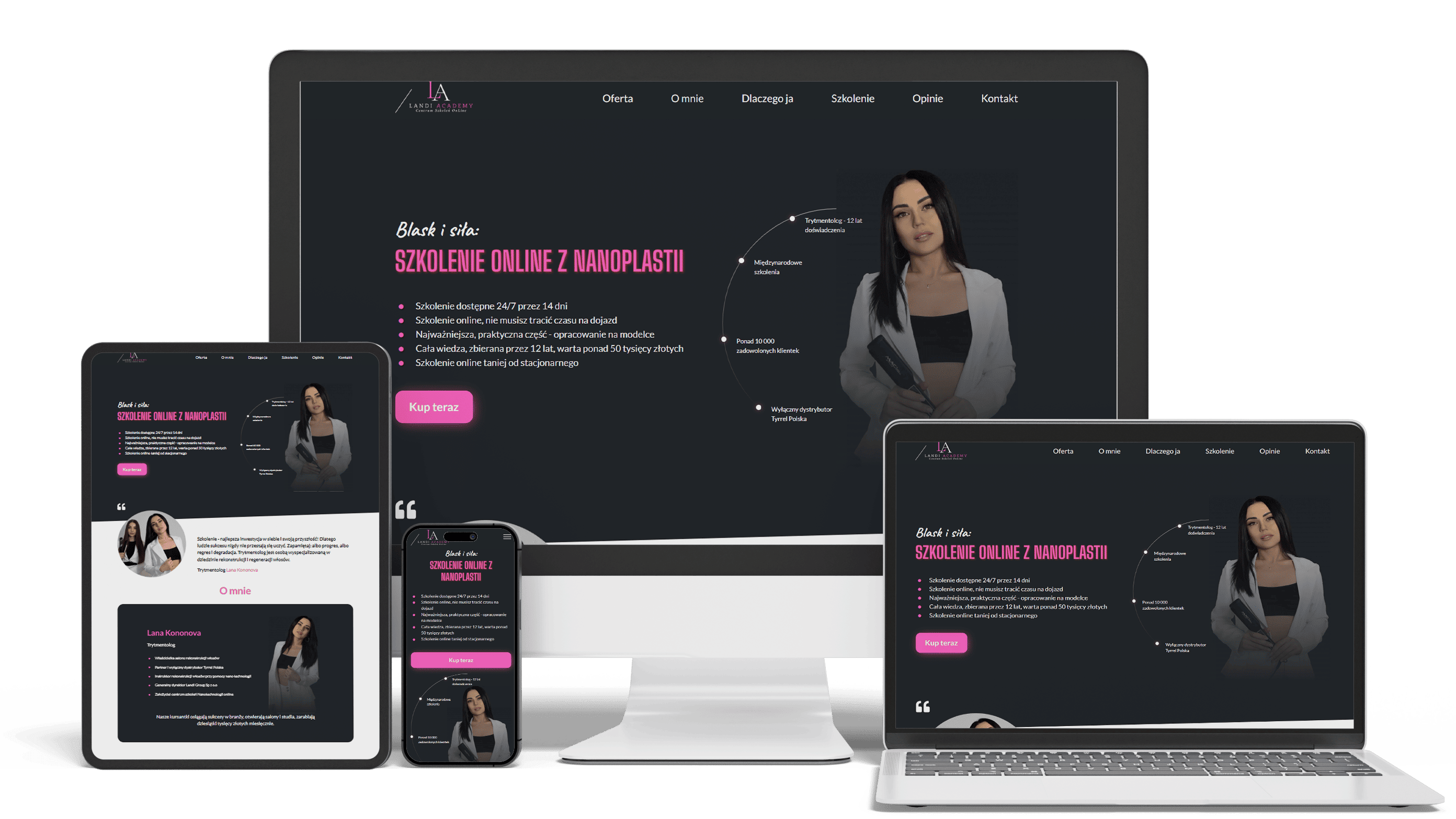
E-commerce landing page with secured video access
100+ course sales0 leaksLinks expire in 14 days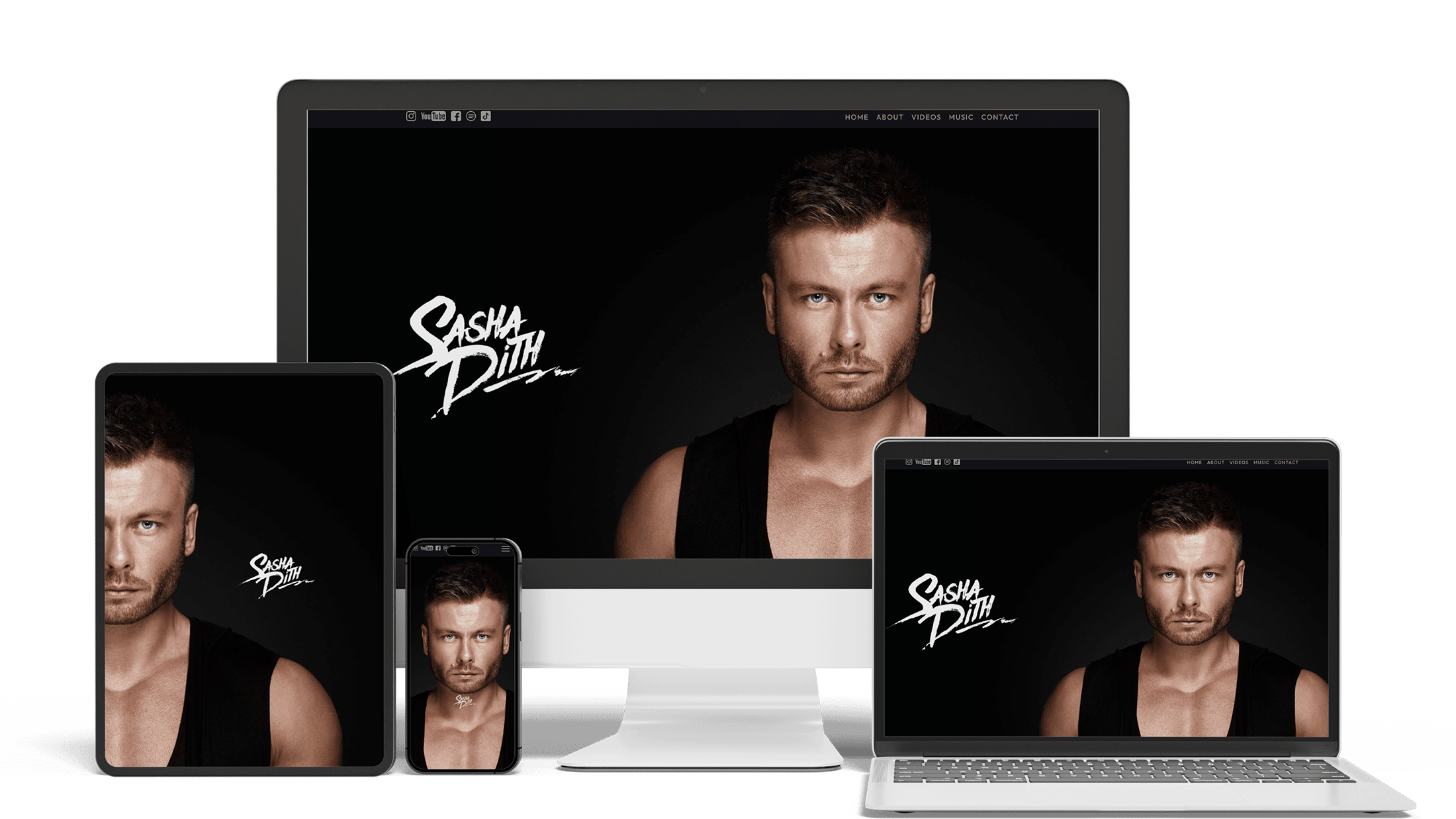
Official Website for DJ and Producer Sasha Dith
Loads in under 1 sBooking formVideo and music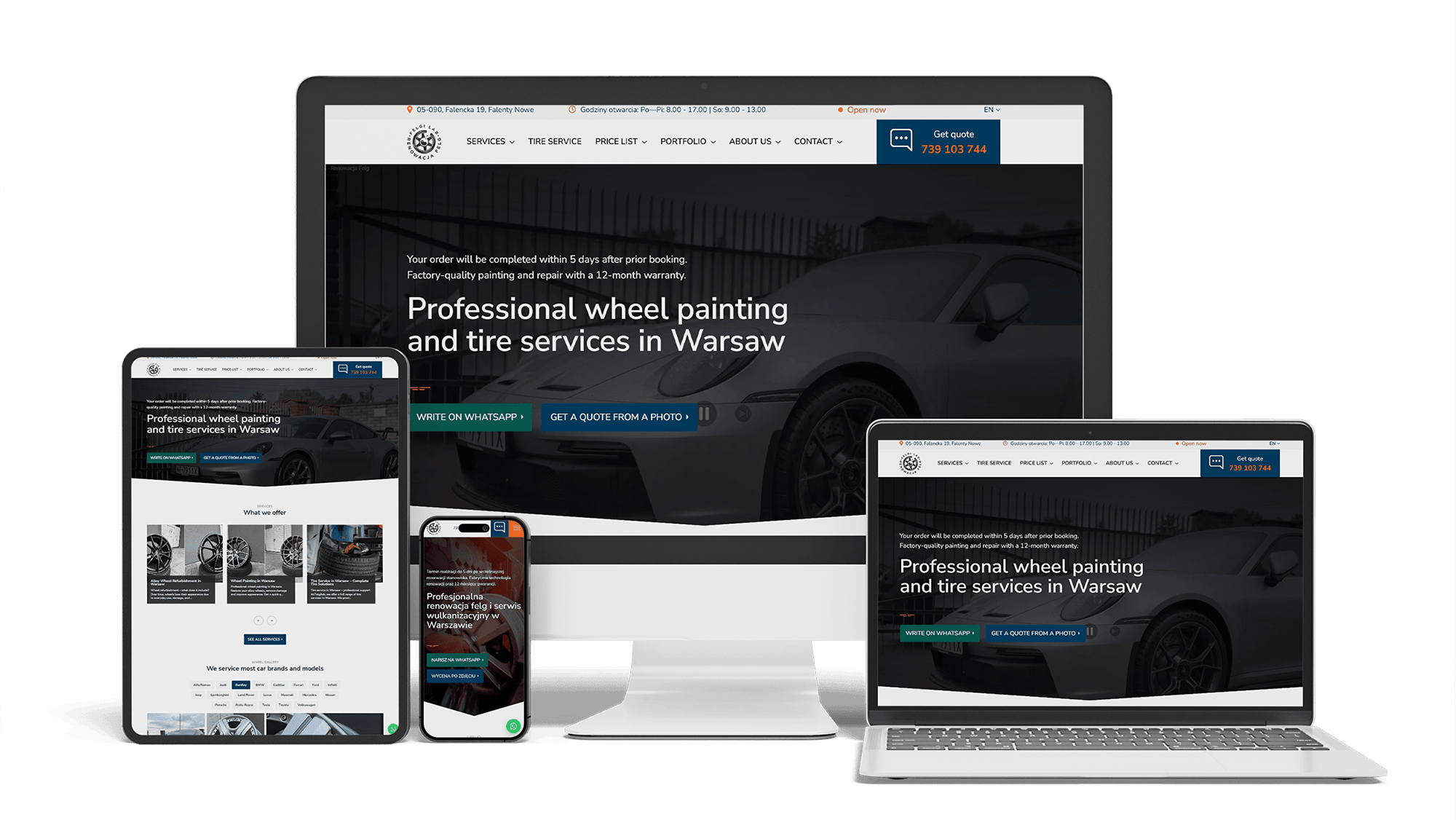
Full WordPress Rebuild for a Car Rim Restoration Company
92/91/96/100Photo quote formLocalBusiness markup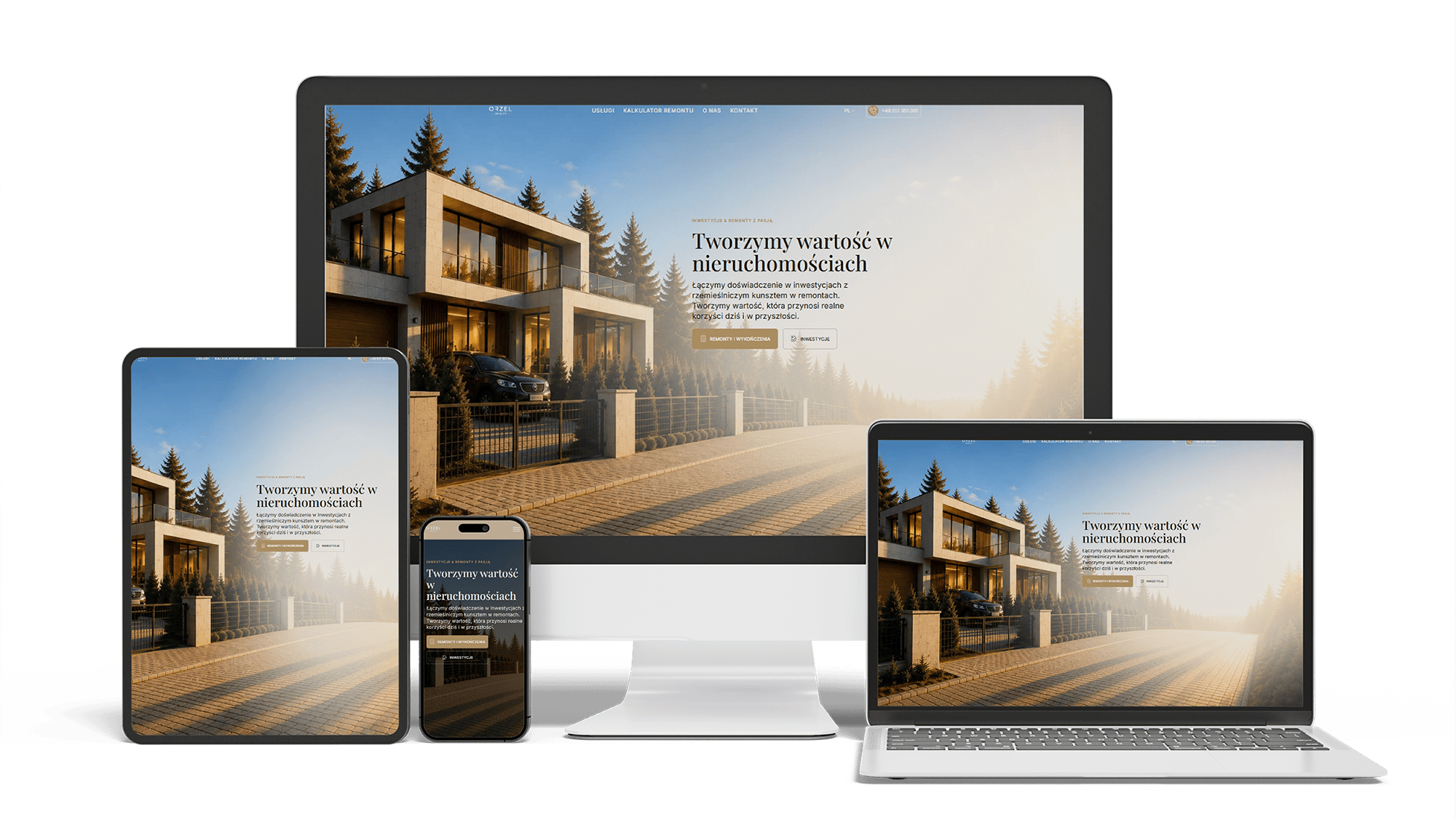
Renovation and investment website with a premium feel and 96/98/100/100 performance
96/98/100/100Design system2 languages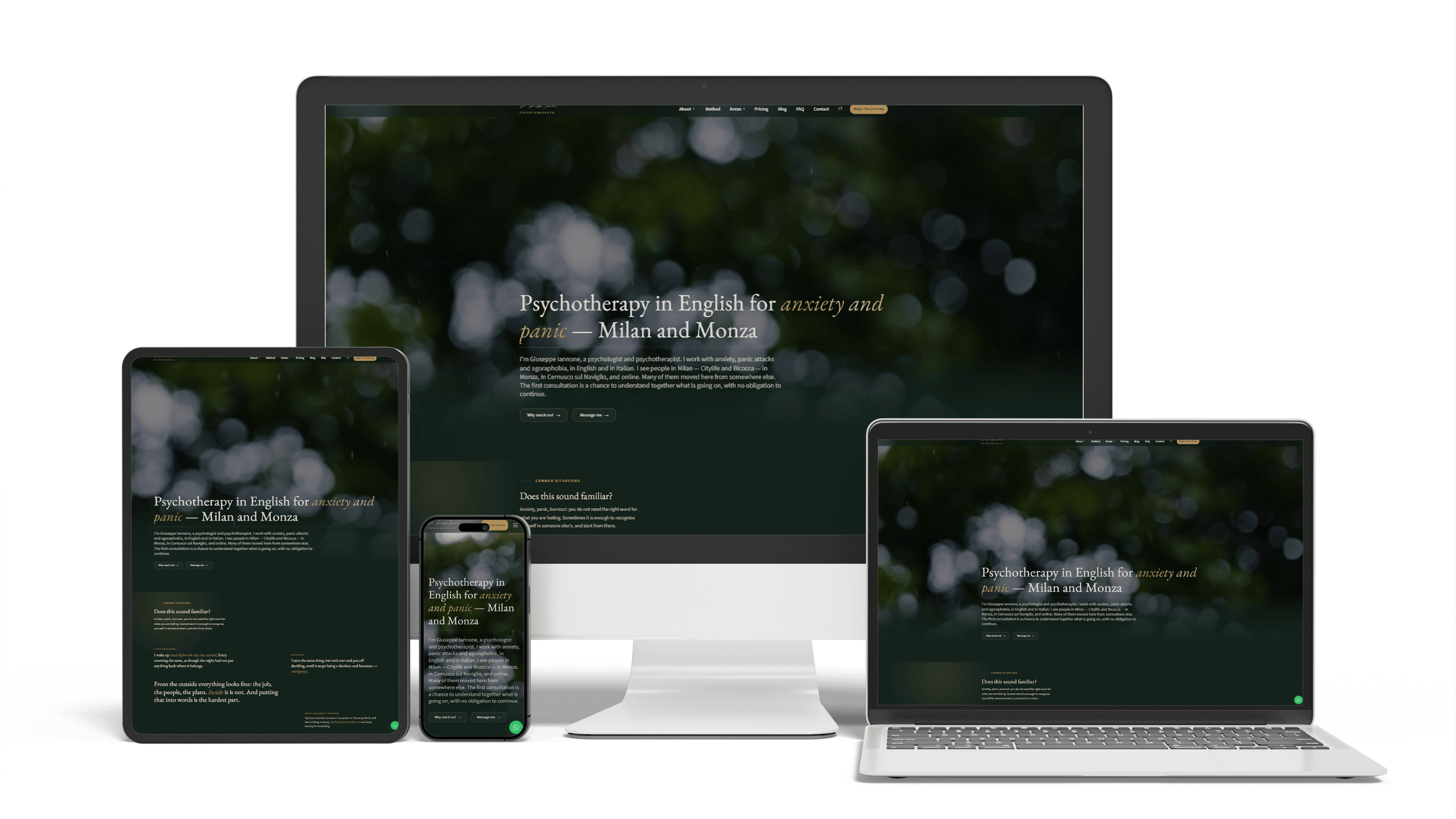
Bilingual psychotherapist website in Italy
468 of 468 posts moved2 languagesSeen in ChatGPT answers
Get a quote for your catering website
I reply within one business day with a proposed page list for your catering site, a short note on how quotes and payments would work, and a fixed price.
Catering website design is the service I offer catering companies that want their site to bring quote requests and orders, not only to show nice photos. I design and build the whole site myself — the look, the menus, the quote form and the payments — so you deal with one person for both the design and the way the site works, at a price fixed before the start. A catering site has two kinds of visitors: a planner preparing an event weeks ahead who needs enough detail to send a request, and an office assistant who needs lunch for twelve people tomorrow and wants to order in a few minutes.
The visitor decides within seconds whether to keep reading, so the first screen on a phone answers four things without scrolling:
- what you cater and where — “Corporate and wedding catering in Denver and the Front Range”, with your own words and area
- two clear paths: Request a quote for events, and Order lunch for offices if you sell drop-off
- one photo from a real event of yours, not a stock buffet
- a call and a text button for planners who would rather talk
On phones the quote button sits pinned to the lower edge. The story of the company, the chef and the awards comes further down, where the people who are already interested will read it.
Planners want to know whether you fit their budget before they write. A pricing block on each menu page shows a “from” price per person for each service style, the smallest guest count or order total you accept, and the extras: staff hours, rentals, travel outside your area, service charge. If you would rather not publish exact figures, ranges do the job. Clear numbers filter out requests you would decline anyway and make the rest more serious.
For buffets and drop-off menus a small estimator helps: the visitor chooses a package and enters the guest count, sees a ballpark figure and continues to the form with both values carried over. The final quote is still yours to make.
The quote form is where a catering website earns its money. It asks for what you need to send a real quote, and nothing more:
- event type and date, with fully booked dates marked so nobody asks for a day you cannot take
- guest count and the venue or address, with a question about kitchen access on site
- service style and a budget per person chosen from ranges
- dietary needs: how many vegetarian, vegan, gluten-free or allergy meals
- contact details and whether the client prefers a call, an email or a text
The form is split into three short steps, so on a phone it does not feel like paperwork. Each request reaches your inbox or CRM in the same format, and the client gets an automatic reply saying when to expect your quote.
Drop-off catering works more like a web store. The site shows a menu of boxed lunches, platters and breakfasts with prices, an order cutoff such as 2 p.m. the day before, delivery windows and the minimum order. Clients pay by card, Apple Pay or Google Pay, upload a list of names if each box should be labeled, and repeat last week’s order in two clicks.
Companies that order every week get an account with saved addresses, several people allowed to order, and a monthly invoice instead of card payments. Purchase order numbers and billing contacts are stored with the account, so accounting gets what it needs without a round of emails.
An event is confirmed by a deposit. After you accept a request and send the quote, the client receives a payment link, pays the deposit by card through Stripe or another payment provider, and the date is marked as booked; a second link for the balance goes out closer to the event. Nobody has to read a card number over the phone, and you see at a glance which events are paid.
I built the same pay-then-confirm flow for Landi Room, a Warsaw beauty salon whose landing page sells an online course through Stripe Checkout: the buyer pays and gets access automatically, with no manual step on the salon’s side.
Stock photos of buffets look the same on every catering site, and planners recognize them. The design is built around your own pictures: the set-up before guests arrive, plated dishes, boxed lunches lined up for delivery, your team serving. Galleries are sorted by event type, so a couple sees weddings and an office manager sees lunches and conferences.
A catering gallery can grow to hundreds of photos, so images are resized for each screen and loaded as the visitor scrolls. The DJ and producer site I built has a video gallery and still loads in under one second; a catering gallery uses the same technique. If you have few photos yet, I give your photographer a shot list for the next events.
Planners need to know early whether you come to their venue. A service-area block shows the cities and suburbs you cover on a simple map, the delivery fee or travel minimum for each zone, and how much notice you need for each kind of event. The quote form checks the address against those zones and tells the visitor right away if the venue is outside your area. All zones and fees are settings you change yourself.
Search for catering website templates and you get builder galleries and theme stores, and lists of the best catering websites mix sites built every possible way. A template is a fair start for a new caterer with one menu: it is live in days. The limits show as the business grows. The quote form is a generic contact form, deposits and office ordering need several plugins that do not talk to each other, menus by event type become one long page, and the site looks like the competitor down the road who bought the same theme.
A custom catering site is built around your event types, your quote process and your own photos, on WordPress or on Next.js with a headless CMS, and the code, the domain and the client data stay yours. I have built websites for restaurants whose owners asked me not to show them publicly. If you also run a restaurant with a dining room, the restaurant website page covers that kind of site.
A planner may ask ChatGPT or Google’s AI Overviews which caterers in their city can serve eighty guests with vegan options, the assistant answers from text it can parse. So the service area, headcounts you handle, menus, dietary options, lead times and price ranges sit in the page HTML as plain text — not locked in a PDF menu or an image — and the business and its services get structured data. Giuseppe’s site in Milan is built this way, and ChatGPT already quotes his newer pages.
Ongoing work on AI answers is described on the AI SEO and GEO optimization page; rankings for corporate, wedding and office lunch searches are covered on the catering SEO page.
There is no separate design invoice: the price includes the visual design, every page template and the finished, working site.
- A simple catering website — home, menus by event type, gallery, service area and a quote form: 700–1,400 €.
- A catering website with a multi-step quote form, price estimator, office lunch ordering, deposits, company accounts and invoices: from 2,000 €.
The steps from brief to launch are described on the website development page; the full price list is on the pricing page.
Catering website design: frequently asked questions
Order a catering website: what to send me
Send your current site or social profile, your menus with prices per person and minimums, the events you cater, the area you serve, how you handle quotes and deposits today, the payment and catering software you use and a few photos from recent events. I will reply with a proposed page list and a fixed price. Use the form above or write on WhatsApp.
