


Car Dealer Website Design
Car dealer website design and build from one person: an inventory that updates itself from your feed, vehicle pages that show the car and the price clearly, financing and trade-in forms that reach your team, and dozens of photos per car that still load fast on a phone.
- Design + build, one price
- From 700 €
- Independent lots and small groups
What you get with car dealer website design
- Inventory synced from your feedDMS, inventory tool or spreadsheet — no double entry
- Vehicle pages built around photosGallery, price, key specs and a history report link
- Inventory search that works on a phoneMake, model, price and mileage in two taps
- Financing and trade-in formsShort, secure, sent straight to the right person
- Fast with dozens of photos per carResized at import, loaded as the buyer scrolls
- Vehicles and terms ChatGPT can readPlain text and structured data, not images
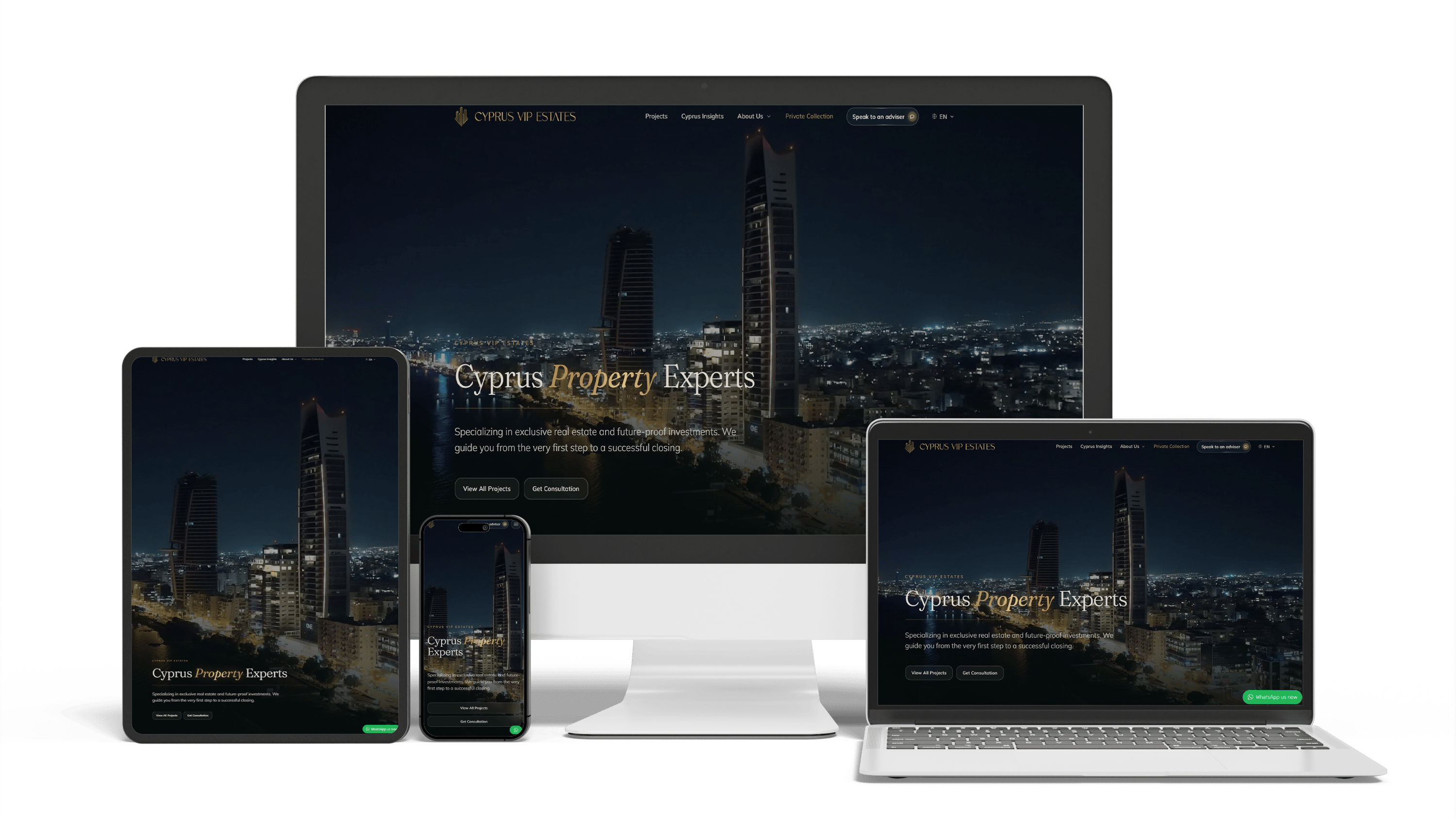
Multilingual real estate platform in Cyprus: SEO and GEO without bought links
16× faster editingTraffic from ChatGPTLeads via WhatsApp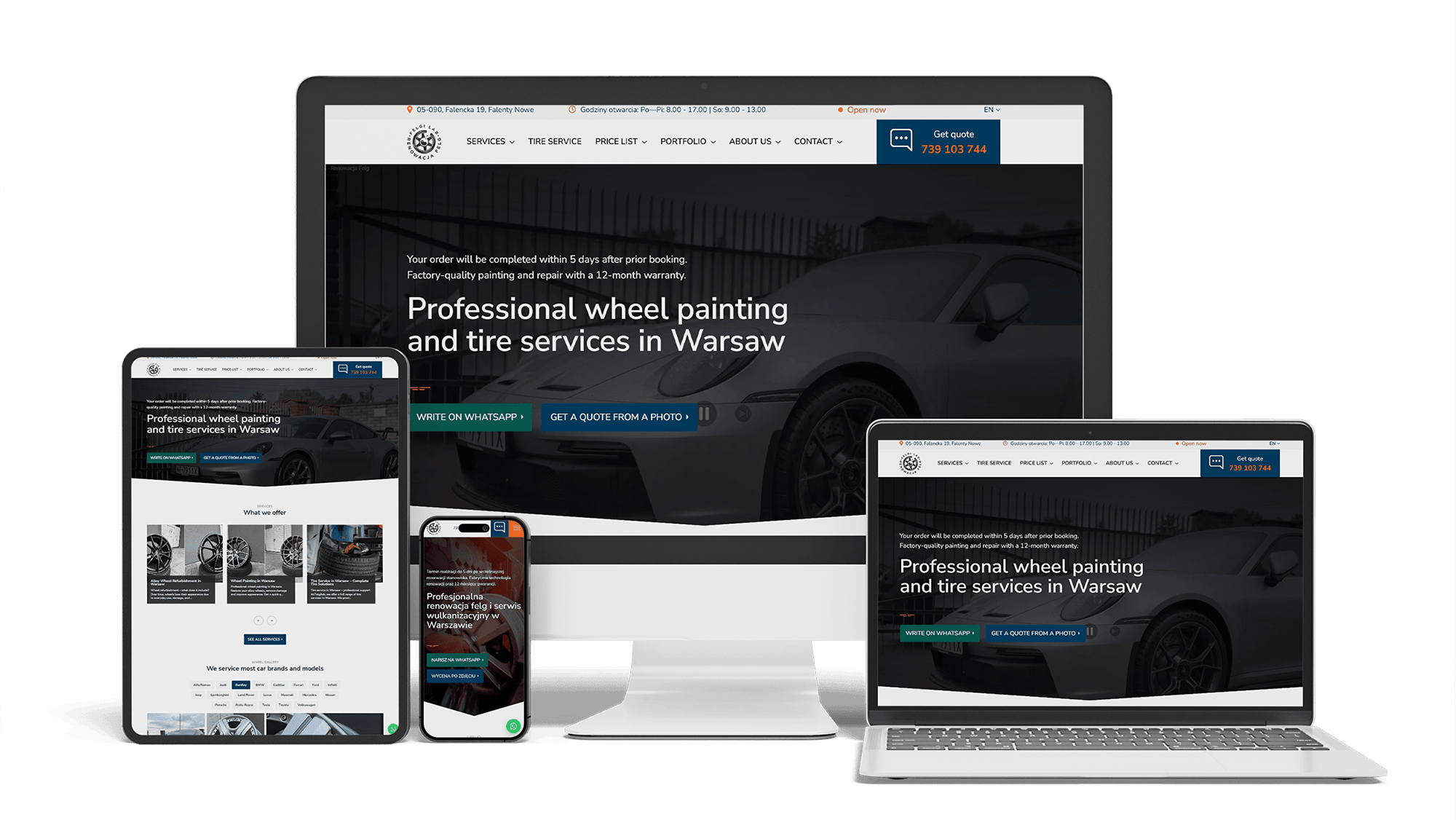
Full WordPress Rebuild for a Car Rim Restoration Company
92/91/96/100Photo quote formLocalBusiness markup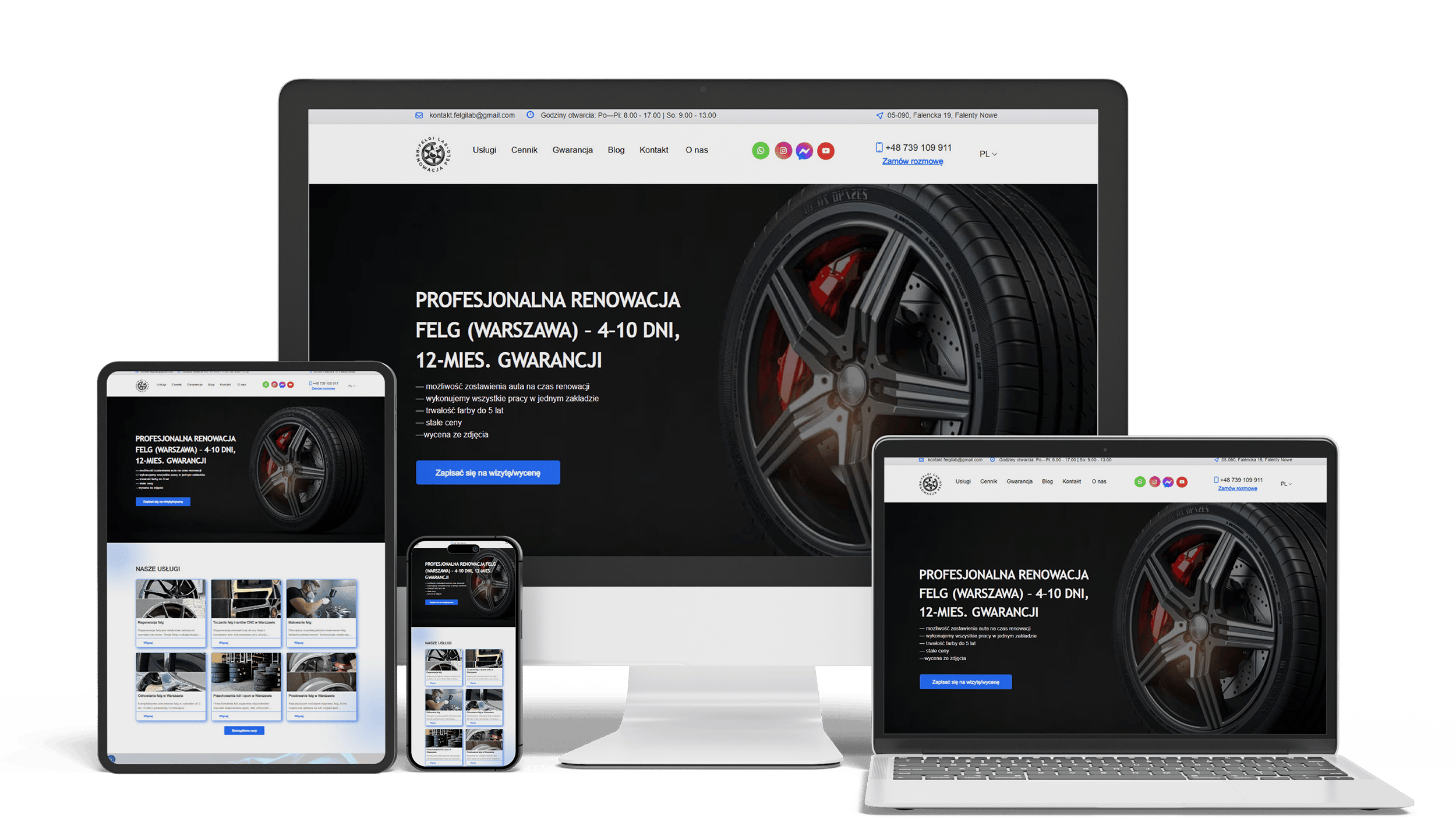
Auto Repair SEO & UX Boost
Performance 90++10% organic trafficLeads from forms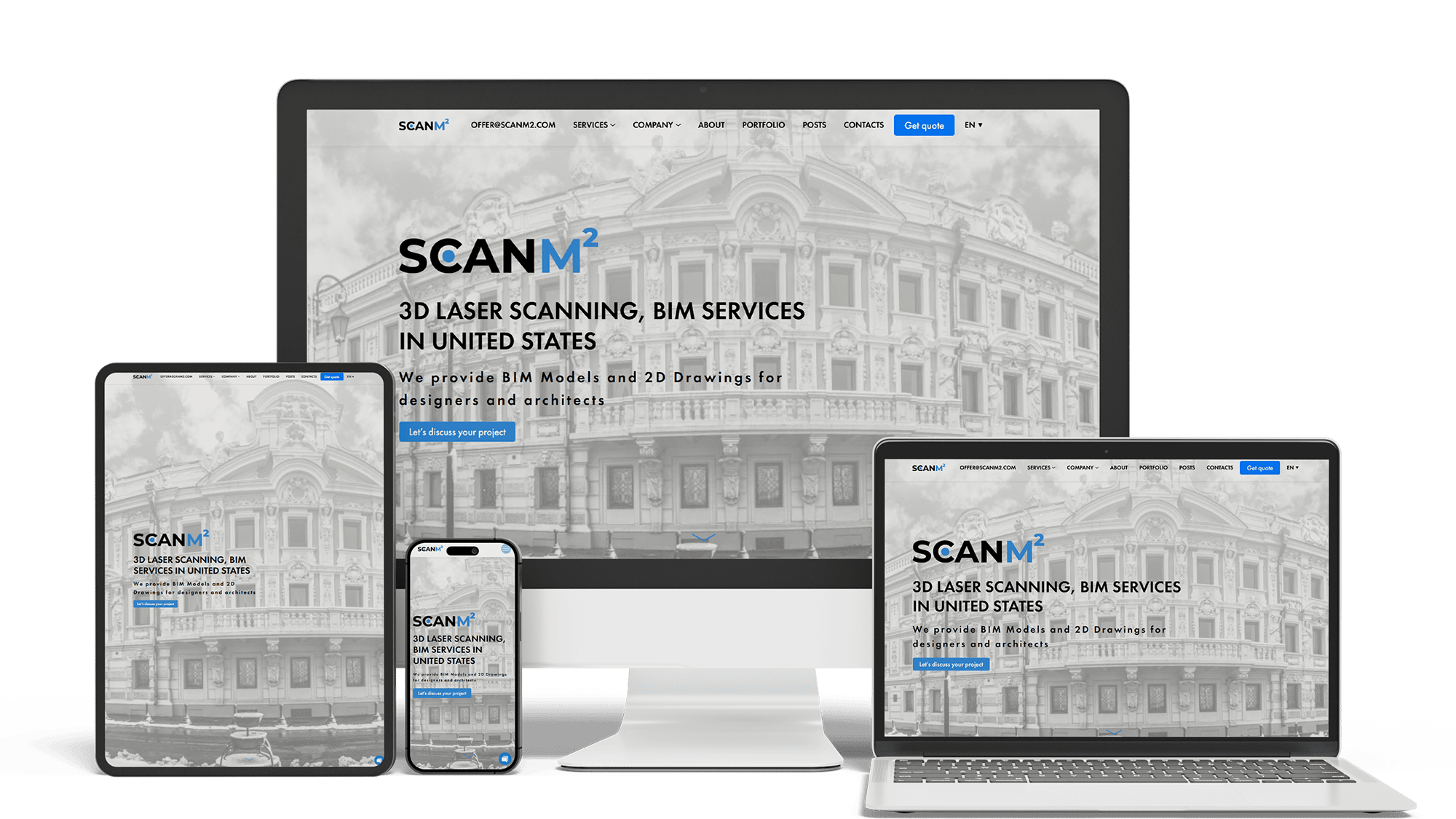
Architecture Website Rebuild and SEO
29× organic trafficLoads in under 1 sTop 3 in Poland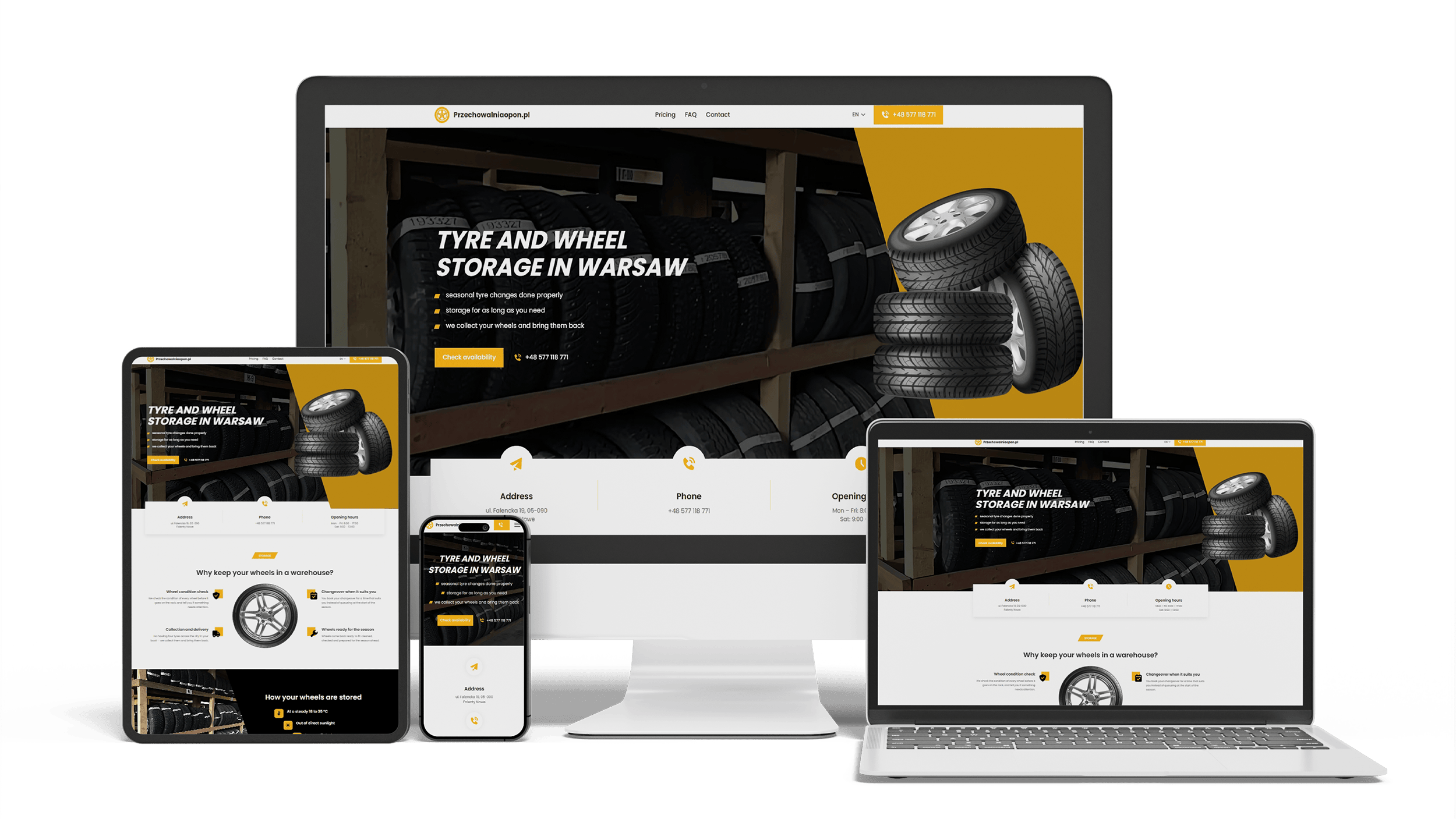
A multilingual landing page for a wheel and tyre storage business
100/95/100/1003 languagesClient edits it
Get a quote for your car dealer website design
Within one business day you get my answer: a proposed page structure for your inventory and vehicle pages, how the feed would connect, and a fixed price.
Car dealer website design is what I do for independent used car lots and small dealer groups: I plan, design and build the site on my own, connected to the system where your inventory already lives, so one person answers for the whole thing at one price. Car dealer websites are catalogs that change every day. Cars arrive and sell, prices drop, photos come in after detailing, and the site has to follow all of it without anyone typing a car in twice.
Most visits to a dealership website follow the same path. The buyer opens the inventory, narrows it down, opens one or two cars, and then calls, texts or sends a form. Everything else — about us, hours, directions, financing — supports that path. So the design work goes where the decisions happen:
- the inventory list, which has to be scannable on a phone held in one hand
- the vehicle page, which answers “is this the car, what does it cost, is it still here”
- the contact step, which should take one tap and tell your team which car the person means
The first screen of the home page shows a search box or the main body types, your location and phone, and a few current arrivals — not a slider of stock photos of cars you do not have.
The site reads your inventory from where you already keep it. Common sources:
- a dealer management system — DealerCenter or Frazer at many independent lots, CDK or Reynolds and Reynolds at franchise stores — through its export
- an inventory tool such as vAuto or HomeNet that already sends feeds to marketplaces
- a CSV file or Google Sheet for small lots that keep stock in a spreadsheet
I map the fields once — stock number, VIN, year, make, model, trim, mileage, price, colors, options, photo links — and the import runs on a schedule, several times a day if your stock moves fast. New cars appear with their photos, price changes go through, and sold cars leave the list automatically. What happens to a sold car’s page afterwards is a search question, covered on the car dealer SEO page. Staff can still add a note or a highlight to any car in the site’s admin, and the next import keeps it.
The vehicle detail page decides whether the buyer contacts you or goes back to the marketplace. On a phone, the first screen holds:
- the photo gallery, swipeable, starting with a front three-quarter shot
- year, make, model and trim in plain words, then price and mileage in large type
- three or four key facts: drivetrain, engine, MPG, number of owners
- buttons to call, text and check availability, plus a test-drive request
Below that: the full options list, the history report link (Carfax or AutoCheck, if you provide one), the window sticker for new cars, a short walkaround video and similar cars in stock.
Price, fees and monthly payments on a vehicle page
Buyers distrust prices that change at the desk. The page says what the price includes and lists any dealer fees next to it, in the same type size. If you show an estimated monthly payment, its assumptions — term, rate, down payment — sit directly under it, readable without zooming. Rules on advertised prices and fees vary by state, so the wording follows what applies to you.
On a desktop, filters can sit in a sidebar. On a phone they open from one button and close with the result count visible, so the buyer never filters down to zero cars without noticing. Each car in the list shows a photo, price, mileage and one line of key facts. Sorting by price, mileage, year and newest arrivals covers almost every need; a saved search with an email alert keeps buyers who are not ready yet.
Credit is where many dealer sites lose people, either with a long form on the first visit or with a form that is not safe. The design separates two steps:
- Pre-qualification: a short form, often a soft credit check through a provider, that gives the buyer an idea of their terms without affecting their credit score.
- The full credit application: sent through your lender platform, such as RouteOne or Dealertrack, or through a secure form that never sends Social Security numbers by plain email.
Dealers who take customer financial information fall under the FTC Safeguards Rule, which asks for protection of that data. The form, its storage and who can see it are built with that in mind; your compliance contact confirms the details.
A trade-in form only helps if it collects what an appraiser needs. The buyer enters a VIN or license plate, the form fills in year, make and model, and then asks for mileage, condition, accidents, payoff and a few phone photos. You can show an instant estimate from a valuation tool such as Kelley Blue Book Instant Cash Offer, or ask for an appraisal from your team. Either way, the lead arrives with the car they want to trade and, if they came from a vehicle page, the car they want to buy.
A lot with eighty cars and thirty photos each serves thousands of images, and that is the main reason dealer sites are slow. The build handles it at import, not in the browser:
- photos resized into several widths and converted to WebP or AVIF when they are imported
- only the first photo loaded with the page; the rest load as the buyer swipes
- inventory lists showing small thumbnails, never the full-size originals
- walkaround videos embedded from YouTube and loaded only when tapped
The result is a vehicle page that opens fast on mobile data at the lot next door, which is where many buyers compare prices.
Many buyers would rather text than call. A “Text us about this car” button opens a message that already contains the year, model and stock number, so your salesperson knows which car it is without asking. Calls from a vehicle page can be tracked the same way. Forms and texts go to your CRM or lead inbox with the car attached, and the site shows business hours next to the phone, so nobody calls a closed lot at 9 pm expecting an answer.
Dealer website providers bundle a site with the inventory feed and a monthly fee: Dealer.com, DealerOn and Dealer Inspire mostly serve franchise stores, while DMS and marketplace vendors sell website packages to independents. Builders like Wix offer car dealership website templates, some of them free. For a new lot, a template or a vendor package is a fair start. The limits show later:
- the same layout as hundreds of other dealers, with little room for your own design
- a monthly fee that never ends, and a site that disappears when you cancel
- little control over page speed, forms and what goes into the page code
Franchise dealers often have to use a provider certified by the manufacturer, so an own site fits independents and groups with their own used-car brand best. Your feed, lender platform and CRM connect to it the same way they connect to a vendor site.
What the best car dealership websites have in common
The best car dealership websites share habits rather than a look: real photos of every car taken in the same spot, prices with fees shown openly, one tap to call or text from any vehicle, and inventory that matches the lot to the hour.
Some buyers now ask ChatGPT, Perplexity or Google’s AI Overviews which dealers nearby have a certain model or offer financing for first-time buyers. These assistants can only use what they can read. A site that shows inventory, hours and financing terms as images, or loads everything inside a third-party widget, gives them nothing. The same facts as text, with Car and AutoDealer structured data generated from the feed, can be read and quoted.
Being recommended there is separate, ongoing work; see AI SEO and GEO optimization.
- Brief. You send your current site, feed source, lots, fees, financing partners and a few vehicle pages you like elsewhere.
- Phone layouts. I design the inventory list, the vehicle page and the forms on a phone and agree them with you.
- Build and feed. The import is connected and tested on your real stock before launch.
- Launch. Forms, texts, call tracking and analytics are connected; you get a short guide.
- A simple car dealer website — home, inventory list, vehicle pages, about, contact: 700–1,400 €.
- A car dealer website with an automatic inventory feed, search filters, financing and trade-in forms and location pages: from 2,000 €.
Design is part of both prices. Once the site is live, your running costs are hosting and the domain; I bill only for changes you request. My general approach to building sites is on the website development page; full ranges are on the pricing page.
Car dealer website design: frequently asked questions
Order car dealer website design: what to send me
Send your dealership name and current website, the addresses of your lots, where your inventory lives now (DMS, inventory tool or spreadsheet), your typical stock size, the lender platform and CRM you use, and your dealer fees. A few links to vehicle pages you like on other sites tell me what you expect from yours. I will reply with a proposed list of pages and a fixed price. Use the form above or write on WhatsApp.
