


Cafe Website Design
I design cafe websites that look like the cafe itself: colors and marks taken from your cups and sign, photos of drinks and the room planned for the screen, a menu layout that reads at a glance and a first screen designed for the phone. Design is included in the price of the site.
- Design included in the site
- From 700 €
- Reply within one business day
What you get with cafe website design
- Your brand from cup to screenColors, type and marks you already use
- Photography planned for the layoutA shot list for drinks, pastries, bar and room
- A menu layout that reads at a glanceSizes in columns, add-ons on one line
- A first screen designed for the phoneVertical crop, one line in your voice, two buttons
- Seasonal looks without a redesignAccent color, photo and banner set from the CMS
- Rich photos, light pagesImages sized per screen, no loading animation
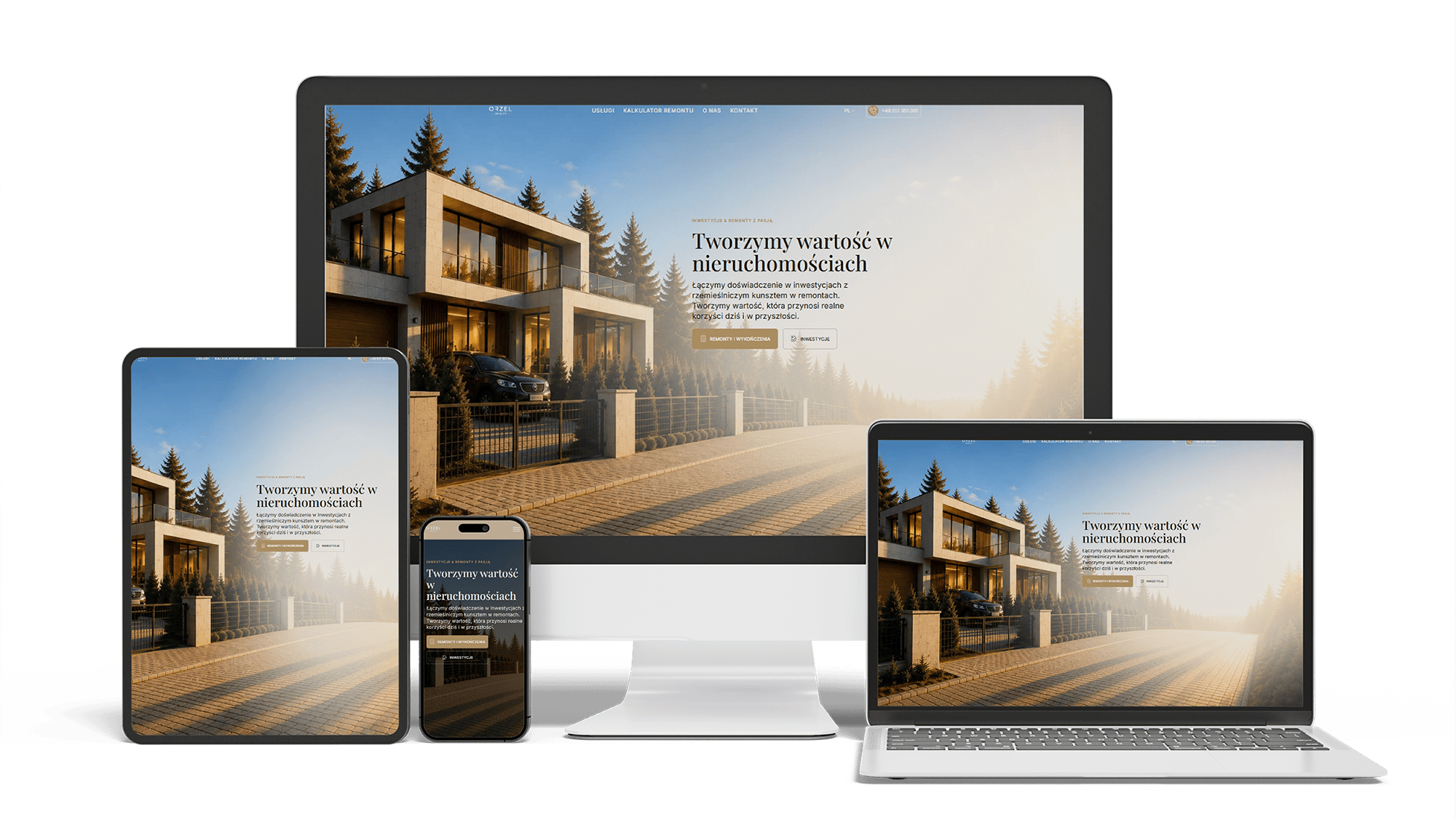
Renovation and investment website with a premium feel and 96/98/100/100 performance
96/98/100/100Design system2 languages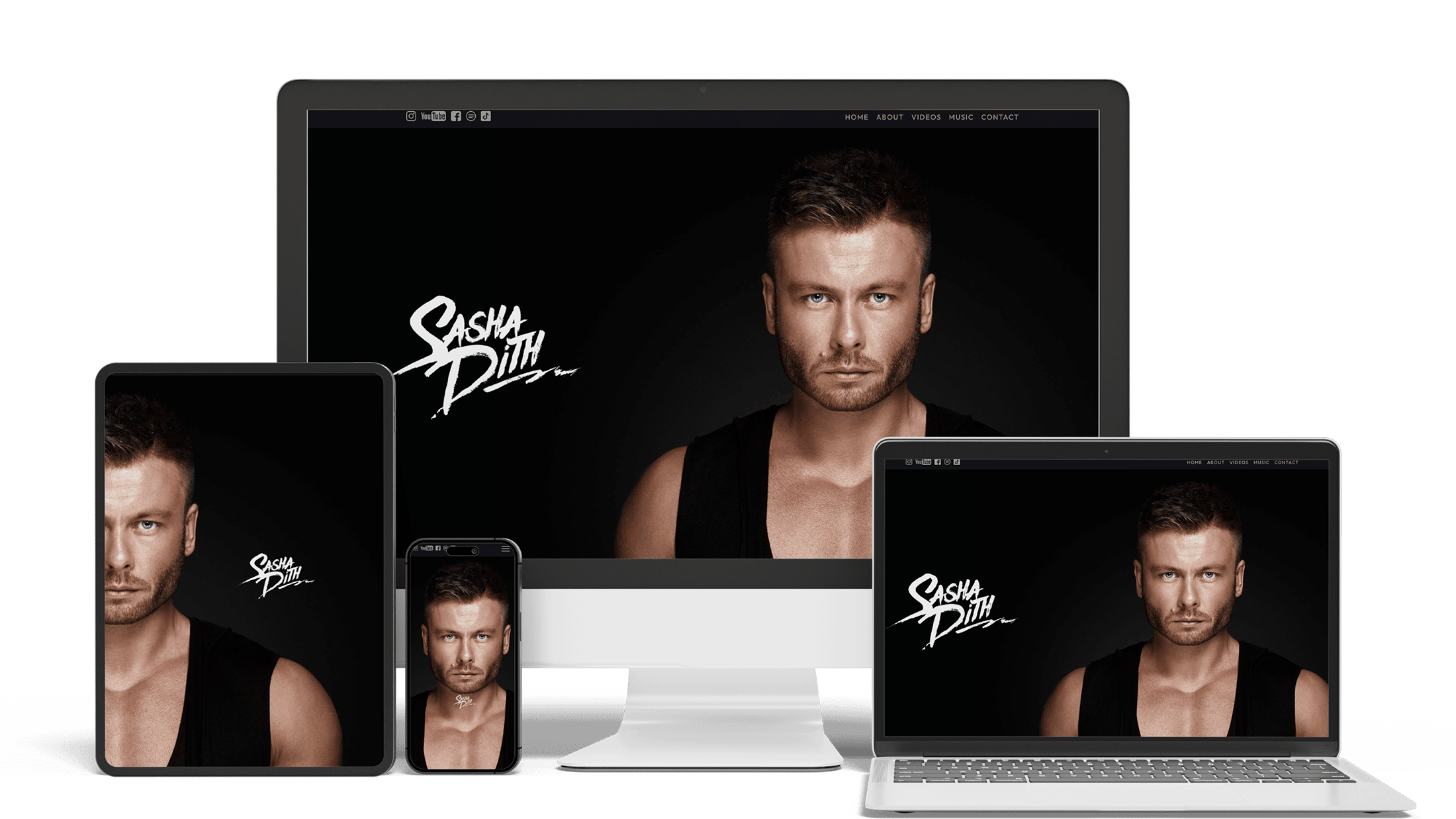
Official Website for DJ and Producer Sasha Dith
Loads in under 1 sBooking formVideo and music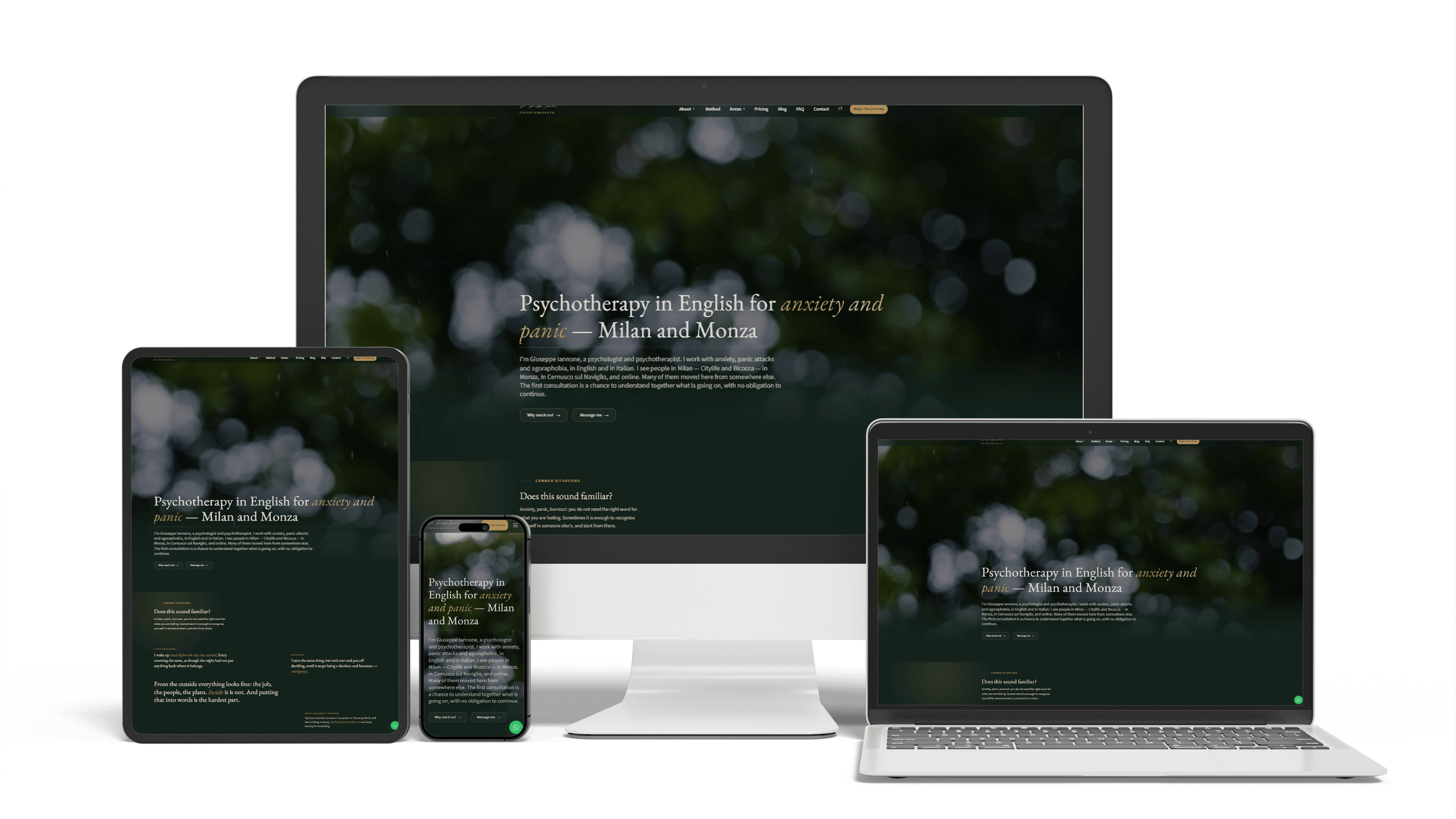
Bilingual psychotherapist website in Italy
468 of 468 posts moved2 languagesSeen in ChatGPT answers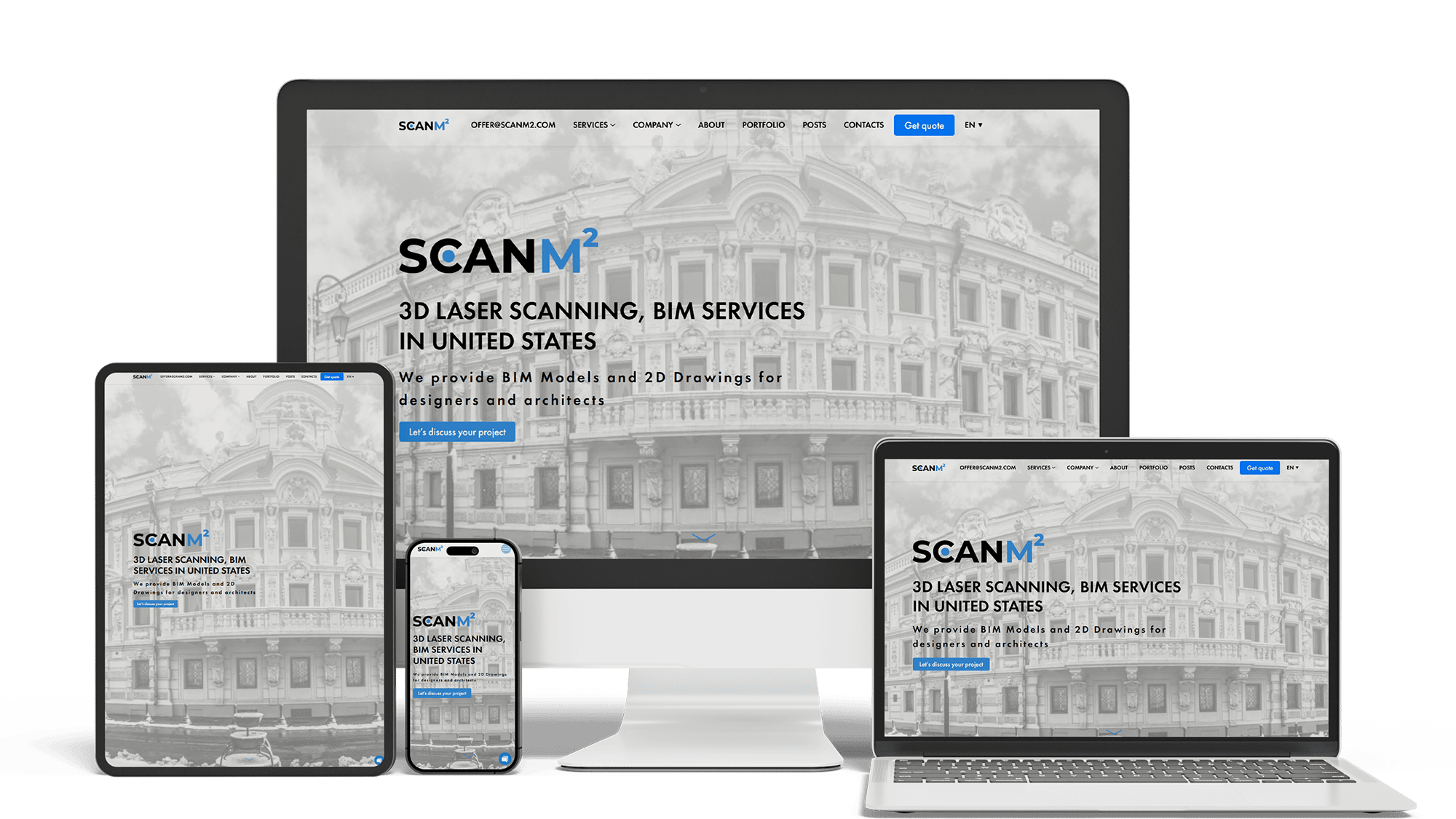
Architecture Website Rebuild and SEO
29× organic trafficLoads in under 1 sTop 3 in Poland
E-commerce landing page with secured video access
100+ course sales0 leaksLinks expire in 14 days
Get a quote for your cafe website design
Within one business day you get a proposed page list for your cafe, the photos the design will need and a fixed price for the whole site.
Cafe website design is part of every cafe site I build: I design the look and develop the site myself, and the design is included in the price of the website, not billed as a separate project. The design has one task. A guest who has never been to your cafe should know from the screen what it feels like to sit there — bright and quick, slow and cozy, a roaster with a long bar, a brunch place with a line on Sundays — and every choice below serves that impression on a small screen.
A cafe has a brand even without a brand guide. It is printed on the takeaway cup, stamped on the bean bags, painted on the window and chalked on the board. The cup matters most: it is the object guests photograph and post, so the website takes its colors and marks from it first.
- the palette comes from the cup, the bags and the room — often one strong color and two quiet ones
- the logo stamp becomes the icon in the browser tab and a small mark in the corner of sections
- a hand-lettered or display font, if the board uses one, appears in a few headings only; the menu and body text use a plain typeface that reads well in daylight
- patterns or illustrations from your packaging frame sections, never sitting behind text
If you are still opening and have no brand yet, the design works from what you chose for the room — wood, tiles, the color of the espresso machine — and stays simple enough to adapt when the logo arrives.
A desktop hero photo is wide; a phone screen is tall. A panorama of the room that looks good on a laptop becomes a slice of countertop on a phone. So the first screen is designed for the phone first, with a photo chosen for each shape: a vertical image for phones — the 4:5 format you already shoot for Instagram — and a wider one for desktop, each cropped so the cup, the bar or the window stays in frame.
Over the photo sits only what helps a guest decide: the name, one line in your own voice, such as “small-batch roaster, brunch until 3”, and two buttons. Everything else — the story, the team, the beans — starts one scroll down, where it gets the attention it deserves.
The same stock photos of beans and latte art appear on thousands of cafe sites, and guests recognize them. A cafe is easier to photograph than most businesses: one morning before opening usually covers it, working from a list of shots I write for the layout:
- signature drinks shot from above for latte art and from the side for iced and layered drinks, where the layers show
- the pastry case and two or three plated items in window light
- the bar in action: hands on the portafilter, milk being poured, beans going into the grinder
- the room empty, for its shape and light, and the room with guests, for its mood
- details that carry the brand: the cup, the bag, the sign, a corner of the tiles
Every photo then gets the same color grade — warmth, contrast, brightness — so the site reads as one cafe and not as a stack of posts from different years.
Cafes change with the seasons more than most businesses: a fall menu, summer cold brew, a holiday drink, a guest roaster for a month. The design plans for it. Each season can have its own accent color, a hero photo and a short banner, all set from the CMS with a start and end date, while the layout, the fonts and the menu structure stay the same. The site looks fresh four times a year without a redesign, and last season’s drink leaves the screen on the date you chose.
Looking through galleries of cafe and coffee shop websites, the ones that work for guests share a few design choices:
- one strong photo on the first screen, not a slider that changes before anyone reads it
- copy that sounds like the person behind the bar, not like a template
- the menu one tap away from every page
- one color grade across all photos, so the site feels like one place
- plenty of white space, so the drinks and the room bring the color
- nothing standing between the guest and the first screen: no loading animation, no newsletter pop-up on arrival
Cafe website templates are designed around their demo photos: warm, perfectly lit, all in one palette. Swap in your own photos and the template often stops looking like its preview, because its colors and spacing were tuned to images you do not have. Templates also expect a short menu with one price per item, so sizes and add-ons get squeezed into descriptions. A template is a fair choice if you like it as it is and your menu fits it. A custom design is built around your photos, your colors and your real menu, so what you approve in the design is what guests see, and its cost is part of the website price.
Design choices decide what search engines and AI assistants can read. A menu exported from Canva as an image, opening hours inside a photo of the door sign or a seasonal drink announced only in a banner graphic are invisible to them. In my designs, everything that looks like a graphic but carries information is styled text: the menu, the hours, seasonal names and prices. Photos get descriptive alt text — “oat flat white with a rosetta on the window counter” — which serves screen readers and image search alike. That is how a guest who asks ChatGPT or Google’s AI Overviews for a cafe with a certain drink or atmosphere can be pointed to yours.
The ongoing work on AI answers is on the AI SEO and GEO optimization page, and getting found in Google and on the map is on the cafe SEO page.
There is no design invoice on its own: the look, the page layouts and the working site are one job with one price.
- A simple cafe website with a custom design for the home page, menu, hours and location: 700–1,400 €.
- A cafe website with custom design, seasonal looks, ordering, a bean shop and events: from 2,000 €.
What the site does — pickup ordering, holiday hours, delivery apps, a bean shop, private hire — is described on the cafe website page. For a venue with table service see restaurant website design; the build process is on the website development page and all prices on the pricing page.
Cafe website design: frequently asked questions
Order cafe website design: what to send me
Send photos of your cup, bags, sign and room, your logo files or brand guide if you have one, your current menu, the photos you already own and two or three cafe websites you like. You get back a proposed page list and one fixed price that covers design and build. Use the form above or write on WhatsApp.
