


SEO for Tour Operators and Activity Companies
I provide SEO for tour operators and activity companies: a page for every tour, destination and activity pages that rank for “things to do” searches, more direct bookings next to Viator and GetYourGuide, booking widgets that do not slow the site, languages, seasonal timing and a place in AI travel answers.
- Tour, destination and activity searches
- Audit from 250 €
- Reply within one business day
What you get with SEO for tour operators
- The searches travelers make before bookingDestination, activity, length and “things to do in…”
- Tour pages grouped by place and activityOne page per tour, hubs that tie them together
- A booking widget that does not slow pagesRezdy, Bókun or FareHarbor checked for speed and tracking
- Tour pages in your guests’ languagesWritten for each market, linked with hreflang
- Named in ChatGPT and AI OverviewsTour facts an assistant can repeat
- Reports in bookings, direct and OTAEach booking with the page that brought it
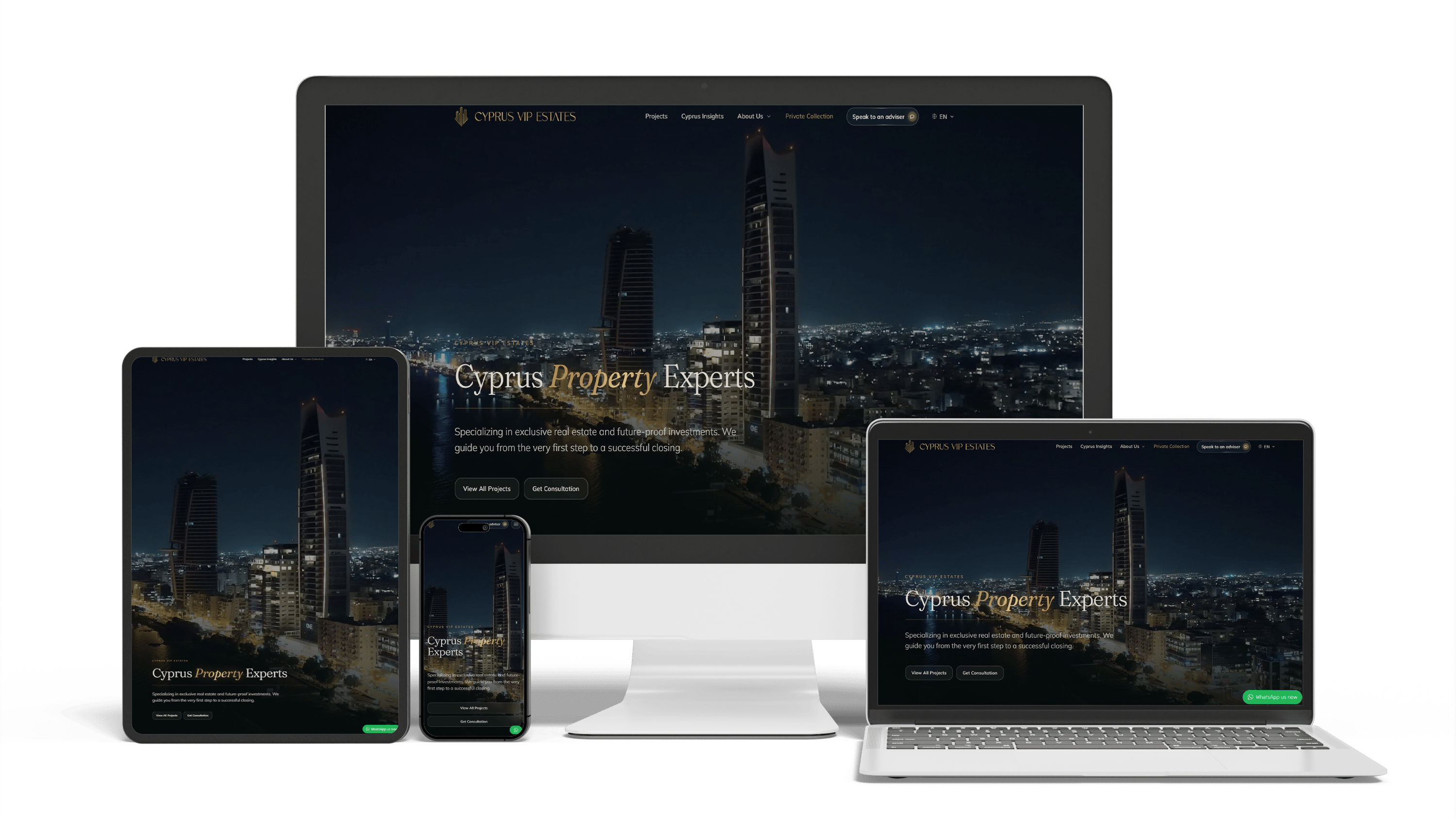
Multilingual real estate platform in Cyprus: SEO and GEO without bought links
16× faster editingTraffic from ChatGPTLeads via WhatsApp
Full Multilingual Website Development & SEO for Student Services
+5,930 clicks in 6 months359k impressionsTeam edits it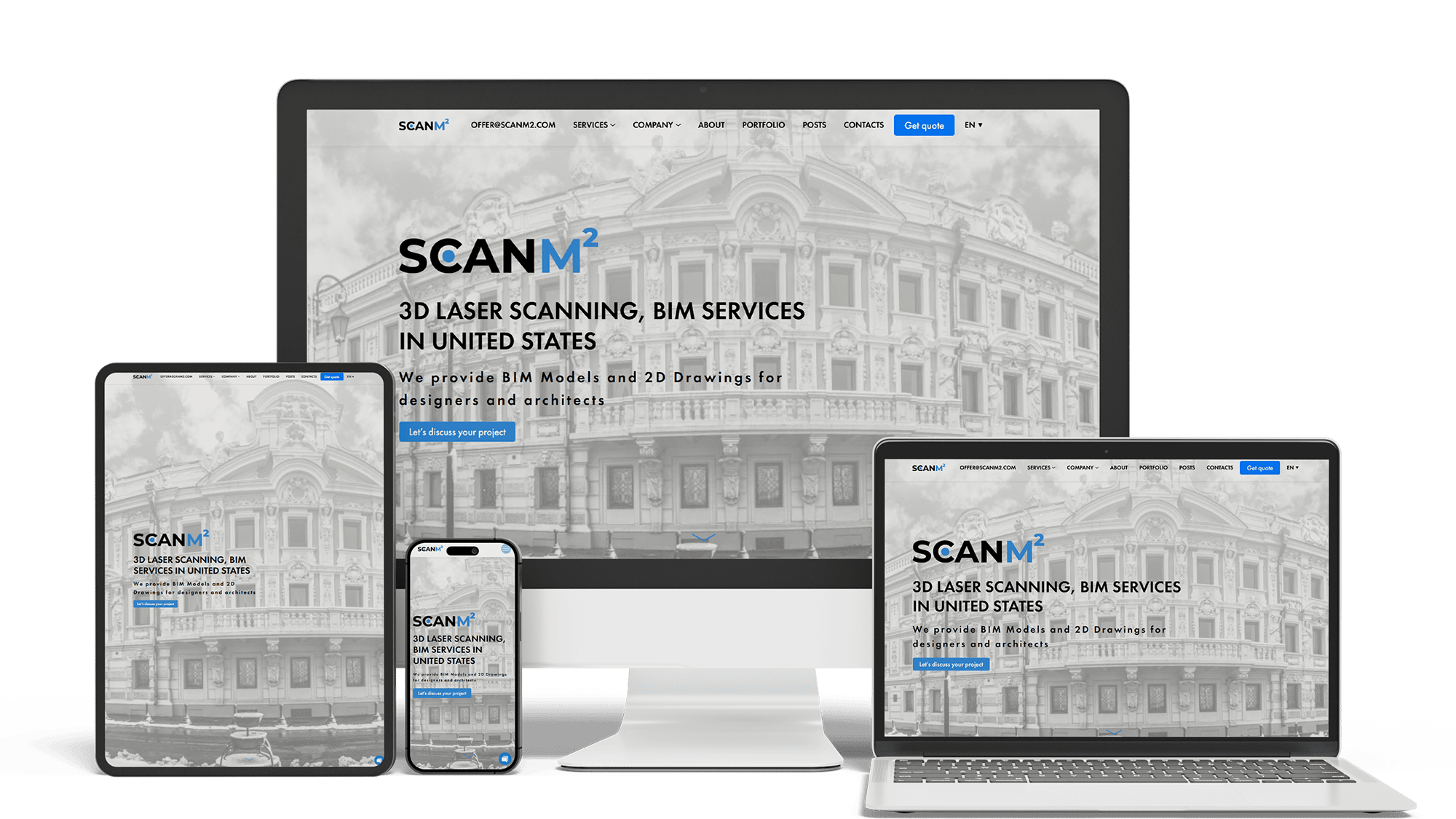
Architecture Website Rebuild and SEO
29× organic trafficLoads in under 1 sTop 3 in Poland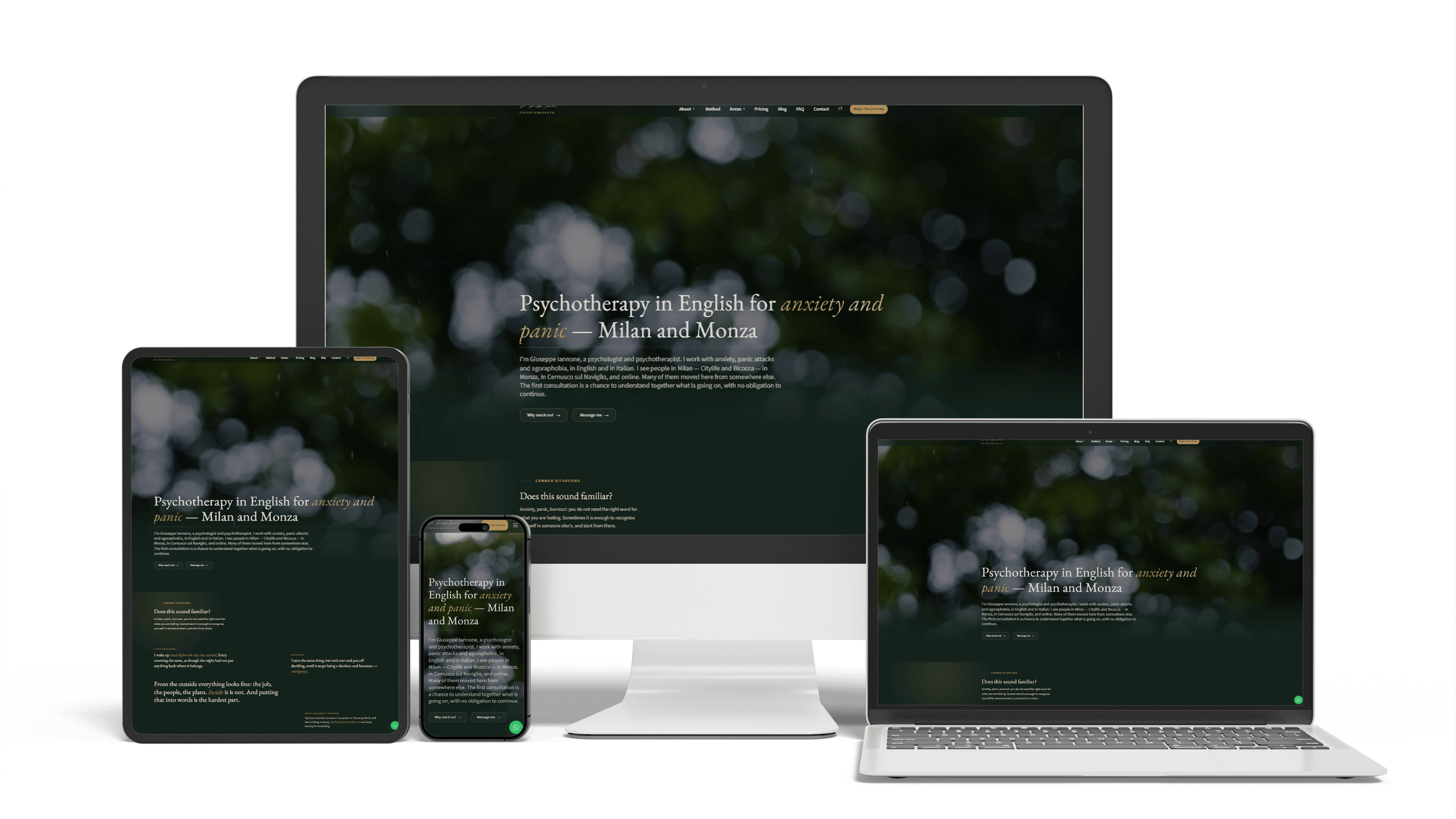
Bilingual psychotherapist website in Italy
468 of 468 posts moved2 languagesSeen in ChatGPT answers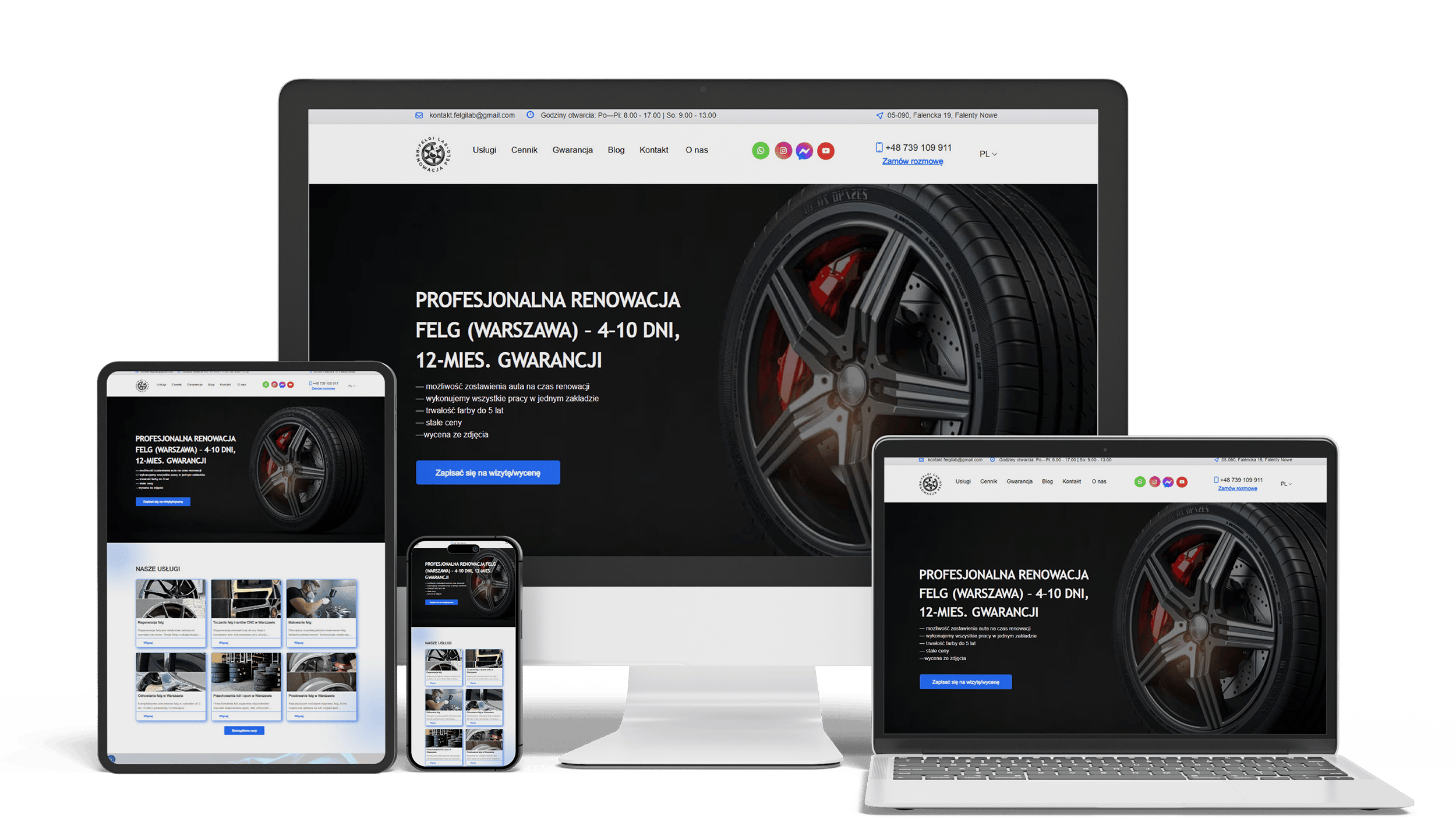
Auto Repair SEO & UX Boost
Performance 90++10% organic trafficLeads from forms
Get a quote for SEO for your tour company
Within one business day you get the first three fixes I would make — tour pages, booking widget or destination pages — and a fixed price.
SEO for tour operators is the work that gets a tour company found when travelers search for things to do in your destination, for the activity they want or for your name after seeing you on Viator, and that turns those visits into bookings on your own site. I do it myself — audit, tour pages, code changes and reports — for small and mid-sized tour and activity companies, so the person who spots a problem is the one who fixes it.
A tour company sells dated seats in an experience nobody can try in advance. Search work covers the places where travelers make that decision:
- your website: tour pages, destination and activity pages, planning guides
- Google Search, Maps and the Things to do results for your destination
- reviews on Google and Tripadvisor, and your OTA listings
- answers in ChatGPT, Perplexity and Google AI Overviews
Agencies that resell other companies’ packages face a different search problem, described on the travel agency website page.
Few travelers type a company name first. A typical search names a destination and an activity, and grows more specific as the trip approaches:
- destination plus activity: “snorkeling tour Maui”, “food tour Charleston”, “helicopter tour Grand Canyon from Las Vegas”
- format and length: half-day, private, small group, sunset, with hotel pickup
- who it suits: kid-friendly, for seniors, wheelchair accessible
- planning questions: “best time to see whales in Monterey”, “is a swamp tour worth it”
- your company name, typed after an OTA listing or a hotel brochure
Each phrase has modest volume, but each sits close to a booking. Tour company SEO maps these groups to pages before anything is written, so two of your tours never compete for the same search.
Many tour sites list every tour on one page under a booking widget. Search engines need one page per tour, aimed at one search, and hub pages that group them:
- a page for each tour: what happens hour by hour, duration, meeting point with a map, what is included, group size, age limits, what to bring, cancellation terms and price from
- destination pages that gather your tours in one place with a short guide to the area
- activity pages that gather kayak, food or hiking tours across destinations, if you run several
- photos and short videos from real departures, described in words
Original text matters more than length. Pasting the OTA description onto your own page gives Google two copies of the same text, and the platform usually wins.
Searches like “things to do in Savannah” are broad, and lists from large travel sites hold the top of the results. A small operator reaches that demand in two ways. First, with planning articles for narrower versions — “things to do in Savannah with kids on a rainy day” — written from a guide’s experience and linked to the matching tour. Second, through Google’s Things to do listings, where tours appear with prices and booking links: your booking software or a connectivity partner sends your products there, and your own site can be one of the booking options next to the OTAs.
Viator, GetYourGuide, Klook and Airbnb Experiences sell tours to people who would never find a small company alone, and they take a commission on each booking. Most operators keep them. SEO works on the other side of that trade:
- travelers who saw you on an OTA often search your name before booking, and your site should be the first result, with the same tours and a clear booking button
- your own tour pages compete for searches where OTA pages are thin or generic
- reviews, guide profiles and photos on your site answer the doubts that send people back to the platform
Reports put direct bookings from search next to OTA bookings, so you see the share move month by month.
Booking software runs the calendar, payments and manifests, and few operators would work without it. Its widget can still hurt search: some load slowly, some keep the tour description inside a frame Google does not credit to your page, some send guests to another domain where tracking breaks. An audit checks:
- whether tour details are text on your page or exist only inside the widget
- how the widget affects load time and Core Web Vitals on a phone
- whether each booking is tracked back to the page and search that brought it
- whether availability and prices on the page match the system
The fix is usually in how the widget is embedded, not in switching software.
Travelers search in their own language: a German couple in Florida types in German, a family from Mexico in Spanish. Every language gets pages built on what that market types into Google, with its own titles and planning answers, tied together with hreflang. Start with the languages your guides speak on tours; a page selling a German-language tour without a German-speaking guide earns bad reviews. How I build sites in several languages is on the multilingual website development page.
Tour searches rise weeks or months before the season: people plan summer whale watching in spring and fall foliage trips in August. The SEO calendar follows that:
- new tour pages and seasonal guides go live well before the season, so Google has time to find and rank them
- dates, prices and departure times are updated before travelers start comparing
- off-season and private tours get attention when the main season ends
- pages for paused tours stay live with the next season’s dates instead of being deleted
Deleting a tour page each winter throws away the rankings it earned; keeping it with “next departures from May” keeps them.
Reviews often decide between two similar tours. Ask every group after the tour, by email or with a QR card, and reply on Google and Tripadvisor. The Google Business Profile marks where tours start — an office, a dock or a meeting point — so travelers find it on the map that morning, with the same name, phone and website as everywhere else. Map rankings and reviews in more depth are on the local SEO services page.
More travelers plan with an assistant: “plan three days in Charleston with a food tour”, “best small-group tour of Zion from Springdale”. ChatGPT, Perplexity and Google AI Overviews name a few companies and give reasons. Shaping those answers goes by two names, GEO (generative engine optimization) and AEO (answer engine optimization), and for a tour operator it comes down to:
- each tour’s facts — duration, meeting point, group size, season, languages, price from — as plain text
- planning articles that answer the question directly, with the guide or owner named as author
- the same facts on Google, Tripadvisor and OTA listings, plus a steady flow of new reviews
- TouristTrip and Organization structured data tied to those profiles
Before and after the work I check how assistants describe your company and which operators they name instead. More on the AI SEO and GEO optimization page.
My report counts bookings and revenue from organic search by tour page, the split between direct and OTA bookings, calls and messages from the Google profile, and rankings for your chosen searches beside those numbers. Before hiring anyone, ask who writes the tour pages, whether reports show bookings, and whether the content stays yours if you leave. I do the audit, pages, code changes and reports myself; the general approach is on the SEO optimization and strategy page.
- SEO audit — website, tour pages, booking widget, Google profile, reviews and AI answers: from 250 €, one-off.
- One-off work — tour page rewrites, destination and activity hubs, structured data, booking tracking: 250–700 €.
- Monthly SEO for a tour company — new tour pages and seasonal guides, language versions, reviews, AI visibility and reports: from 800 € per month.
A company running three tours in one town usually needs the audit and a set of well-written tour pages before any retainer. The audit is described on the SEO audit page, and all prices are on the pricing page.
SEO for tour operators: frequently asked questions
Order SEO for tour operators: what to send me
Send your website, links to your Google profile, Tripadvisor and OTA listings, the booking software you use, your tours and seasons, the languages your guides speak and roughly how bookings split between your site and OTAs today. My reply lists what to fix first and a fixed price. Use the form above or write on WhatsApp.
