


SEO for Florists and Flower Shops
I do SEO for florists: same-day delivery pages for the neighborhoods and towns you serve, occasion pages from birthdays to Mother’s Day, wedding flower pages, Google Maps and reviews, so people order from your shop directly instead of through a wire service or a national order gatherer.
- Delivery area and occasion pages
- Audit from 250 €
- Reply within one business day
What you get with SEO for florists
- Search data for your towns and occasionsDelivery, birthdays, holidays, weddings — by area
- Same-day delivery area pagesOnly the neighborhoods your drivers really reach
- Occasion and holiday pagesSame address every year, refreshed before each peak
- Wedding and corporate flower pagesReal weddings, venues, price ranges, office accounts
- Visibility in ChatGPT and AI OverviewsDelivery areas, cutoffs and hours written as text
- Reports in orders and callsDirect orders compared with wire-service orders
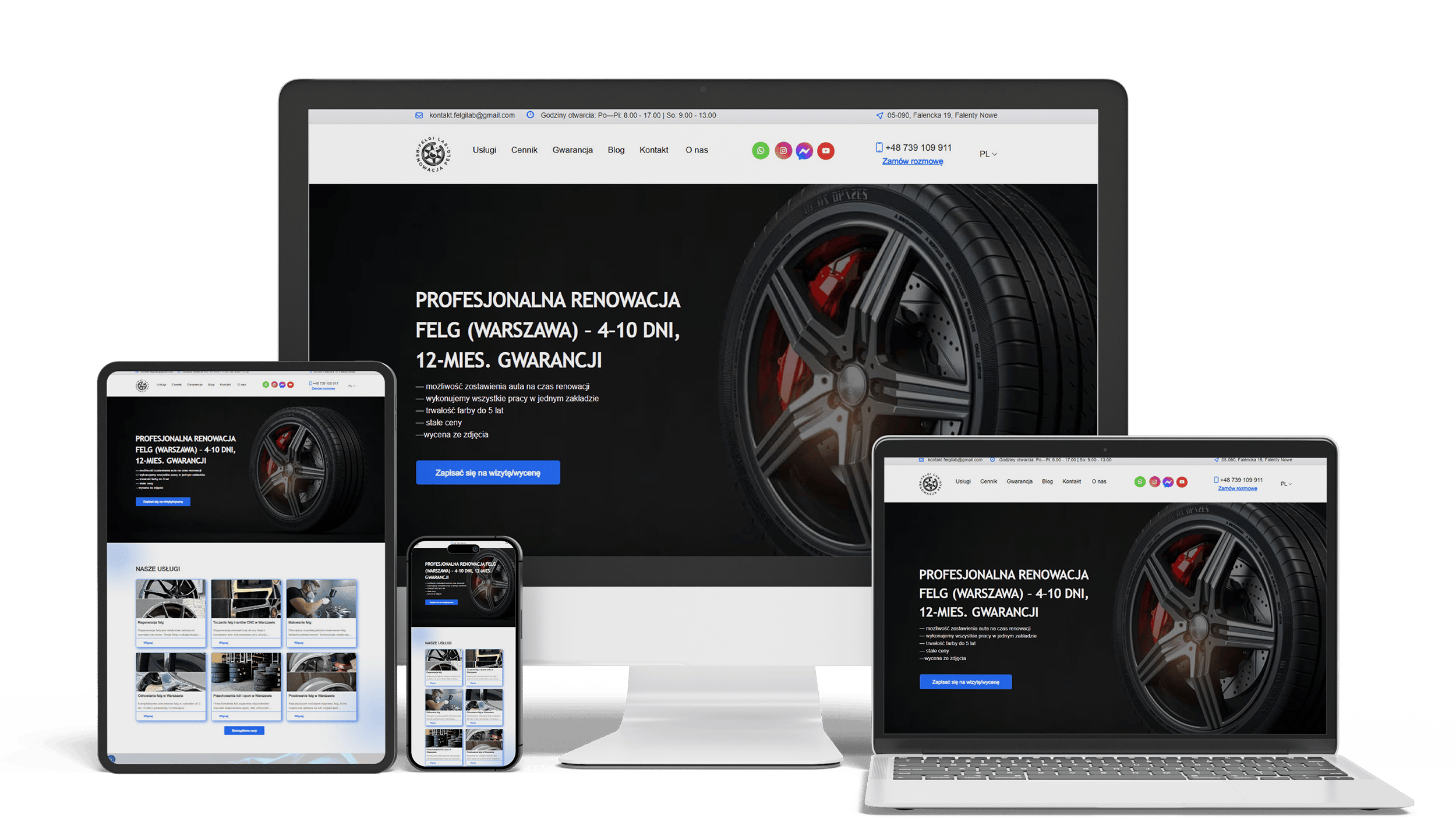
Auto Repair SEO & UX Boost
Performance 90++10% organic trafficLeads from forms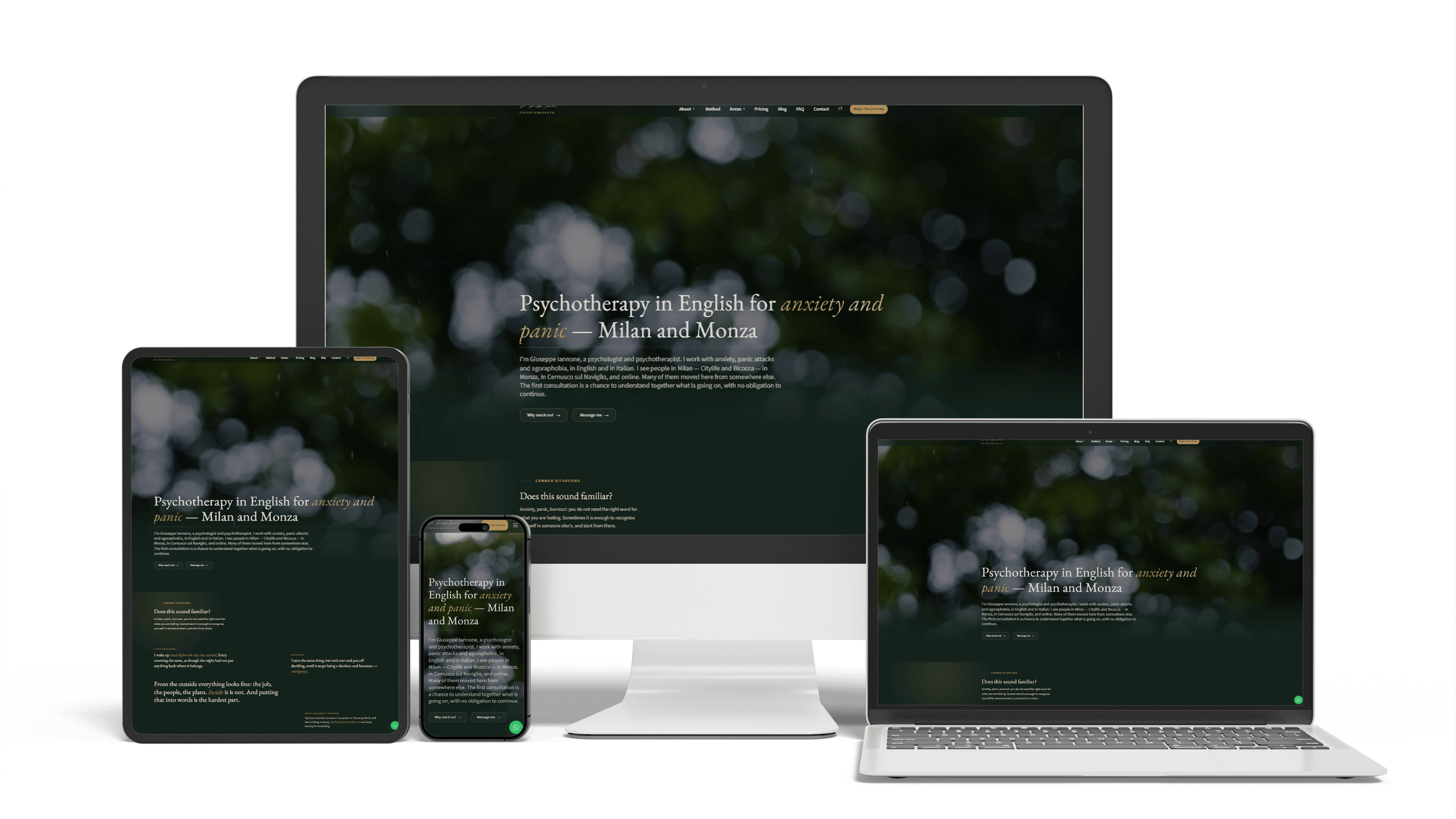
Bilingual psychotherapist website in Italy
468 of 468 posts moved2 languagesSeen in ChatGPT answers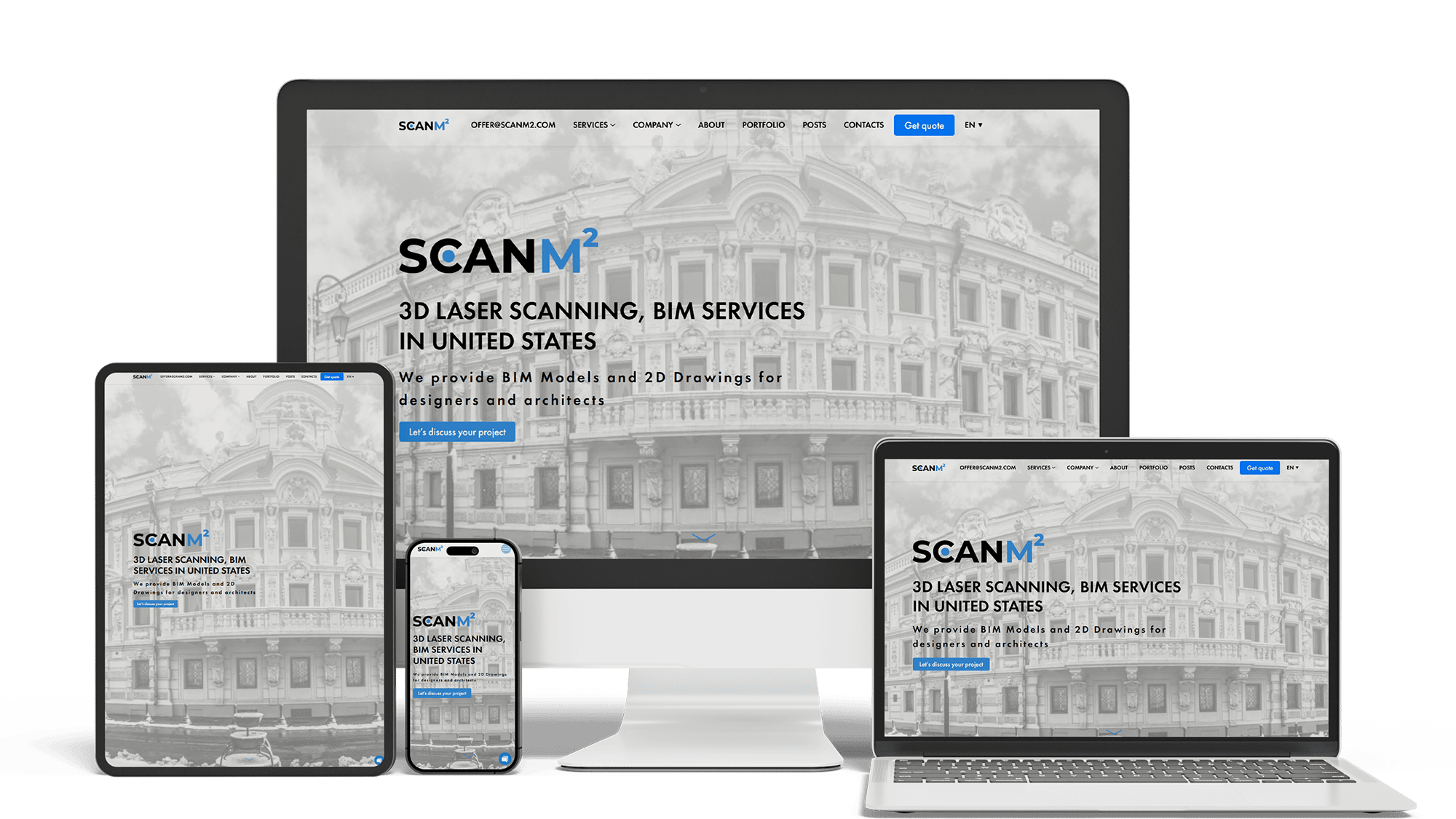
Architecture Website Rebuild and SEO
29× organic trafficLoads in under 1 sTop 3 in Poland
Multilingual real estate platform in Cyprus: SEO and GEO without bought links
16× faster editingTraffic from ChatGPTLeads via WhatsApp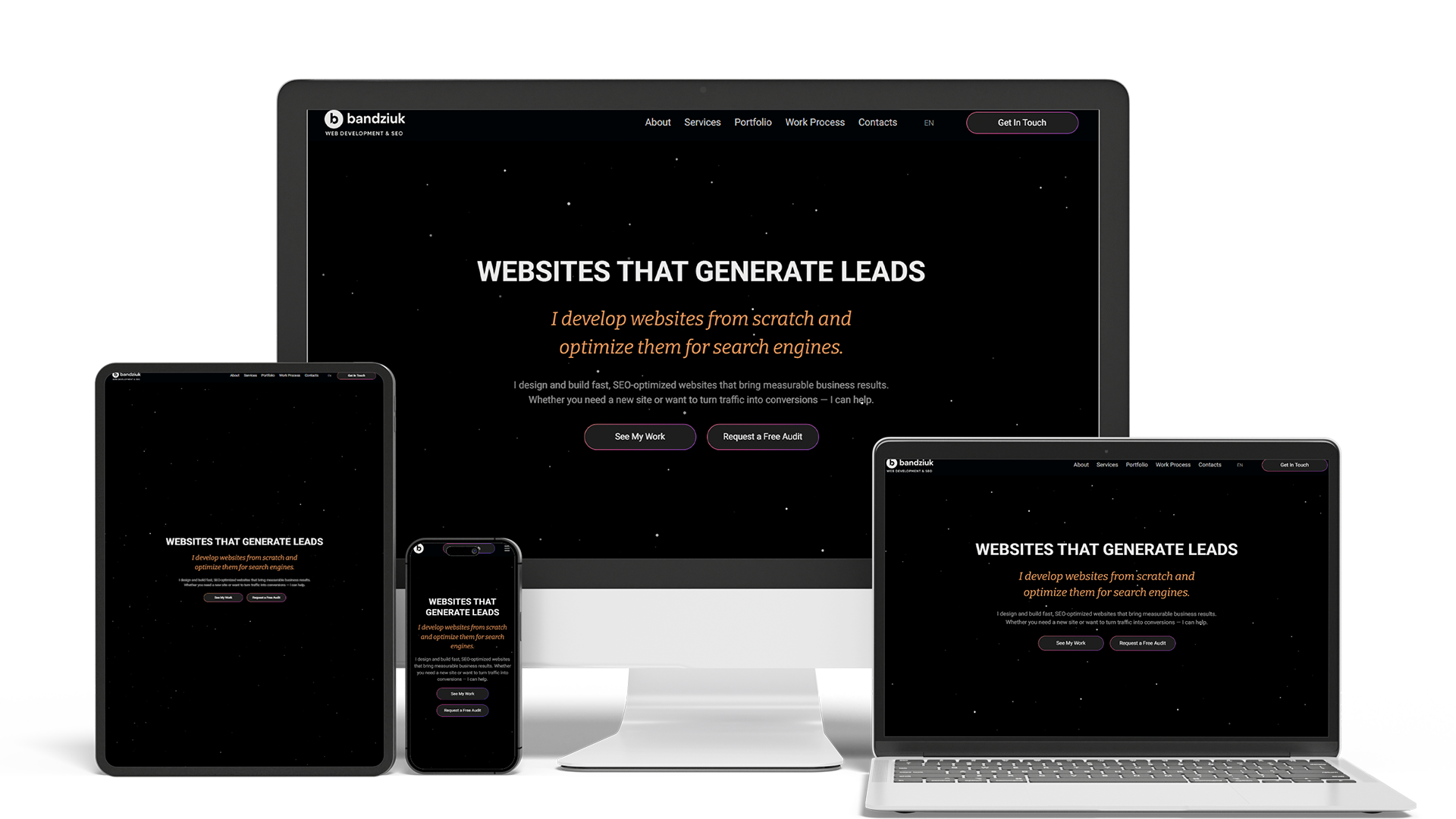
Develop and optimize a personal website with SEO
10× faster editingTraffic from ChatGPTMain lead channel
Get a quote for SEO for your flower shop
Within one business day you get my first priorities for your site and Google listing, with a fixed price.
I do SEO for florists: the work that makes your flower shop the one people find when they search for same-day flower delivery in your town, a florist near me or wedding flowers for a date next June. Flowers are often bought on short notice, the same day or the day before, so the shop that shows up at that moment gets the order and the one that does not loses it to a national website. There is no account manager in between: I also build websites, so the problems I find in the audit are the ones I fix in the code.
Flower searches fall into four groups, and each one needs its own kind of page:
- delivery — “flower delivery [town]”, “same day flower delivery near me”, “send flowers to [hospital or neighborhood]”
- occasion — “birthday flowers delivered today”, “anniversary roses”, “Mother’s Day flowers [town]”
- the shop itself — “florist near me”, “flower shop open now”, “florist on [street]”
- weddings and events — “wedding florist [city]”, “bridal bouquet prices”, “centerpieces for a company dinner”
Before writing anything I pull search data for your town, the towns around it that you deliver to and the occasions you sell. Delivery searches are usually where wire services and national flower sites compete hardest, while shop and wedding searches are where a local florist wins most easily. The data decides where to start in your market.
Someone sending flowers types the recipient’s town, not yours. A shop in one suburb may deliver to eight towns around it, and each of those towns is a separate search. Delivery area pages answer it, but only for places your drivers really reach and only with details that belong to that place:
- the delivery fee and the same-day cutoff time for that area
- hospitals, senior communities, office parks and venues there, with the rules they set for flower deliveries
- photos from real deliveries in that town, without recipients’ faces
- how to order for a front desk, a gated community or a business address
Twenty town pages that swap only the town name are treated as doorway pages and filtered out. Eight pages with real local details do more than forty copies, and each new area gets a page only once you deliver there regularly.
People shop for flowers by occasion far more often than by flower name. Birthday, anniversary, new baby, get well, thank you, Valentine’s Day, Mother’s Day, prom and graduation, holiday centerpieces — each has its own searches and deserves its own page. The page shows the arrangements that suit the occasion with prices, the delivery terms and cutoff, and a few lines for the card for people who do not know what to write. Google and AI assistants get a clear answer to “what should I send for…”, with your shop next to it.
Holiday pages keep the same address every year. A Mother’s Day page that is deleted in June and rebuilt in April starts from zero each spring; a page that stays live and is refreshed with the season’s arrangements keeps the links and history it has earned.
Couples look for a wedding florist many months before the date, and event planners book flowers for galas and launches weeks ahead. They search in their own words: “wedding florist [city]”, “boho wedding flowers”, “event florist for a gala”, “how much do wedding flowers cost”. They want to see weddings you have done, not catalog bouquets. Wedding pages that rank are built from your own work:
- a page for each real wedding with the venue, the season, the flowers used and the couple’s permission to show the photos
- venue pages where you have decorated several weddings, written from experience: load-in times, ceiling heights, what works in that room
- a price-range page that explains what moves the budget — guest count, installations, season, imported flowers
Venue pages also attract links from planners and photographers who worked the same day, and for a local shop such links are worth more than any directory listing.
Weekly lobby arrangements, reception desks, restaurant tables, client gifts, holiday orders for a whole team — business buyers search for “office flower delivery [city]”, “weekly flowers for business” or “corporate flower gifts”. These searches are few, but one account can mean an order every week for years. A business page names the services, how a recurring order is set up, how invoicing works and how fast you handle a last-minute gift for a client. How the account is ordered and paid for is a website task; making the page findable is SEO.
Search for flower delivery with a town name and the top results often include national websites that are not local shops at all. Some are wire services such as FTD and Teleflora, which pass orders through a network of member florists. Others are order gatherers that look like a local shop in search, take the customer’s payment and forward the order to a real florist after keeping a share of it. The customer pays full price, the shop that makes the bouquet receives less, and neither the sender nor the recipient learns your name.
Wire orders can fill quiet days, and many shops keep their membership. SEO wins the orders that do not need a middleman: a site that ranks for your delivery areas, a Google listing with your real name, address and photos, and pages that make clear the order goes straight to the shop that arranges it. Reports separate direct orders from network orders, so you can watch the share move.
“Florist near me” and “flower shop open now” are decided by the map. For a flower shop the profile work is concrete:
- “Florist” as the primary category, delivery listed as a service, and hours kept right on holidays, when people check them most
- photos of the week’s arrangements, the shop front and the counter, so the listing shows a shop that is open and busy
- a review request sent with the delivery confirmation, asking the sender to mention the occasion and the town
- your best sellers added as products in the profile, each linked to its page on the site
Map work in more depth — categories, service areas, listings in other directories — is on the local SEO services page.
A florist’s year has a few sharp peaks: Valentine’s Day, Mother’s Day, the winter holidays, prom and graduation season, and the wedding months. Searches rise weeks before each date, and a page needs time to be crawled and to climb. The working calendar runs ahead of the sales calendar:
- six to eight weeks before a holiday — the holiday page refreshed with this year’s arrangements and prices and linked from the home page and the delivery pages
- two to four weeks before — holiday hours, holiday photos and a post with the order deadline in the Google profile
- the week itself — cutoffs and sold-out notices written plainly on the page, so search traffic does not turn into disappointed calls
- after the peak — the page stays live and the reviews it brought are answered
Quiet months go to new delivery area pages, wedding pages and technical fixes, so the site is stronger before the next peak than it was before the last one.
People now ask ChatGPT, Perplexity or Google’s AI Overviews things like “which florist in [town] delivers on Sunday”, “what flowers to send for a 50th anniversary” or “how much do wedding flowers cost in [city]”. Those answers are assembled from pages the assistant can read and cross-check; the work of getting into them goes by the names GEO (generative engine optimization) and AEO (answer engine optimization). In a flower shop it comes down to four things:
- delivery areas, fees, cutoff times and hours written as plain sentences, not only inside a checkout widget
- occasion guides and wedding price ranges answered directly on your pages, signed by the owner or the lead florist
- structured data that describes the business as a Florist, with its address, hours and delivery area
- one name, address and phone everywhere — site, Google, Yelp, wedding directories — because assistants cross-check listings
I save what assistants say about your shop, and which competitors they suggest, at the start and again later, so the change is visible. More about this work on the AI SEO and GEO optimization page.
Rankings are a means, not the result. Reports for a flower shop show online orders that came from search, calls and direction requests from the map, which delivery area pages and occasion pages brought them, and how the share of direct orders compares with wire-service orders over the season. Orders come from your shop platform and point-of-sale system, so the numbers match what you see in the till.
- An audit of the flower shop’s website and Google Business Profile: from 250 €, paid once, ending with a list of fixes ranked by what they will bring.
- One-off work — delivery area pages, occasion and holiday pages, wedding pages, profile clean-up, structured data: 250–700 €.
- Monthly SEO for a flower shop — new pages ahead of each peak, Google Maps, reviews, AI visibility and reports in orders and calls: from 800 € per month.
If the shop itself needs rebuilding — product pages, delivery slots, checkout — the florist website design page explains how I build a shop like that. How monthly work is organized is on the SEO optimization and strategy page, and the full price list is on the pricing page.
Another shop built around occasions and gifts: jewelry store SEO.
Florist SEO: frequently asked questions
Order SEO for your flower shop: what to send me
Send your shop name, your site and Google Maps links, the towns and neighborhoods you deliver to, your same-day cutoff, which orders search should bring — delivery, weddings, corporate accounts — and whether you belong to a wire service. You get my first priorities and a fixed price in reply. Use the form above or write on WhatsApp.
