


SEO for a debt collection agency: how to win clients who are afraid of how you will treat their customer
Your client is not mainly worried that you will fail to recover the money. They are worried you will embarrass them in front of a customer they still want. That fear is what every page on your site is read through. Audit from €250.
- Written for a worried client
- Audit from €250
- Named by ChatGPT and AI search
What SEO for a debt collection agency actually consists of
- Content for the moment the client searches«Customer has not paid, what now»
- Tone that reassures rather than threatensTheir relationship is at stake, not yours
- Commission bands on the pageThe comparison every client makes
- B2B and consumer debt separatedDifferent clients, different rules
- Sector pages where late payment is chronicConstruction, transport, staffing
- Being named by AI assistants«Agency for unpaid B2B invoices, no recovery no fee»
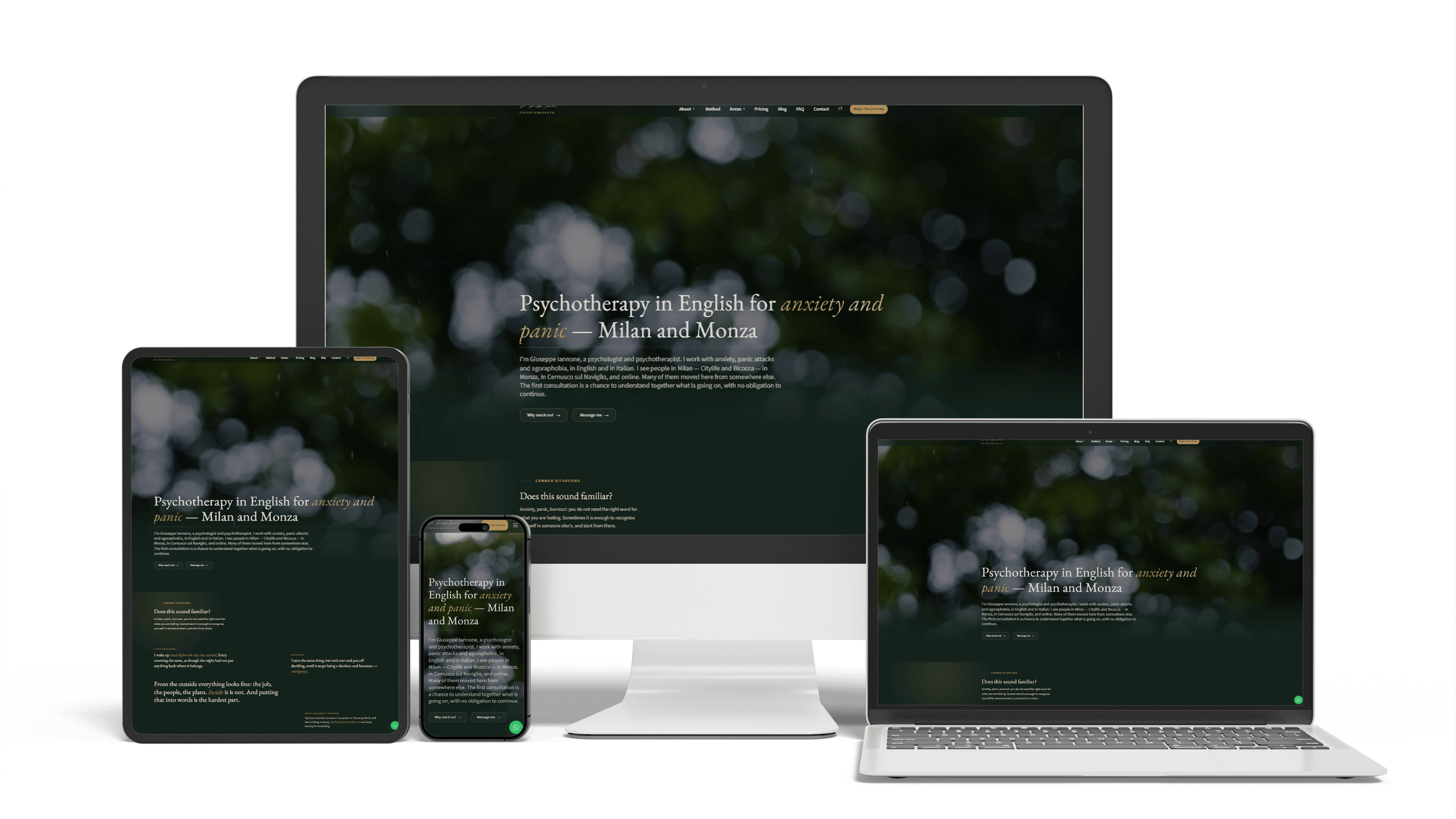
Bilingual psychotherapist website in Italy
468 of 468 posts moved2 languagesSeen in ChatGPT answers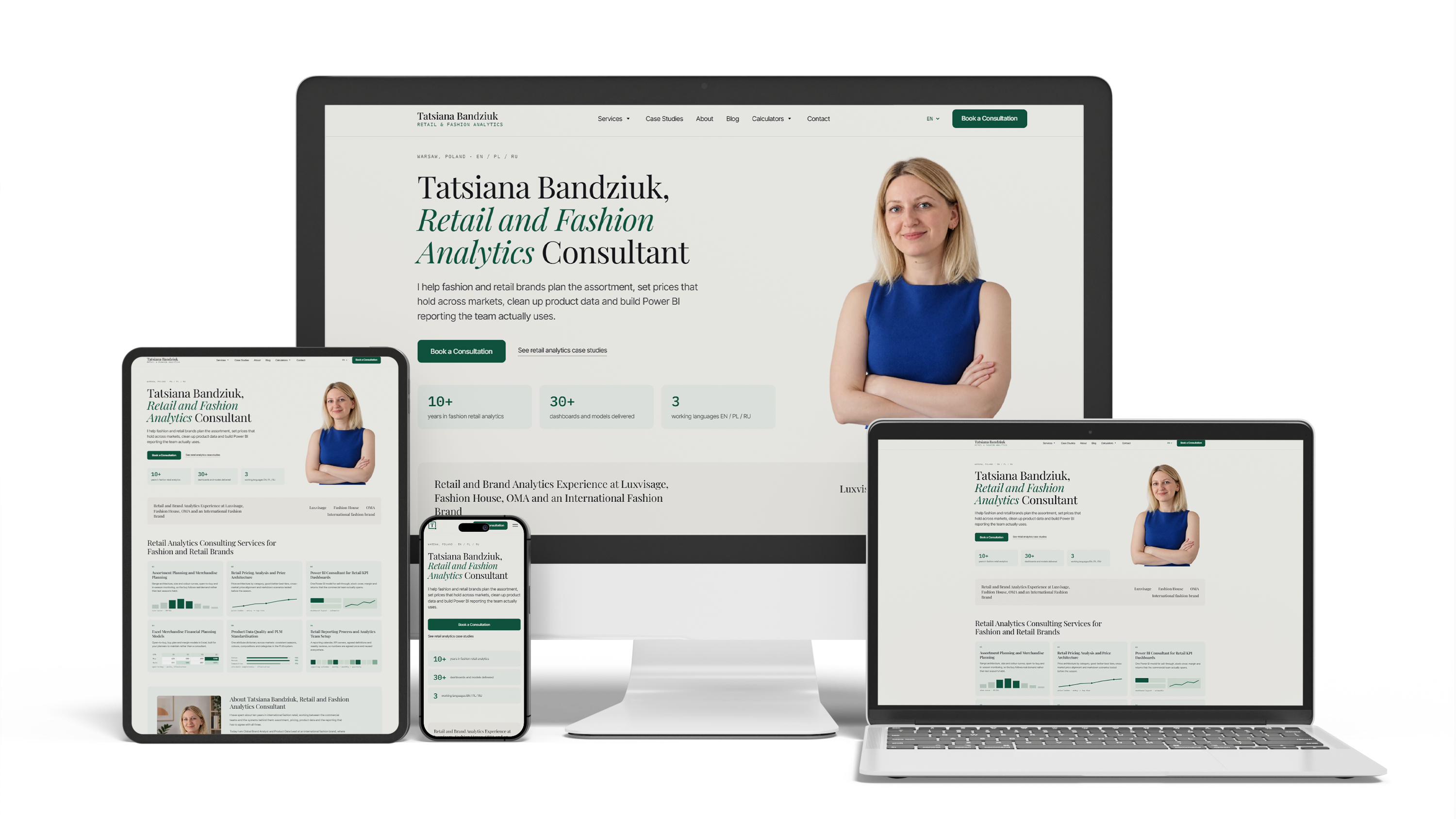
A consultant website for a retail analytics expert
100/100/100/100153 pages3 languages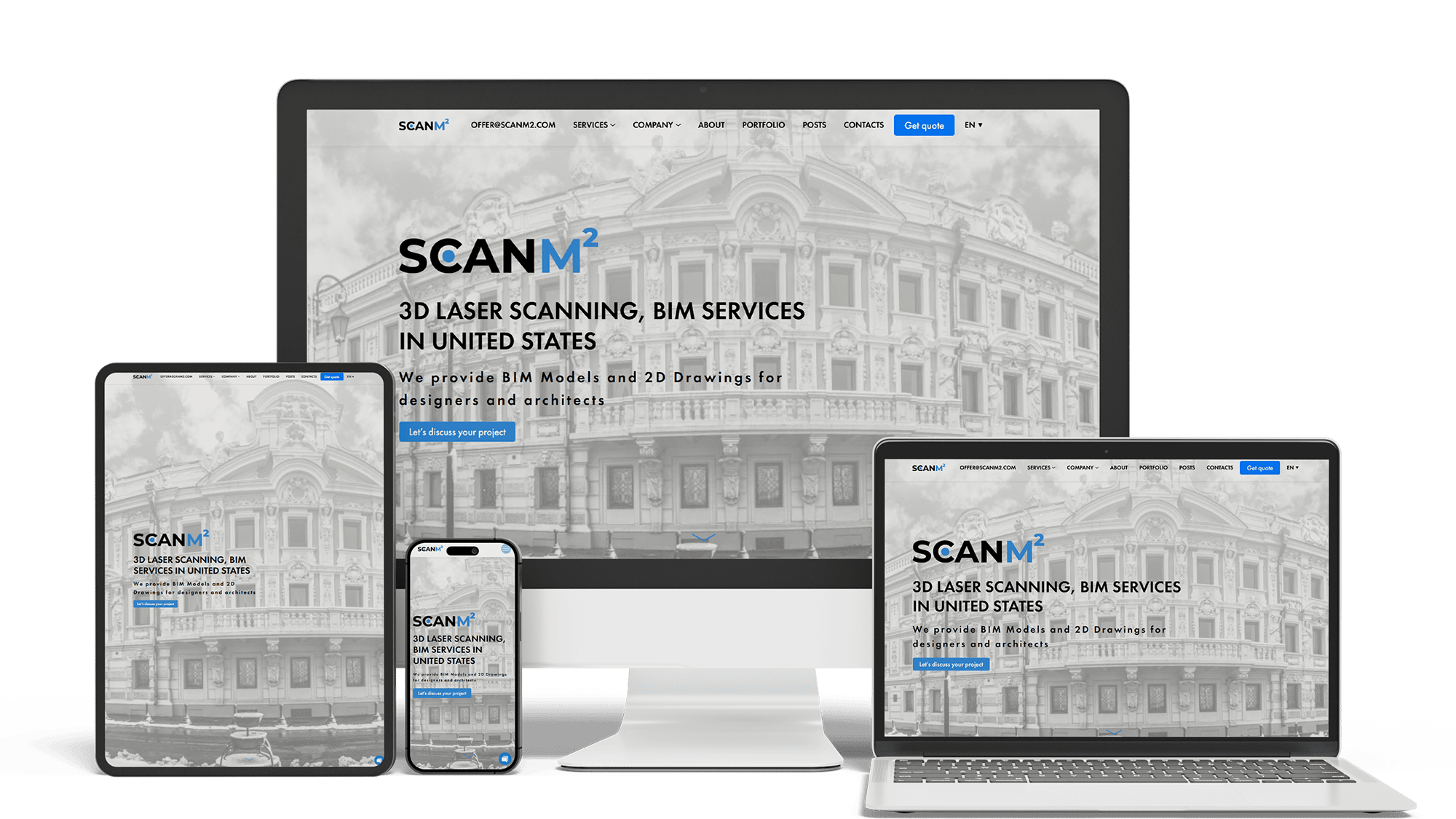
Architecture Website Rebuild and SEO
29× organic trafficLoads in under 1 sTop 3 in Poland
Renovation and investment website with a premium feel and 96/98/100/100 performance
96/98/100/100Design system2 languages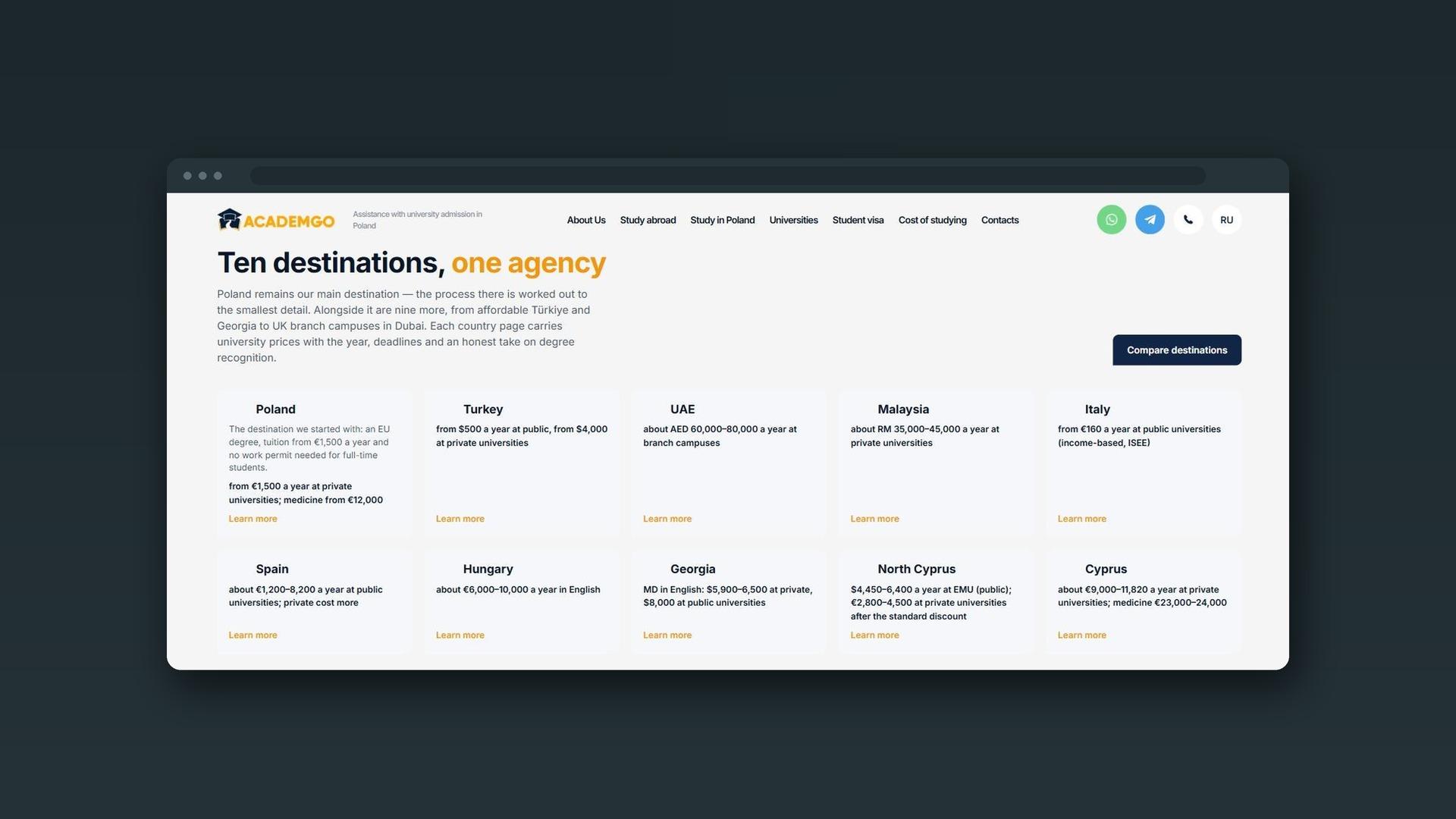
SEO case study: an education agency site, one country to ten
1 → 10 countries180 new pagesPerformance 61 → 91
I do SEO for debt collection agencies myself: audit, the fixes in the code and the text, and a monthly report on enquiries.
This page is for agencies recovering money owed: unpaid invoices, overdue accounts, receivables handed over after a company's own reminders have stopped working. It is not about litigation and not about bookkeeping, and the distinction matters because the three are often confused by the people searching.
If you are a law firm conducting proceedings, the work is on SEO for law firms and local SEO for lawyers. If the service is credit control, invoicing and ledgers rather than recovery, that is closer to SEO for accounting firms.
Agencies in this trade usually write as though the client's question were whether the money can be recovered. In my reading of how businesses actually choose, it is not. A company handing over an unpaid invoice is afraid of something else: that an agency acting in their name will be heavy-handed with a customer they would still like to work with, or with a person whose circumstances they do not know, and that the damage will come back to them.
That fear is the lens every page on the site is read through, and it explains why the aggressive register this industry often adopts — firm, relentless, uncompromising — loses business it was written to win. The client is not shopping for aggression. They are shopping for someone who will be effective without creating a problem that outlasts the debt.
So the pages that convert describe the process in order and in plain language: what happens first, what the debtor receives and in what tone, how long each stage lasts, when the client is consulted before anything escalates, what you will not do, and how a case is closed when the debtor genuinely cannot pay. A page that explains restraint reads as competence.
- the sequence of steps, with the time each one takes;
- what the first contact with the debtor looks like, described honestly;
- where the client's approval is required before escalation;
- your compliance position and which rules govern your conduct;
- what you decline to take on, and what happens when a debt is uncollectable;
- and how the client is kept informed, since silence is the second complaint in this trade.
Nobody wakes up wanting a debt collection agency. They have an invoice that is ninety days late, a customer who has stopped replying, and a cash-flow problem, and what they type is the problem rather than the service: a customer who will not pay, how to recover an unpaid invoice, what to do when a client ignores reminders, whether a late-payment charge can be added.
That makes process and explanatory content unusually effective here, more so than in most business-to-business work, because the searcher does not yet know what kind of help exists. The agency that answers the question clearly — including the parts where the answer is «send one more letter yourself first» — is the one they contact when the reminders fail, and that honesty is also what distinguishes the page from a competitor's sales copy.
Where the answer involves what the law allows, keep the page to the process you follow and point readers to proper advice. I am not a lawyer, this is a regulated area in most markets, and content that reads as legal guidance is a risk to the client that commissioned it.
Commission bands, because that is the comparison every client makes
Almost every business comparing agencies is comparing two things: whether there is a fee if nothing is recovered, and what percentage you take if there is. Keeping both off the site does not protect the margin; it just removes you from the comparison, and the client assumes the higher of the figures they have seen elsewhere.
Bands with the conditions attached work better: what the commission is for recent invoices, what it becomes for older ones, where the minimum sits, what changes if the debt is disputed or the debtor is abroad. It is also the kind of concrete figure a search engine or an AI assistant can quote, which matters more each year.
Business and consumer debt are two different pages with two different sets of rules
Recovering money from a company and recovering it from a private individual are different operations with different obligations, and in most markets consumer debt is the more tightly regulated of the two. A single page addressing both tells a business client nothing specific and signals to a regulator's eye that the distinction is not being taken seriously.
If you work in both, they need separate pages written for separate readers. If you work only in business-to-business recovery, say so prominently: it removes enquiries you cannot take and it reassures the corporate client that your practice is built for their situation.
Sector pages where late payment is chronic
Late payment is not evenly distributed. Construction has retention and subcontract chains, transport has long payment terms and disputed deliveries, staffing agencies carry wages before they are paid for them, and professional firms have clients who simply stop answering. Each of these sectors has a characteristic pattern, and an agency that describes that pattern in the sector's own language reaches a client who recognises their situation in the first paragraph.
These pages are also the most winnable searches in the trade, because the competition is writing about debt collection in general. Where you want to be found by city as well, the groundwork is on the local SEO page, and if you want the state of your own site established before committing to anything, that is the SEO audit.
An SEO audit for your collection agency
Send the site and I reply within one working day: what is holding it back and what I would do first.
Being named when a business asks ChatGPT about an unpaid invoice (GEO, AEO)
«A customer has not paid a ninety-day invoice, what are my options and who handles this» is exactly the kind of question businesses now put to an assistant before searching, and this trade suits it well because the assistant answers in two stages: first explaining the options, then naming who does it. Being present in the second stage depends on what you have written for the first — the process described plainly, the commission structure quotable, the kind of debt you take stated, and consistent firm details across the site and the directories.
Getting a site into that state is preparing a site for AI search, and if assistants describe the agency wrongly — consumer work you do not take, markets you do not cover, an old fee structure — that is fixing AI misinformation.
SEO for debt collection agencies: frequently asked questions
Order an SEO audit for a debt collection agency: what to send me
Send the site, say whether you recover business invoices, consumer debt or both, and tell me which sectors send you the most work. I reply within one working day with what is holding the site back, how the tone of the site is likely to read to a cautious client, and what I would do first.
