


Manufacturing SEO and SEO for Manufacturers
I provide manufacturing SEO for job shops, contract manufacturers and component makers: a page for every process, material and industry you serve, certifications and equipment as text, a place on the supplier shortlists ChatGPT gives procurement teams, and reports in RFQs rather than traffic.
- Capabilities + AI supplier shortlists
- Audit from 250 €
- Reply within one business day
What you get with manufacturing SEO services
- Searches by process, material and toleranceThe way engineers describe a job, not your brochure
- Capability, material and industry pagesOne page per process and per sector you serve
- Certifications and equipment as textStandards, scope, machines and part envelopes
- Regional and “near me” searchesPlant listing, regions served, directory profiles
- On AI supplier shortlistsFacts ChatGPT and AI Overviews can repeat
- Reports in RFQs and quoted jobsRequests with drawings, not visits

Full Multilingual Website Development & SEO for Student Services
+5,930 clicks in 6 months359k impressionsTeam edits it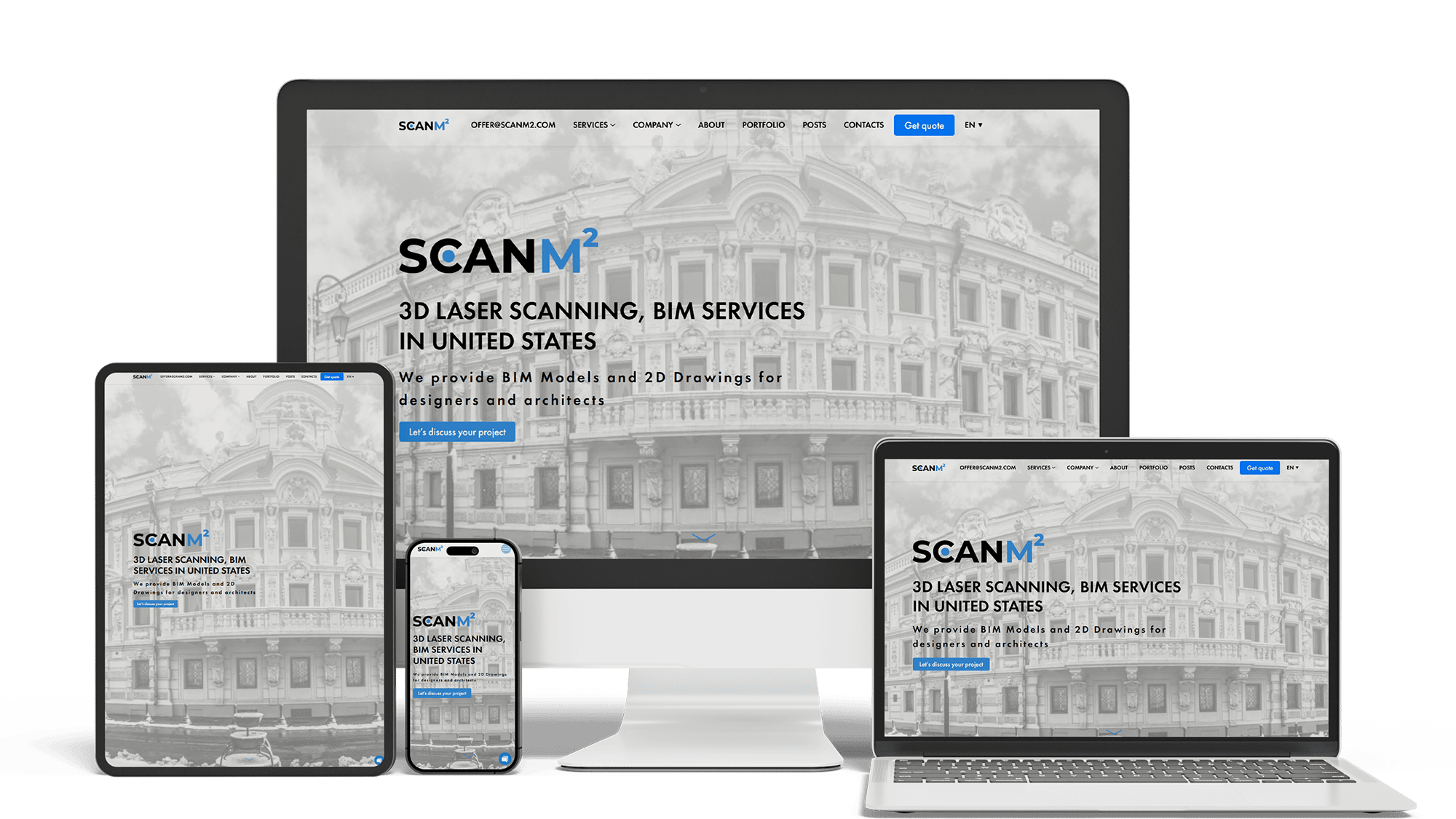
Architecture Website Rebuild and SEO
29× organic trafficLoads in under 1 sTop 3 in Poland
Renovation and investment website with a premium feel and 96/98/100/100 performance
96/98/100/100Design system2 languages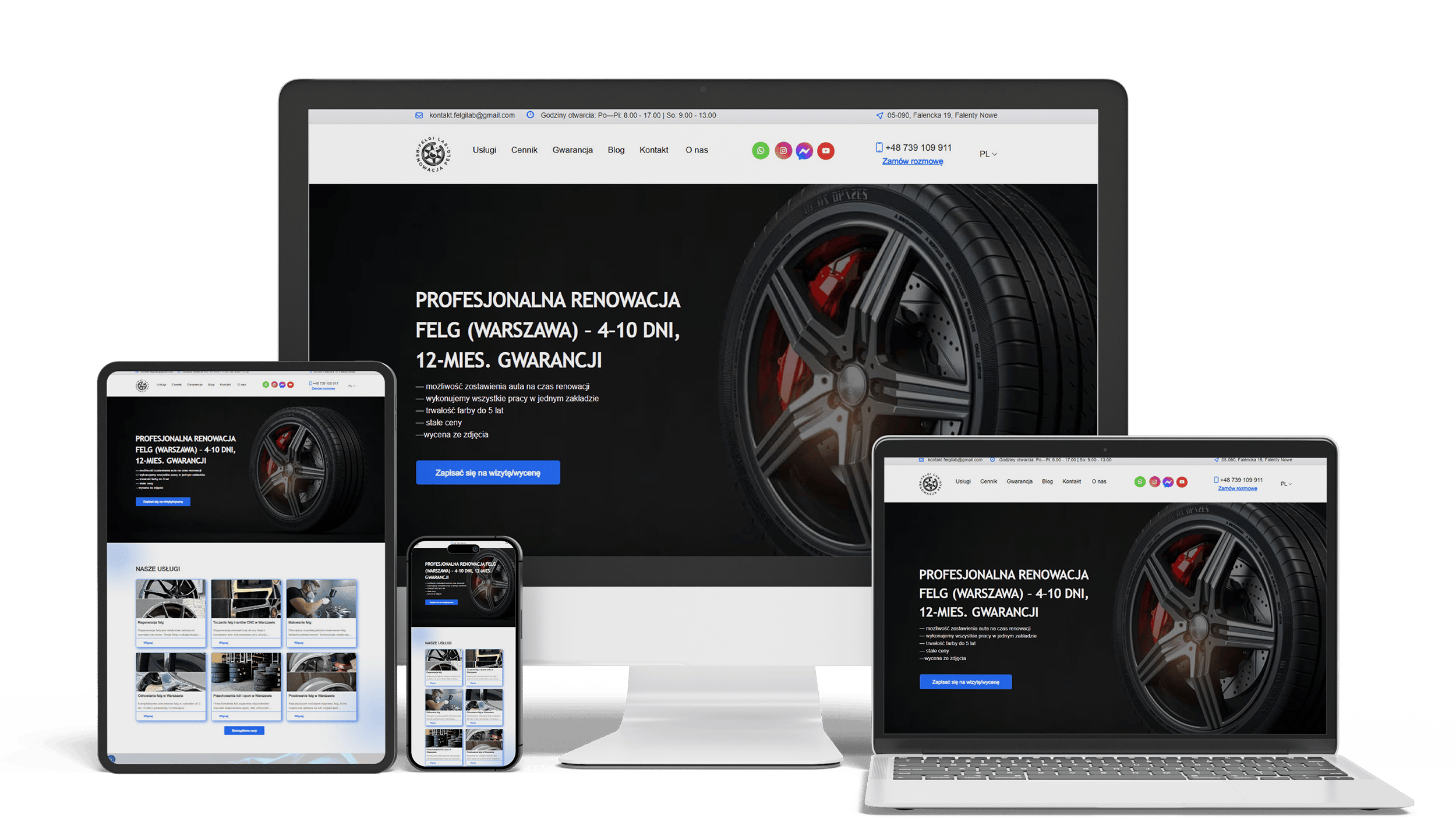
Auto Repair SEO & UX Boost
Performance 90++10% organic trafficLeads from forms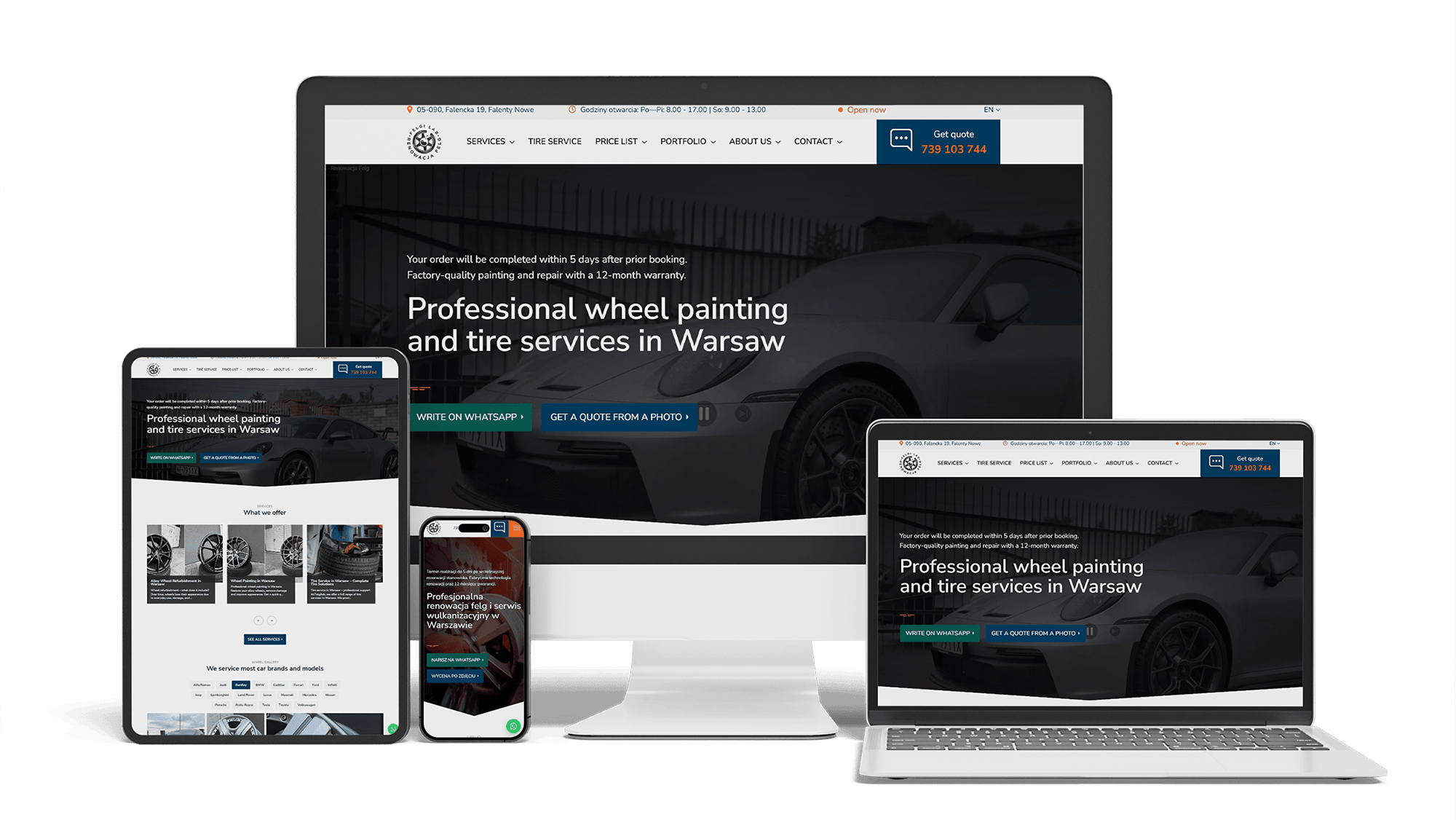
Full WordPress Rebuild for a Car Rim Restoration Company
92/91/96/100Photo quote formLocalBusiness markup
Get a quote for SEO for your manufacturing company
I reply within one business day with the processes and searches I would work on first and a fixed price. Please do not attach customer drawings.
Manufacturing SEO is the work that brings engineers, buyers and procurement teams to your own website when they search for a process, a material or a supplier, and turns those visits into requests for quotes. I do it myself, as a single SEO consultant who also builds websites, for machine shops, fabricators, molders, contract manufacturers and companies that make their own components.
An engineer with a part to source does not search for “precision manufacturing solutions”. They type the job: “5-axis CNC machining titanium aerospace”, “tight tolerance Swiss turning medical”, “low-volume aluminum die casting”, “powder coating extrusions Ohio”. Each search combines a process, a material, often a tolerance or a volume, and sometimes an industry or a region. SEO for manufacturers makes sure that a page on your site matches that combination, says plainly that you can do the job, and leads to an RFQ.
Manufacturers share a lot with other B2B companies — long sales cycles, several people involved in a decision, leads that need tracking into a CRM. That general side is on the B2B SEO page. This page is about what is specific to industrial SEO: capabilities, materials, equipment, certifications, directories and the RFQ.
Before any page is written, I build a grid of what the plant can actually do, from your quote history and a short call with whoever estimates jobs:
- processes — milling, turning, laser cutting, bending, welding, injection molding, extrusion, assembly
- materials you run regularly, with grades buyers name: 6061 aluminum, 316 stainless, Ti-6Al-4V, PEEK
- the tolerances and surface finishes you can hold, and the largest part that fits your machines
- lot sizes, from prototypes to production runs, and secondary operations such as anodizing or heat treatment
- industries you already ship to, and the ones you want more work from
Then every combination is checked against search data. Some have steady demand and deserve their own page; most are covered by a broader page that lists them in text. Generating hundreds of near-identical “process + material + city” pages is a pattern Google treats as low-value, and engineers notice it too.
A capability page is the main landing page for a manufacturer. It ranks when it answers the engineer’s questions before they ask them:
- what the process is used for, in the words buyers use
- materials, tolerances, finishes and the maximum part envelope, as text
- prototype and production quantities, typical lead times and secondary operations
- photos of real parts you are allowed to show, with a short caption on each
- a link to the RFQ with the process already selected
Material pages for the alloys and plastics you run most
When a material is hard to work — titanium, Inconel, PEEK, copper alloys — buyers search for it directly, because many shops refuse it. A page per difficult material, with what you machine or mold in it and for which industries, often brings better RFQs than the process page itself.
Equipment list as text, not a photo gallery
Engineers check whether your machines can hold their part. A list with make, model, number of axes, work envelope and spindle or press size, written as text, answers that and gives search engines the terms to match. A gallery of machine photos without captions does neither.
A buyer from a regulated industry searches with that industry in mind and checks your quality system before anything else. Each sector you serve gets a page with the certifications and documents it expects. Examples:
- aerospace — AS9100, first article inspection reports, material traceability
- automotive — IATF 16949, PPAP documentation
- medical devices — ISO 13485, cleanroom or controlled assembly if you have it
- general industry — ISO 9001, material certificates, certificates of conformance
Certifications are written as text with the standard, the scope and the certifying body, with the certificate file linked. A row of logos in the footer cannot be read by search engines or quoted by AI assistants.
Many buyers prefer a supplier they can drive to for an audit, a first-article review or an urgent rework, and shorter shipping matters when supply chains are under strain. That shows up in searches like “CNC machine shop near me”, “sheet metal fabrication Midwest” or “contract manufacturer Texas”. What helps:
- a Google Business Profile for each plant, with the right category and a link to the matching capability page
- the plant address, the regions you ship to and delivery times stated on the site
- regional pages only where you have a plant, a sales office or a real customer base
The map side in depth — profiles, categories, reviews — is described on the local SEO services page.
For many industrial searches, Thomasnet and other directories rank above the suppliers themselves, and a “manufacturing directory” is where some buyers start. A directory profile is part of the work, not a replacement for it: the capabilities, certifications and locations there should match the site, and the profile should link to the relevant capability page rather than the home page. Association member lists, regional manufacturing networks and supplier portals of your customers work the same way. For buyers in Europe, Europages plays a similar role.
Trade shows bring face-to-face conversations for a few days; search brings buyers the rest of the year. The two connect: the exhibitor listing links to your site, new equipment shown at the show gets a page, and the people who took your card look you up afterwards and find the capability they discussed.
Manufacturers of one product type have their own patterns. An example of SEO for one industry in depth is the SEO for lingerie manufacturers page.
Procurement teams and engineers now ask ChatGPT, Perplexity or Google’s AI Overviews for a first list of suppliers: “contract manufacturers in the US with ISO 13485 that do silicone overmolding”, “machine shops in Ohio that work Inconel”. The assistant answers with a few names and a reason for each. A plant that is not described clearly anywhere does not make the list. Work on those answers is called generative engine optimization (GEO) or answer engine optimization (AEO). For a manufacturer it means:
- processes, materials, tolerances, lot sizes and industries written as plain sentences on your pages
- certifications with their scope, and the plant locations, stated as text
- structured data for the company and its locations
- the same facts on your site, Thomasnet, LinkedIn and association listings, so assistants do not mix you up with another firm
I check how assistants describe your company and which competitors they name, before the work and after it. More on the AI SEO and GEO optimization page.
Manufacturing lead generation is judged by requests that can be quoted. I set up tracking for:
- RFQ submissions, with the page where the visit began and whether a drawing was attached
- calls and email clicks from capability and industry pages
- datasheet and certificate downloads, as a sign of interest from engineers
Once a month I compare that list with your estimating team: which requests fit your machines, which were quoted and which became orders. Manufacturing sites also attract job seekers searching for machinist or welder jobs; that traffic goes to a careers page and is kept out of the sales report.
A manufacturing SEO agency usually sells a team and a wider package: paid search, directory advertising, LinkedIn, trade show campaigns. That fits a company that wants every channel from one supplier and has a marketing manager to run it.
I work alone: I talk to your estimator or production manager, write the capability pages, make the changes on WordPress, Next.js or another system, and read the RFQ data. I do not run ads. Whoever you compare, ask them:
- Who will speak to our engineers, and who writes about tolerances and materials?
- Will the report show RFQs and quoted jobs, or only rankings?
- Who owns the site, the content and the accounts if we stop working together?
If the site itself is the problem, the design side is on the manufacturing website design page and the build on the manufacturing company website page.
- Manufacturing SEO audit — the site, the capability matrix against search data, directory profiles, competitors and AI answers: from 250 €, one-off.
- One-off work — capability, material and industry pages, the equipment list, certifications as text, structured data, RFQ tracking: 250–700 €.
- Monthly SEO for a manufacturing company — new pages, directories, AI visibility and reports in RFQs: from 800 € per month; in very competitive markets from 1,300 € per month.
A job shop with a few processes often gets most of the effect from the audit and a handful of strong capability pages. The SEO audit page describes the audit, and all prices are on the pricing page.
Manufacturing SEO: frequently asked questions
Order manufacturing SEO: what to send me
Send the company website, the processes and materials you want more work in, the industries and regions you ship to, your certifications and where RFQs come from today. Please leave out customer drawings. I will reply with what I would fix first and a fixed price. Use the form above or write on WhatsApp.
