


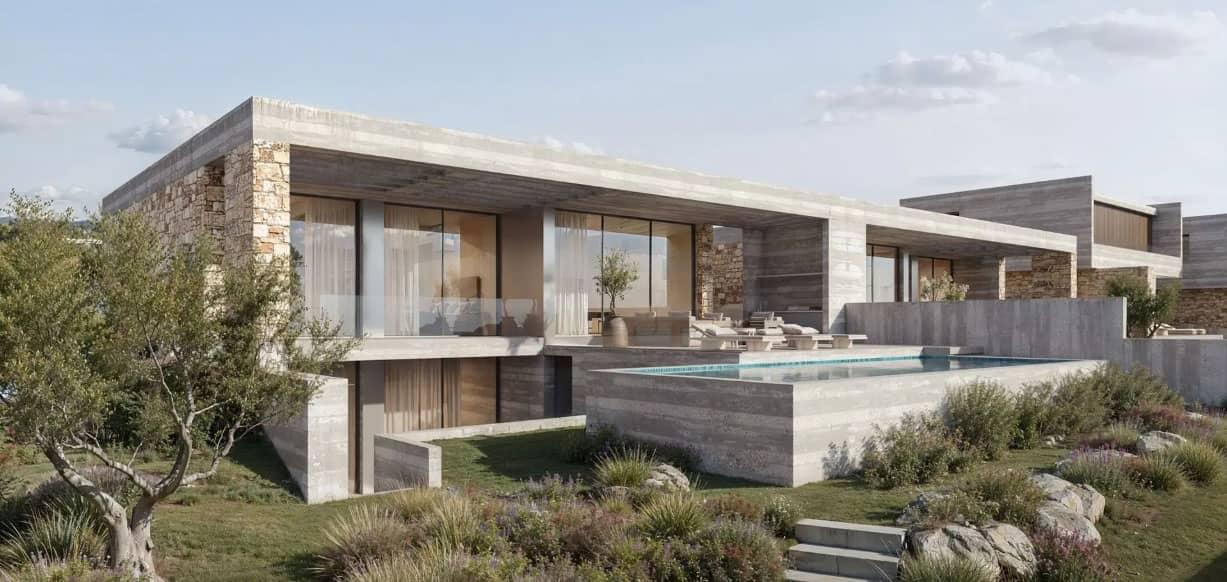
Property Developer Website Development
A large website that presents all your projects and units in one place — with filters, CRM integration, multilingual support for international buyers, and analytics tuned for leads.
100
+Completed projects
Websites, landing pages and SEO projects for businesses in different niches and markets.
15
Years of experience
Hands-on experience in SEO, website development and digital strategy.
17
+Industries covered
From local services and startups to real estate, e-commerce and B2B projects.
3
Working languages
English, Polish and Russian — with content and structure adapted to each market.
How we'll work
Discuss the task
Your projects, your portfolio scale, your buyers and target markets.
Design the structure
The site as a business tool: project catalog, unit pages, client journey, conversion points.
Build and integrate
Catalog, filters, CRM, analytics, multilingual — a platform that scales with your portfolio.
Launch and optimize
Speed, SEO, lead-generation setup — so the site brings buyers from day one.
let's talk
let’s discuss your project goals
Tell me about your task, business goals, and current situation. I’ll review it and suggest the best next steps — clear, realistic, and without obligations.

What clients say

Aliaksandr built a blazing-fast portfolio site for me — it loads instantly and looks great on every device. What really sets him apart is how smooth the process was: clean code, clear communication, and an understanding of both design and performance.
Since then, I’ve invited him to work on several of my other business websites — from development to SEO — because I know he delivers.
Highly recommended for anyone who values speed, quality, and trust.





What your developer website gets
Full project & unit catalog
Present all your developments and available units in one structured, easy-to-browse place.
Smart filters
Buyers and investors quickly find the right project by location, price, type, completion stage.
CRM integration
Inquiries flow automatically into your sales system — no lead is lost.
Multilingual for international buyers
Reach foreign investors in their own language — essential for cross-border real estate.
Tuned for lead generation
Every project page, button and form works toward an inquiry, not just a view.
Analytics, speed and SEO
A fast site Google ranks, with analytics and pixel so you see where buyers come from.
Why a property developer website has to sell something the buyer cannot see yet
A developer sells a building that does not exist. There is nothing to walk through, nothing to touch, and often nothing on site but a fence and a board. Everything the buyer uses to decide has to be carried by the website, which makes it a different instrument from an agency site: not a catalogue of what is available, but the substitute for a physical object.
That changes what belongs on it. Floor plans and renders are the easy part. What decides the inquiry is the material that makes an unbuilt property feel real and safe — construction progress with dates, the permits and the legal structure of the purchase, the payment schedule, and who exactly is behind the company.
What a buyer of an off-plan unit checks on a developer website
Someone buying before completion is managing risk, not choosing a kitchen layout. They look for what has already been delivered, whether the previous projects were finished on time, whether progress is documented rather than promised, and whether the terms of the deal are written down before a call.
A site that answers those questions loses fewer buyers at the point where they hesitate. A site that shows only renders leaves the question open, and an open question at that price point usually ends the visit.
Why a developer website needs traffic before the launch, not after
Search visibility takes months to build. A developer's selling window is fixed by the construction schedule, so a site that starts earning organic traffic at launch has already missed the part of the cycle where inquiries matter most. The work has to begin while the project is still in permits — the pages, the structure and the search visibility built ahead of the sales phase, not alongside it.
Renovation and investment website with a premium feel and 96/98/100/100 performance is a case study from the same market, where speed and trust signals were treated as part of the sales instrument rather than as a finishing touch.