

Locations and markets
Some of what a website needs is the same everywhere. The rest — which languages it has to work in, what buyers check before they get in touch, how search behaves when a large share of the audience is researching from another country — changes by market. These pages cover what changes.
- Website development for companies in the UAE
- Website development for businesses in Montenegro
- Website development for companies in Georgia
- Website development for businesses in Portugal
- Website development for businesses in Spain
- Website development for businesses in Thailand
- Website SEO and AI search for the German market
- Website SEO and AI search for the UK market
- Website SEO and AI search for the US market
- Website SEO and AI search for the Dutch market
- Website SEO and AI search for the Irish market
- Website SEO and AI search for the French market
- Website SEO and AI search for the Italian market
- Website SEO and AI search for the Baltic markets
- Website SEO and AI search for the Australian market
- Website SEO and AI search for the Swiss market
- SEO for real estate agencies in Spain
- SEO for car exporters in the UAE
- SEO for real estate agencies in the UAE
What actually differs from one market to another
Three things, and they're the reason these pages exist separately rather than as one page with a list of countries at the bottom.
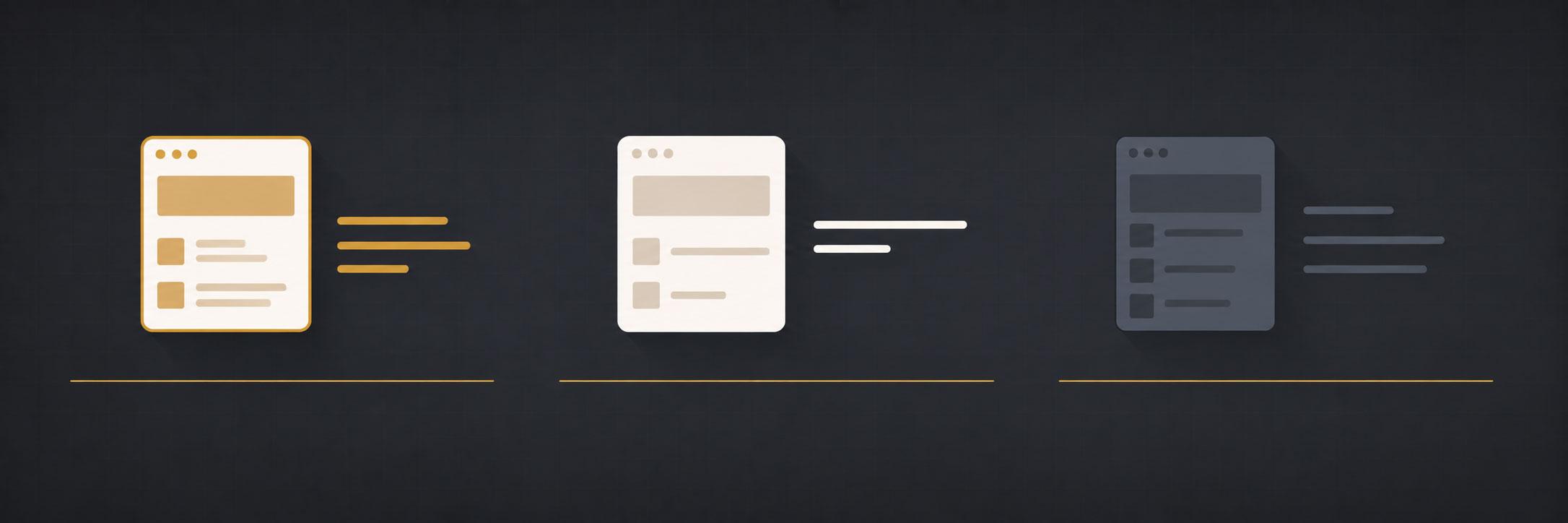
The language mix. In some markets a single language covers the audience. In others — the Gulf, Cyprus, most relocation destinations — a business is selling to people who search in two or three different languages, sometimes within the same week. Which languages a specific business needs isn't a general answer, and getting it wrong is expensive: it's structural, and correcting it later means rebuilding rather than translating.
What buyers check before contacting you. The questions differ by market and by how far away the buyer is. Someone choosing a supplier in their own city checks different things from someone selecting one from another country months before they arrive — and the second reads far more carefully.
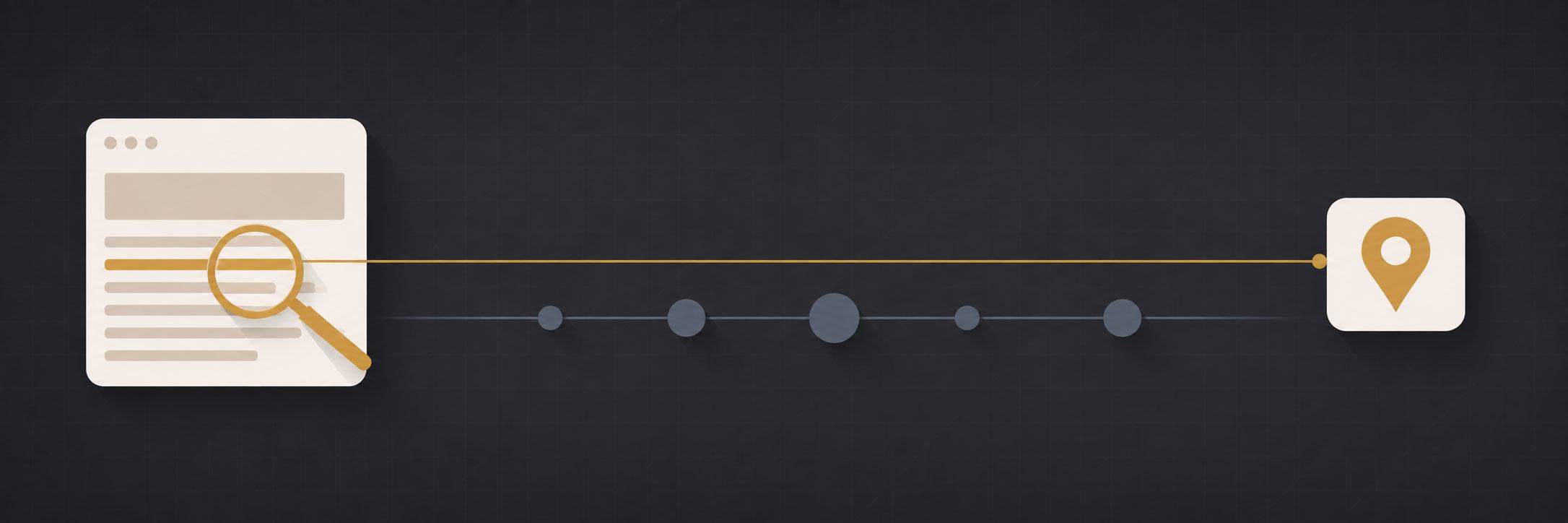
Where the audience comes from. In markets with a large incoming or international population, a substantial share of buyers research before they're anywhere near you. That changes what the site has to do: it gets read in a language the reader chose, compared against several alternatives across borders, and increasingly summarised by an AI assistant before a person ever opens it.
Which of these pages applies to you
If your market is listed below, start there — the page covers the language question, what buyers in that market check, and how a project is set up.
If it isn't, the services themselves are the place to start: website development, SEO, and AI search work are the same disciplines everywhere, and what differs is the market context we'd establish in the first conversation.
How projects are set up
The same regardless of market: a written scope before work starts, a signed contract, EU invoicing, payment in stages tied to delivered milestones, calls scheduled in your working hours, and communication directly with the person doing the work. Domain, hosting, repository and CMS access are registered to you and handed over as a complete set.
Running several of these markets at once, on one site? See international and multilingual SEO.