


Dermatology Website Design for Medical and Cosmetic Practices
Dermatology website design and build from one person: separate paths for medical and cosmetic patients, condition pages with a named dermatologist reviewer, booking by visit type, exact clinician titles and skin photos routed to your patient portal instead of a website inbox.
- Design + build, one price
- From 700 €
- Medical and cosmetic, kept apart
What you get with dermatology website design
- Two paths from the first screenSkin conditions and checks on one side, cosmetic on the other
- Condition pages with a named reviewerReviewer and review date are required fields
- Booking by visit typeSkin check, follow-up or cosmetic consultation
- Who treats what, stated exactlyDermatologists, PAs, NPs and aestheticians
- Clinical images and galleries with consentShown on tap, captions without promises
- Clear to Google and AI assistantsConditions, clinicians, plans and hours as text
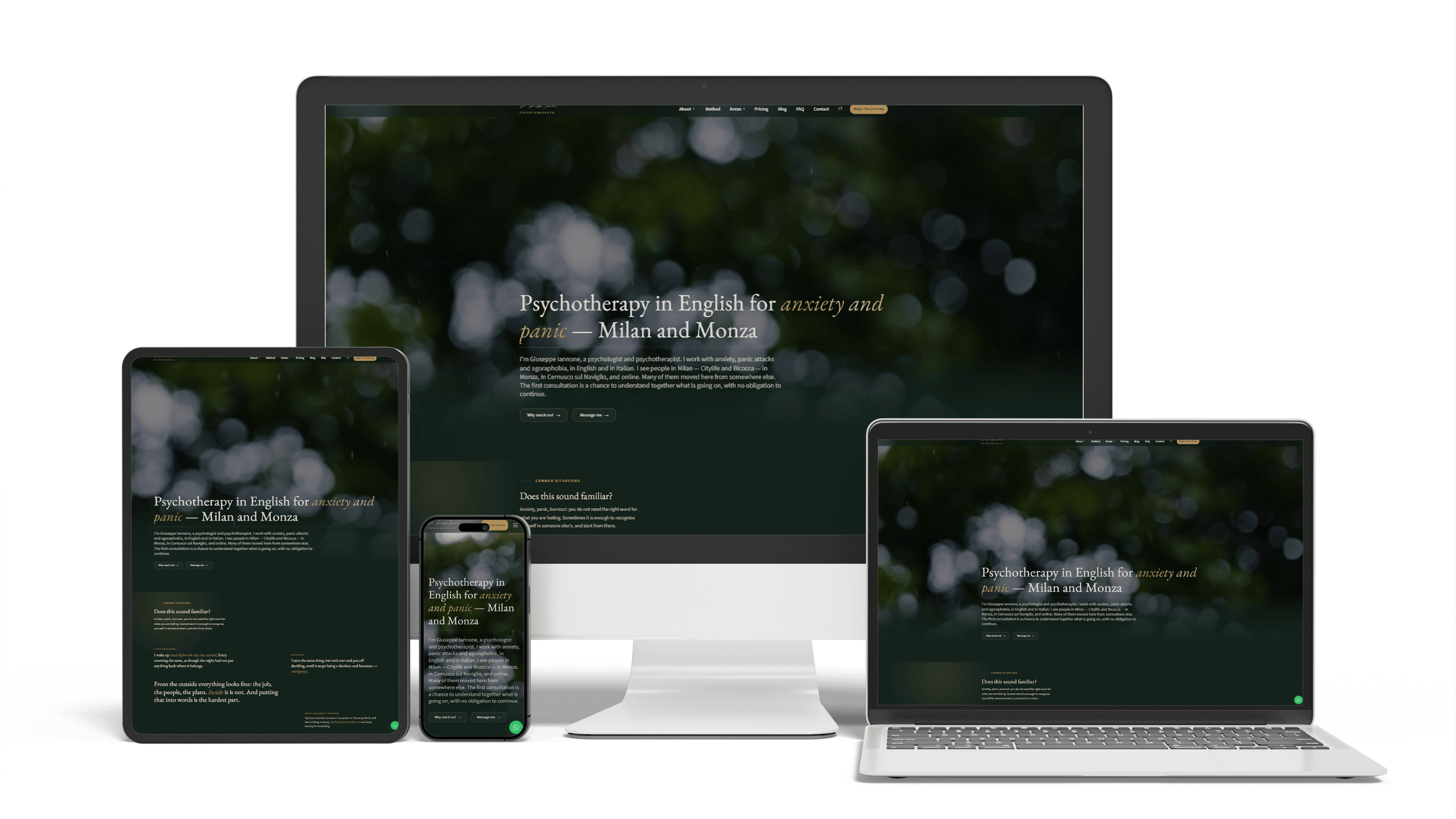
Bilingual psychotherapist website in Italy
468 of 468 posts moved2 languagesSeen in ChatGPT answers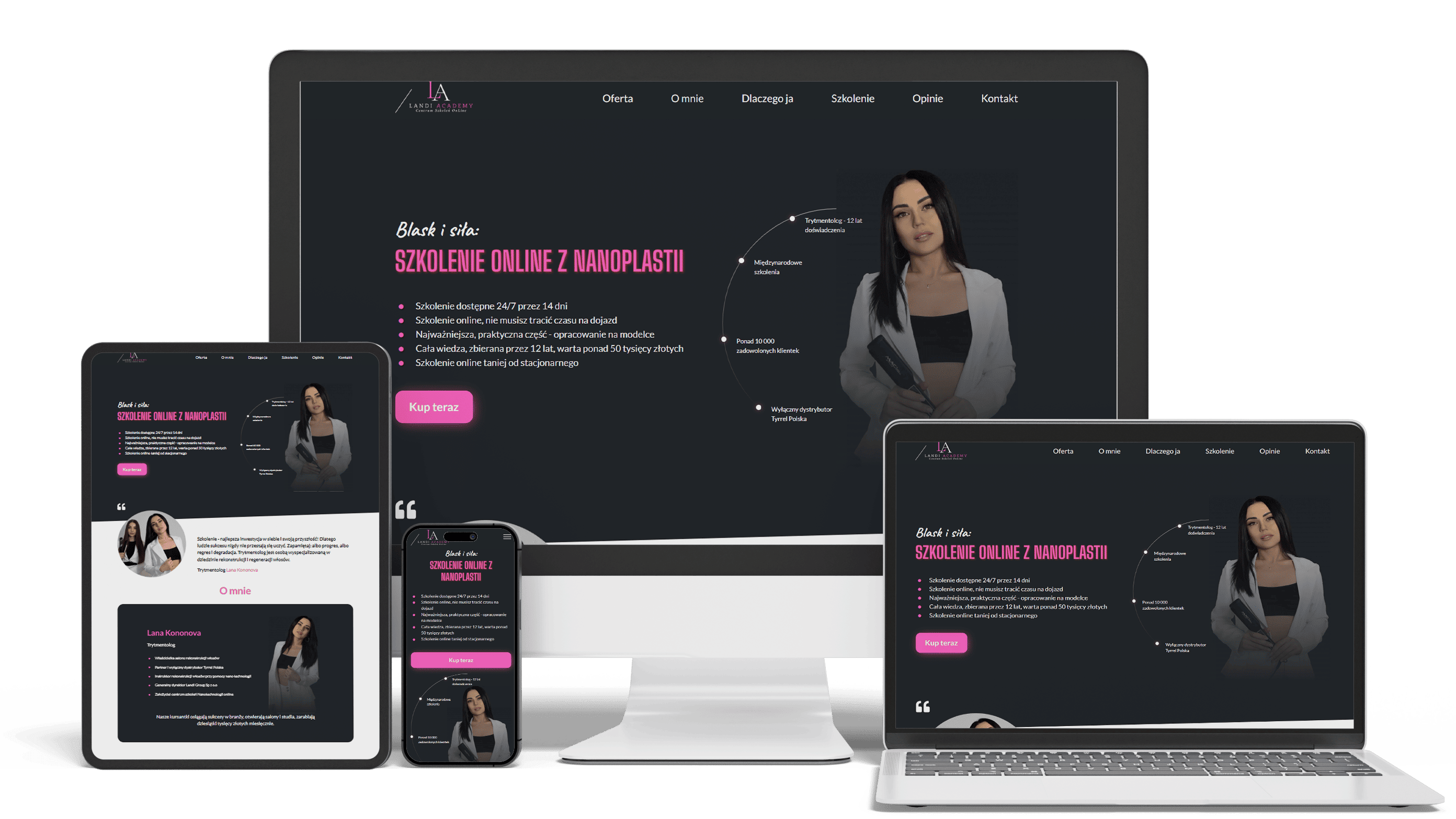
E-commerce landing page with secured video access
100+ course sales0 leaksLinks expire in 14 days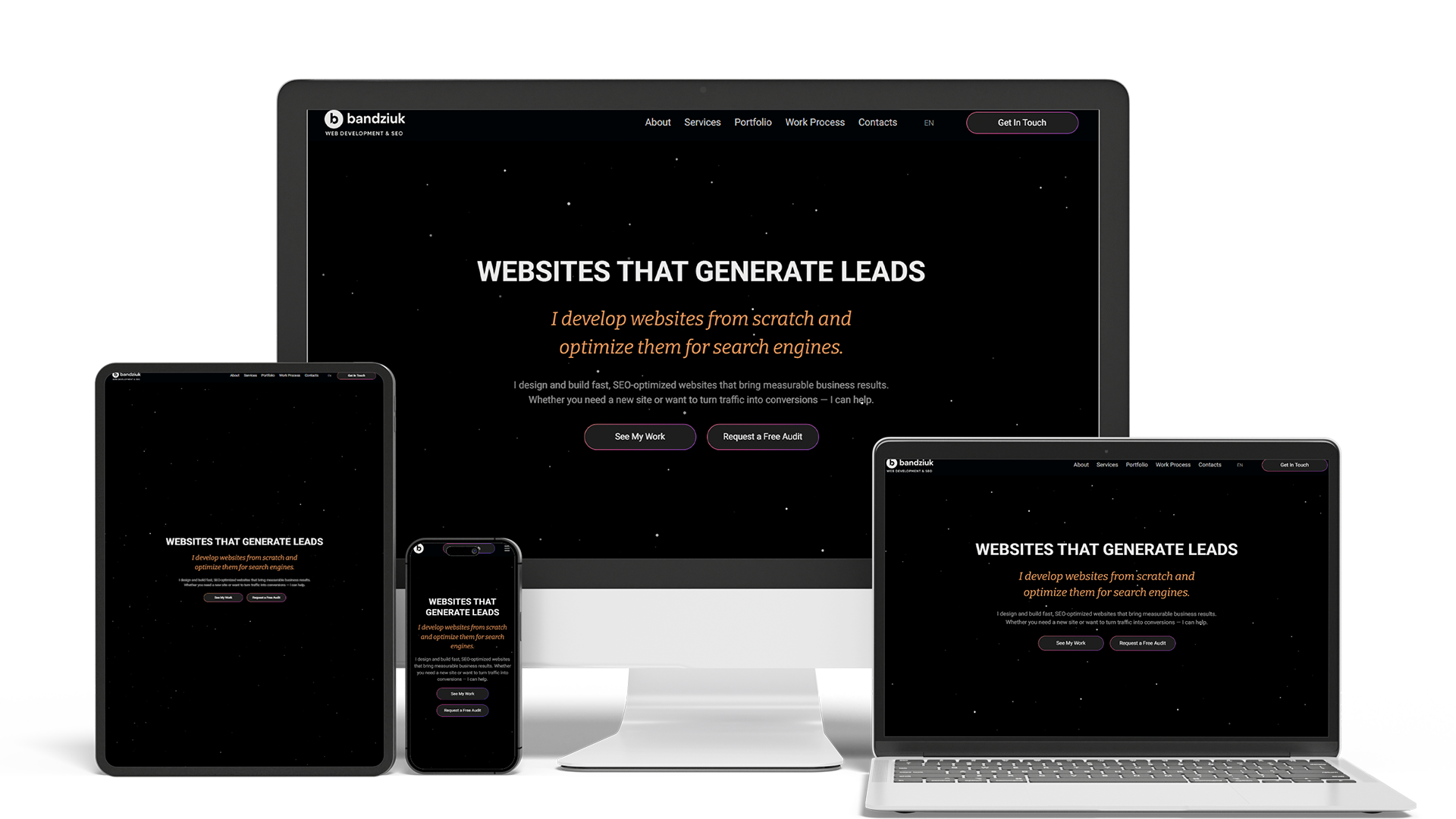
Develop and optimize a personal website with SEO
10× faster editingTraffic from ChatGPTMain lead channel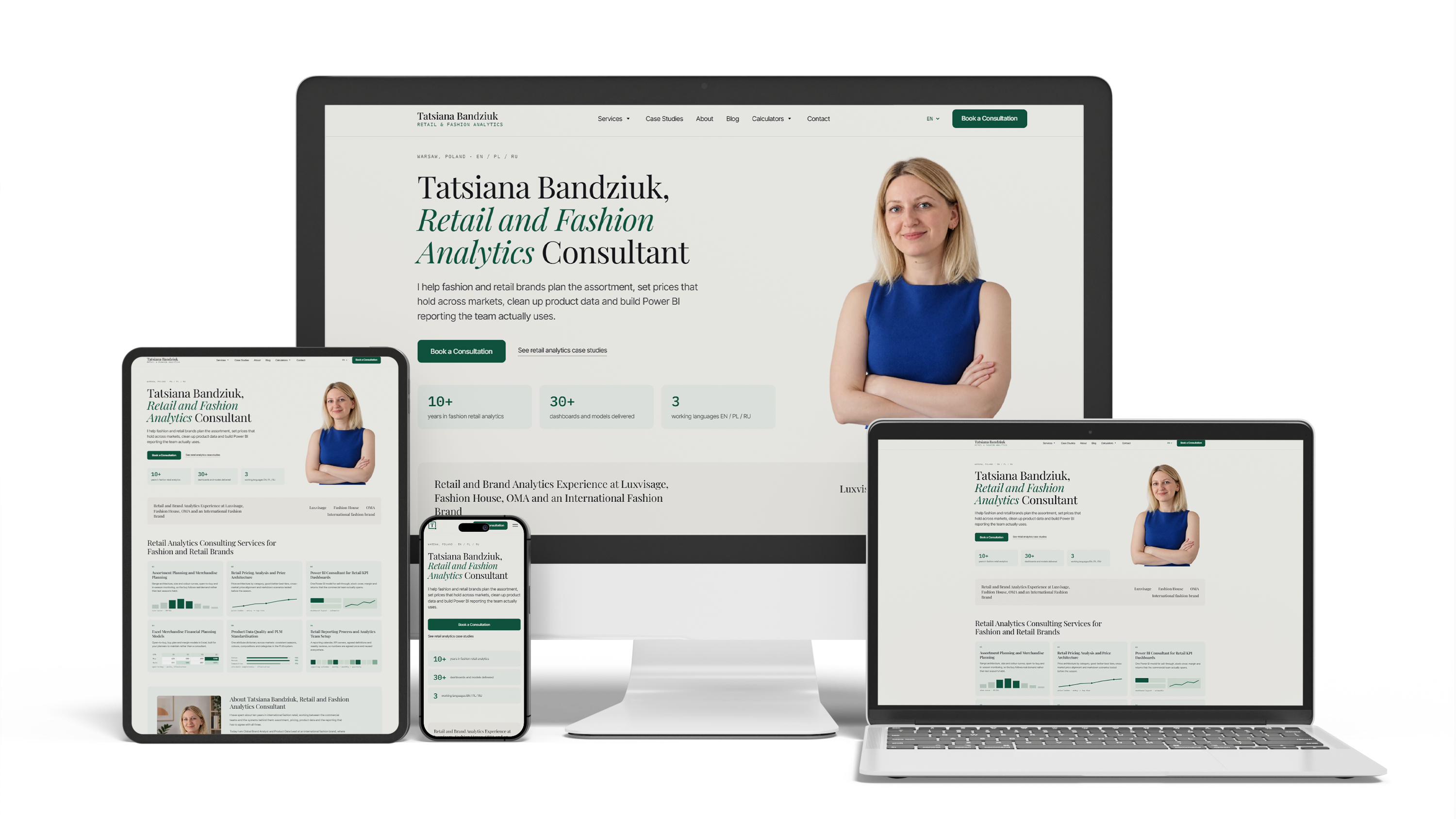
A consultant website for a retail analytics expert
100/100/100/100153 pages3 languages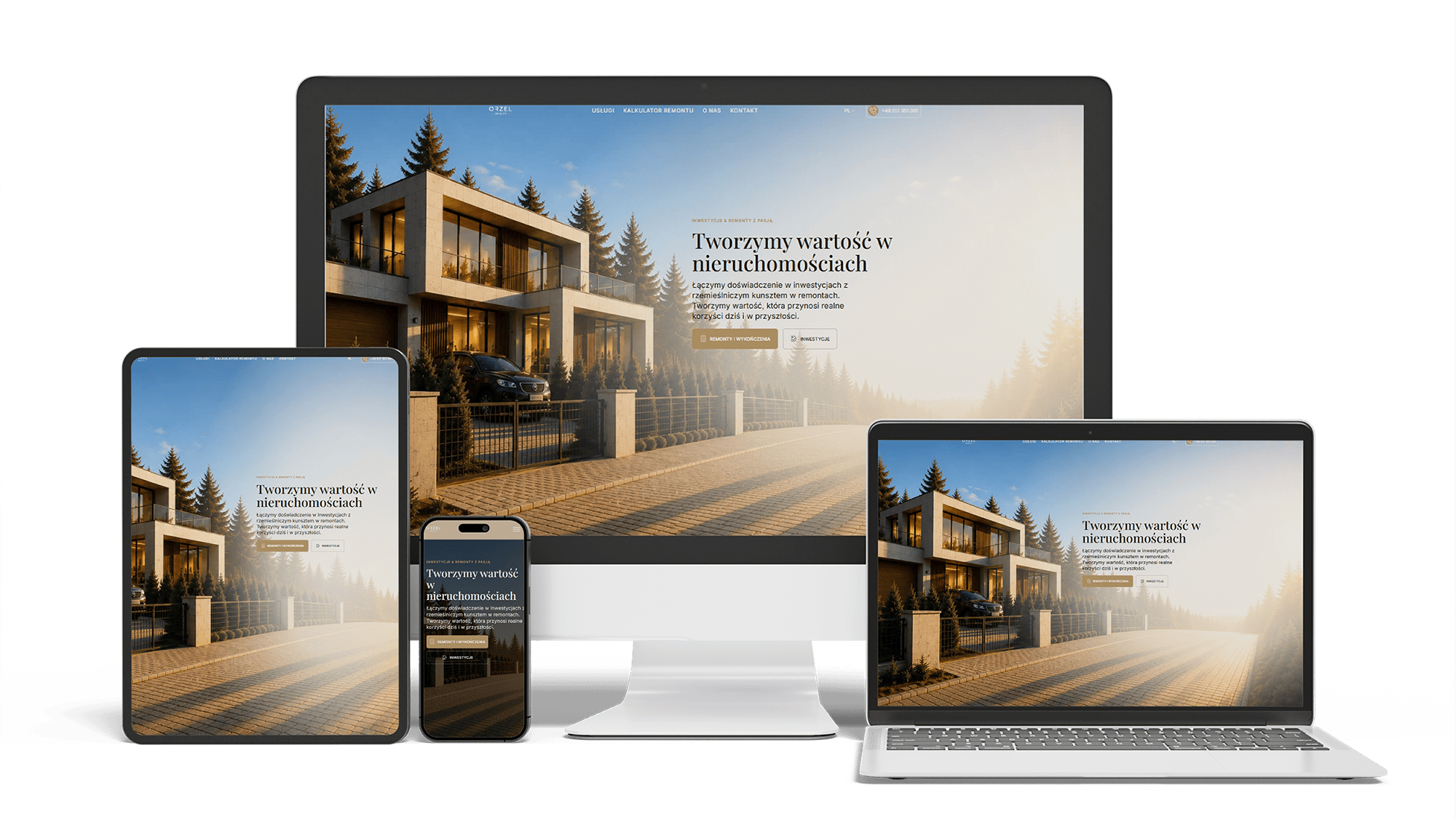
Renovation and investment website with a premium feel and 96/98/100/100 performance
96/98/100/100Design system2 languages
Get a quote for your dermatology website design
Within one business day I send a proposed page list for the medical and cosmetic sides and a fixed price. Please leave out any patient details.
Dermatology website design is the work I do for practices that treat skin disease and offer cosmetic treatments under one name: I plan the pages, design them and build the site myself, so one person answers for how it looks, how patients book and how search engines read it. The hard part is that a patient worried about a changing mole and a client comparing laser prices arrive at the same address.
The first screen sorts visitors before anything else. Two labeled entries sit side by side — “Skin conditions and skin checks” and “Cosmetic treatments” — and each opens its own menu, its own page template and its own booking button. Both sides share the practice name, clinicians, locations and scheduling system.
The split runs deeper than the menu:
- medical pages use a quiet layout, clinical images only where they help a patient recognize something, and a booking button labeled with the visit type
- cosmetic pages carry richer photography and price ranges, set in the same typography so the practice still reads as one
- insurance appears on the medical side; consultation fees and self-pay prices appear on the cosmetic side and on medical visits that plans rarely cover
- cross-links between the sides are few and placed by hand, only where a patient’s next question really leads to the other side
A cosmetic side that runs as a separately branded med spa, with memberships and its own booking platform, is a different build, covered on the med spa website design page.
Before design we agree a page list built from what the practice does and wants more of. A typical dermatology sitemap uses these page types, each with its own template:
- condition pages — acne, eczema, psoriasis, rosacea, hair loss, warts and the other problems you see most
- skin check pages for full-body exams and for a single spot that has changed
- surgical dermatology pages — excisions, biopsies and Mohs surgery where a surgeon on your staff performs it — with the referral route explained
- a pediatric section if a dermatologist sees children, with the youngest age stated
- cosmetic treatment pages for the lasers, peels and injectables you actually offer
- clinician profiles, location pages, insurance and self-pay information and a new-patient page
A small practice starts with a few pages of each type and grows without new design work. Ranking them for each condition and town is covered on the SEO for dermatologists page.
Patients act on what condition pages say, so I build them in the CMS as a template with fixed fields instead of one free text box:
- a plain-language summary for the patient, with the medical term explained once
- a “When to book a visit” block near the top
- what happens at the visit and which treatments the practice offers, with no promised outcome
- the reviewing dermatologist, picked from the clinician list, and the date of the last review — the page cannot be published with either field empty
- the matching visit type, so the booking button on that page opens the right appointment
Pages with a review date over a year old appear on a list in the CMS, so the practice sees which texts are due. Your clinicians supply or approve the medical content; I fit it into the template in plain language.
In dermatology the same “Book now” button can mean a short spot check or a long cosmetic consultation, and a wrong slot costs the front desk a phone call. The booking path asks one question first — what is the visit for — and then hands the patient to your scheduling system with that visit type already chosen:
- a full-body skin exam
- one spot or mole that has changed
- a new skin problem, or a follow-up for an existing one
- a cosmetic consultation
- surgery or Mohs: a request or referral form, because these are scheduled after an assessment
Whether the visit type can be preselected depends on your EHR or scheduling tool — a deep link, a widget or only a request form — and I check that before quoting. On the medical side, accepted plans sit next to the booking button as a text list, with a note where a referral is needed. On the cosmetic side, the consultation fee and any deposit show before the patient starts; a deposit can be paid online through Stripe Checkout.
Patients often choose a person before a practice, and in dermatology they want to know who will actually see them. Every clinician gets a profile from one template, and titles are written exactly:
- dermatologists with the certifying board named, for example the American Board of Dermatology, and fellowships such as Mohs surgery listed only where completed
- physician assistants and nurse practitioners introduced by their own title, with the visits they handle, such as acne follow-ups or skin checks
- aestheticians and nurses on the cosmetic side, with the treatments each of them performs
- languages, locations, working days and a button to book with that person
Each condition and treatment page shows who sees this problem and where. The profile approach for other specialties is on the medical website design page.
A close-up of severe psoriasis helps one patient recognize their condition and upsets another who only wanted to read. On condition pages, clinical images sit behind a “Show image” tap with a short description, and they come from the practice’s own consented cases or a licensed medical image library, never from an image search.
Before-and-after cases live on the cosmetic side only. Each case is a CMS entry with the treatment, the number of sessions, the clinician and the date the patient signed the photo consent; without that date the case stays unpublished. Captions describe what was done, not what a visitor will get, and every gallery page says that results differ from person to person.
Patients want to send a picture of a rash before they come in, but a skin photo with a name attached is health information. In the US that brings HIPAA into play; in the EU, it is special category data under the GDPR. So the site never receives the file. The “Send photos” and “Online visit” buttons open the patient portal or teledermatology tool your practice already uses, where the provider has signed the agreements your compliance adviser requires — in the US, a business associate agreement.
The same rule shapes the rest of the build:
- the public contact form asks for a name, a phone number, the visit type and a preferred time, nothing about the skin
- new-patient paperwork, medication lists and consent forms are completed in the portal, linked from the booking confirmation page
- analytics and advertising tags stay off booking, portal and teledermatology pages
This is design practice, not legal advice; your compliance officer confirms the setup.
Many skin check patients are older, so the design follows WCAG at level AA: readable type, strong contrast, large tap targets and forms that work with a screen reader. Two points are specific to dermatology:
- photos and illustrations show a range of skin tones, because eczema, psoriasis or a pigmented spot can look different on darker skin, and patients should be able to recognize their own
- alt text describes a clinical image for someone who cannot see it, in the words a patient would use
The visual style stays calm: a light background, one accent color kept for booking and no video that starts on its own on condition pages. The cosmetic side can be warmer, but it keeps the same type and spacing.
Questions like “a dermatologist near me who takes my plan and sees children” or “who does Mohs surgery in [town]” are now typed into ChatGPT, Perplexity or Google’s AI Overviews. An assistant names only practices whose facts it can read and cross-check. The build keeps those facts as page text — conditions treated, visit types, clinicians with exact titles, locations, plans, languages and hours — and adds structured data for the practice, each location and each dermatologist, plus the reviewer and date on every condition page. Explicit rules in robots.txt tell AI crawlers what they may read, as on Giuseppe’s site, whose new pages already appear in ChatGPT answers.
Staying in those answers takes continued work; see the AI SEO and GEO optimization page.
A search for the best dermatology website design returns mostly medical marketing agencies with dermatology packages and template galleries. Each route has its place:
- a template is enough for a new solo practice that needs hours, a phone number and a booking link online
- an agency package bundles the site with ads and SEO for a monthly fee; ask whether the site, the domain and the content stay yours if you leave
- a custom build pays off with medical and cosmetic sides, several clinicians and locations and condition pages you plan to keep adding
With me, the domain and hosting are registered to the practice, and you receive the code and content at launch. Giuseppe’s move from WordPress to Next.js and Sanity took 44 working days to handover and kept 468 blog posts reachable with a 301 redirect from every old address — how an existing dermatology site changes design without losing Google positions. For surgical aesthetics, see plastic surgeon website design.
One price covers the design and the development; there is no separate design fee.
- A simple dermatology practice website — home page with both paths, a few condition and treatment pages, clinician profiles, accepted plans and booking: 700–1,400 €.
- A full site with medical and cosmetic sections, condition and treatment templates with reviewer fields, booking by visit type, clinician and location pages, consented galleries, portal and teledermatology links and structured data: from 2,000 €.
Hosting, domain and scheduling or portal subscriptions are paid to their providers. All ranges are on the pricing page, and the way I build sites in general is on the website development page.
Dermatology website design: frequently asked questions
Order dermatology website design: what to send me
Send me your practice name and current website, the medical and cosmetic services you offer, your clinicians with their titles, your locations, the insurance plans you accept and the scheduling, EHR or portal system you use. Two or three practice websites you like help as well. Please leave out any patient details. You get a proposed page list and a fixed price in reply. Use the form above or write on WhatsApp.
