


Hair Salon Website Design for Salons and Barbershops
Hair salon website design for salons and barbershops: a price list by service and hair length, a page and gallery for every stylist, booking through the app you already use, and room to sell courses and products — designed and built by one person at a fixed price.
- Design + build, one price
- From 700 €
- Works with Booksy and Vagaro
What you get with a hair salon website
- Price list by service and lengthShort, medium and long hair, stylist level where it differs
- Stylist pages and a color galleryWork filtered by service and by stylist
- Booking from your current appBooksy, Vagaro, Fresha, Square or GlossGenius
- Barbershop walk-ins and hoursQueue or wait time, today’s hours, directions
- Courses and productsPaid video access and a small product section
- Readable by Google and ChatGPTServices, prices and hours as text
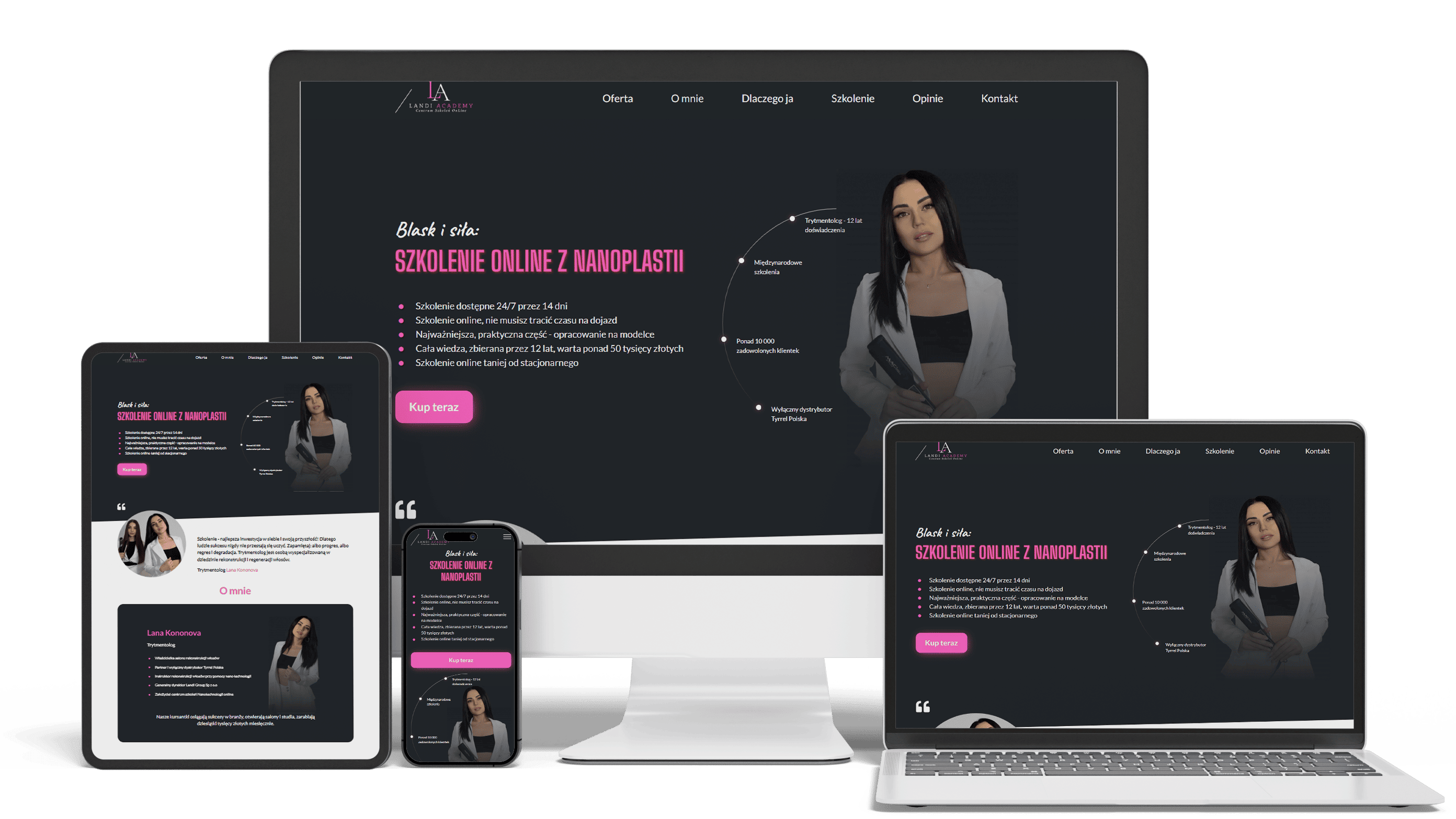
E-commerce landing page with secured video access
100+ course sales0 leaksLinks expire in 14 days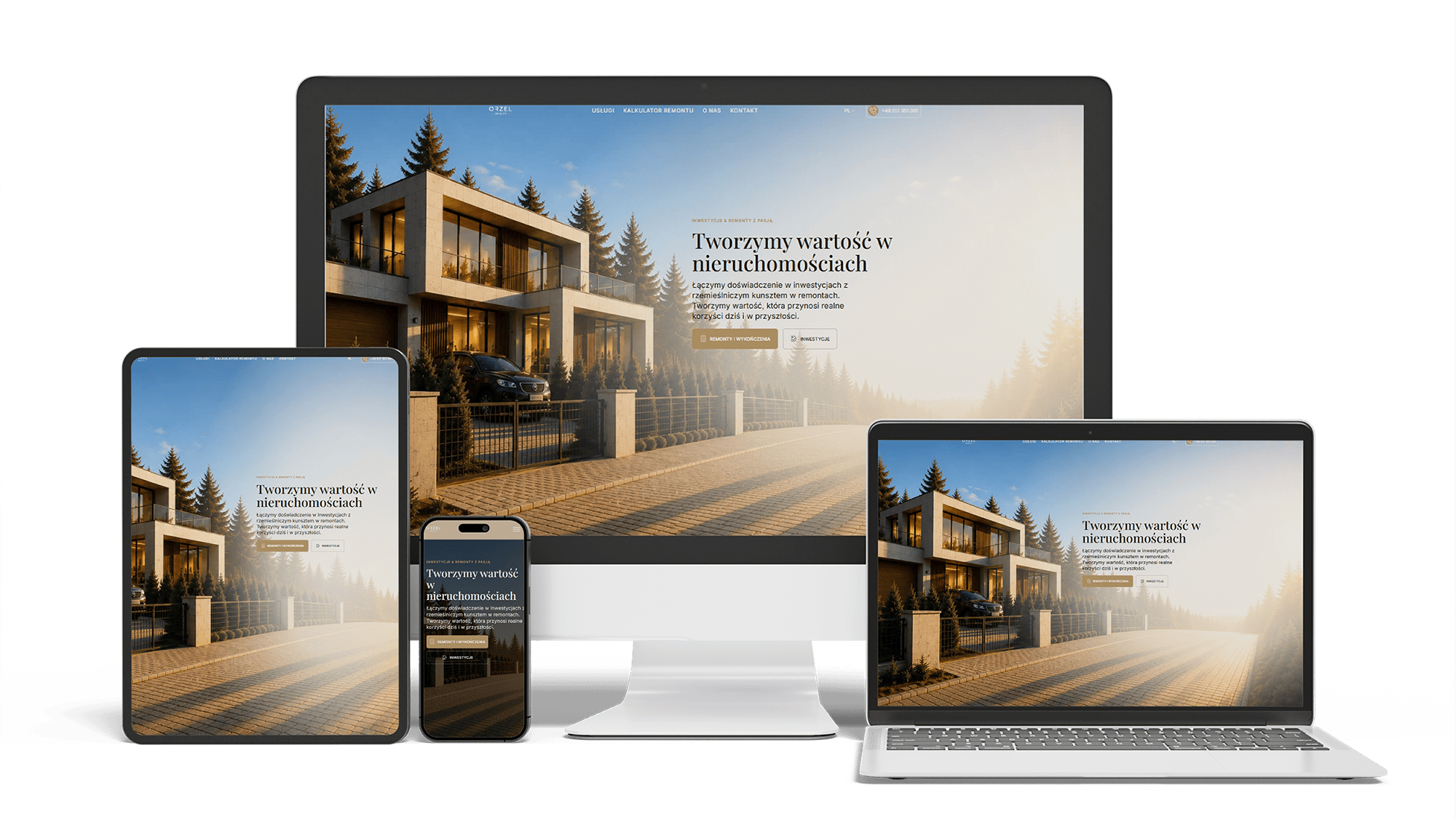
Renovation and investment website with a premium feel and 96/98/100/100 performance
96/98/100/100Design system2 languages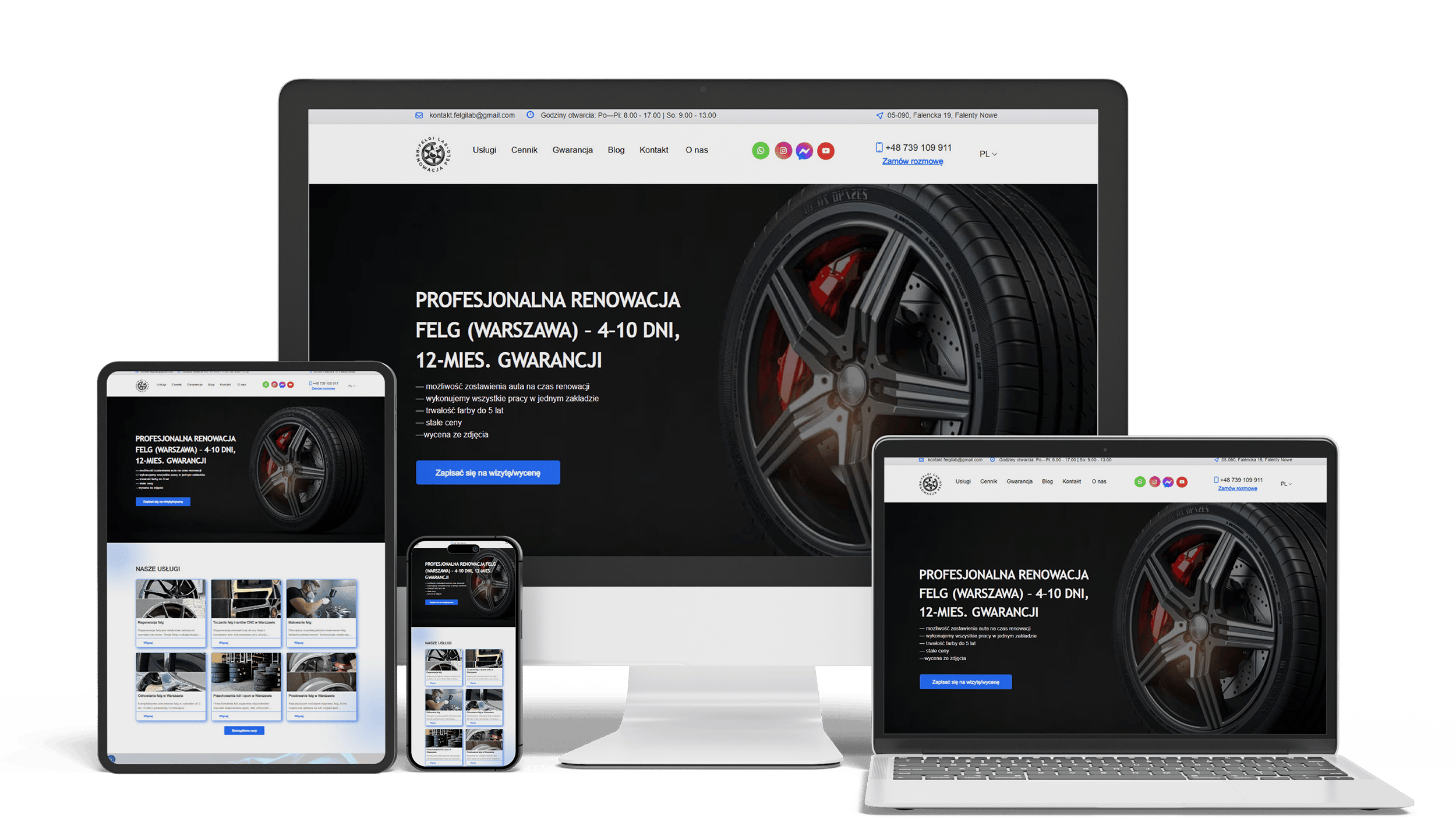
Auto Repair SEO & UX Boost
Performance 90++10% organic trafficLeads from forms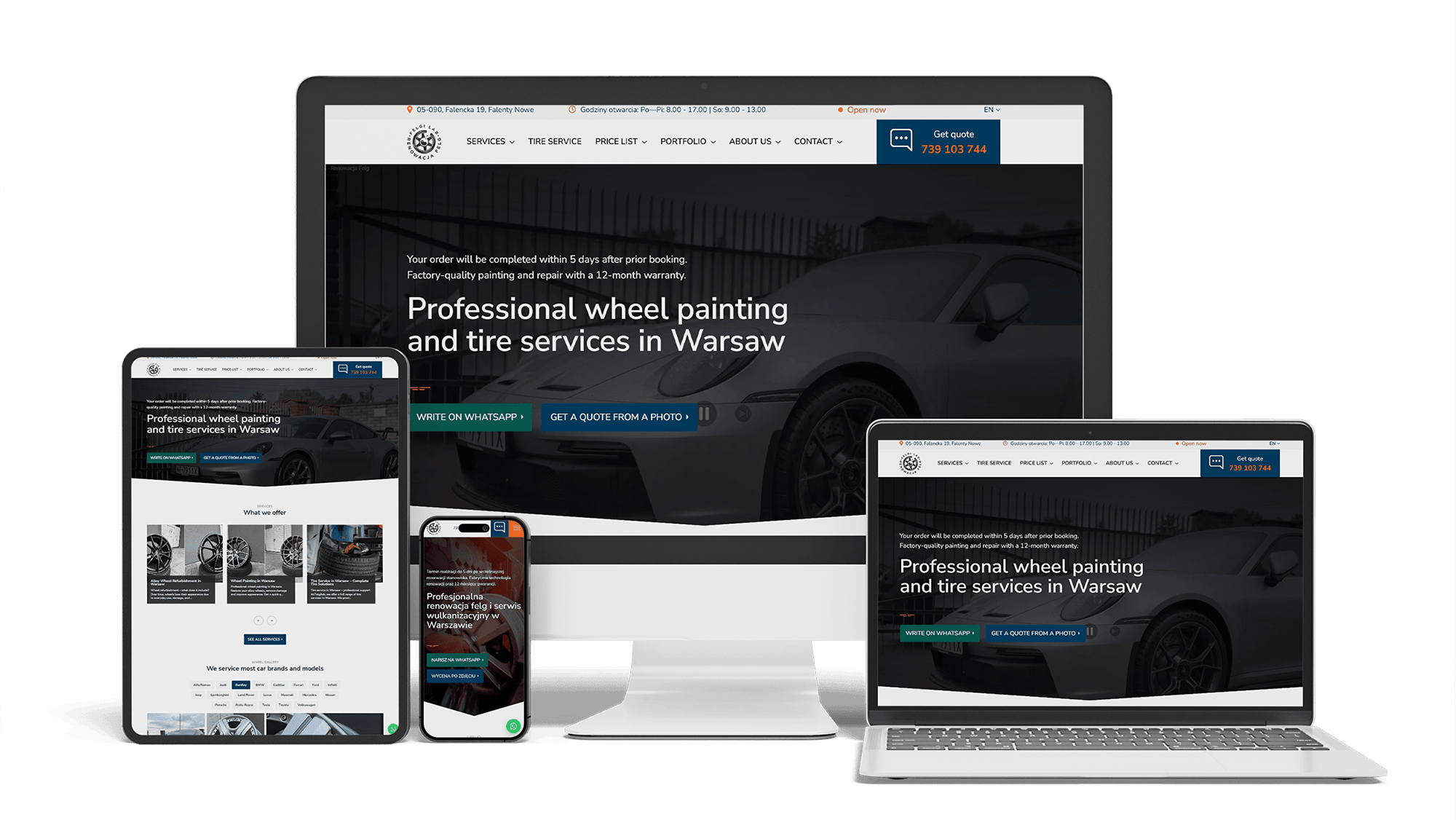
Full WordPress Rebuild for a Car Rim Restoration Company
92/91/96/100Photo quote formLocalBusiness markup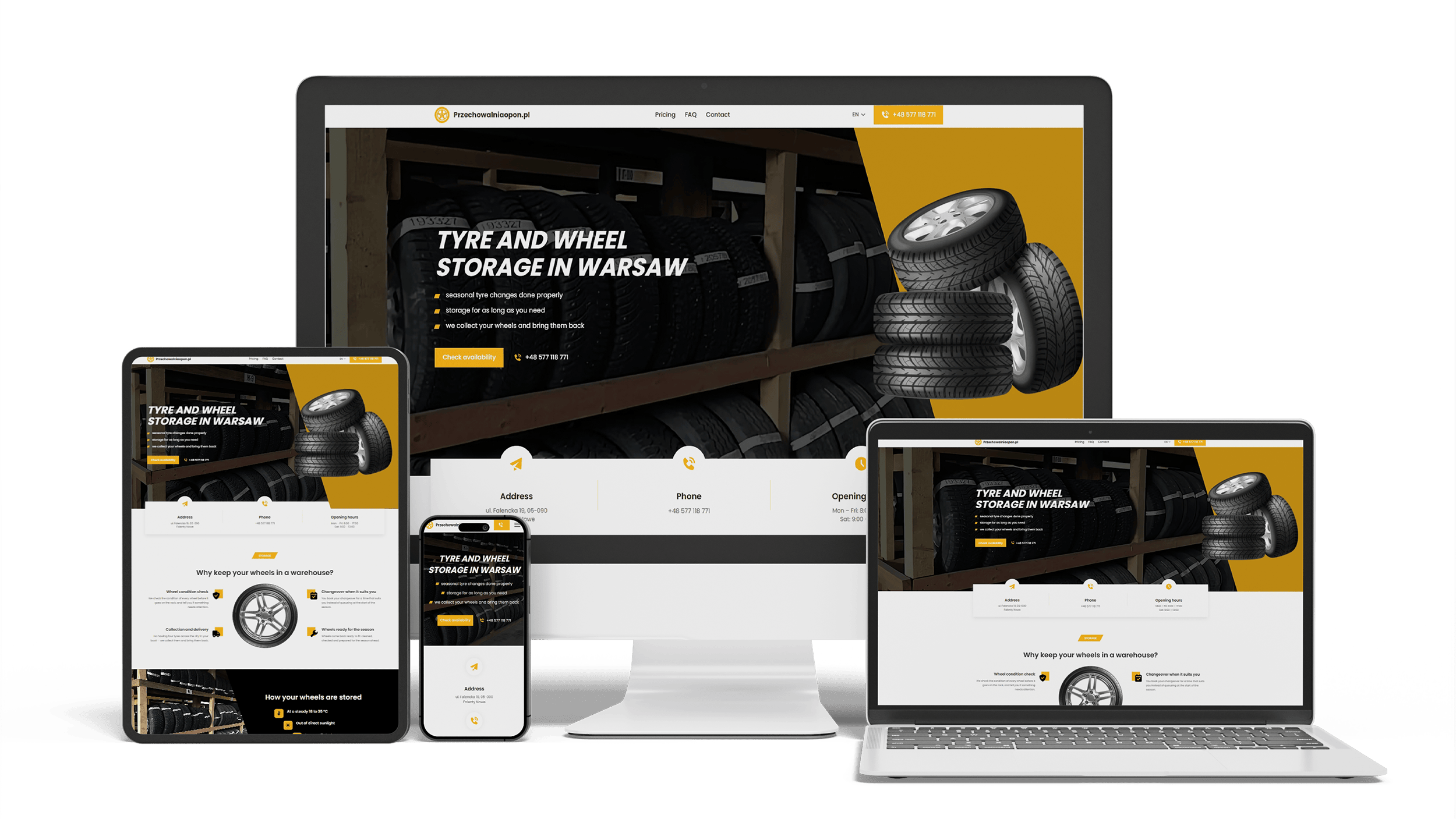
A multilingual landing page for a wheel and tyre storage business
100/95/100/1003 languagesClient edits it
Get a quote for your hair salon website
I answer within one business day: the pages your salon or barbershop needs and one fixed price for all of them.
Hair salon website design is the work I do for salon and barbershop owners who want new clients to see the stylists, understand the price list and book a chair without sending three DMs first. I plan, design and build the site myself, connect it to the booking software you already pay for and hand it over with an editor your front desk can use. The goal is that a client who finds you on a phone ends up in your calendar, not in a list of competitors.
It is the first question most owners ask, and the answer depends on where your new clients come from. Booking apps such as Booksy, Vagaro and Fresha are very good at taking appointments, sending reminders and holding deposits. Their public profile, though, is a page inside someone else’s marketplace: the layout is fixed, the text fields are short, and the same screen often suggests other salons nearby.
If your book is full of regulars and referrals, the app profile plus Instagram can be enough for now. A website starts to pay off when you want to:
- be found in Google for services, not only for the salon’s name — “curly haircut Denver”, “blonde specialist”, “skin fade near me”
- explain prices and policies in more words than an app field allows
- show each stylist’s work under their own name
- sell something beyond appointments: courses, products, gift cards
The site does not replace the app. Every Book button opens your existing calendar, so the front desk keeps one schedule.
A price that only says “from” makes a new client guess, and a guess often ends with them choosing a salon that shows a number. Hair pricing is complicated for real reasons — length, density, the color already in the hair and who holds the scissors — so the price list shows that structure instead of hiding it:
- services grouped the way clients think: cuts, color, blonding, treatments, styling, extensions
- a small table per service with columns for short, medium and long hair
- a second axis for stylist level where your prices differ — junior, senior, creative director
- the appointment length next to the price, so a client knows full highlights take an afternoon
- one line on what changes the final price, and a consultation button for color corrections and big changes
The table lives in the CMS as text. When you raise prices in January, you change the numbers in one place and every page that shows them updates; search engines and AI assistants read the same numbers your clients see.
Many clients follow a person, not a brand. A page for each stylist or barber keeps that loyalty inside your salon’s site: a real photo, years behind the chair, what they love doing (lived-in blondes, textured hair, precision bobs, beard work), the days they work, the languages they speak and a Book with… button that opens the app with that stylist already chosen, where the app allows it.
Stylists can get their own login, limited to their page and gallery, so updating a portfolio does not have to go through the owner. When someone leaves, their page is taken down and its address redirected to the team page instead of showing an error.
A hair salon booking website works when the jump from reading to booking is one tap. How that tap is built depends on your software: most systems give you a public booking link, and many also offer a button script or an embeddable widget. Before quoting, I look at your account and choose what fits:
- a direct link per service and per stylist, so the client lands on the right step
- a widget that loads only after a tap, so it does not slow the page down
- a Book button fixed to the bottom of every phone screen
- a short line under the button on deposits and cancellations, so the policy is read before card details are asked for
Marketplace fees and new-client rules differ between apps and change over time, so we check your current terms together. The aim is that clients who arrive through your own site book with you directly.
Color work sells itself in pictures, yet a gallery of two hundred random shots helps nobody. On the site, the gallery is filtered by service — balayage, copper, gray blending, curly cuts, men’s cuts — and by stylist, so a client who wants a soft blonde sees soft blondes and who made them. Before-and-after pairs are shot in the same light and at the same angle where possible, and published with the client’s agreement.
Photos arrive from phones in large sizes. The CMS crops and compresses them on upload and loads them as the client scrolls, so a gallery page with sixty images still opens quickly on mobile data. Your Instagram feed can sit at the bottom of the page, but the main gallery stays on your site, where it is tagged and does not depend on a feed algorithm.
Some salons earn as much from teaching as from the chair. Landi Room, a beauty salon in Warsaw, sells an online course in nanoplasty, a hair-smoothing treatment. I designed and built its landing page on Next.js with Sanity: payment through Stripe Checkout, then a unique video link sent automatically, valid for 14 days and not downloadable. Its first Google Ads campaign sold more than 100 places on the course, and no access link has been passed on without permission.
The same setup works for a balayage class for other stylists, a home-care lesson for clients or a short list of the shampoos and treatments you use at the station, sold for pickup at the salon. A course or product page becomes a section of your site rather than a separate platform with its own monthly fee.
“Hair salon website template” is searched more than any other phrase in this niche, and for a good reason: a template is cheap and fast. A one-chair studio with a booking link and a steady Instagram following can start on one and be fine — and if that describes your salon, my reply will say so.
Templates start to cost you as the salon grows. Stylist pages, price tables by length and level, filtered galleries and course sales each become a plugin or a paid upgrade, and the result looks like hundreds of other salons on the same theme. A custom site is built around your price list and your team from day one, belongs to you, and keeps working if you switch booking software.
Lists of the best hair salon websites tend to praise big videos and unusual fonts. Opened on a phone, the sites that actually fill chairs share plainer habits:
- the salon’s specialty and neighborhood in one line at the top
- a Book button that never leaves the screen
- prices a client can read without zooming
- real photos of the team and the space
- an address that opens straight in maps
- pages that load before the client gives up on a bus
Most new clients type “hair salon near me” or a service plus a neighborhood and pick from the map. The site supports that from launch: the same name, address, phone and hours as your Google Business Profile, a page for each service you want more of, a page per location and structured data describing the salon, its services and its opening hours.
The ongoing ranking work — the Google profile, reviews, local links and keyword research — is described on my SEO for beauty salons page, which covers hair salons and barbershops too. Local search for any business with an address is on local SEO services.
Clients now ask ChatGPT or read Google’s AI Overviews with questions like “a salon in Austin that is good with curly hair” or “a barber open on Sunday in Queens”. An assistant can only recommend a salon whose facts it can read. So services, stylists and their specialties, prices, hours and walk-in rules are written as text in the page code, delivered by the server rather than drawn by scripts after loading, and repeated in structured data that matches your Google listing.
Being named in those answers over time is a separate job, described on the AI SEO and GEO optimization page.
Design is included in both prices:
- A simple hair salon or barbershop website — home, services and price list, team, policies, booking buttons and contact, or one strong page for a barbershop: 700–1,400 €.
- A full hair salon website with stylist pages and galleries, price tables by length and level, booking integration, course or product pages and local SEO setup: from 2,000 €.
Salons that also do nails, lashes, brows and skin care will find more on the beauty salon website page. How I build sites in general is under website development, and every price range is on the pricing page.
Websites for tattoo studios, with portfolios by style and online deposits: tattoo website design.
Hair salon website design: frequently asked questions
Order hair salon website design: what to send me
Send your salon or barbershop name and Instagram, your current price list, the stylists or barbers and what each one does best, the booking app you use, your deposit and cancellation rules, and whether you take walk-ins. If you teach or sell products, mention that too. I reply with a proposed page list and a fixed price. Use the form above or write on WhatsApp.
