


SEO for a courier company: how to be found for a route, a deadline and a kind of cargo
Courier searches name two places and a time. Pages built around the routes you actually run, the cargo you actually carry and your cut-off times win work that no general «delivery services» page can reach. Audit from €250.
- Pages per route you run
- Audit from €250
- Named by ChatGPT and AI search
What SEO for a courier company actually consists of
- A page per route you genuinely runFrom this city to that one, same day
- Cargo types as separate pagesPallets, documents, fragile, oversized
- Cut-off times stated plainlyBook before two and it goes today
- Worked price examplesBecause a price list is impossible
- Tracking, insurance, proof of deliveryWhat a first-time sender checks
- Being named by AI assistants«Same-day courier for a pallet, booked this morning»

A multilingual landing page for a wheel and tyre storage business
100/95/100/1003 languagesClient edits it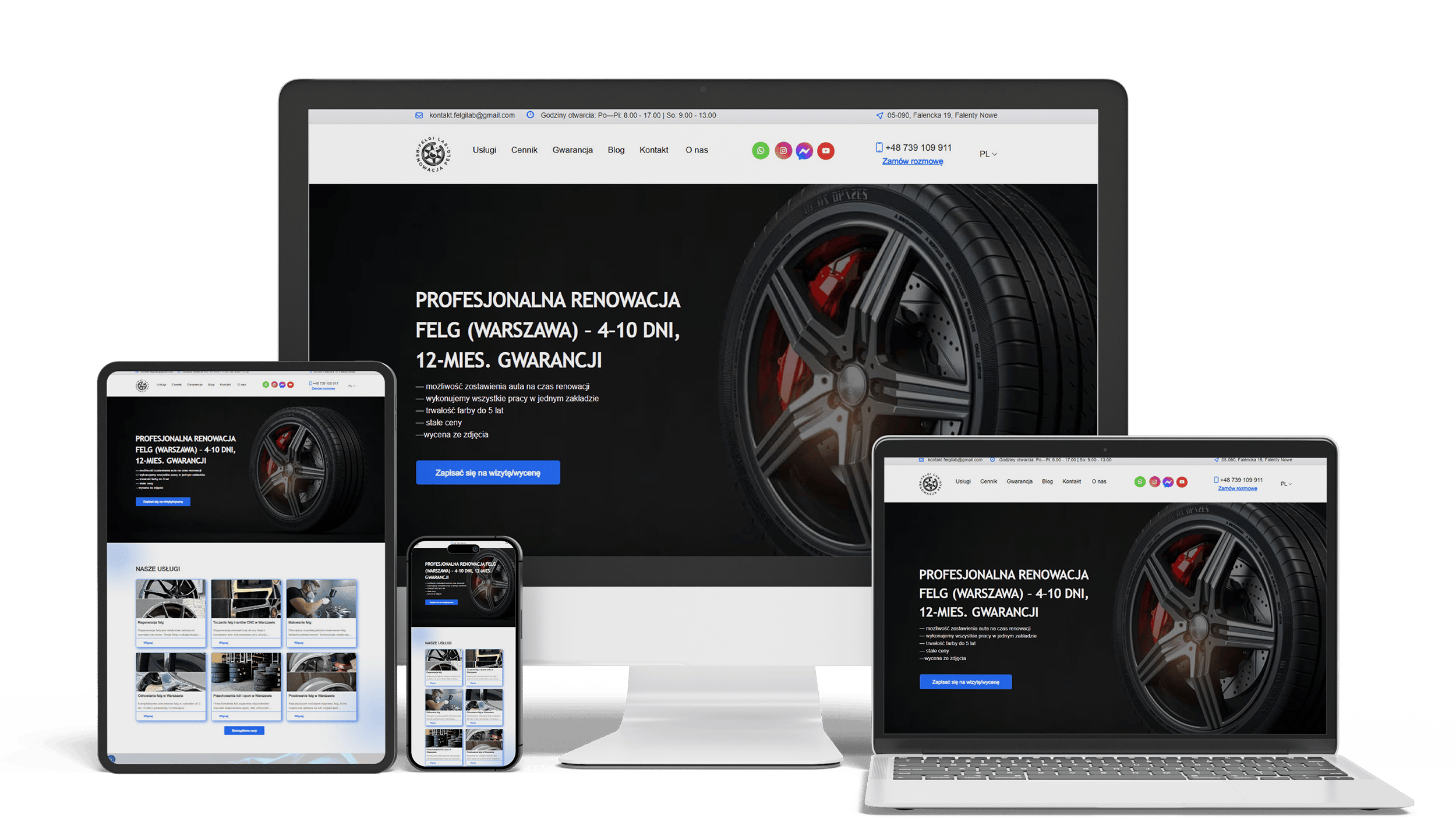
Auto Repair SEO & UX Boost
Performance 90++10% organic trafficLeads from forms
Full WordPress Rebuild for a Car Rim Restoration Company
92/91/96/100Photo quote formLocalBusiness markup
Multilingual real estate platform in Cyprus: SEO and GEO without bought links
16× faster editingTraffic from ChatGPTLeads via WhatsApp
Full Multilingual Website Development & SEO for Student Services
+5,930 clicks in 6 months359k impressionsTeam edits it
I do SEO for courier and delivery companies myself: audit, the fixes in the code and the text, and a monthly report on enquiries.
This page is about courier work: parcels, documents, pallets and time-critical consignments, moved same day or next day, for businesses and for people who need something somewhere by a deadline.
If you move households and offices, the purchase is entirely different — it is planned, priced per volume and sold on trust rather than speed — and that is SEO for moving companies. What a transport or logistics site itself should contain is on the logistics company website page.
One structural note before the rest: most courier firms are two businesses sharing a van fleet. There is contract work, sold to a procurement or operations manager on rates, service levels and reliability over months, and there is ad-hoc work, sold in ten minutes to somebody who has a problem today. Search mainly reaches the second, and the second is where the margin usually is, so the pages below are built for it.
Courier searches name two places and a time. Somebody needs a parcel from one city to another today, a pallet across a border by Thursday, documents to an office two hundred kilometres away this afternoon. They do not search for a courier company and then work out whether it covers their route — they search the route.
A page per route you genuinely run is therefore the strongest asset a courier firm can build, and the competition for those searches is almost nil, because every competitor publishes one page saying «nationwide and international delivery». Each route page says how long that run takes, what time you have to collect by for it to arrive the same day, what it costs for a typical consignment, what you will and will not carry on it, and how often you run it.
- one page per route you actually run regularly, named by both places;
- the transit time and the collection cut-off for that route, not a general promise;
- a worked price for a typical consignment on it;
- whether it is a dedicated van or a consolidated run, because senders care;
- and the border or document requirements where the route crosses one.
Write only the routes you run. A page for every city pair in the country, generated from a list, is the oldest mistake in this industry and it produces exactly the thin pages search engines discount and senders distrust.
The second half of the search is what is being moved. A pallet, a document, something fragile, something oversized, something that must stay cold, something that must not be left with a neighbour. Each of those is a different operation with a different price and a different set of worries, and a sender searching for one of them wants to see it named.
This is also where a courier firm can decline work gracefully and profitably. Saying plainly what you do not carry — and there is always a list — saves the phone calls and makes the rest of the site more credible, because a company that carries everything for everyone describes no actual service.
Cut-off times: the single fact that decides the order
For same-day work the question is not whether you can do it, it is whether you can still do it today. «Booked before two o'clock, collected by three, delivered this evening» is the sentence that wins the order, and it is missing from most courier websites, which prefer «fast and reliable delivery» — a phrase that commits to nothing and therefore answers nothing.
Publish the cut-off per route and per service, and keep it true. It converts, it ranks for the urgent searches, and it also stops the enquiries that arrive at half past four for something that needed collecting at two.
Pricing when a price list is genuinely impossible
Courier pricing depends on weight, distance, deadline and vehicle, so a simple price list is not dishonest to omit — it is actually impossible. But «request a quote» loses the sender who is comparing three firms in five minutes, and that is most of them.
The workable answer is worked examples: a named weight, a named route, a named service level, and the price. Three or four of those per route tell a sender what to expect, give them a reason to call rather than click away, and provide search engines and AI assistants with figures to quote. A calculator does the same job better where the business can support one.
Where you want to be found by city and across a service area, the groundwork is on the local SEO page, and if the routes cross borders and you want to be found in the other country's language, that is international SEO. If you want the state of your own site established before committing to anything, that is the SEO audit.
An SEO audit for your courier company
Send the site and I reply within one working day: what is holding it back and what I would do first.
Being named when a sender asks ChatGPT for a courier (GEO, AEO)
«Who can collect a pallet this morning and get it to another city today, and what would that cost» is now one question put to an assistant rather than three phone calls, and courier work suits it unusually well because every part of the answer is a fact: the route, the cut-off, the vehicle, the price for a typical consignment. The assistant answers from text it can read, so the same things decide whether a firm is named: routes and cargo types written out rather than hidden behind «nationwide delivery», cut-off times stated, worked prices it can quote, and consistent company details everywhere.
Getting a site into that state is preparing a site for AI search, and if assistants describe the service wrongly — a route you dropped, an old cut-off, cargo you no longer carry — that is fixing AI misinformation.
SEO for courier companies: frequently asked questions
Order an SEO audit for a courier company: what to send me
Send the site, list the routes you run regularly, and say what you will not carry. I reply within one working day with what is holding the site back, which route and cargo pages are missing, and what I would do first — including which routes are not worth a page because nobody searches them.
