


SEO for Real Estate Developers
I do SEO for real estate developers: a page for every development that ranks for its city and stage, unit prices and availability kept current from your feed, landing pages by location, type and budget, versions for foreign buyers, links earned without buying them and a place in AI answers.
- Developments, units and buyers
- Audit from 250 €
- Reply within one business day
What you get with SEO for real estate developers
- A page that ranks for each developmentPrices, floor plans, completion date, location
- Unit prices and availability from your feedSold units marked, not left on sale
- Pages for cities, unit types and price bandsBuilt from the searches buyers really make
- Versions for buyers from abroadWritten for each market, linked with hreflang
- Links earned, never boughtDeveloper, press and directory mentions
- Recommended by AI assistantsCompleted projects and company facts they can verify
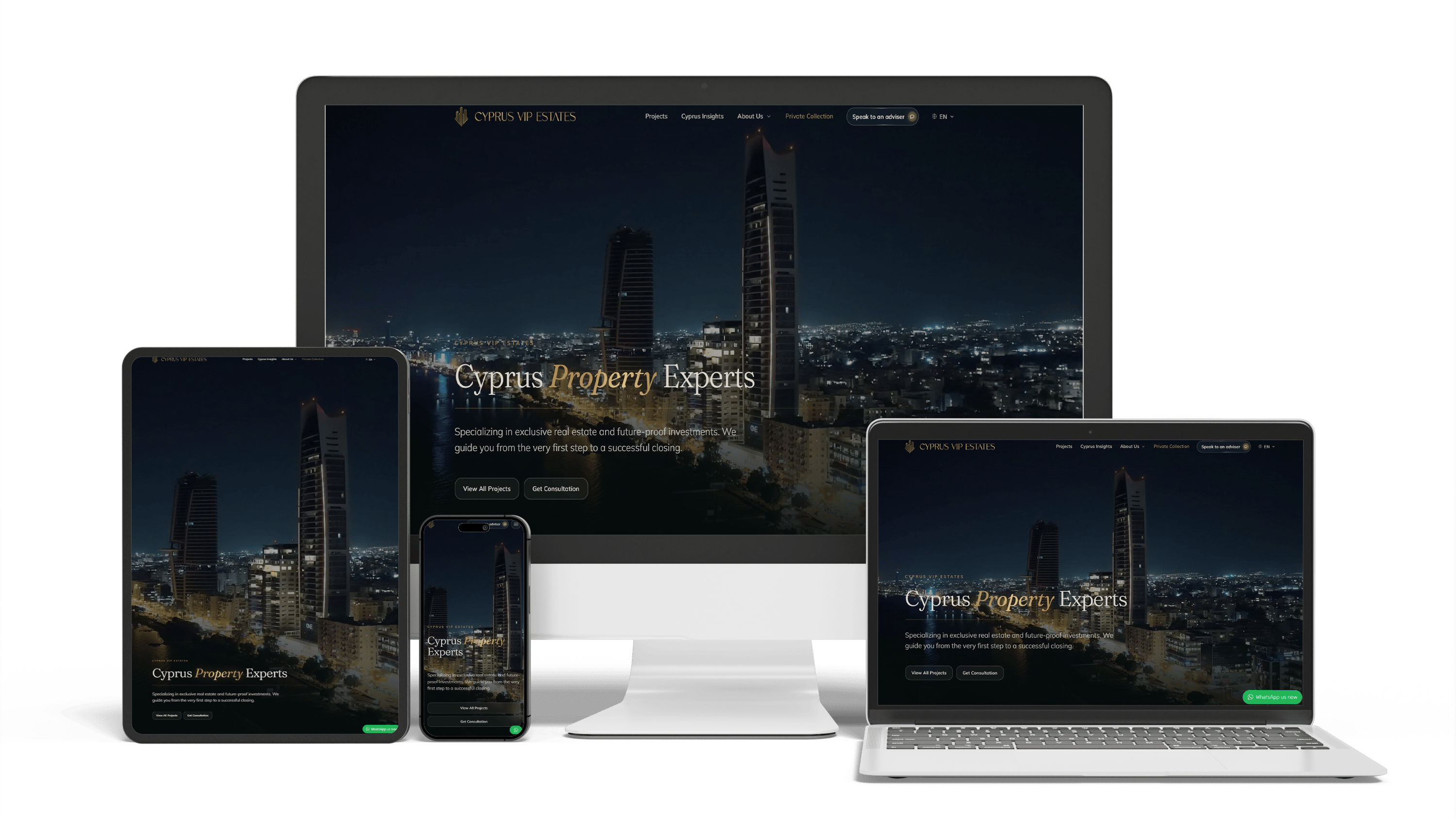
Multilingual real estate platform in Cyprus: SEO and GEO without bought links
16× faster editingTraffic from ChatGPTLeads via WhatsApp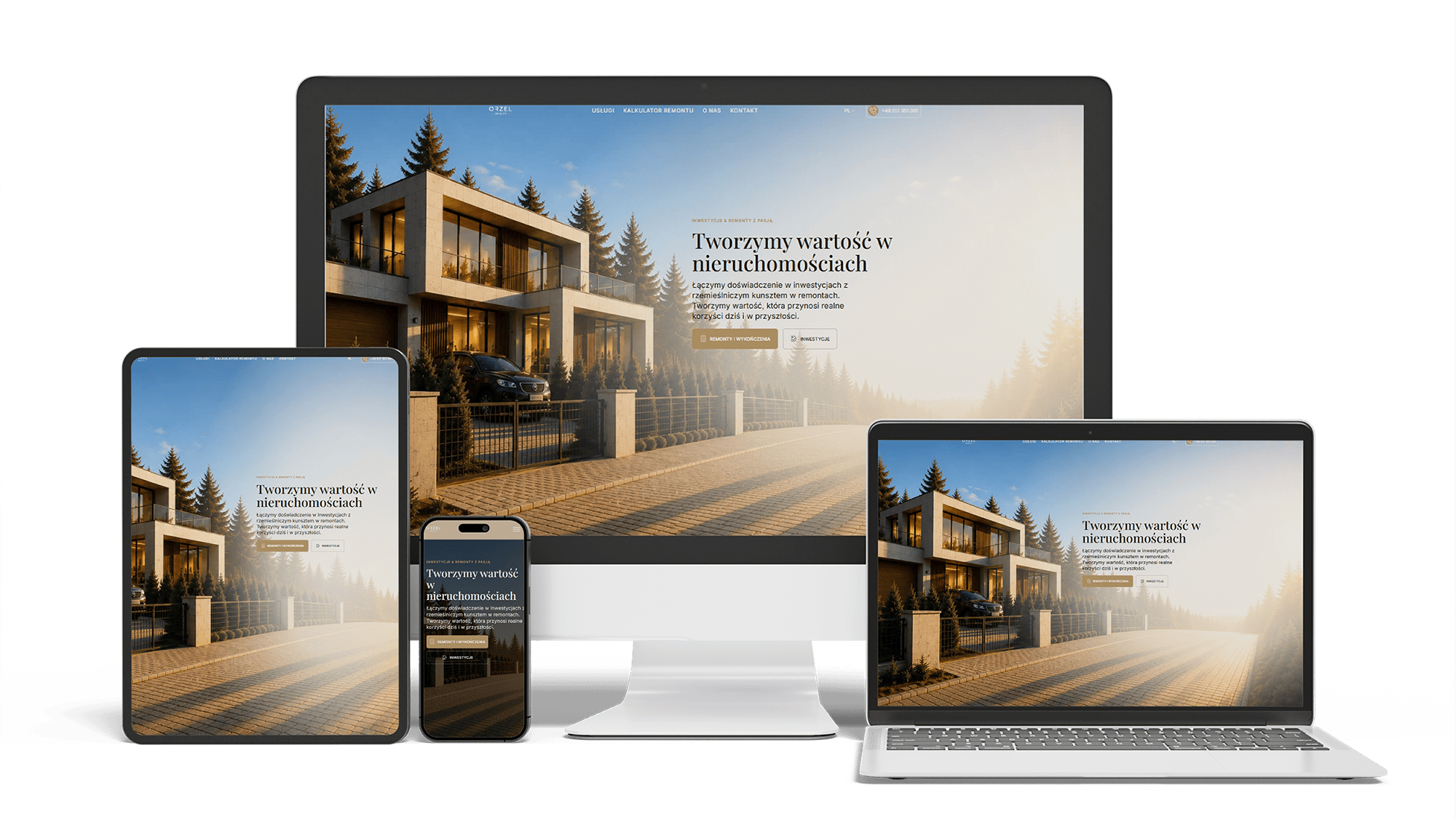
Renovation and investment website with a premium feel and 96/98/100/100 performance
96/98/100/100Design system2 languages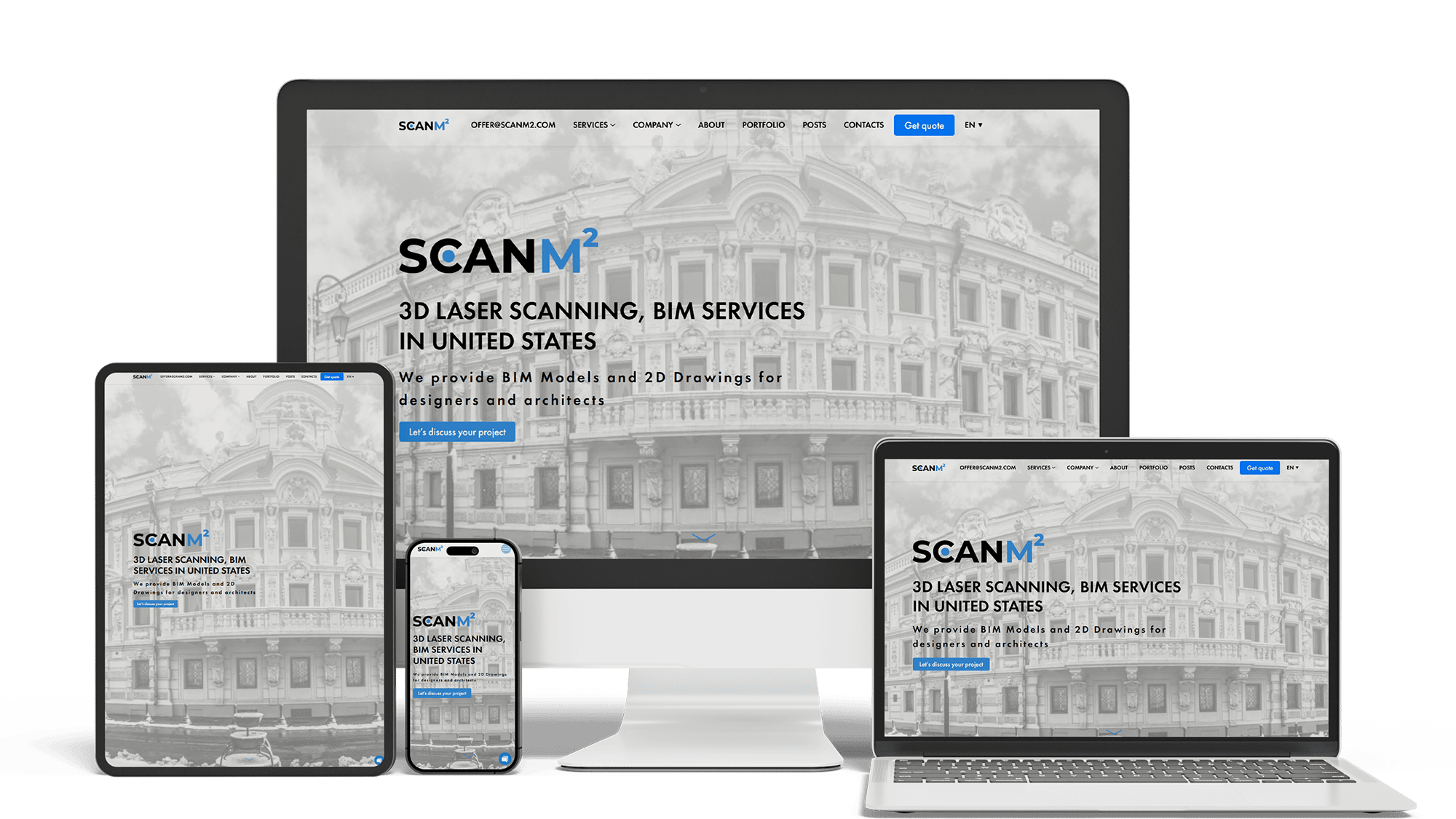
Architecture Website Rebuild and SEO
29× organic trafficLoads in under 1 sTop 3 in Poland
Full Multilingual Website Development & SEO for Student Services
+5,930 clicks in 6 months359k impressionsTeam edits it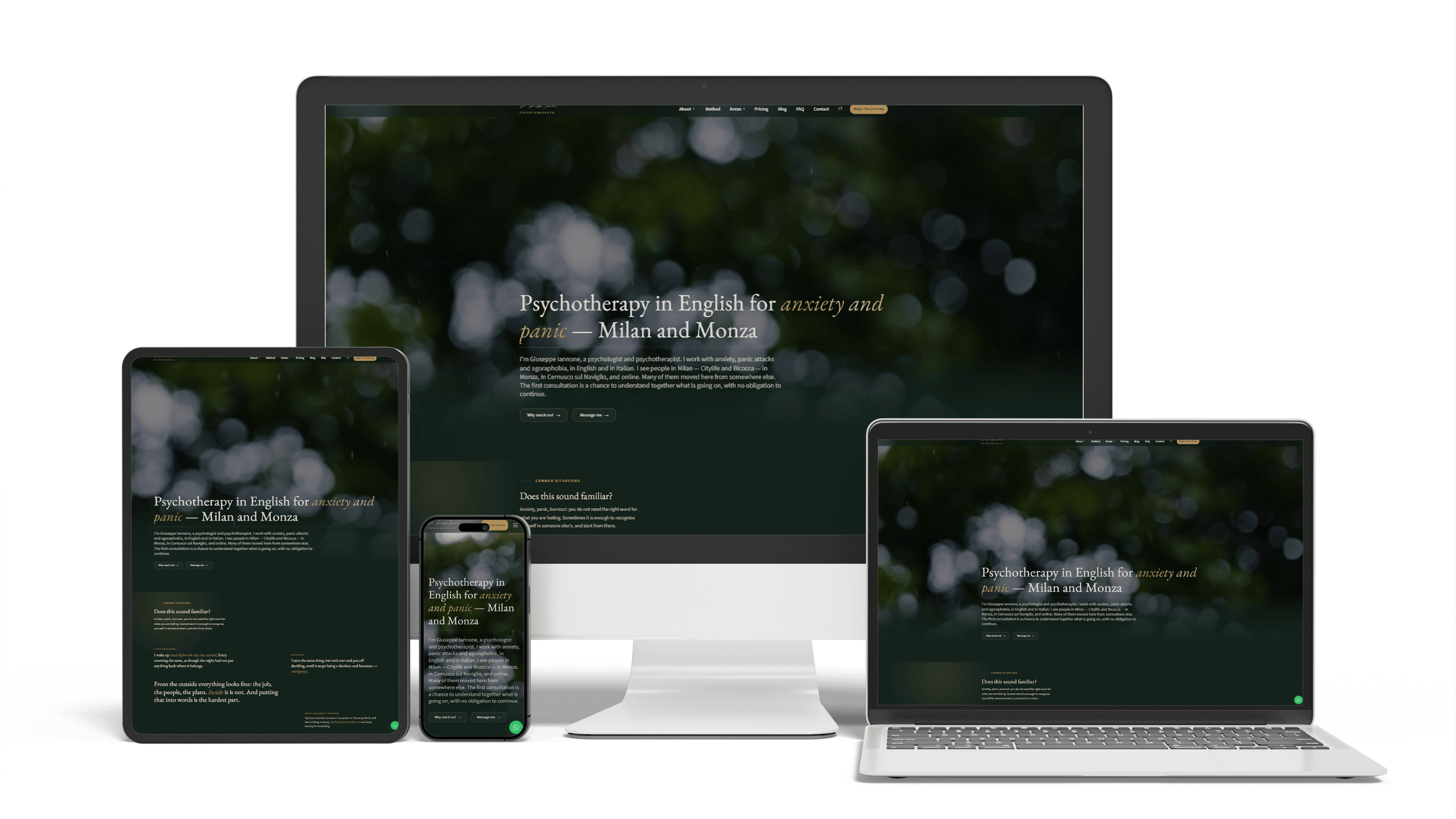
Bilingual psychotherapist website in Italy
468 of 468 posts moved2 languagesSeen in ChatGPT answers
Get a quote for SEO for your developments
Within one business day you get my first three priorities — development pages, the catalog or the feed — with a fixed price.
SEO for real estate developers is the work that puts your developments, and the units still for sale in them, in front of buyers who are searching by city, property type, construction stage and budget — months before they walk into a sales office. All of it is done by me personally: I also build and run property catalogs, so whoever spots a crawling problem in your listings is the same person who rewrites the template.
A developer’s site is not a brochure with a contact form. It is a catalog that changes every week: units sell, prices move, a new phase launches, a completed building leaves the market. Search engines rank it like any large catalog, and buyers judge it like a sales office. The work covers five areas:
- search demand for your cities and products, from “pre-construction condos Miami” to “new construction townhomes Raleigh”
- one strong page per development, plus pages for areas, unit types and price bands
- unit data — prices, floor plans, availability — kept current and readable
- the technical side of a big catalog: filters, maps, sold units, redirects
- trust signals: links, mentions, reviews and answers in AI assistants
A real estate developer marketing strategy usually leans on channels that stop when the money stops: paid portal placements, brokers on commission, launch campaigns. Search works on a different clock. Buyers of new homes research for a long time, and many of them type the development’s name, your company name or the neighborhood dozens of times before they sign a reservation. If those searches land on a portal or a broker’s copy of your listing, you pay for a buyer who was already looking for you.
SEO keeps those searches on your own site and adds the ones you would not reach otherwise. The sales office still needs its own Google Business Profile with hours and directions; that map work is described on the local SEO services page.
Buyers of new builds combine four things in one query, and the mix tells you where they are in the decision:
- location — city, neighborhood, school district, “near the beach” or “near downtown”
- property type and size — condo, townhome, villa, “3 bedroom”, “with a yard”
- stage — pre-construction, pre-sale, off-plan, move-in ready, a completion year
- budget — “under $500k”, “starting from”, payment plan
Before writing anything I pull the search data for every city where you build and for each combination with enough demand. Your own development name and brand searches are checked too, because they show where portals already take your traffic.
Landing pages by city, property type and budget for new developments
A page for “new condos in Tampa under $400k” only works if it lists real developments that match and says something a buyer cannot get from a filter: how the areas differ, what completion dates look like, what fees to expect. Pages generated for every possible combination with nothing behind them are thin content, and Google treats them that way.
Most searches that end in a reservation land on a development page, so it carries the most weight. It should answer the questions a buyer would ask the sales agent, as text:
- price range and price per square foot, with the date of the last update
- unit types, sizes and floor plans, each plan as a separate image with a text label
- construction stage, expected completion and what is already built, with dated photos
- location facts: distances to the beach, center, schools, airport or highway
- fees, deposits and payment schedule in plain terms
Write it as facts, not mood. The Cyprus platform described below learned this the hard way: someone once replaced its project texts with lifestyle prose, and traffic to the commercial pages fell. Once the facts — price, area, location — were back, clicks recovered by 16%.
A price list that is three months old costs more than it earns: buyers call about units that are gone, and assistants quote the wrong numbers. The fix is a single source of truth. Most developers already keep prices and availability in a spreadsheet, a CRM or a sales system; that data can feed the website automatically, daily or more often, so each unit shows its current status without anyone editing pages by hand.
What to do with sold-out units and completed developments
- a sold unit stays on its page marked as sold, linking to similar units still available
- a sold-out development keeps its URL as a reference project: photos, completion date, what was built
- removed pages get a 301 redirect to the closest live page, never a dead end
Completed projects are your track record. Buyers and AI assistants both use them to decide whether a developer finishes what it starts.
For broad searches such as “new homes in Phoenix” the first page is often portals: Zillow, Realtor.com, NewHomeSource in the US, Rightmove in the UK. A developer with three projects will not outrank them for the widest phrase. Where a developer wins is narrower and closer to a sale: the development’s own name, the neighborhood plus “new construction”, the specific unit type, the questions about your construction quality and payment terms.
Keep your listings on portals — they are a source of leads and citations — but make your site the version with more detail: full floor plans, live availability, construction updates. Then a buyer who sees you on a portal and searches your name finds you, not another copy.
Resort and second-home developments sell to buyers from other countries, and each of them searches in their own language with their own words. A German buyer does not type a translation of the English query; the phrasing, the units of measure and the questions about taxes and financing are different. Each language version needs its own keyword research, its own landing pages and correct hreflang links between versions.
I start with the markets your sales team already serves and expand from there. How I build multilingual sites is on the multilingual website development page; developers selling on the island will find market detail on the SEO for real estate in Cyprus page.
Hundreds of units, dozens of filters and an interactive map can produce millions of URLs that Google tries to crawl. Technical SEO keeps the useful ones indexable and the rest out of the way:
- filter combinations that have search demand become real landing pages; the rest are not indexed
- the map and the unit list render as HTML links, not only inside a script
- images of renders and floor plans are compressed, with descriptive file names and alt text
- structured data describes each development and its units, with prices and availability
- every URL change after a redesign or a platform move gets a 301 redirect
Bought links are the fastest way to a manual penalty and the slowest way to trust. A developer has better sources than most businesses: architects, contractors and suppliers who list the project, local news about a groundbreaking or a completion, city planning pages, partner banks, brokers who sell your units, and business directories where your company should appear anyway. My job is to make each of those mentions link to the right page — the development, not only the home page — and to publish the facts that journalists and partners can quote.
This platform sells new-build apartments and villas from licensed developers to buyers from abroad. No site existed before I started it in early 2025; since then I have done all of it — code, content, technical SEO and AI search. Inside:
- about 375 developments and 28 developer pages, plus roughly 330 landing pages for cities, property types and budgets
- five languages: English, German, Polish, Russian and Hebrew
- a catalog with filters and a map; project pages with price, areas, completion and distances
- daily import from developers’ feeds since a June 2026 move to a VPS with a custom admin, with a 301 redirect for every old URL
The numbers: organic traffic went from nothing to about 2,500 visits a month; search brings 96% of all traffic; AI assistants account for about 10% of organic visits; and many German-language queries from the DACH countries show the site in top positions. Not a single bought link, no Google Ads.
“Which developers in Austin deliver on time?”, “Is this off-plan project reliable?”, “Best new condo developments near the beach in Sarasota?” — buyers type these into ChatGPT and Perplexity and read Google’s AI Overviews before they call anyone. The assistant shortlists a few companies and says why. Getting onto that shortlist is what GEO (generative engine optimization) and AEO (answer engine optimization) mean. For a developer the groundwork is:
- company facts as plain text: years active, completed projects, licenses, warranties
- completed developments kept online with dates and photos
- the same company name, addresses and figures on your site, portals and directories
- Organization and residence structured data linked to those profiles
Before the work starts I save the assistants’ answers about you and your projects and compare them a few months later. The service itself is described on the AI SEO and GEO optimization page.
- SEO audit for a developer — development pages, catalog, feed, crawling, portals, AI visibility: a one-off from 250 €, ending in a list of fixes ordered by impact.
- One-off work — a development page template, city and budget landing pages, structured data, a redirect map: 250–700 €.
- Monthly SEO for a real estate developer — new landing pages, feed and catalog checks, links, AI visibility and reports in leads by development: from 800 € per month; for big metros and other markets where competition is fiercest, from 1,300 € per month.
If the site itself needs rebuilding first, see the property developer website page. Individual agents selling resale homes have their own page, SEO for realtors. The monthly process is explained on the SEO optimization and strategy page, the audit on the SEO audit page, and all prices on the pricing page.
SEO for real estate developers: frequently asked questions
Order SEO for real estate developers: what to send me
I need a link to your website, the developments on sale and planned with their cities, where unit prices and availability live today — spreadsheet, CRM or sales system — which countries your buyers come from and which portals you list on. My reply lists where I would start, with a fixed price. Use the form above or write on WhatsApp.
