


SEO for Catering Companies
I do SEO for catering companies: event-type pages for corporate, wedding and office lunch catering, service-area and venue pages, menus and price-per-person ranges search engines can read, Google Maps and reviews, so planners send quote requests to you and not only to a marketplace.
- Event-type and service-area pages
- Audit from 250 €
- Reply within one business day
What you get with SEO for catering companies
- Search data by event type and areaCorporate, office lunch, weddings — in your towns
- A page for each kind of eventConferences, office lunches, weddings, private parties
- Service-area and venue pagesOnly the towns and halls where you really cater
- Menus and price-per-person rangesWritten as text that search and AI can quote
- Visibility in ChatGPT and AI OverviewsHeadcounts, area and lead times as checkable facts
- Reports in quote requests and booked eventsDirect inquiries next to marketplace orders
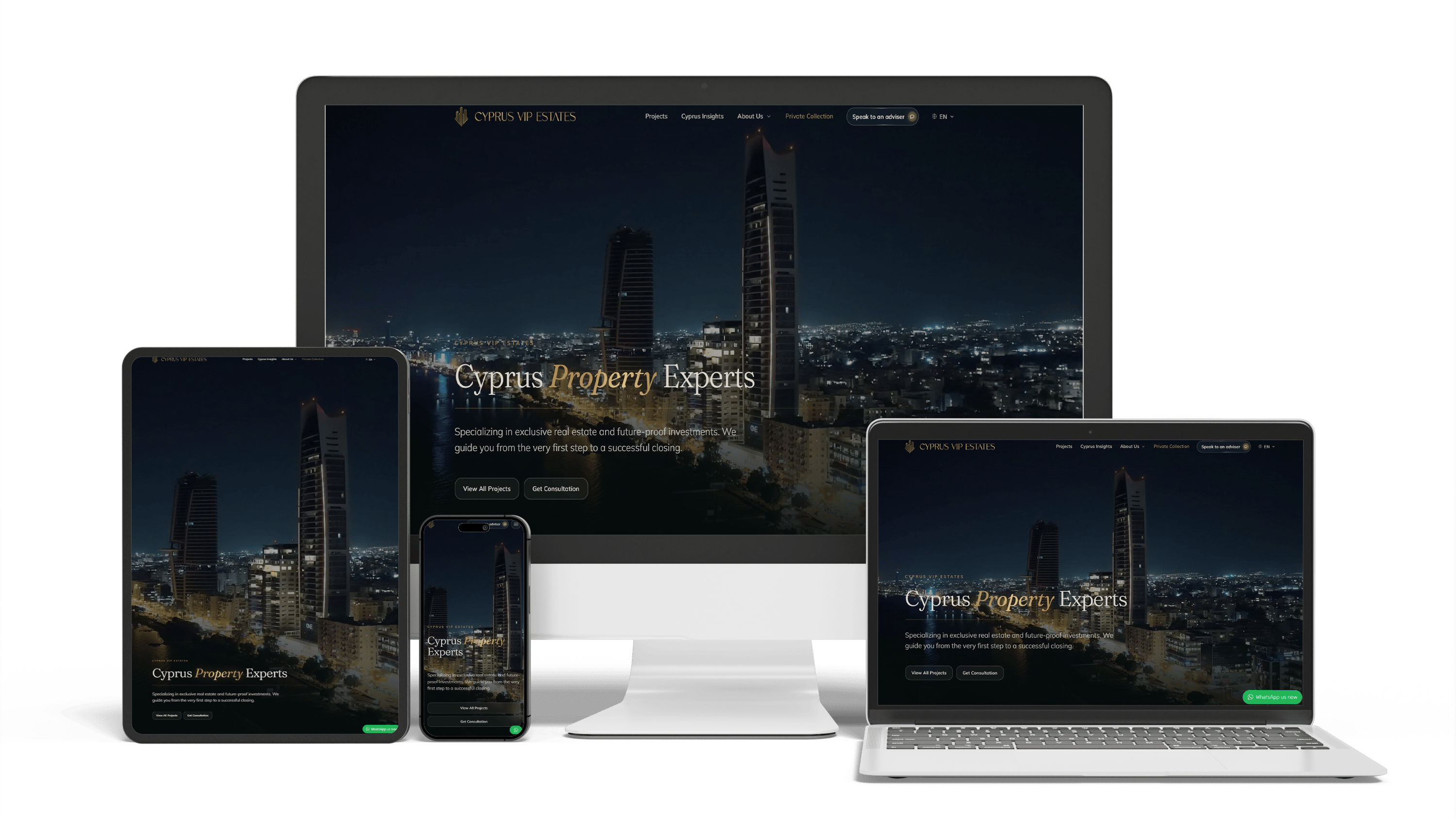
Multilingual real estate platform in Cyprus: SEO and GEO without bought links
16× faster editingTraffic from ChatGPTLeads via WhatsApp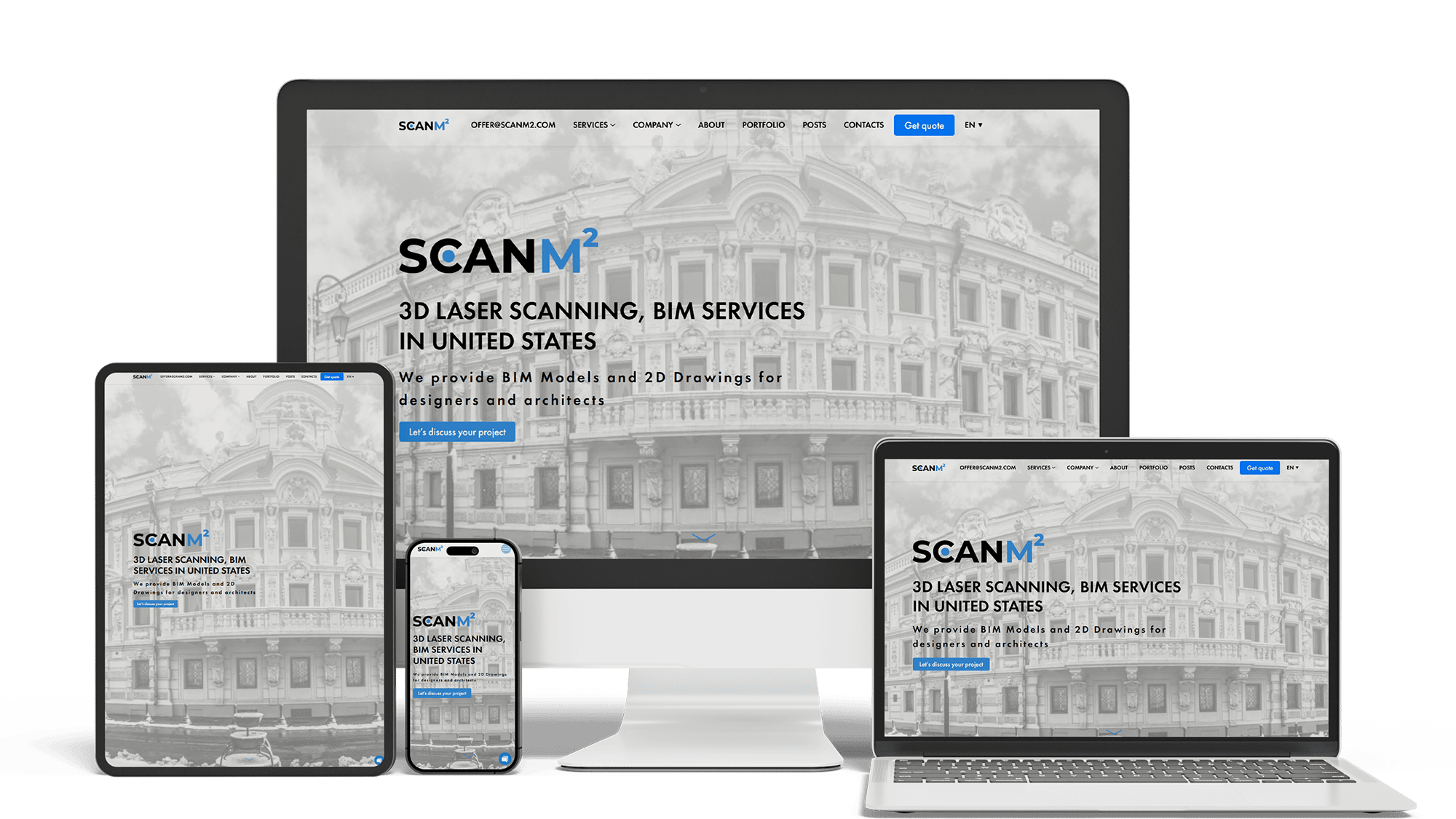
Architecture Website Rebuild and SEO
29× organic trafficLoads in under 1 sTop 3 in Poland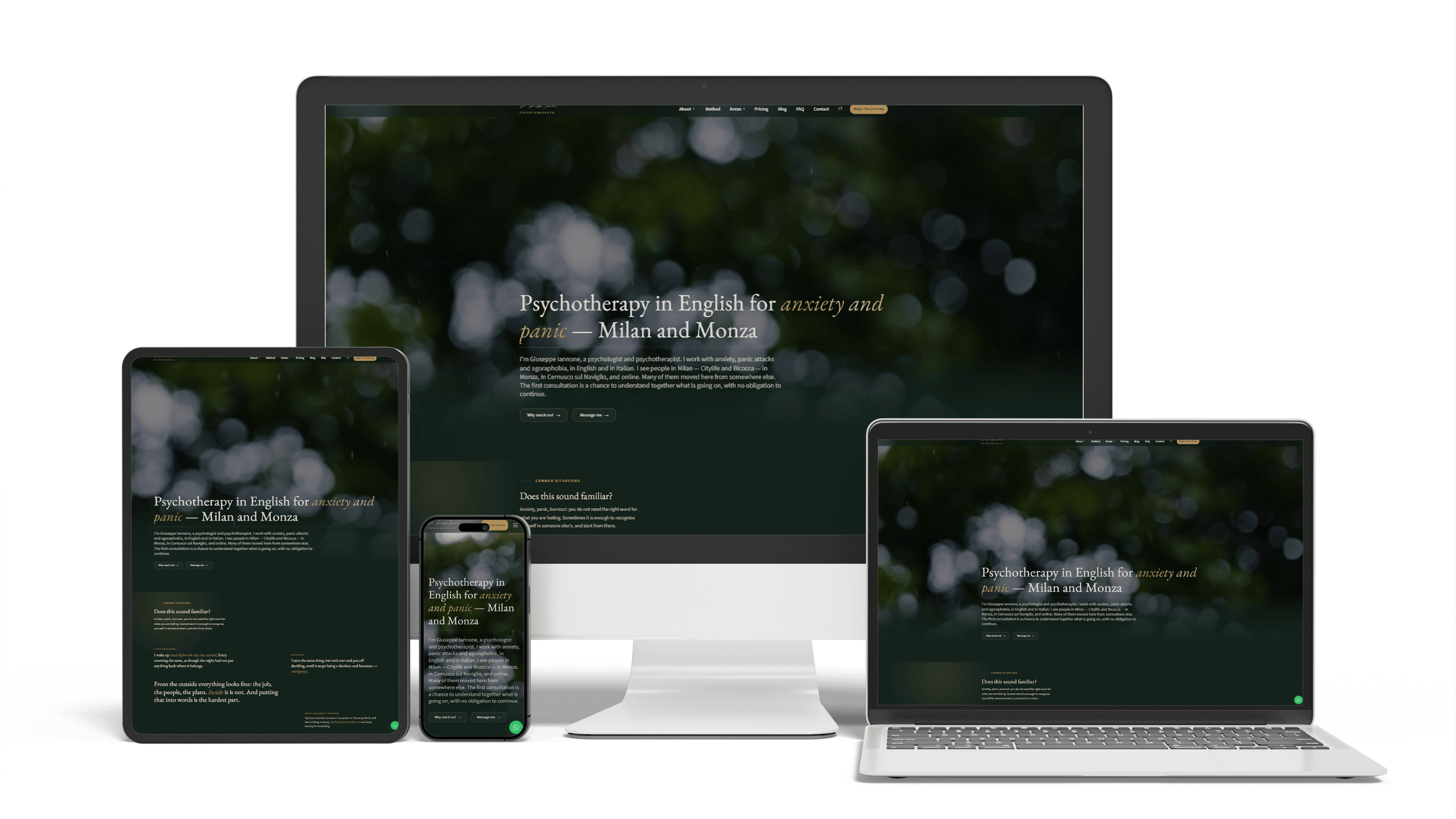
Bilingual psychotherapist website in Italy
468 of 468 posts moved2 languagesSeen in ChatGPT answers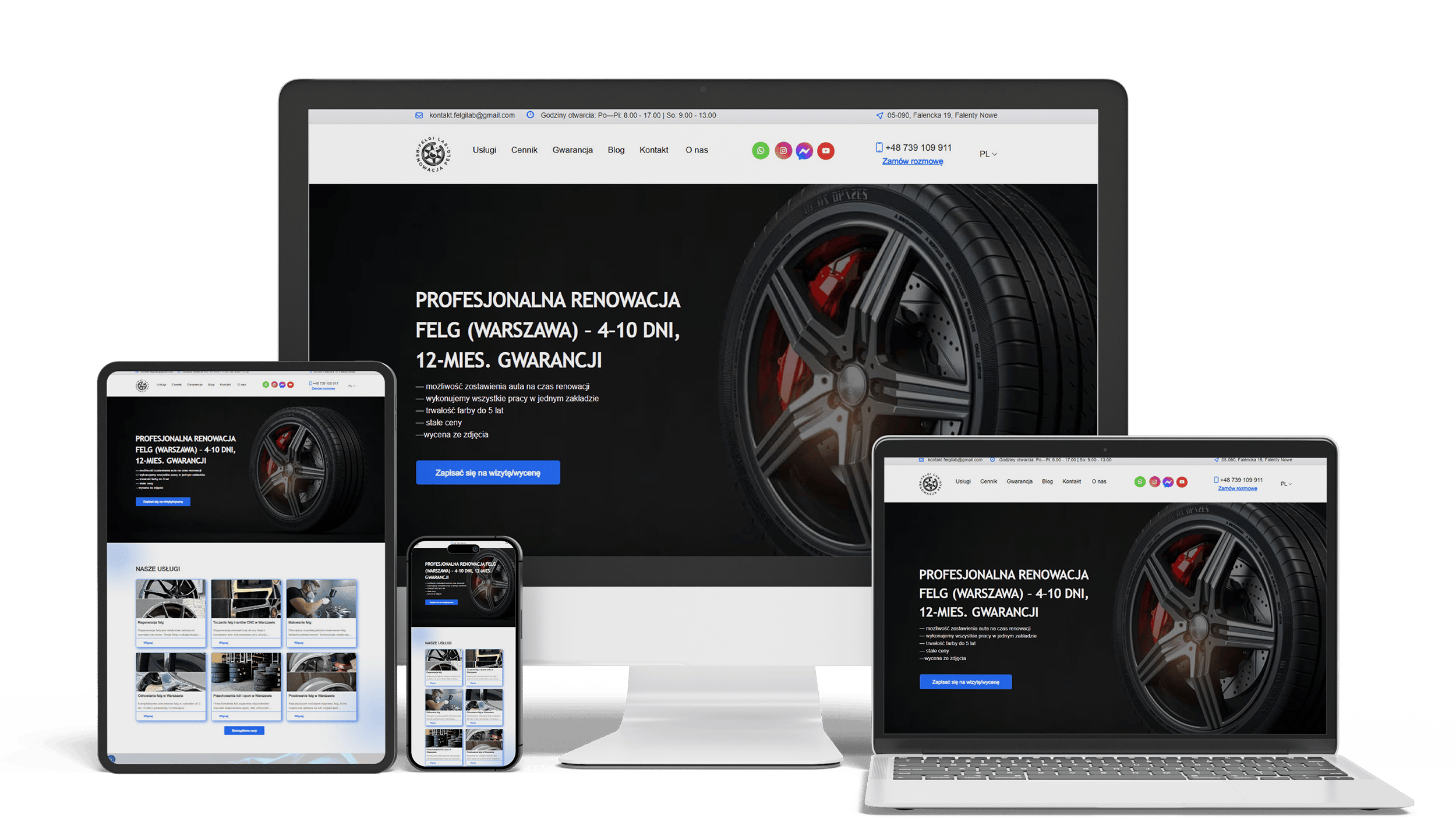
Auto Repair SEO & UX Boost
Performance 90++10% organic trafficLeads from forms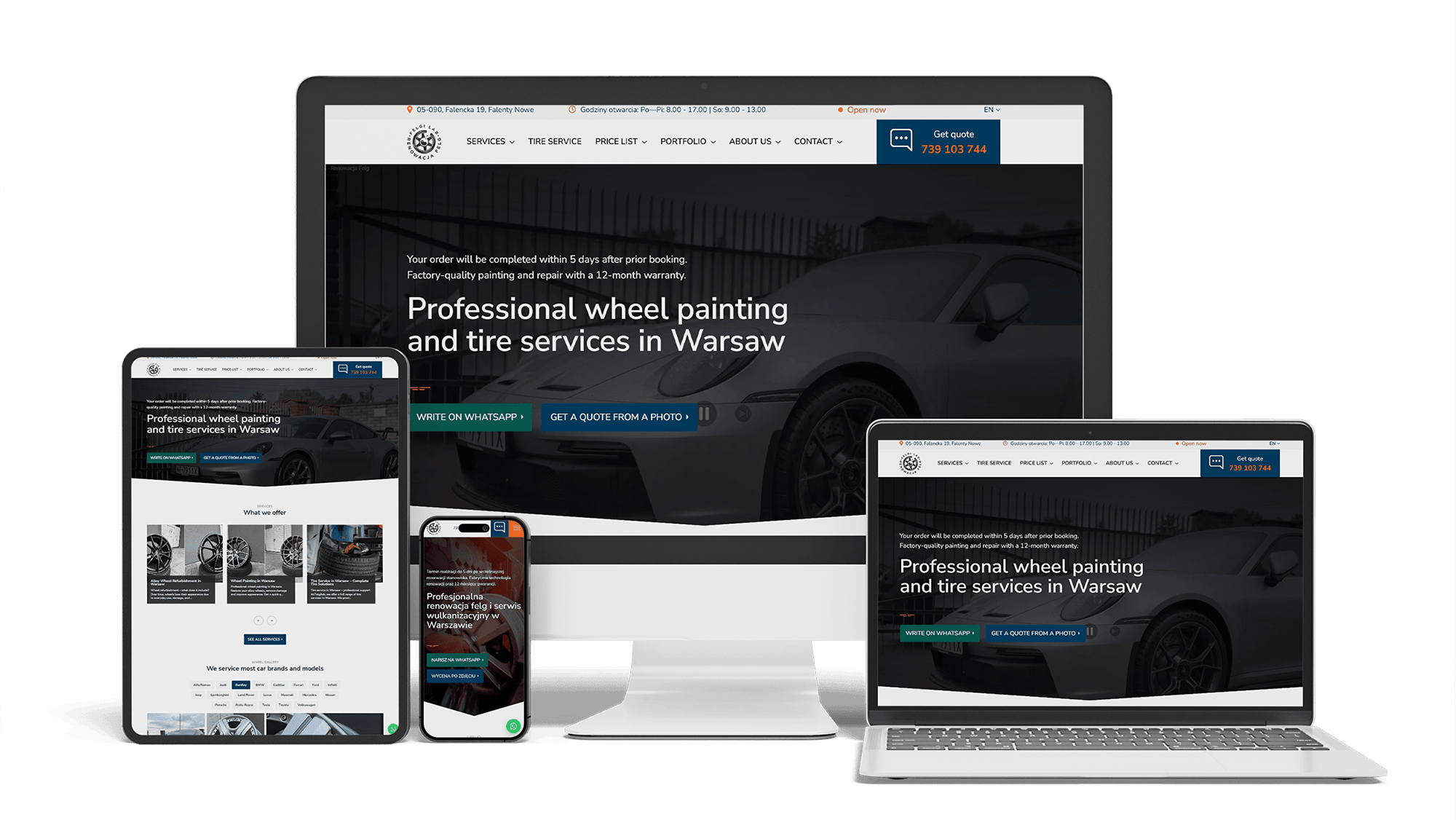
Full WordPress Rebuild for a Car Rim Restoration Company
92/91/96/100Photo quote formLocalBusiness markup
Get a quote for SEO for your catering company
I reply within one business day with the first fixes I would make on your catering site and map listing, and a fixed price.
I do SEO for catering companies: the work that puts your business in front of the office manager who searches for corporate catering in your city, the couple comparing wedding caterers a year before the date and the planner who needs lunch for two hundred at a conference venue. People shortlist three or four caterers and send several quote requests, so search decides who makes that shortlist. Because I build websites too, whatever the audit finds I change in the code myself, without an account manager in between.
Catering searches split by who is buying and what for, and each group needs its own page:
- corporate and office — “corporate catering [city]”, “office lunch catering”, “boxed lunches for a meeting”, “breakfast catering for 50 people”
- weddings and private events — “wedding catering [city]”, “rehearsal dinner catering”, “graduation party catering”, “BBQ catering for a backyard party”
- format and diet — “drop-off catering”, “buffet catering”, “food stations”, “halal catering”, “vegan catering for an event”
- cost — “catering price per person”, “how much is catering for 100 guests”
My first step is the search data for your city and the towns around it. Corporate searches are usually fewer than wedding searches, but they bring repeat orders; wedding searches often rise after the winter holidays, when newly engaged couples start booking. The data shows which group to start with in your market.
A single “Services” page that lists weddings, conferences and birthdays in one paragraph ranks poorly for each of them. Each event type gets a page written for the person who books it:
- corporate events — conferences, product launches, holiday parties: the headcounts you handle, service styles, staff and equipment, how far ahead to book
- office lunch — daily or weekly drop-off, individually labeled boxes, the order cutoff the day before and how a company sets up a standing order
- weddings — sample menus, tastings, whether you cook on site or bring food from your kitchen, what the price per guest includes
- private parties — birthdays, graduations and anniversaries at home or in a rented hall, with the smallest order you accept
Each page carries photos from real events of that type, a sample menu and the questions people ask before booking, so the planner who reads it writes with a date and a headcount already decided.
A caterer has no dining room, so people search by where the event will happen: “catering in [suburb]”, “caterers near [venue name]”. Service-area pages answer those searches when they describe places you really serve and say something specific about each one:
- the delivery fee or travel minimum for that area, and how much notice you need
- venues there where you have catered — event halls, wineries, office parks, community centers — with what you know about their kitchens, load-in times and house rules
- photos from events in that area, published with the client’s permission
Venue pages tend to work especially well. A couple that has just booked a venue searches for “caterers at [venue]”, and few caterers have a page that answers it. A new town or venue gets its own page once you have events and photos to show there; until then a single list of the areas you serve is enough.
Corporate buyers search differently from couples. An office manager has a budget, a headcount and a meeting tomorrow at noon; an event planner has a brief and three caterers to compare. Both look for signs that you can serve a business without surprises:
- a page for recurring office catering — weekly lunches, breakfast meetings, how standing orders and monthly invoicing work
- clear labeling of each meal and allergen information on request, which HR and facility teams ask about
- case pages or client names only where the client agreed to be named
- short answers to procurement questions: insurance, food safety certificates, payment terms, the paperwork you send
The volume of these searches is small, but a company that likes your Tuesday lunches rarely switches caterers, so each of these pages is worth more than its traffic suggests.
Search for office catering in a large US city and the top results often belong to marketplaces: ezCater, the catering sections of delivery apps and local ordering platforms. They bring orders from companies that already buy there, and many caterers keep their menus listed. The price is a commission on each order, a listing next to dozens of competitors sorted by price and rating, and a client relationship that stays with the platform: the office manager remembers the marketplace, not your company.
SEO builds a second channel next to it — pages that rank for your event types and areas, and a Google listing under your real name, so repeat clients come to you directly. My reports keep direct inquiries and marketplace orders in separate columns, so you can watch the share change and decide later which listings are worth keeping.
Many caterers work from a commercial kitchen that clients never visit. Google lets such businesses hide the street address and show a service area instead, and the profile can still appear for “caterer near me”. For a catering profile the work is concrete:
- “Caterer” as the primary category, and the event types you serve listed as services
- a service area that matches where you really go, not the whole state
- photos from real events — the buffet before guests arrive, boxed lunches packed for delivery, your team at work — added after each larger job
- a review request sent the day after the event to the person who booked, asking them to mention the type of event and the venue
The rest of the map work — citations in other directories, duplicate listings, service areas — is described on the local SEO services page.
Catering demand follows the calendar, and a page needs weeks to be crawled and to climb, so the work runs ahead of the bookings:
- late summer and early fall — holiday party pages refreshed with this year’s menus, because companies book December events early
- winter — wedding pages updated with new menus and tasting dates while couples plan the next season
- early spring — graduation parties, corporate picnics and summer events
- January and September — office lunch pages, when companies return to routines and set new budgets
During its season a page is linked from the home page; afterwards it stays live, so the photos and reviews from this year’s holiday parties help sell next year’s.
Planners increasingly type their questions into ChatGPT, Perplexity or Google’s AI Overviews: “who does corporate catering in [city] for 150 people”, “which caterers near [venue] offer halal menus” or “how much should I budget for wedding catering for 120 guests”. The answers are put together from pages the assistant can read and compare with other sources; the work of getting into them is called GEO (generative engine optimization) or AEO (answer engine optimization). For a caterer it rests on four things:
- headcounts, service area, lead time and price-per-person ranges written as plain sentences
- event-type pages that answer planning questions directly, signed by the owner or the chef
- structured data that describes the business, its services and the area it serves
- the same name, phone number and service area on the site, on Google, in wedding directories and on marketplaces
I record what assistants say about your company and which caterers they suggest instead, at the start and again a few months later. The service itself has its own page: the AI SEO and GEO optimization page.
A good month in catering is counted in booked events, not in positions. Reports show quote requests that came from search, calls and messages from the map listing, which event-type and area pages brought them, the date and headcount of each inquiry, and how many of them became booked events. The booking figures come from your inbox, CRM or catering software, so they match your calendar.
- An audit of the catering website, the Google Business Profile and the caterers you compete with locally: from 250 €, paid once, with a list of fixes in order of impact.
- One-off work — event-type and service-area pages, menu and pricing pages, structured data and a profile clean-up: 250–700 €.
- Monthly SEO for a catering company — pages prepared before each season, the map listing, review requests, AI visibility and a report in booked events: from 800 € per month.
If the website itself needs a quote form, deposits or online ordering for office lunches, the catering website design page explains how I build it. A restaurant with a dining room is searched for differently, by guests looking for a table tonight; that work is on the restaurant SEO page. The monthly process is explained on the SEO optimization and strategy page; all prices are listed on the pricing page.
Catering SEO: frequently asked questions
Order catering SEO: what to send me
Send your company name, the links to your website and Google Maps listing, the cities and venues you serve, the events you want more of — corporate, office lunches, weddings, private parties — and whether you take orders through ezCater or another marketplace. I reply with what I would do first and a fixed price. Use the form above or write on WhatsApp.
