


Hotel Website Design
I design and build hotel websites for independent and boutique hotels, guest houses and small hotel groups: a photo-led first screen, a booking bar that stays in reach on a phone, room pages guests can compare and a clear reason to book direct.
- Design + build, one price
- From 700 €
- Reply within one business day
What you get with hotel website design
- A first screen led by your best photographThe stay, not the facade, loaded fast on a phone
- A booking bar for dates and guests on every pageFixed on phones, handing dates to your booking engine
- A book-direct reason beside the booking barRate, perks and flexibility you choose to offer
- Room-type pages guests can compareSize, beds, view, bathroom and photos side by side
- Location, restaurant, spa and eventsEach section with its own visitor and its own action
- Readable by Google and AI assistantsRooms, amenities and location as text and structured data
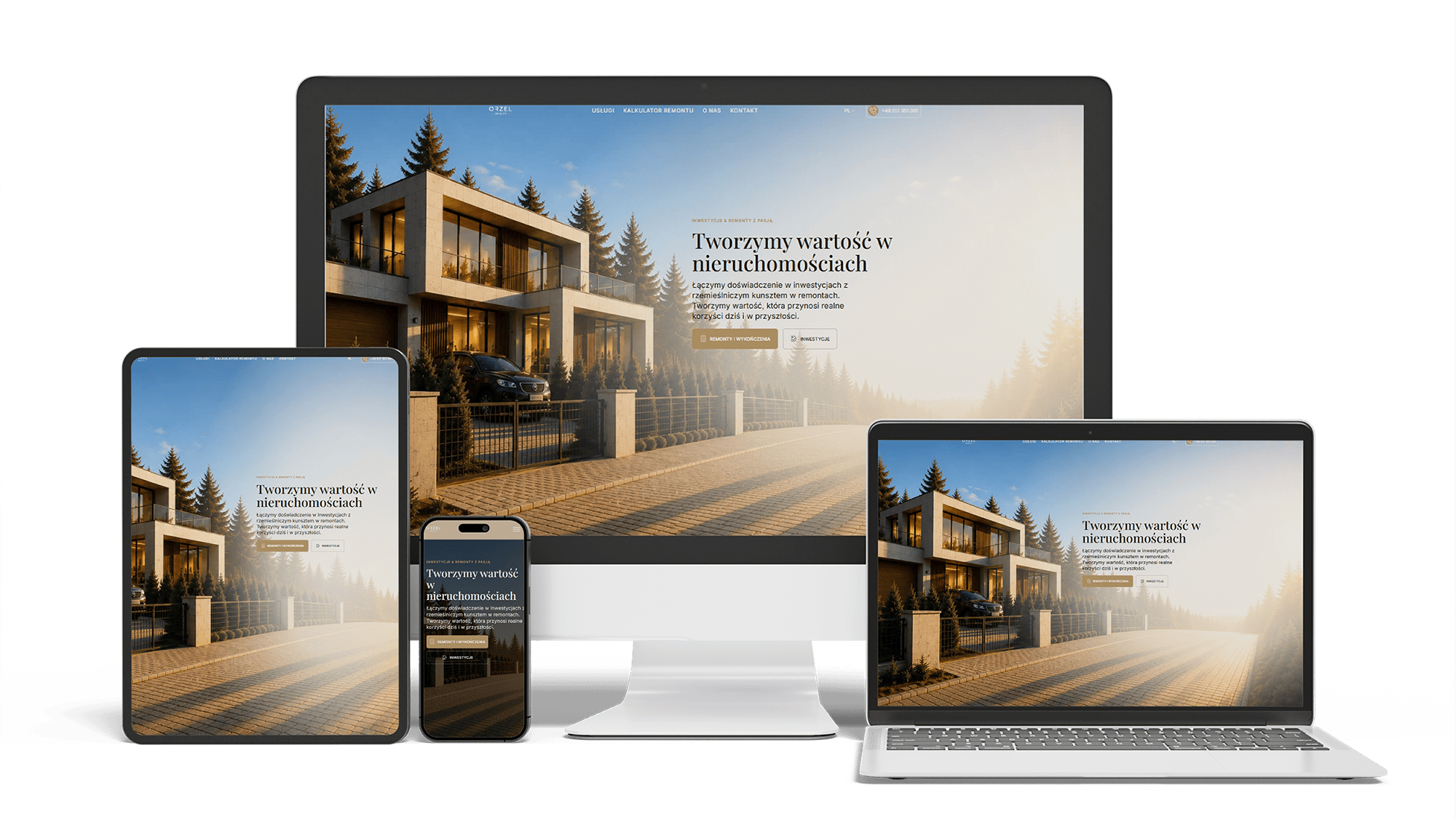
Renovation and investment website with a premium feel and 96/98/100/100 performance
96/98/100/100Design system2 languages
Full Multilingual Website Development & SEO for Student Services
+5,930 clicks in 6 months359k impressionsTeam edits it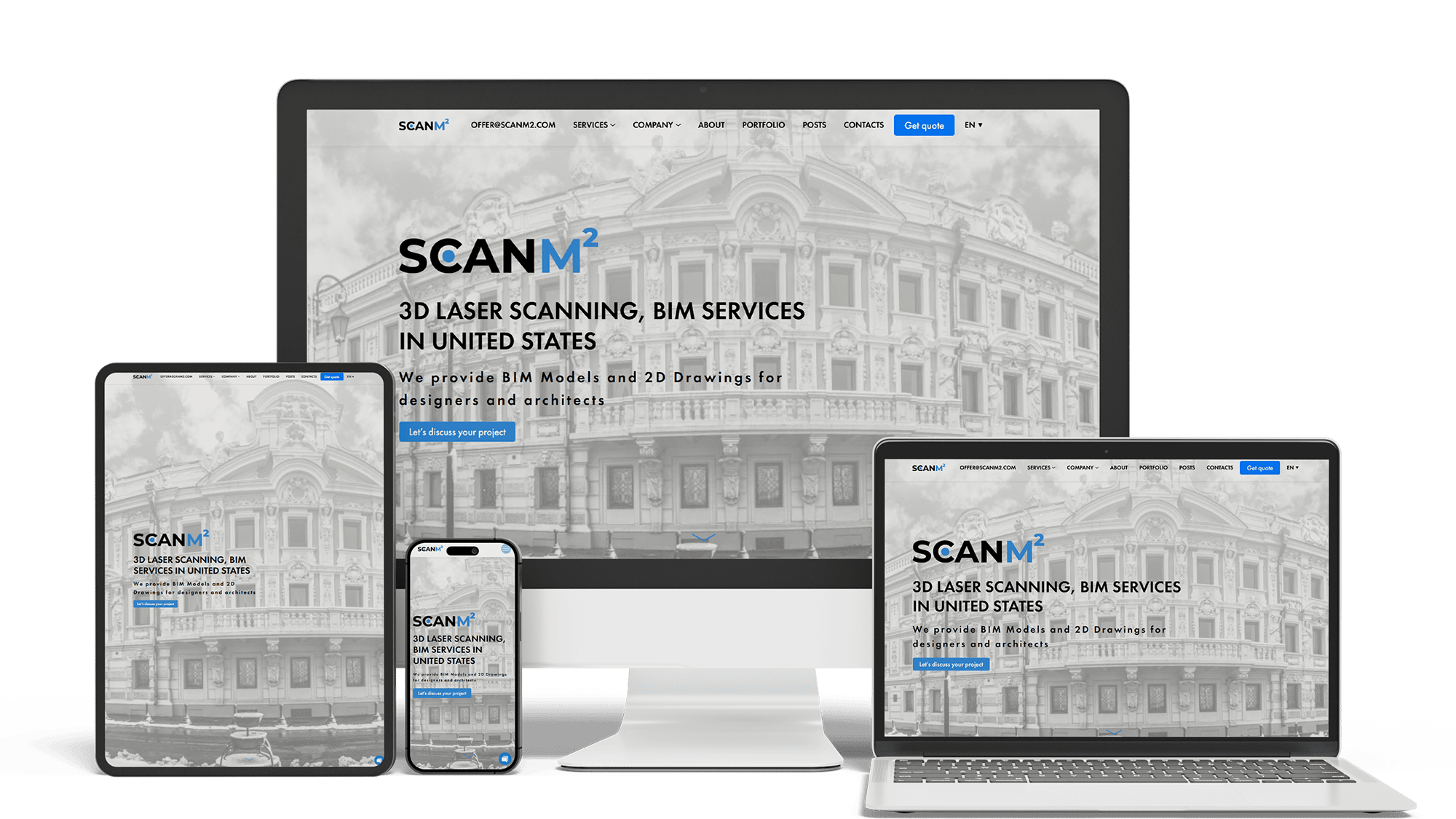
Architecture Website Rebuild and SEO
29× organic trafficLoads in under 1 sTop 3 in Poland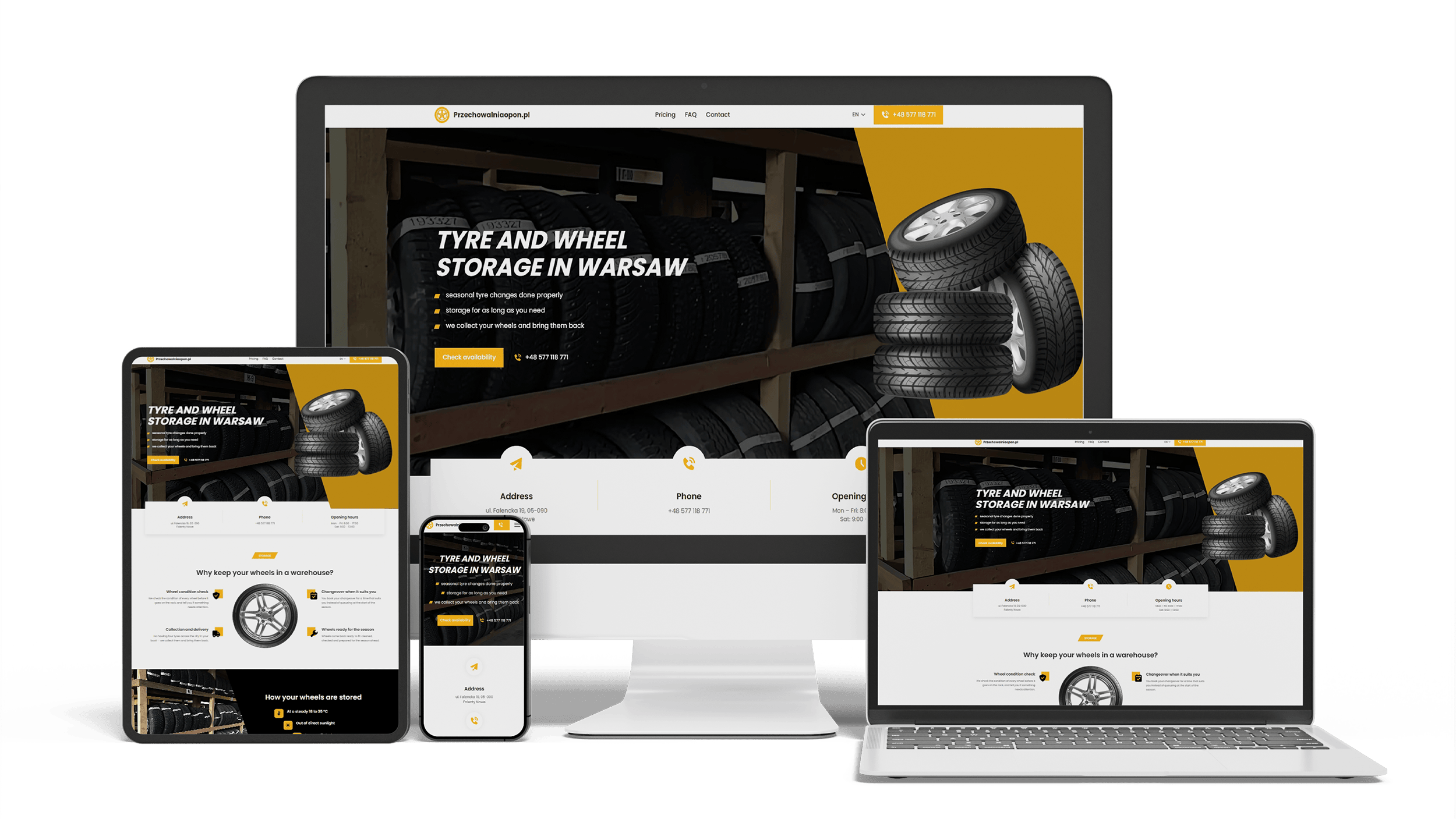
A multilingual landing page for a wheel and tyre storage business
100/95/100/1003 languagesClient edits it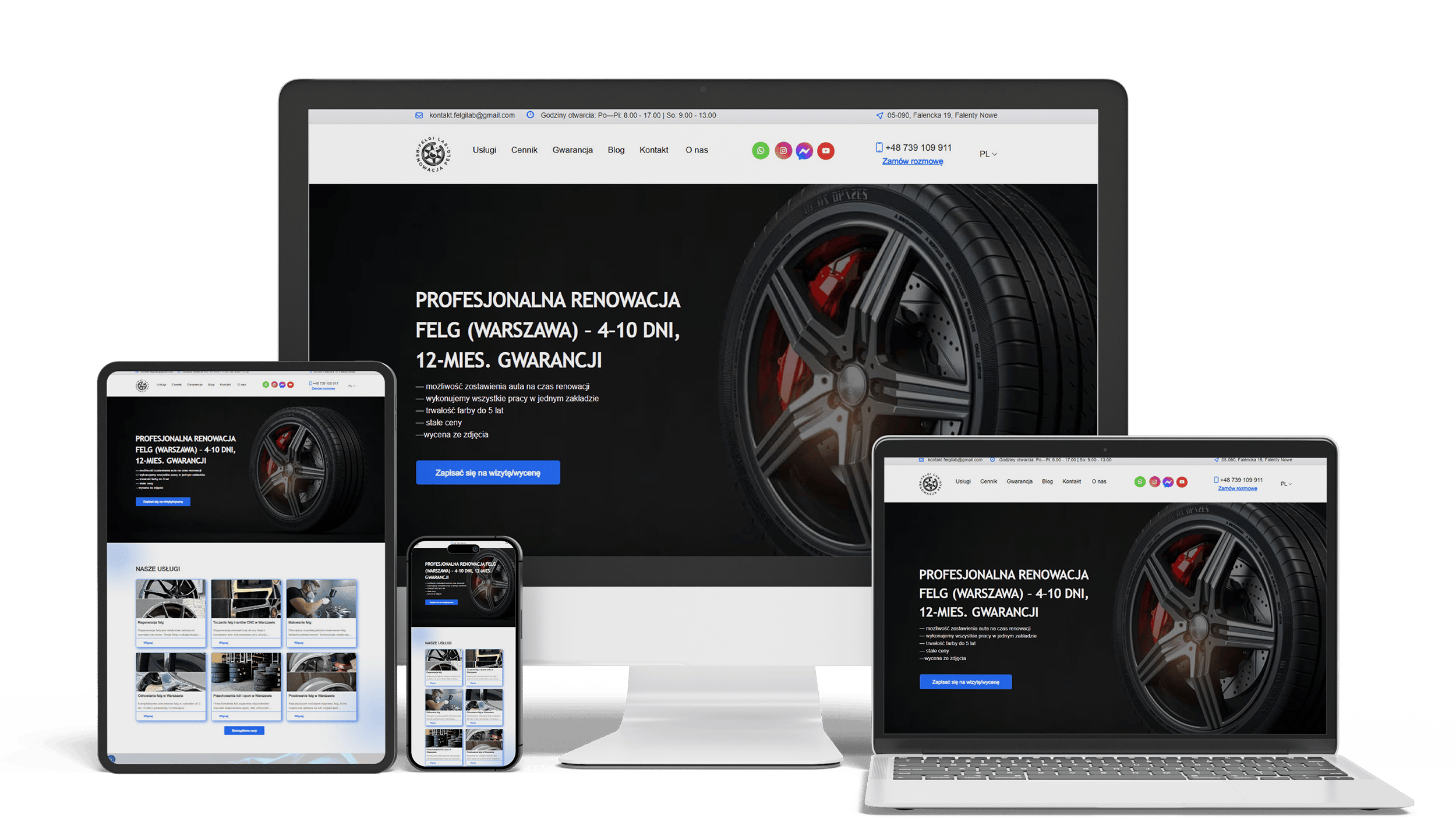
Auto Repair SEO & UX Boost
Performance 90++10% organic trafficLeads from forms
Get a quote for your hotel website design
I reply within one business day with a proposed first screen, a room page and a rooms overview for a phone, and a fixed price.
I design hotel websites for independent and boutique hotels, guest houses and small hotel groups, and I build them myself, so the design and the build come from one person at one price. A guest who opens a hotel’s own site has usually seen it on Booking.com, Expedia or Google Hotels already, and asks two things: does the place look as good as the listing promised, and is it worth booking here rather than on the platform. The design answers both within seconds on a phone.
Most hotel visits begin on a phone. The first screen carries four things:
- one strong photograph of what the stay feels like — the view from a room, the terrace at dusk, the breakfast table — rather than a wide shot of the facade
- the hotel name, the town and one line on what kind of place it is
- a booking bar with check-in, check-out and guests, visible without scrolling
- a short reason to book on this site, right next to the bar
On a phone the booking bar folds into one button fixed at the bottom of the screen; a tap opens dates and guests, and the chosen dates are passed to your booking engine so the guest does not type them twice.
How the booking engine is connected, and how rooms and rates are managed behind the site, is covered on the hotel website development page.
Large hotel photos that still load fast on a phone
Hotels sell with pictures, and pictures make hotel sites slow. The design plans for weight from the start: modern image formats at the size each screen needs, the first photo loaded first and the rest as the guest scrolls, short muted video with a still frame until it plays, and galleries that open on tap. Speed is measured with Google’s Core Web Vitals on an average phone, not on an office laptop.
Online travel agencies charge hotels a commission on each booking — typically somewhere in the 15–25% range on the major platforms, depending on contract and market. A guest needs a reason to book on your site, given at the moment of decision, so the design keeps a permanent space beside the booking bar for it:
- the best available rate when booking direct, if your agreements allow you to say so
- perks that cost little and matter to guests: breakfast, late checkout, parking, a room upgrade when available, flexible cancellation
- the benefit of dealing with the hotel itself: special requests go straight to reception
What you may offer compared with the platforms depends on your country and OTA contracts; I design the space, you decide what goes in it. Beside it sit the signs guests check before paying: your Google or TripAdvisor score with a few recent reviews quoted as text, awards you actually hold, and a line saying payment is handled securely by your booking engine.
A guest choosing between a classic double and a junior suite wants the difference at a glance. Every room type gets its own page in one layout, and a rooms overview puts them side by side:
- size, bed type and maximum occupancy
- view and floor, said plainly — “courtyard side, quiet” is useful information
- the bathroom: shower or bath, and what is in it
- four to eight photos of that room type, one of them of the bathroom
- a “from” price where your booking engine can supply it, and a button that opens this room for the chosen dates
On a desktop the overview is a comparison table; on a phone, cards the guest swipes through. Clear differences mean fewer calls to reception.
A luxury hotel website or a boutique hotel website sells what a room list cannot: the character of the place. The design gives that story room:
- a short sequence after the first screen — the building, the people, the details — in photographs with one sentence each
- the owner’s or the chef’s voice where it is real, in a few lines rather than a mission statement
- type, space and restraint doing the work of “luxury”, instead of gold gradients and script fonts
The story must not bury the facts: a guest paying a high rate still wants check-in time, parking and the transfer in one tap. Boutique hotels with ten or twenty rooms gain most, because the story is what separates them from the chain hotel nearby, and what OTA listings show least.
“Where exactly is it?” decides many bookings. The location section shows:
- a map with the hotel pinned, loaded only when the guest opens it so it does not slow the page
- walking or driving times to the old town, the beach, the station or the airport
- how to arrive: parking, public transport, transfers and what to do when arriving late
- a few places your staff actually recommend
Address and directions are written as text and match the hotel’s Google Business Profile, so guests and search engines read the same details.
Many hotels earn a large share of revenue outside the rooms, and each area gets a section designed for its own visitor:
- restaurant and bar: the menu as text, opening hours, table booking, and a clear note on whether non-residents are welcome
- spa: treatments with duration and price, hours for hotel guests and for day visitors, and a way to book
- meetings, weddings and events: capacities, floor plans, photos of real events and an inquiry form asking for date, guest count and type of event
These pages lead to their own action, not to the room booking bar. A hotel restaurant with its own name and following may deserve a separate site; restaurant website design covers that case.
The language switcher sits in the header of every page, lists language names rather than flags and keeps the guest on the same page after switching. Rooms are charged in the hotel’s currency; if your booking engine can show an estimate in the guest’s currency, the design labels it as an estimate and names the currency the card will be charged in.
Accessibility has two sides. The site follows the WCAG guidelines: readable text, enough contrast, a date picker that works with a keyboard and a screen reader. And guests with reduced mobility need facts, not a wheelchair icon: step-free entrance, lift, door widths, roll-in shower, which rooms are adapted — on an accessibility page and on each adapted room page.
Travelers increasingly ask ChatGPT, Perplexity or Google’s AI Overviews where to stay: “a hotel with a spa and sea-view rooms, good for a long weekend”. Assistants answer from what they can read and verify. Room sizes, amenities and check-in times inside images and sliders are hidden from them; the same facts as text, with Hotel structured data and details that match your Google Business Profile and OTA listings, can be read and repeated.
Becoming a source for those answers takes ongoing work, described on the AI SEO and GEO optimization page. Being found in Google search, on the map and in Google Hotels is covered on the hotel SEO page.
Hotel website design templates and website templates for hotels look convincing in a demo full of professional photos and invented suites. A website builder for hotels, including those bundled with some booking engines and property-management systems, adds a working link to rates and availability. With a real hotel’s content the limits show: rooms that cannot be compared, one layout for restaurant and spa, a booking bar you cannot move and little control over image weight or language versions.
A template or builder is a fair start for a small guest house that sells mainly through OTAs. A custom design pays off when the site must win direct bookings: a boutique or luxury property, a restaurant, spa or events, several languages, or a small group where guests choose the hotel first and the room second.
Awwwards, Dribbble and Behance are full of hotel website design ideas, and many admired concepts never had to take a real booking. What the best website design for hotels shares is less dramatic:
- a photograph that shows the stay, not the building
- dates and guests one tap away on every page
- a stated reason to book direct, close to the booking bar
- room pages that let guests compare
- the location explained in minutes on foot and by car
- pages that open quickly on a phone despite large images
Hotel website design companies range from booking-engine vendors that bundle a website, to hospitality agencies with their own templates, to independent developers like me. Questions to ask any hotel website design agency:
- Who owns the site, the domain and the content if we change booking engine or stop working together?
- Can we move the booking bar and the book-direct offer, or only change colors?
- How fast does the home page load on a phone — measured, not promised?
I work alone, not as an agency, and none of my published projects is a hotel. The process:
- Brief: room types, facilities, photos, languages and your booking engine.
- Phone layouts of the first screen, a room page and the rooms overview, agreed with you.
- The rest of the site in the same system, built by me.
If you already have a site and want a new design without losing your Google positions, the website redesign process keeps addresses and redirects in place.
Design is not sold separately; it is part of building the site, and the price covers both.
- A simple hotel website — home, rooms, location, contact and a link to your booking engine: 700–1,400 €.
- A hotel website with room-type pages and comparison, a booking bar on every page, restaurant, spa and event sections, language versions and image speed work: from 2,000 €.
Send a short description of the hotel and I will prepare a fixed quote. Owners and managers of holiday homes and apartments will find their version on the vacation rental website design page; full price ranges are on the pricing page.
A smaller property run by its owners — a few rooms and breakfast — is covered on the bed and breakfast website design page.
Hotel website design: frequently asked questions
Order hotel website design: what to send me
Send the hotel name, a link to the current website or your OTA listing, the room types, the facilities such as restaurant, spa or meeting rooms, the languages your guests speak and the booking engine you use. A selection of your best photos helps me show you a first screen that looks like your hotel. I will reply with a proposed layout and a fixed price. Use the form above or write on WhatsApp.
