


B2B SEO Services
I provide B2B SEO services for manufacturers, distributors, wholesalers and IT companies: industry and use-case pages, product and spec pages, language versions for export markets and visibility in AI answers, measured in qualified enquiries rather than traffic.
- Search + AI vendor shortlists
- Audit from 250 €
- Reply within one business day
What you get with SEO services for B2B companies
- Keywords from your sales team, checked in dataLow-volume searches that come from real buyers
- Pages per industry and per use caseWritten with your engineers, not from a template
- Product and spec pages that rankSpecifications as text, datasheets, a quote request
- Language versions for export marketsResearch per country, versions linked with hreflang
- On AI vendor shortlistsFacts ChatGPT and AI Overviews can quote
- Enquiries traced into your CRMReported in leads and opportunities, not visits

Full Multilingual Website Development & SEO for Student Services
+5,930 clicks in 6 months359k impressionsTeam edits it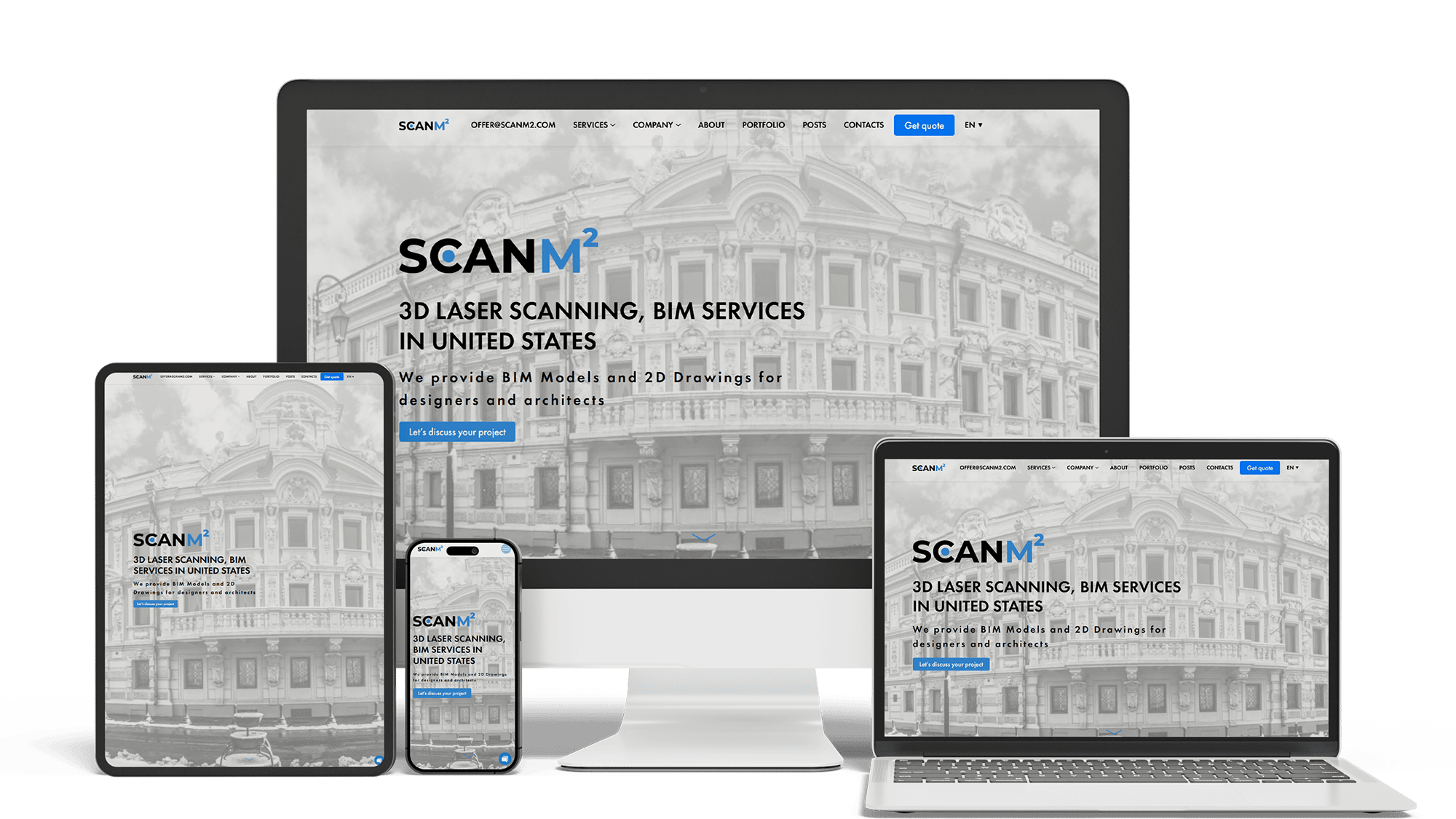
Architecture Website Rebuild and SEO
29× organic trafficLoads in under 1 sTop 3 in Poland
Renovation and investment website with a premium feel and 96/98/100/100 performance
96/98/100/100Design system2 languages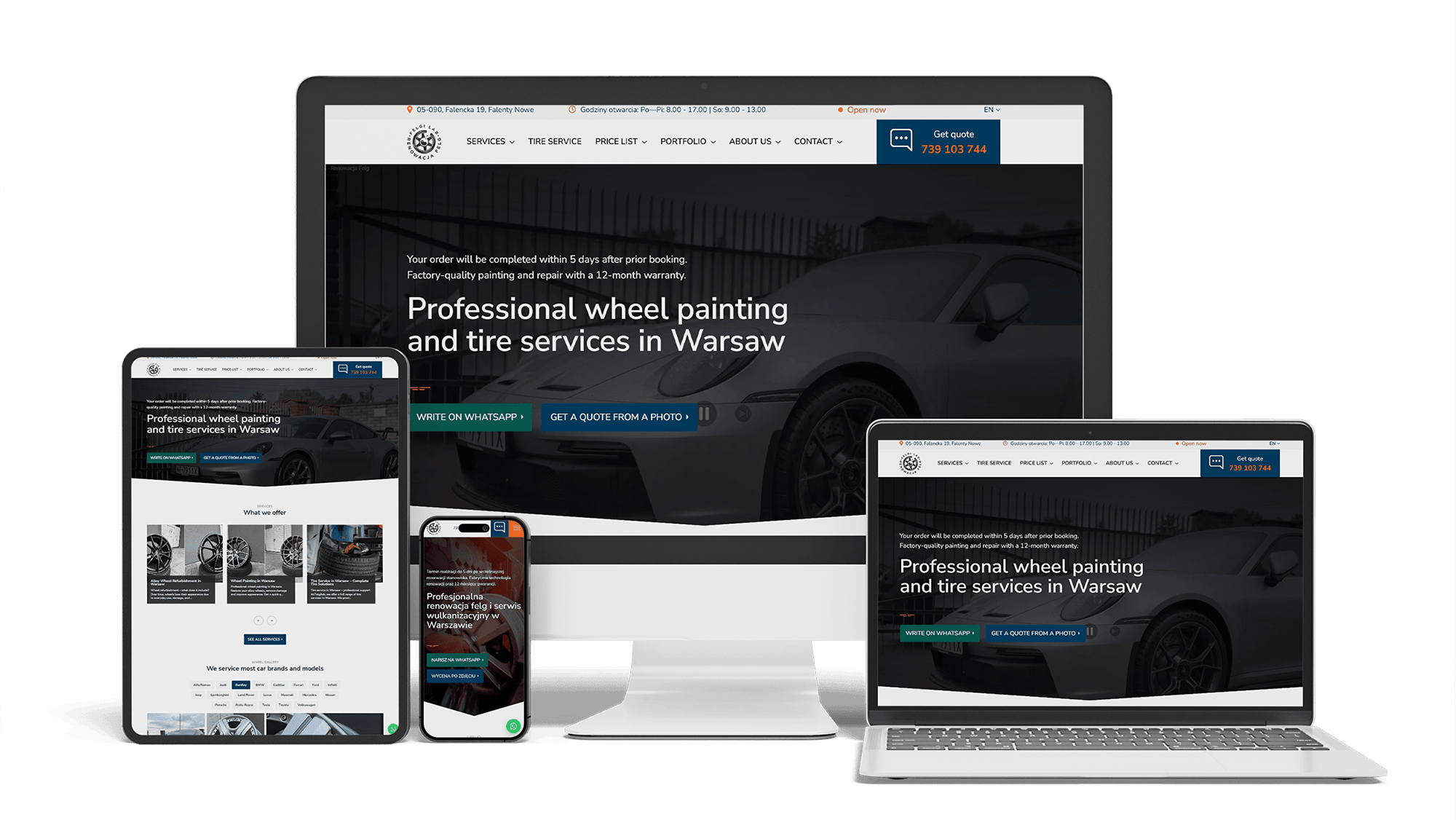
Full WordPress Rebuild for a Car Rim Restoration Company
92/91/96/100Photo quote formLocalBusiness markup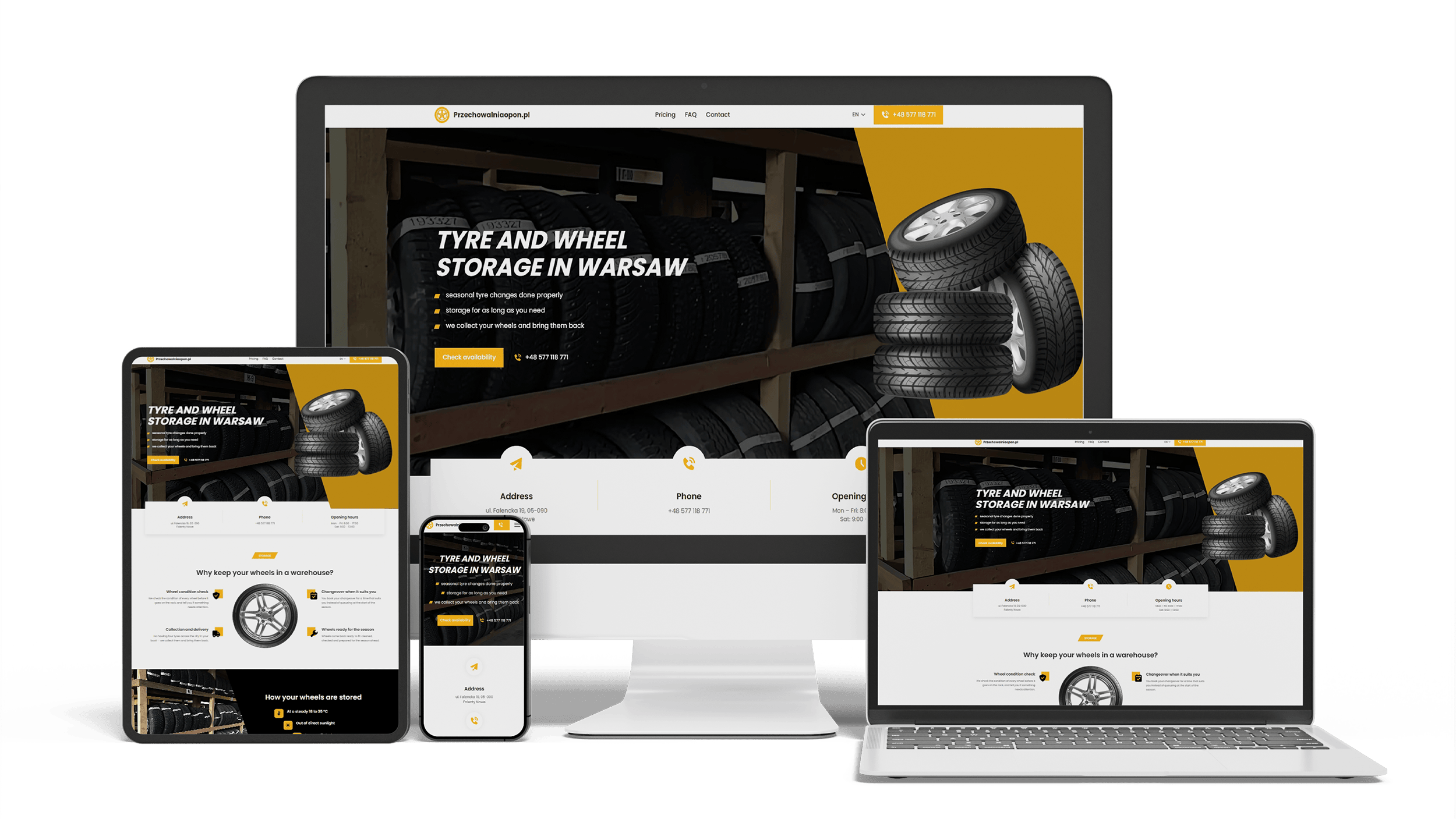
A multilingual landing page for a wheel and tyre storage business
100/95/100/1003 languagesClient edits it
Get a quote for SEO for your B2B company
I reply within one business day with what I would fix first on your site and in your lead tracking, and a fixed price.
I provide B2B SEO services for companies that sell to other businesses — manufacturers, distributors, wholesalers, software and IT service firms. I do the work myself, as a single consultant who also builds websites. The measure is simple: how many relevant companies find you in search and AI answers and ask for a quote, a sample or a demo.
B2B SEO uses the same tools as any other SEO — keyword research, pages, technical fixes, links — but aims at a different result. A consumer shop can win on volume: thousands of visits, a small share buying. A B2B company may need ten good enquiries a month, and one signed contract can pay for a year of work. That changes three questions:
- who searches: an engineer looking for a part, a procurement manager comparing suppliers, an operations lead looking for software
- what they type: the problem, the specification, the application or the certificate — rarely the name of your company category
- what counts as a result: a request for a quote, a sample, a demo or a call with sales, from a company that fits your customer profile
Traffic that never reaches a conversation with sales is not a result, and I do not report it as one.
Most keyword tools show zeros for B2B. “Hygienic stainless valve DN50”, “private label cosmetics manufacturer EU”, “WMS for a 3PL warehouse” may have ten searches a month or no measured volume at all. These are often the best phrases a B2B company has: the person typing them knows exactly what they need.
So keyword research starts with your sales team rather than a tool:
- the words customers use in RFQs, emails and calls, which often differ from your catalog names
- the problems buyers describe before they know which product solves them
- the standards, materials, part numbers and certificates they filter by
- the competitors and alternatives they compare you with
Then I check those phrases in search data, look at what the results show — suppliers, marketplaces, directories, guides — and choose the ones where a page of yours can rank and lead to an enquiry.
A B2B purchase is rarely decided by one person. An engineer checks that the product fits, procurement compares prices and terms, a manager signs off on the risk, sometimes finance or IT checks details. The cycle takes weeks or many months, and each person searches for different things at different moments. The SEO plan gives each of them a page to land on:
- the engineer or specialist: specifications, tolerances, compatibility, installation, documentation
- procurement: minimum order, lead times, delivery terms, certificates, how to request a quote
- the decision-maker: case studies, references, how quality and risk are handled, who runs the company
- everyone, early on: guides that explain the problem and the ways to solve it
Each page links to the next step, so a visitor who arrives on a guide reaches the spec page, and a visitor on the spec page reaches the quote form.
Buyers search by their own industry and task: “packaging film for frozen food”, “CRM for freight forwarders”, “antistatic flooring for electronics assembly”. A site organized only by your product categories misses these searches. Two page types fill the gap:
- industry pages — one for each sector you serve, with its requirements, standards, typical problems and the products or services that fit
- use-case or application pages — one for each task the product solves, with the conditions, the results you can document and a clear next step
These pages work only when they carry real industry knowledge: the terms, the regulations, the objections a buyer from that sector raises. A template with the industry name swapped is filtered out by Google and ignored by buyers. I build them from short interviews with your sales and technical people, so the content holds details competitors cannot copy.
For manufacturers and distributors, the product page is where most qualified searches land, and many catalogs lose that traffic:
- specifications live only inside PDFs, so the page itself has no text to rank
- thousands of filter combinations create duplicate addresses that waste crawling
- product names are internal codes nobody searches for
- the page ends without a way to ask for a price, a sample or a drawing
A product page that ranks has the key specifications as text, a short description in the buyer’s words, downloadable datasheets, product structured data and a quote request on the page. Case studies and comparison pages — your material against an alternative, your service against doing it in-house — help at the comparison stage, as long as every claim can be backed up.
How a manufacturer’s site is built around catalogs and quote requests is covered on the manufacturing company website page; the design side is on the B2B website design page.
A manufacturer in Poland selling to Germany, a distributor in Cyprus covering the eastern Mediterranean, a software firm in the Baltics selling across the EU — each needs to be found by buyers searching in their own language. Those searches are not translations of yours: a German engineer and a Polish buyer describe the same part with different terms and different standards. What works:
- a separate address for each language or market, written or edited by someone who knows the industry terms in that language
- hreflang tags linking the versions, so Google shows each buyer the right one
- keyword research per market, because volumes and competitors differ
- local trust details: delivery to that country, local contacts or distributors, certificates recognized there
I work in English, Polish and Russian, and multilingual sites are a regular part of my work. An example of SEO for a manufacturer selling in several markets is the SEO for lingerie manufacturers page; the technical side of language versions is on the multilingual website development page.
B2B buyers now ask ChatGPT, Perplexity or Google’s AI Overviews to suggest suppliers before they open a list of links: “which EU manufacturers make food-grade conveyor belts”, “compare WMS vendors for a mid-sized 3PL”. The assistant returns a short list, and a company that is not on it may never be considered. Getting onto that list is called generative engine optimization (GEO) or answer engine optimization (AEO). For a B2B company it means:
- what you make or do, for which industries, in which countries and from what order size — written as plain facts on your pages
- certificates, standards and capacities stated as text, not only as logos
- use-case and comparison pages that answer the questions buyers put to assistants
- the same company details on your site, LinkedIn, B2B directories and association listings, so assistants do not confuse you with another firm
I check how assistants describe your company and your competitors before the work and again after it. More on the AI SEO and GEO optimization page.
In B2B the useful report is a list of enquiries and what became of them. I set this up at the start:
- conversions in GA4 for quote requests, demo bookings, calls and downloads, with the page where the visit began
- the source and landing page passed with each form into the CRM you use — HubSpot, Salesforce, Pipedrive or another — so sales can see which enquiries came from search
- a short monthly check with sales: which search leads were relevant and which became opportunities
This shows which pages bring buyers and which bring job seekers and competitors. With long cycles, revenue from a search lead can appear months later, and the CRM is the only place where it can be counted.
B2B sites share a set of technical problems that block rankings no matter how good the content is:
- whitepapers and guides behind a form, with no open page that search engines can read — the fix is an open summary page with the form for the full file
- PDFs ranking instead of the product pages, so visitors land on a file with no navigation and no contact button
- customer portals, price lists and test pages left open to indexing
- catalogs rendered only by JavaScript, which search engines and AI crawlers may read late or not at all
- heavy product photos and scripts that push the main content past 2.5 seconds on a phone
Most are fixed in the first month or two.
A B2B SEO agency usually sells a team: an account manager, a strategist, writers, a link builder. Many sell a wider package of digital marketing for B2B — paid search, LinkedIn ads, email — with SEO as one part. That suits companies that need many channels and have someone in-house to manage the agency.
I work as a B2B SEO consultant: one person who does the research, interviews your experts, writes the briefs, fixes the code and reads the CRM data. Nothing gets lost between account manager and executor, and I build or rebuild the website when the site itself is the problem. I do not run ads or social accounts. Whoever you choose, ask:
- Will you report enquiries and opportunities, or only rankings and traffic?
- Who will talk to our technical people, and who writes the industry pages?
- Who owns the content, the site and the accounts if we stop working together?
- Is there a minimum contract, and why?
- B2B SEO audit — the site, keywords, catalog, technical problems and lead tracking: from 250 €, one-off, with fixes listed in order of impact.
- One-off work — industry and use-case pages, product page templates, language versions, structured data, CRM tracking: 250–700 €.
- Monthly SEO for a B2B company — new pages, export markets, AI visibility and reporting in enquiries: from 800 € per month; in very competitive markets from 1,300 € per month.
Many B2B companies with a niche product get most of the effect from the audit and a few strong industry and product pages; the audit shows whether monthly work is needed. How I approach SEO in general is on the SEO optimization and strategy page, and all prices are on the pricing page.
For factories, job shops and contract manufacturers, the manufacturing SEO page goes into capability pages, certifications and RFQs.
For software houses, MSPs and IT service firms, see SEO for IT companies.
B2B software companies with trials and demos: SaaS SEO services.
B2B SEO: frequently asked questions
Order B2B SEO for your company: what to send me
Send the company name and website, what you sell and to which industries, the countries and languages you sell in, the CRM you use, and two or three examples of the enquiries you want more of. I will reply with what I would fix first and a fixed price. Use the form above or write on WhatsApp.
