


Mortgage Broker SEO for Brokers and Loan Officers
I provide mortgage broker SEO for independent brokers and loan officers: a page for each loan program and local market, NMLS details and rate wording your compliance team can sign off, a fast path to the application and visibility in AI answers, reported in applications and funded loans.
- Loan programs + AI answers
- Audit from 250 €
- Reply within one business day
What you get with SEO for mortgage brokers
- A page for each loan programFHA, VA, first-time buyer, self-employed, refinance
- City and county pages with a real reason to existLocal limits, programs, Google Business Profile
- Wording built for compliance reviewNMLS IDs, Equal Housing, trigger terms flagged
- A fast path from search to applicationMobile speed, short forms, link to your portal
- Visibility in ChatGPT and AI OverviewsLicensing, states and programs assistants can quote
- Reports in applications and funded loansFrom your LOS or CRM, not rankings alone

Multilingual real estate platform in Cyprus: SEO and GEO without bought links
16× faster editingTraffic from ChatGPTLeads via WhatsApp
Renovation and investment website with a premium feel and 96/98/100/100 performance
96/98/100/100Design system2 languages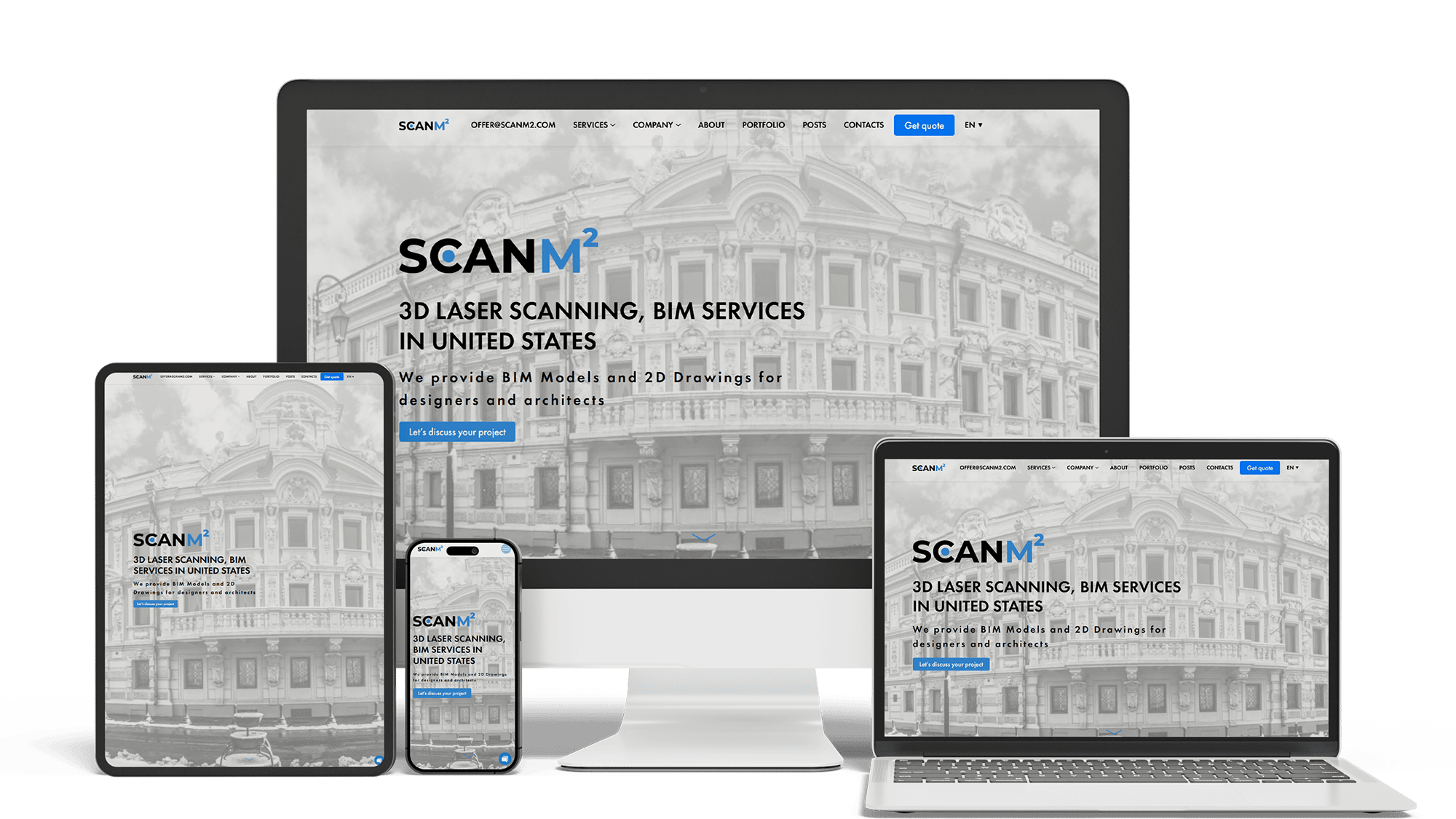
Architecture Website Rebuild and SEO
29× organic trafficLoads in under 1 sTop 3 in Poland
Full Multilingual Website Development & SEO for Student Services
+5,930 clicks in 6 months359k impressionsTeam edits it
Auto Repair SEO & UX Boost
Performance 90++10% organic trafficLeads from forms
Get a quote for SEO for your mortgage business
I reply within one business day with the loan programs and markets I would work on first and a fixed price. Please do not include any borrower information.
Mortgage broker SEO is the work that brings home buyers and homeowners to your own website when they search for a loan, a program or a broker in their area, and turns those visits into applications and funded loans. I do it myself, as a single SEO consultant who also builds websites, for independent brokers, small brokerages and loan officers who want borrowers who found them, not leads shared with five other lenders.
A borrower rarely types “mortgage broker”. They type their situation: “FHA loan with 580 credit score”, “VA loan for a condo”, “mortgage for self-employed with bank statements”, “first-time home buyer programs in Ohio”. Mortgage broker SEO puts a page on your site in front of each of those searches and makes it easy to start a conversation. The work covers:
- a page for every loan program you offer and every borrower type you want more of
- local pages for the cities and counties where you are licensed and active
- licensing details and rate wording that hold up in a compliance review
- a site that loads fast on a phone and leads to the application without detours
- visibility in ChatGPT, Perplexity and Google AI Overviews
Google treats mortgage content as “Your Money or Your Life” (YMYL): a wrong answer can cost a family real money, so pages need visible proof of who stands behind them. For a broker that proof is largely the same information regulators already expect:
- the company NMLS ID and each loan officer’s NMLS ID, with a pointer to NMLS Consumer Access
- the states where you are licensed, written as text, not only in a footer image
- the Equal Housing Opportunity statement or logo (lenders often use “Equal Housing Lender”)
- a named author with an NMLS ID on every guide, plus a “last reviewed” date
Federal and state rules generally treat a website as advertising, and some states add their own disclosure wording. This is a general description, not legal advice: your compliance team, sponsoring company or state regulator has the final word.
“Today’s mortgage rates” pages attract searches, and they are also where most advertising problems start. Under Regulation Z, some figures in an ad — a monthly payment, a down payment, the number of payments — trigger extra disclosures such as the APR and the repayment terms. When I write or edit a page, I flag every trigger term and every rate claim so your compliance reviewer can approve, change or remove it.
A rate shown on a page must be true on the day someone reads it. If you publish rates, the page carries the date, the assumptions and the APR, and it updates from a source you control. A page that explains what moves rates and invites a personal quote often ranks better than a table that goes stale by Tuesday. In the UK, Canada and Australia, the FCA, provincial regulators and ASIC set their own rules; the approach is the same.
One “Loan Options” page listing eight products cannot rank for any of them. Each program you want to grow gets its own page: who it suits, typical requirements in plain words, documents to prepare, how long it usually takes and a clear next step.
FHA, VA and USDA loan pages: government programs with their own vocabulary
Government-backed loans attract precise searches: “VA loan funding fee”, “FHA loan limits” in a county, “USDA eligible areas” near a town. A page that answers these with your county’s details and your own experience with the program beats a generic national article.
First-time home buyer pages: down payment assistance and local programs
First-time buyers search for help as much as for a loan. State and city down payment assistance programs, homebuyer education courses and closing-cost grants are strong topics for local pages, as long as each program’s current status is checked before the page goes live.
Self-employed, investor and non-QM loan pages
Bank statement loans, DSCR loans for rental investors and other non-QM products are where a broker’s access to many lenders matters most. These borrowers have often been turned down by a bank, so the pages bring fewer visits but better applications.
Refinance and home equity pages
Refinance searches rise and fall with rates. Pages on cash-out refinance, rate-and-term refinance and HELOCs written now are already indexed and trusted when the next wave of demand comes.
“Mortgage broker near me” and “mortgage lender in [city]” searches show a map with three businesses. A Google Business Profile with the right category, your real office address and hours, and reviews that mention the loan type a client closed, is often the quickest source of calls. Brokers who meet clients at their homes rather than in an office can set a service area and hide the address, within Google’s rules.
City and county pages are worth building where you have a reason: you are licensed there, you close loans there, you know the local programs and the realtors. Fifty identical pages with only the city name swapped are a pattern Google discounts. The map side in depth — categories, reviews, listings — is on the local SEO services page.
Borrowers research for weeks: “how much house can I afford on $90k”, “closing costs in Texas”, “how long does pre-approval last”. Calculators and short guides answer those questions on your site instead of on a national portal. A calculator page needs clear assumptions and a note that results are estimates. Each guide ends with a link to the matching loan program page.
Much of a broker’s business comes from real estate agents, and search can strengthen those relationships. Neighborhood pages, open-house financing pages and joint guides with partner agents give both sides something to link to, and agents look up your name before referring a client.
Co-marketing between brokers and agents falls under federal rules on referral payments (RESPA): each side pays its fair share, and nothing of value is exchanged for referrals. Your compliance team sets the limits. Agents who want their own search work will find it on the SEO for realtors page.
Mortgage lead generation companies sell inquiries that are often sent to more than one lender at once, so the fastest caller wins. A borrower who found your program page and filled in your form chose you, and organic leads do not disappear when you stop paying. I report both sources side by side, by loan program and city:
- calls and form submissions from search, tracked in GA4
- started and completed applications, if your portal can pass the source back
- pre-approvals and funded loans, if your LOS or CRM records where the borrower came from
Reports carry counts only, never borrower data. New program pages usually need three to six months to bring steady applications; in big metros, longer.
Most loan officer websites provided by a lender are templates shared by hundreds of loan officers with the same text, so Google has little reason to rank any one of them, and the domain belongs to the lender. A broker’s own site, built where your company or sponsor allows it, can be fast and specific. What matters for the application path:
- the main content of each page visible within 2.5 seconds on a phone
- a short first form — loan goal, price range, state, contact — before any sensitive data
- a clear handoff to your secure application portal for documents and full details
- click-to-call and scheduling links visible on every page
- accessible forms and text a screen reader can follow
If the site needs a rebuild, a focused broker site costs 700–1,400 € and a full site with program pages and calculators from 2,000 €, design included. The build is described on the website development page.
Borrowers now ask ChatGPT, Perplexity or Google’s AI Overviews whether to use a broker or a bank, who does VA loans in their city, or how bank statement loans work. Because mortgages are YMYL, assistants prefer sources that show licensing and expertise. Work on those answers is called generative engine optimization (GEO) or answer engine optimization (AEO). For a mortgage broker it means:
- states, NMLS IDs, loan programs and languages spoken written as plain sentences
- direct answers to borrower questions on program pages, with an author and a date
- structured data that ties the company, its loan officers and its offices together
- the same details on your site, Google Business Profile, Zillow and other lender profiles
Before the work starts and again after it, I ask the assistants about your market and record who they name. More on the AI SEO and GEO optimization page.
Mortgage marketing companies often bundle a website platform, a CRM, ads and lead lists on a long contract. I work alone: I read your search data, write the pages with your input, change the site on WordPress, Next.js or another system, and explain the report. I do not run ads or sell leads. Whoever you choose, ask who checks compliance wording and who owns the site when the contract ends.
- Mortgage broker SEO audit — the site, loan program coverage, local results, competitors and AI answers: from 250 €, one-off.
- One-off work — loan program and city pages, compliance details, structured data, tracking: 250–700 €.
- Monthly SEO for a mortgage broker — new pages, fixes, AI visibility and reports in applications: from 800 € per month; in big US metros and other very competitive markets from 1,300 € per month.
A solo loan officer in a smaller market often gets most of the effect from the audit and a few strong program pages. My general approach to ongoing work is on the SEO optimization and strategy page, the audit on the SEO audit page, and all prices on the pricing page.
The site itself — compliance on every page, short forms, calculators and secure document collection — is on mortgage broker website design.
Mortgage broker SEO: frequently asked questions
Order SEO for your mortgage business: what to send me
Send your website, your company NMLS ID, the states you are licensed in, the loan programs you want more applications for, where borrowers come from today and any rules your lender or sponsor sets for websites. Please leave out borrower information. I will reply with what I would fix first and a fixed price. Use the form above or write on WhatsApp.
