


Bed and Breakfast Website Design
Bed and breakfast website design and build from one person: a booking engine on your own site so more guests book direct instead of through OTAs, a page for every room, breakfast and local guide pages, and versions in the languages your guests speak.
- Design + build, one price
- From 700 €
- Built for direct bookings
What you get with bed and breakfast website design
- A booking engine on your own siteLodgify, Little Hotelier or the system you already use
- Reasons to book direct, stated plainlyPerks you can really offer, next to the button
- A page for every roomPhotos, bed size, bathroom, floor and view
- Breakfast and local guide pagesWhat you serve, where guests go, how to get here
- The languages your guests speakRooms, policies and the booking step translated
- Rooms and policies ChatGPT can readPlain text and structured data, not pictures
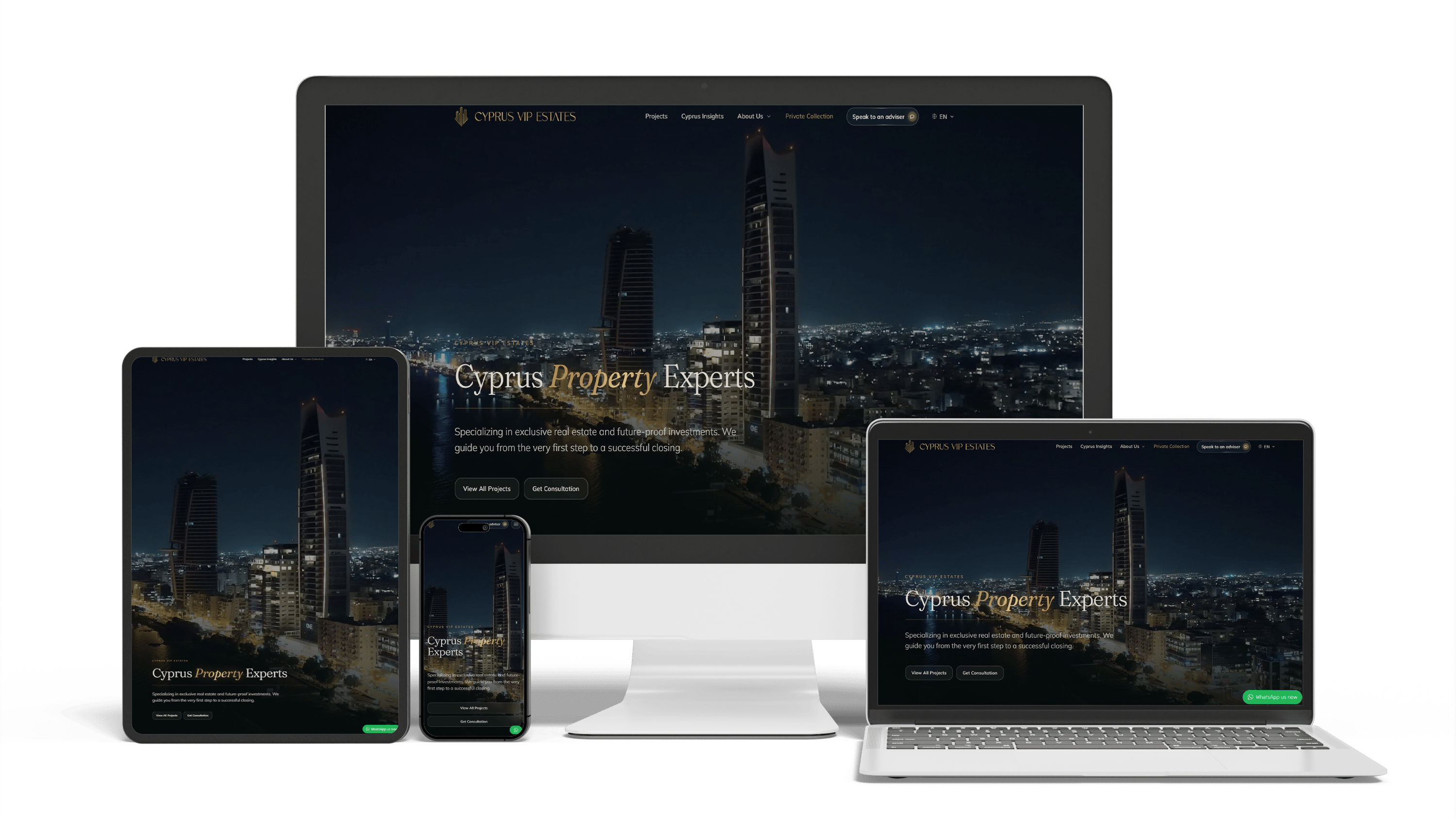
Multilingual real estate platform in Cyprus: SEO and GEO without bought links
16× faster editingTraffic from ChatGPTLeads via WhatsApp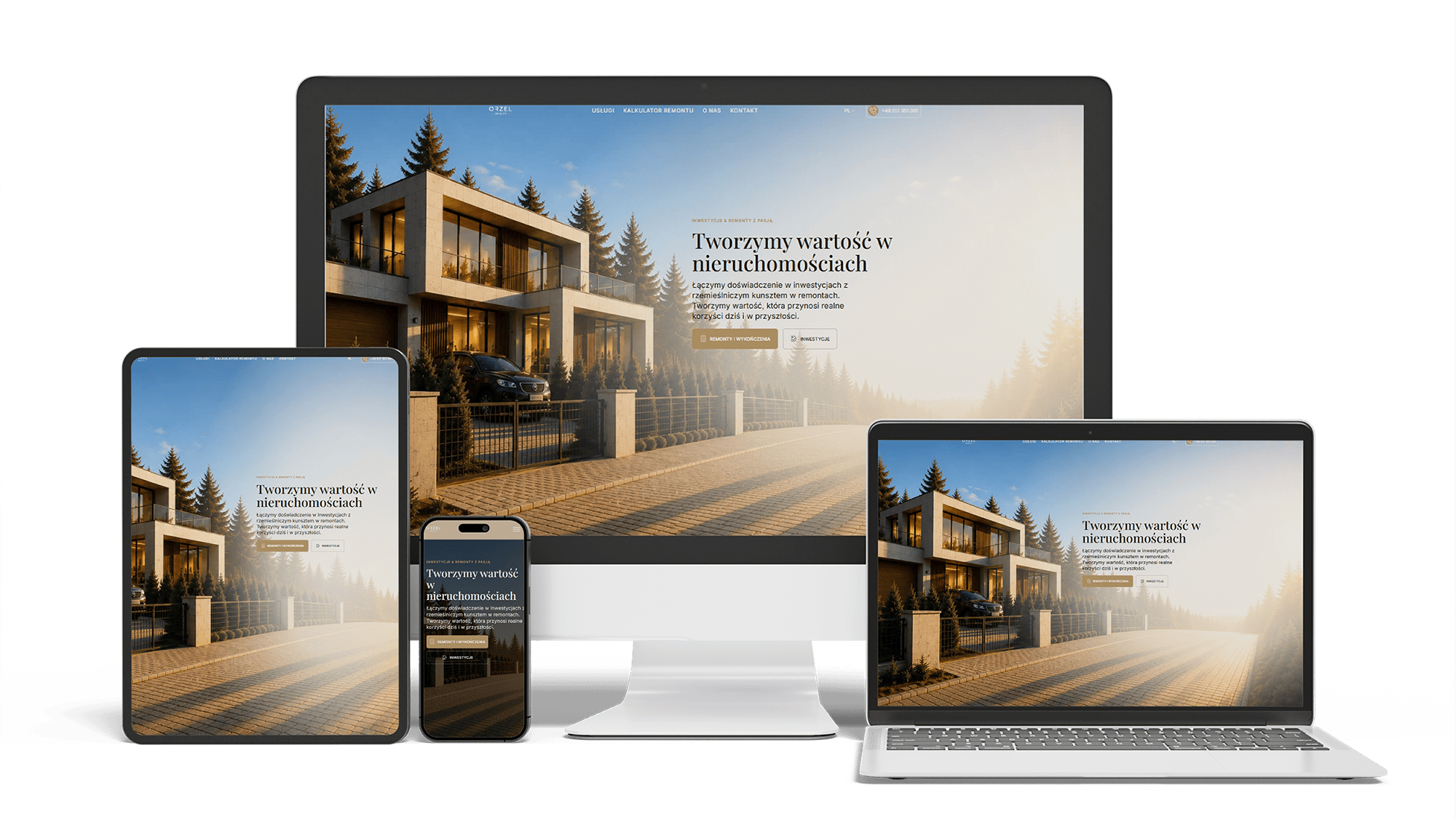
Renovation and investment website with a premium feel and 96/98/100/100 performance
96/98/100/100Design system2 languages
Full Multilingual Website Development & SEO for Student Services
+5,930 clicks in 6 months359k impressionsTeam edits it
Official Website for DJ and Producer Sasha Dith
Loads in under 1 sBooking formVideo and music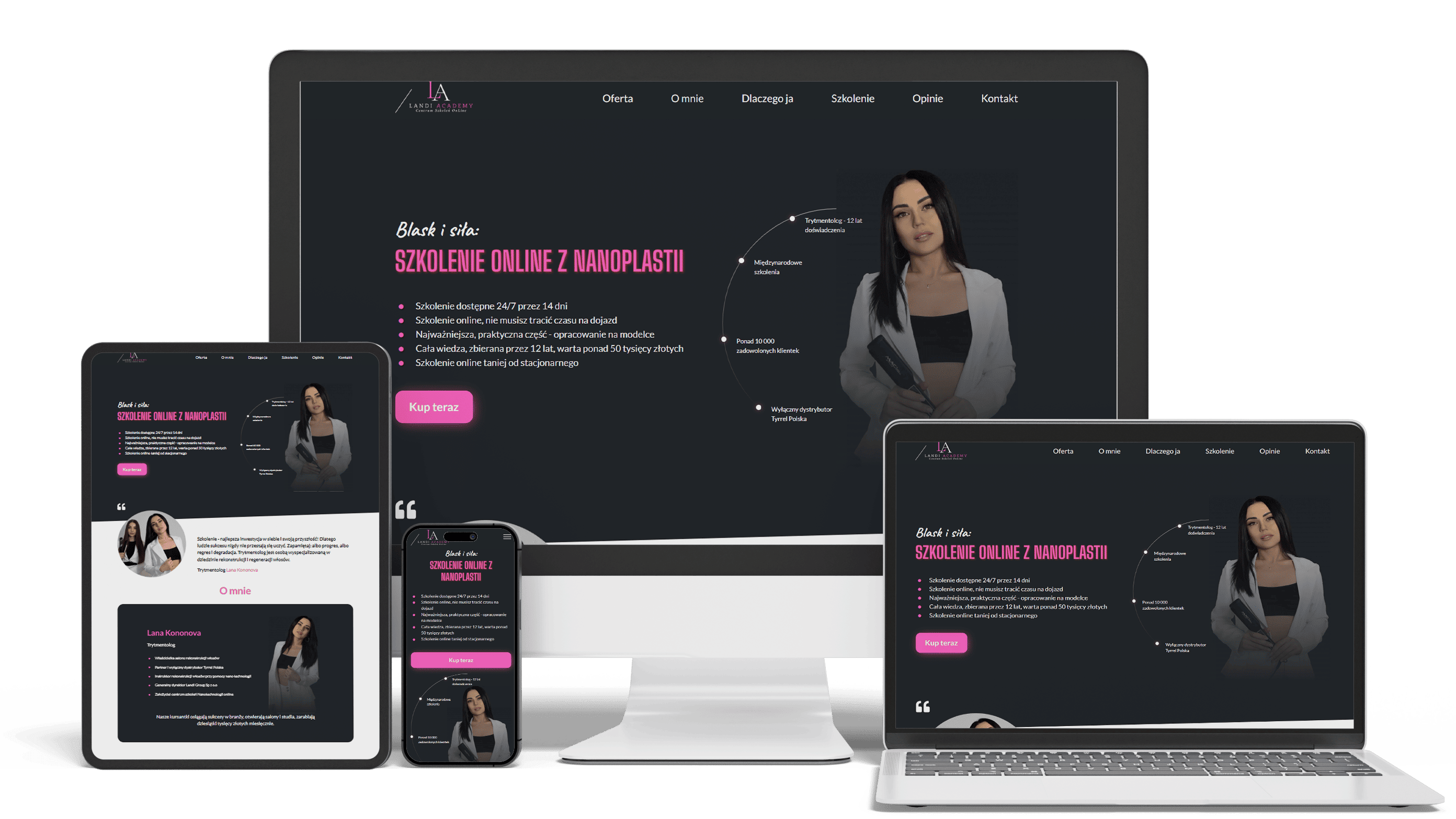
E-commerce landing page with secured video access
100+ course sales0 leaksLinks expire in 14 days
Get a quote for your bed and breakfast website design
Within one business day I reply with a proposed page list — rooms, breakfast, local guide, booking — and a fixed price.
Bed and breakfast website design is the work I do for innkeepers and owners of small guesthouses: I plan, design and build the site myself, from the room pages to the booking engine, for one fixed price. A B&B website has one main job — turning a guest who found you on Booking.com, on Google or through a friend into a guest who books with you directly — and a second job that matters as much: showing people what a stay in your house is like before they arrive.
In most B&Bs the owners cook breakfast, turn over the rooms, answer the phone and wait up for late arrivals. The website has to work while all of that is going on, and it has to be easy for them to change. On an ordinary day it should:
- show live availability and take a booking at two in the morning without waking anyone
- answer the questions you hear at every check-in — parking, arrival times, pets, children, stairs, dietary needs at breakfast
- let you change a rate, close a room for repairs or add a winter package from your phone
- look like your house, not like a hotel chain: your rooms, your porch, your street
Guests choose a B&B for the hosts and the house as much as for the room. A photo of you, a few lines on why you opened and how breakfast works do more on the home page than a slogan about comfort and charm.
Booking.com, Expedia and Airbnb bring guests a small inn could never reach alone, and most B&Bs keep their listings. The price is a commission on every stay and less contact with the guest before arrival. A website does not replace the platforms; it gives returning guests, and people who first saw you there, a reason and an easy way to book with you next time:
- a booking button on every screen with live availability, so nobody has to email and wait for an answer
- a short, true list of what booking direct gets them — first pick of rooms, flexible check-in, a bottle of local wine, easier changes — whatever you can actually offer
- the same or a better rate than on the platforms, where your agreements allow it
- a line in the confirmation email and a card in the room inviting guests to book their next stay on your site
Analytics count bookings made through the site each month and the pages they started from, so you can set that number next to what you pay the platforms. That comparison tells you whether the site is doing its job.
The booking engine is the part guests use to pick dates, choose a room and pay. Small inns rent one rather than build it: Lodgify, Little Hotelier, Cloudbeds, ResNexus, ThinkReservations and others. Most include a channel manager that keeps availability in sync with the platforms, so the same room is not sold twice. I build the site around the engine you already use, or help you choose one by checking:
- whether it syncs with every platform you list on, and how quickly
- whether the booking step can stay on your domain and match the site’s look
- whether it takes deposits and card payments the way you want, with your cancellation policy shown before payment
- how it behaves on a phone, where most guests book
- whether it can send your direct rate to Google’s hotel results
If you have a system you like, the site uses its widget and links and leaves reservations where they are.
In a bed and breakfast no two rooms are the same, and guests know it. Each room gets its own page, and a room overview lets people compare them without opening each one:
- eight to fifteen daylight photos, including the bathroom and the view from the window
- bed size and number of beds, and who the room suits — a couple, a family with a child, a solo traveler
- the bathroom: private or shared, en suite or across the hall, shower or clawfoot tub
- the floor and the stairs, so a guest who struggles with steps is not booked into the attic
- the rate range across seasons and a booking button for that exact room
Photos are resized for each screen and load as the guest scrolls, so a room page opens quickly on a weak rural signal. Honest details mean fewer surprises at check-in and fewer reviews that begin with “the room was smaller than…”.
Breakfast is half the name and often the part guests remember. Its page says when and where it is served, what a typical morning looks like, what comes from nearby farms or your own garden, and how you handle gluten-free, vegan or allergy requests — with photos of your real plates, not stock pastries.
The local guide answers the question that comes right after booking: what is there to do here. Write it the way you would talk to a guest at the table:
- how to reach you from the airport, the interstate or the train, and where to park
- what is within walking distance: the restaurant you send people to, the trail, the beach, Main Street
- day trips — wineries, state parks, historic towns — with driving times
- the seasons: fall color, ski weeks, summer festivals, and what closes in winter
These pages also bring visitors from search, because people read about an area before they pick where to sleep, and they give AI assistants concrete facts to quote about your inn.
A B&B in a tourist region hosts travelers from abroad, and many of them prefer to book in their own language. The site gets a language version only where you actually see those guests — for example Spanish, French or German — and that version covers the whole path to a booking:
- room pages, house rules and the cancellation policy, translated and read by a person
- the booking engine switched to the same language, with prices shown in the guest’s currency where the engine allows
- directions written for someone who has never driven in your state
- hreflang tags, so Google shows each guest the right version
How I plan and build sites in several languages is described on the multilingual website development page.
When someone searches for a place to stay in your town, Google shows a map and a list of lodgings with prices and reviews. A B&B gets there through its Google Business Profile, set up in a lodging category with the exact name, address and phone used on the website. Many booking engines can also send your direct rate to those hotel results, where it appears beside the platforms’ prices and links straight to your booking page.
Reviews carry the most weight: ask every guest at checkout, answer each review in a sentence or two, and keep the details of the house identical on Google, Tripadvisor and the platforms. The site is launched with these basics in place; ongoing map and review work is covered on the local SEO services page.
Many guests start trip planning in ChatGPT, Perplexity or Google’s AI Overviews, asking for “a quiet B&B near Asheville with a big breakfast” or “dog-friendly inns in the Berkshires”. The assistant names a few places and says why. It can only recommend what it can read: rooms, rates, policies and breakfast that exist only inside a booking widget or as text on images are invisible to it. The site writes them as plain text and adds BedAndBreakfast structured data with your address, rooms, amenities and reviews.
Being named in those answers is ongoing work beyond the build; it is described on the AI SEO and GEO optimization page.
- Brief. You send room names, photos, seasonal rates, house policies, the booking engine you use or are considering, and links to your listings.
- Page list and fixed price. I propose the pages — home, rooms, breakfast, area guide, policies, contact — and the price.
- Design and build. The first screen, a room page and the booking step are designed for a phone first and agreed with you.
- Launch. The booking engine, analytics, your Google profile and confirmation emails are connected and tested with a real booking.
How I build websites in general is on the website development page. A hotel with a front desk and a sales team has other needs, covered on hotel website design; if you rent whole homes or cabins rather than rooms, see vacation rental website design.
One price covers design and build.
- A simple B&B website — home, rooms on one page, breakfast, the area, contact and a booking engine widget: 700–1,400 €.
- A full B&B website with a page for each room, booking engine integration, breakfast and local guide pages, a second language and local SEO setup: from 2,000 €.
After launch you pay for hosting, the domain and your booking engine subscription, and me only for changes you ask for. All ranges are on the pricing page.
A farm with a farm shop, boxes or pick-your-own next to the rooms: farm website design.
Bed and breakfast website design: frequently asked questions
Order bed and breakfast website design: what to send me
Send the name of your inn, your current website or listing links, the number of rooms with a few photos of each, your rates by season, the booking engine you use or are considering, and the languages your guests speak. I reply with a proposed page list and a fixed price. Use the form above or write on WhatsApp.
