


Senior Living and Assisted Living Website Design
I design and build senior living and assisted living websites for communities and operators: a page for each level of care, real photos and video tours, starting prices with what they include, tour booking in a few taps and large, high-contrast type that a daughter on her phone and her father on a tablet can both read.
- Design + build, one price
- From 700 €
- Reply within one business day
What you get with senior living website design
- One page per level of careIndependent, assisted, memory care, respite
- Real rooms and real daysPhotos, floor plans and a video walk-through
- Starting prices with what they includeCare levels, community fee, payment options
- Tour booking from every pageCall, text or pick a time in a few taps
- Large type and strong contrastBuilt to WCAG, quick on older phones
- Readable by Google and AI assistantsCare levels, license and prices as text
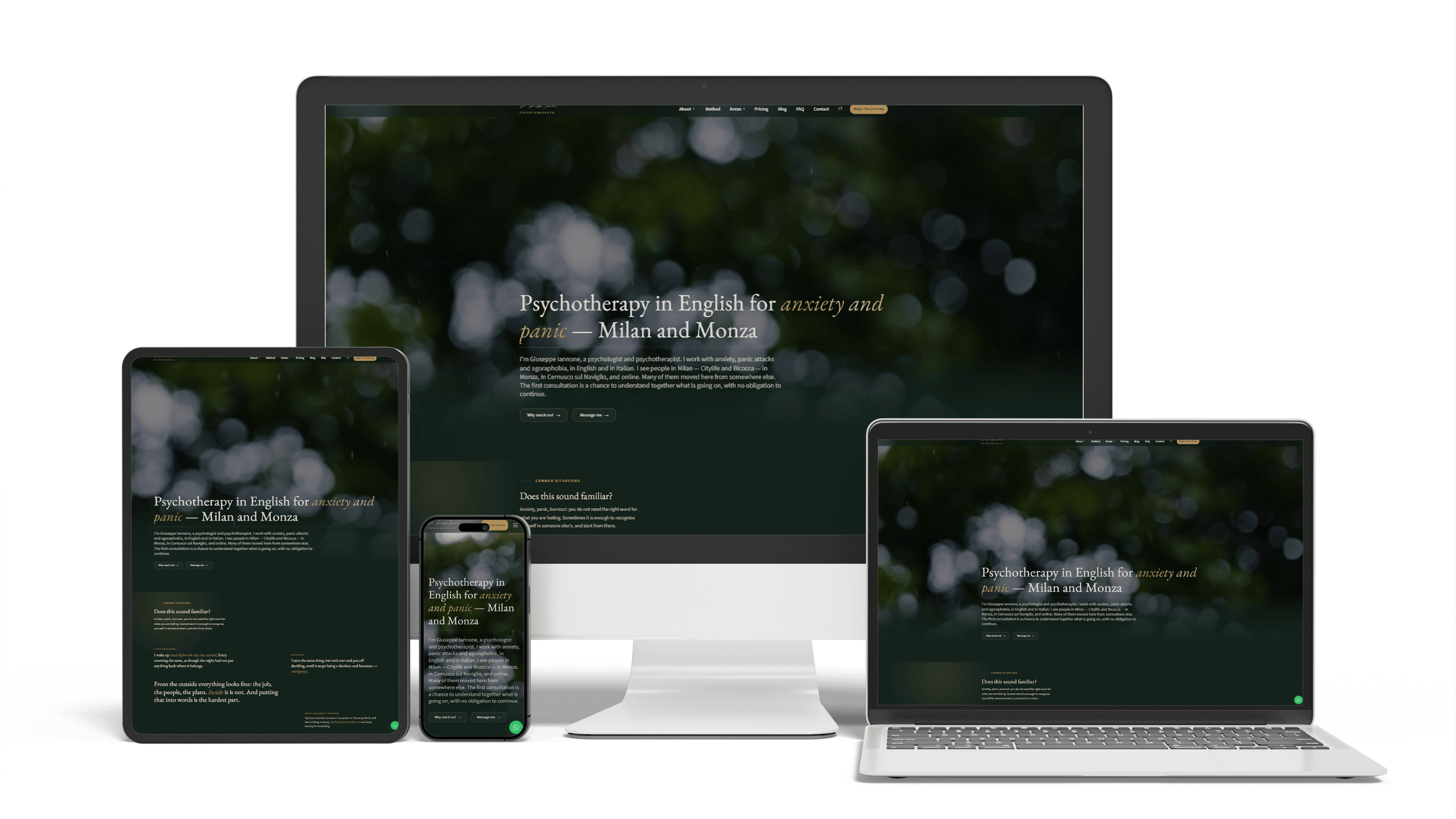
Bilingual psychotherapist website in Italy
468 of 468 posts moved2 languagesSeen in ChatGPT answers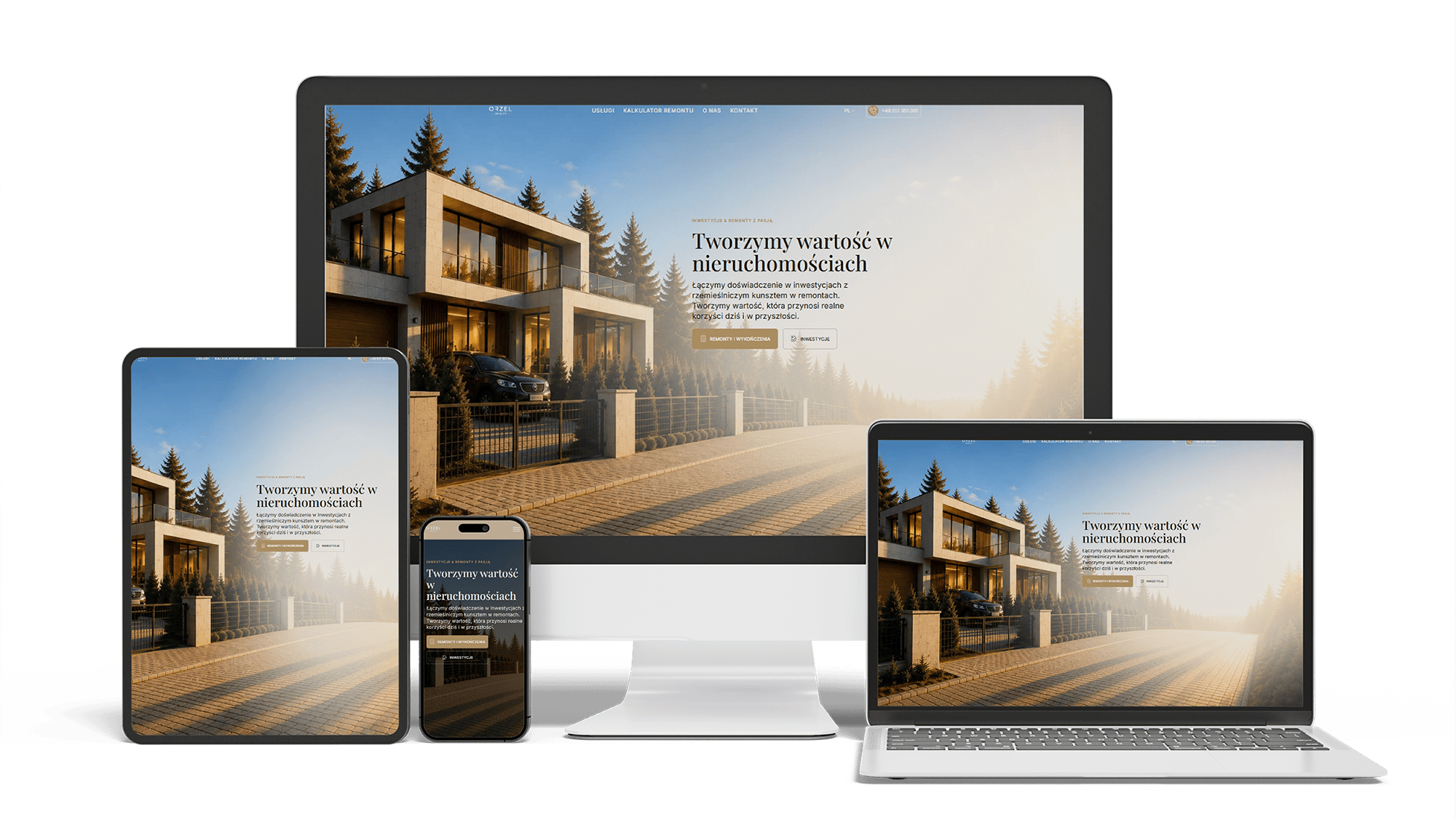
Renovation and investment website with a premium feel and 96/98/100/100 performance
96/98/100/100Design system2 languages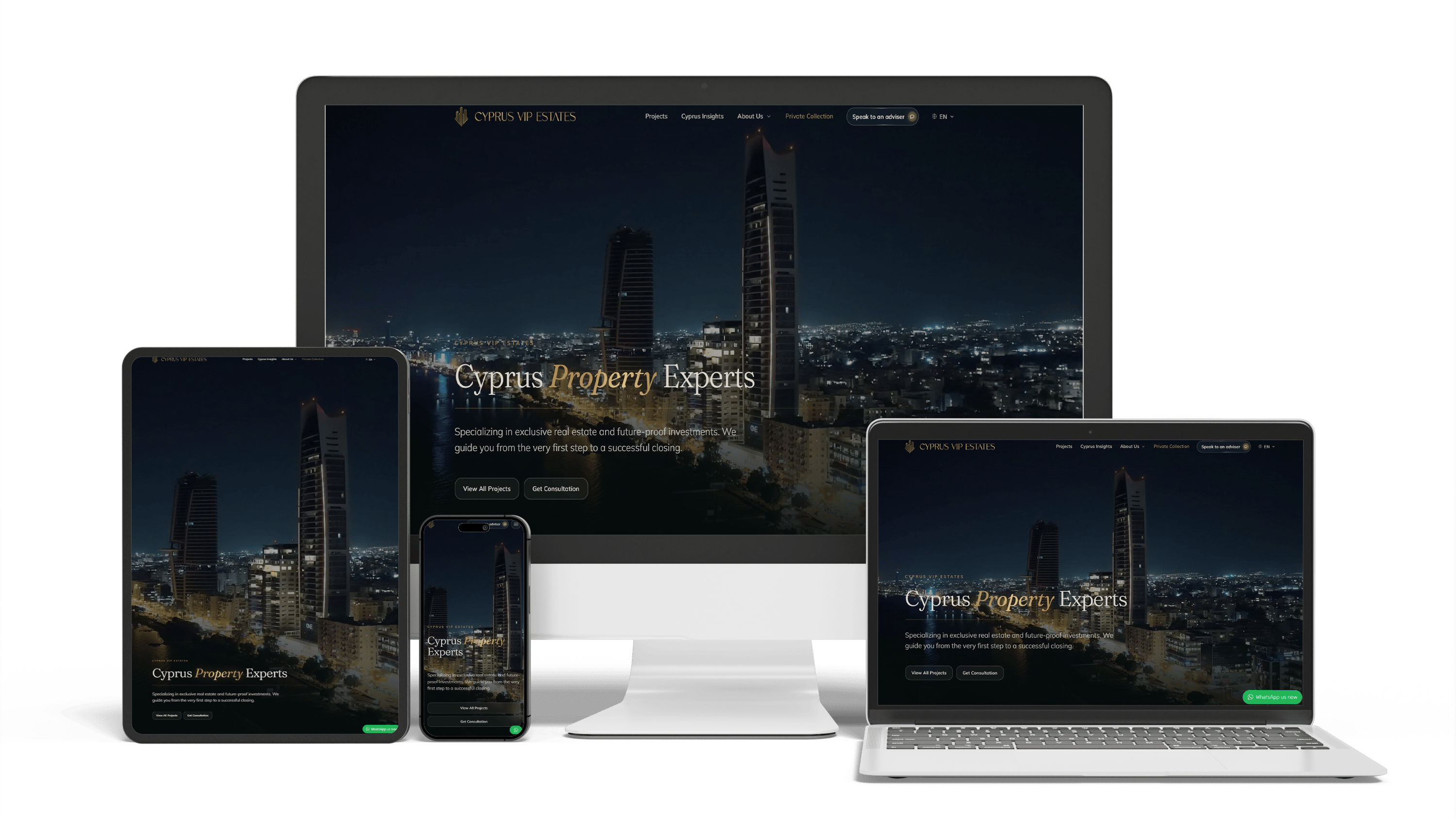
Multilingual real estate platform in Cyprus: SEO and GEO without bought links
16× faster editingTraffic from ChatGPTLeads via WhatsApp
Full Multilingual Website Development & SEO for Student Services
+5,930 clicks in 6 months359k impressionsTeam edits it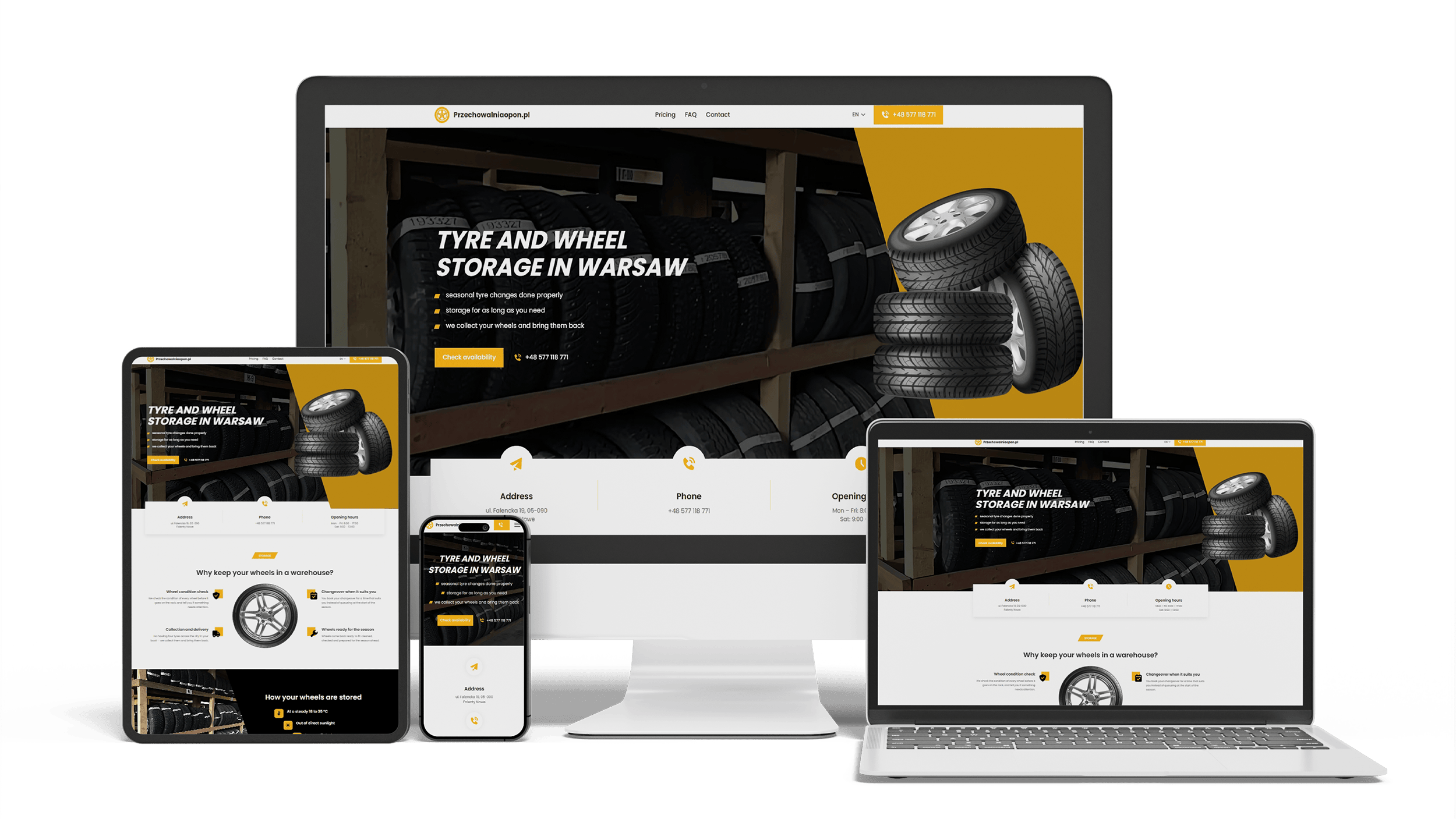
A multilingual landing page for a wheel and tyre storage business
100/95/100/1003 languagesClient edits it
Get a quote for your senior living website
I reply within one business day with a proposed structure for the home, care-level and pricing pages and a fixed price.
Senior living website design is my work for independent, assisted and memory care communities, and the person who draws the pages is the one who codes them, so nothing is lost between a designer and a developer. An assisted living website has two readers at once: an adult child comparing options on a phone between meetings, and a parent who may read the same page later on a tablet. The design has to serve both without talking down to either.
The adult child arrives with a deadline and a list of questions: what care you offer, what it costs, whether an apartment is free, when they can visit. The future resident arrives with a different worry: whether this place will feel like home. The first screen answers the first list in plain words — “Assisted living and memory care in [town]”, a starting price, a tour button and a phone number — and the photography below it answers the second.
Menus follow the questions families ask, not your organization chart: Care, Living here, Pricing, Tours, Our team, Contact. Six items, a word or two each, readable without hovering.
Independent living, assisted living, memory care and respite stays are different decisions, often made by different people. Each gets its own page with the same layout, so a family can compare them side by side: who it suits, what daily help is included, how needs are assessed and reassessed, which staff are on site day and night, the starting price and a tour button.
Memory care pages need the quietest design on the site, because the family reading them is often at the hardest point of the decision. Soft colors, short sentences and no countdown banners or “only two suites left” pressure. A plain description of the secured garden and the shape of the day does more than any slogan.
Families judge a community by what they can see, and stock photos of smiling seniors are recognized at once. What works instead:
- real photos of apartments, bathrooms with grab bars, the dining room, the garden and activity spaces, in daylight and without heavy editing
- a floor plan for each apartment type with its size and an idea of what furniture fits
- a short video walk-through that a sibling in another state can watch before the tour
- this week’s menu and an activity calendar that your staff update themselves
Photos of residents need their written consent, or the consent of the person legally entitled to give it; for memory care it is often wiser to show spaces and staff. Your attorney confirms the consent form.
Pricing is the page families look for first and many community sites hide. The layout I use shows a starting monthly price for each level of care, then plain text rows: what the base price covers, how care levels add to it, any one-time community fee and the payment sources you accept. A short note on what moves the final price prepares the family for the assessment. Families who see a number they can manage book the tour with less hesitation; those who cannot save your sales team a long call.
The tour is where families decide, so the tour button sits on every page, and on phones a fixed bar holds two actions: schedule a tour and call. Behind it is either a calendar with real free times or a short request form when your sales staff confirm by phone. A text-message option suits adult children who cannot take calls at work.
Forms ask for the family member’s name, contact details, the level of care being considered and a preferred time. They do not ask for diagnoses or medications; those belong in the assessment with your nurse. Health details about a parent are sensitive whether or not HIPAA applies to your community, so any form that must collect them runs through a provider built for it. Years ago I worked on a medical system holding patient records; it is covered by an NDA, so it stays unnamed, but it left me with a rule: a public website should hold as little health information as it possibly can. Where your CRM accepts web leads, each inquiry goes there with the page it came from.
Many residents, and some of their children, see less well, tap less precisely or use a screen reader. The design follows the WCAG guidelines from the first sketch:
- body text larger than on a typical site, with contrast that meets level AA
- buttons large enough to hit with an unsteady hand, with space between them
- no carousels that move by themselves and no text set inside images
- forms with visible labels, clear error messages and no time limits
- captions on videos and full keyboard navigation
I test the result with automated tools and a screen reader; your obligations under accessibility law are a question for your attorney.
Trust in a community is trust in its people. A team page with real portraits and a few lines from the people families will actually meet — the community’s director, the nurse in charge, the life enrichment lead — answers the question families ask on every tour: who will look after my mother. Your state license type and number appear as text in the footer and on the care pages, and where your state publishes inspection reports online, a link to its lookup shows families you are comfortable being checked.
An operator with several communities needs one design system and a full section per community: its own address, photos, care levels, prices, team and tour calendar. Families search for a town, not for your company name, so a community page has to make sense on its own when someone lands on it from Maps. Shared content — care philosophy, careers, company history — lives once at the brand level and links down to each community.
Adult children ask ChatGPT, Perplexity and Google’s AI Overviews to shortlist communities near a parent, with a memory care wing and within a budget. Assistants can recommend only what they can read. The design keeps the facts as text and structured data — levels of care, license, apartment types, starting prices, visiting hours, address — and in agreement with your Google Business Profile. Giuseppe’s site in Milan is built this way, and his new pages already appear in ChatGPT answers.
Earning a place in those answers takes continuing work — see the AI SEO and GEO optimization; ranking in Google for your town and care levels is the subject of senior living SEO.
Several companies sell ready-made senior living websites on their own platform, and a builder like Wix or Webflow can produce a decent page in a day. For one small community with one level of care that can be enough. The limits show as you grow: one generic layout for every care type, pricing that cannot be shown the way you sell, a tour form that never reaches your CRM and a site you cannot take with you when the contract ends. A custom design is built around how you present care, prices and tours, and the code, content and domain stay yours.
If your current site already has pages that rank, a redesign keeps every address or redirects it, the way all 468 blog posts on Giuseppe’s site kept their old URLs. The website redesign page explains the process.
- Brief. You send levels of care, apartment types, prices, team, license details and the questions families ask on tours.
- Family paths. We agree three routes on a phone screen: schedule a tour, see prices, compare care levels.
- Design. I draw three key screens in full — home, one care level, pricing — and every other page reuses their parts.
- Launch. Tour booking and CRM forms go live after accessibility tests, and your staff get a short guide to updating menus, events and prices.
My general approach to building sites is on the website development page; clinics and medical practices have a separate page on medical website design.
There is no separate design fee: one price covers drawing the pages and building them.
- A simple senior living community website — home, care levels, pricing, team, contact and a tour button: 700–1,400 €.
- An assisted living website with care-level, pricing, staff and tour pages, community sections for operators, CRM-ready forms and accessibility testing: from 2,000 €.
Send a short description of your community and I will prepare a fixed quote. Full price ranges are on the pricing page.
Senior living website design: frequently asked questions
Order senior living website design: what to send me
Tell me which communities the site covers, link the current site or Google listing, list your care levels and apartment types, and say how tours are booked today. Add a few phone snapshots of an apartment, the dining room and the garden — they let me sketch a first screen in your colors and light. My reply is a draft layout plus a fixed price. Use the form above or write on WhatsApp.
