


SEO for coaches: how a coach gets found by the person they can actually help
Coaching pages read the same because many were written from the same certification template. The work is not more keywords — it is naming who you coach and the situation they are in, proof a search engine can read, and a price. Audit from €250, and I say what I would not bother changing.
- A page per client situation
- Audit from €250
- Named by ChatGPT and AI search
What SEO for a coaching practice actually consists of
- A page per client situationRedundancy at 50, a founder stuck at one revenue number
- Credentials made findableCredential level, training, years, written as text
- A price or a range on the pageA package figure instead of «book a call»
- Proof that survives readingOutcomes with numbers, not «life-changing»
- Competing by language, not by cityRemote work widens the field beyond local search
- Being named by AI assistants«Find me a career coach for a mid-life change»
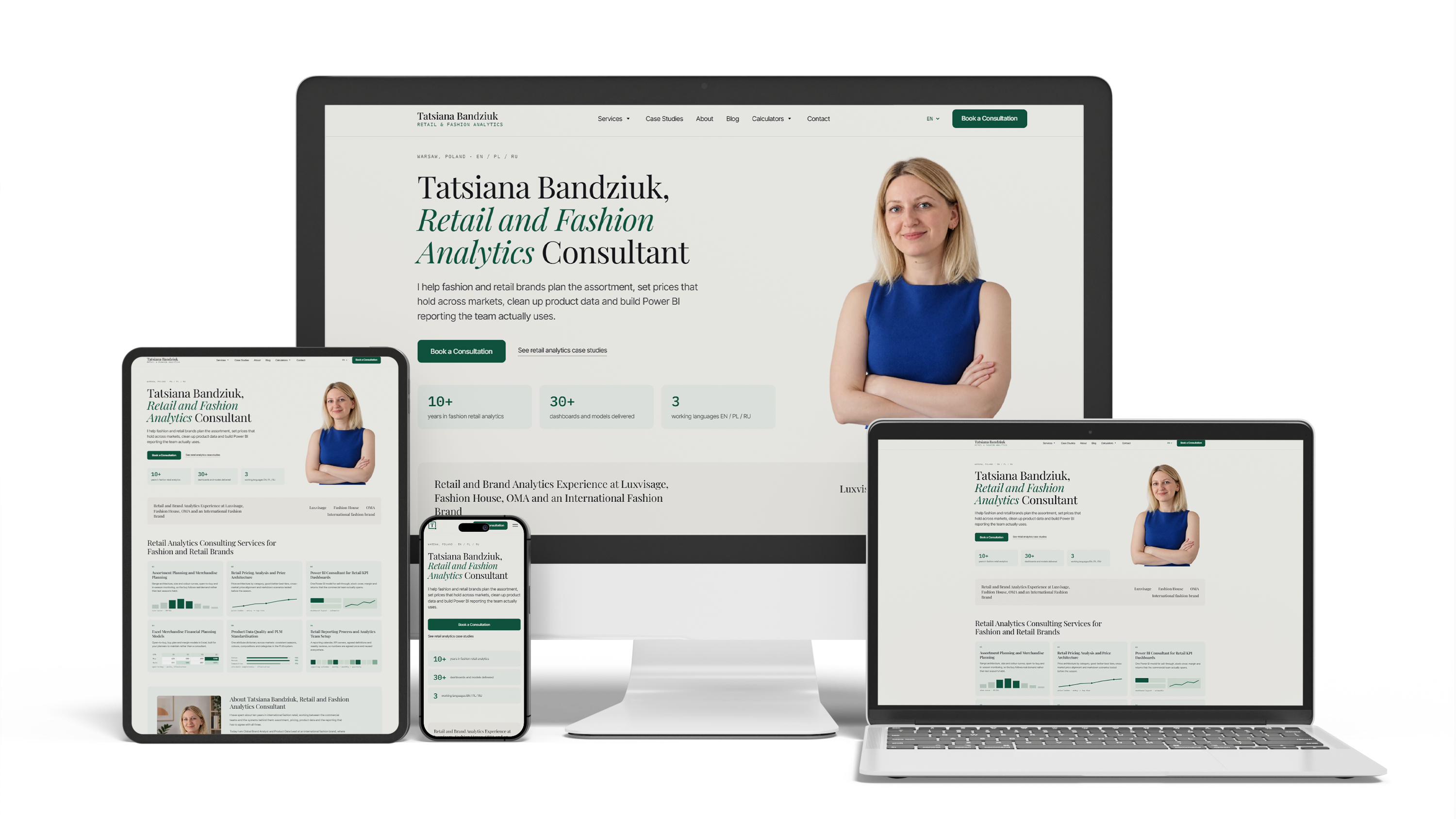
A consultant website for a retail analytics expert
100/100/100/100153 pages3 languages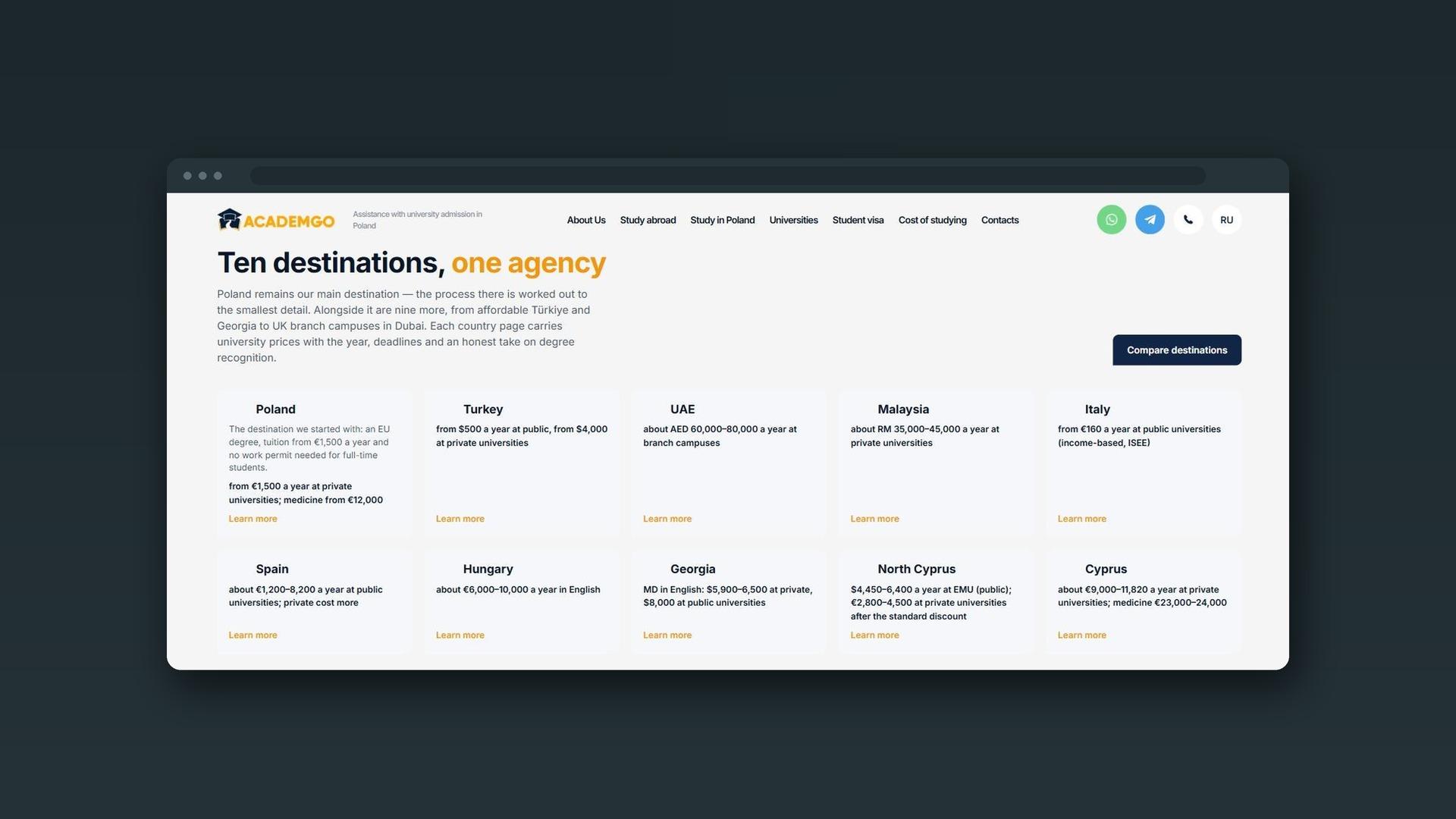
SEO case study: an education agency site, one country to ten
1 → 10 countries180 new pagesPerformance 61 → 91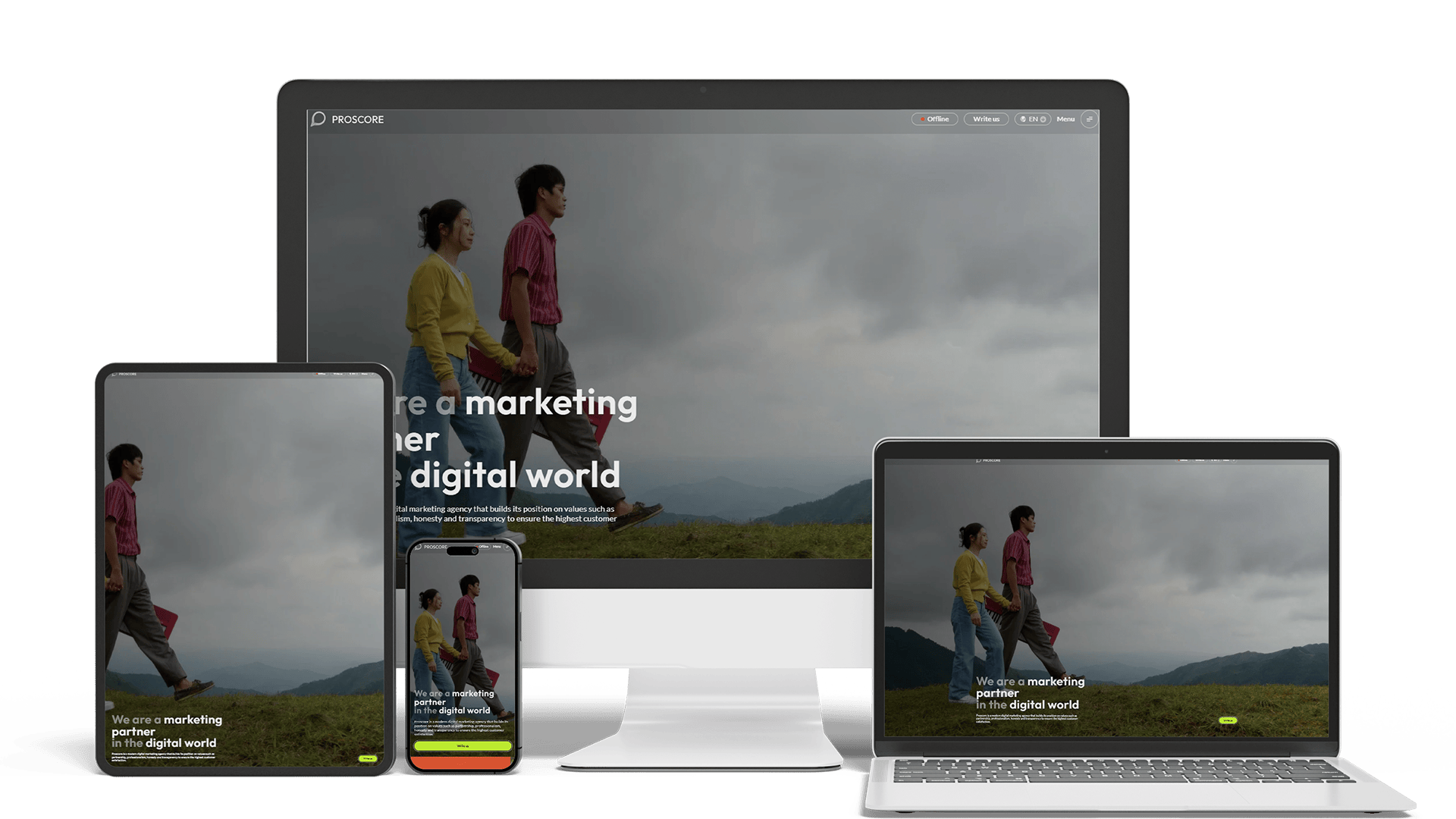
Digital Agency Website Development
100% match to FigmaLive status indicatorNo-code editing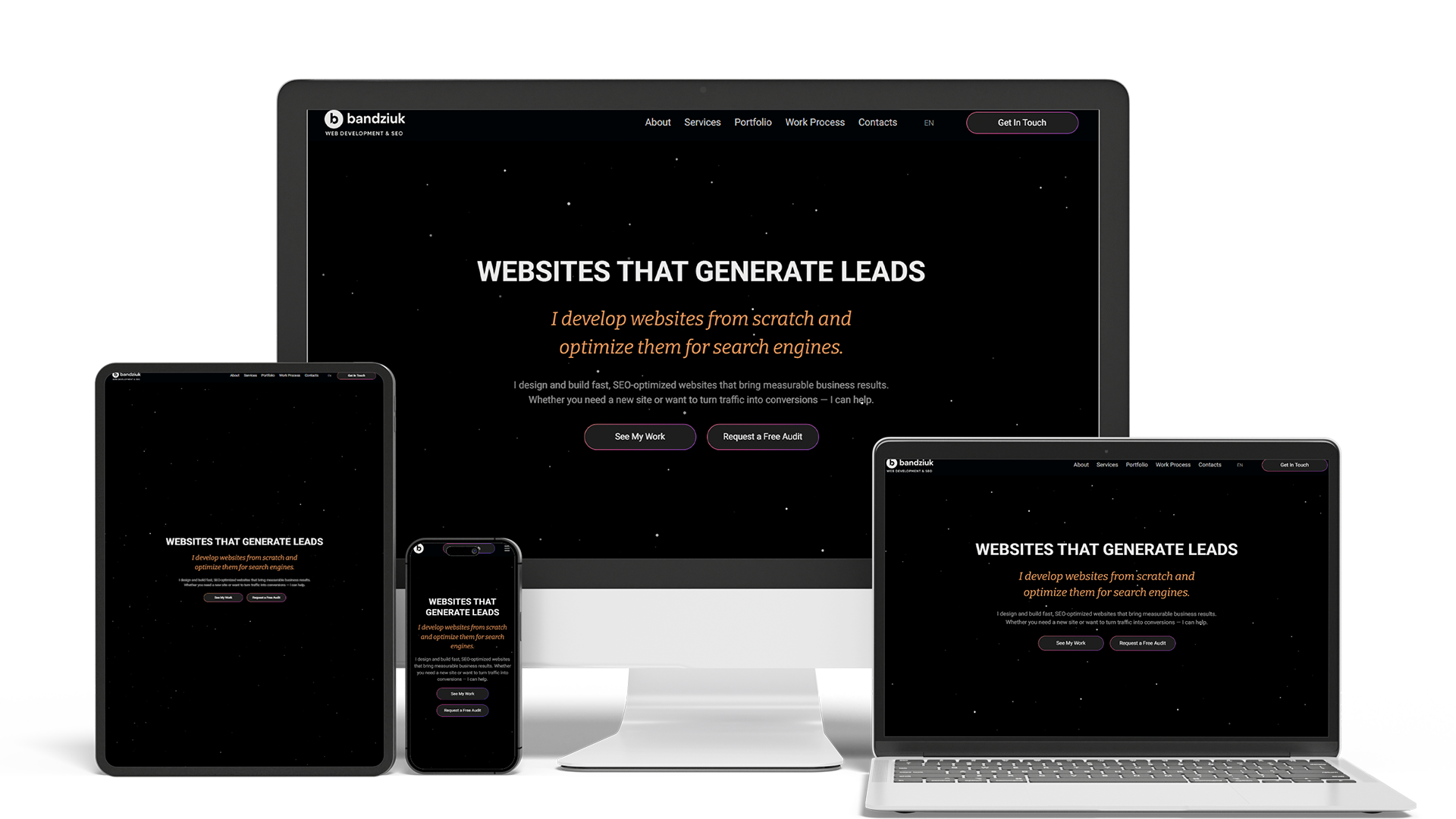
Develop and optimize a personal website with SEO
10× faster editingTraffic from ChatGPTMain lead channel
Full Multilingual Website Development & SEO for Student Services
+5,930 clicks in 6 months359k impressionsTeam edits it
I do SEO for coaches and coaching practices myself: audit, the fixes in the code and the text, and a monthly report on enquiries.
Read ten coaching websites in a row and they merge into one. Unlock your potential, step into your power, transform your life, a three-month journey, a free discovery call. That is not laziness — much of it comes from certification programmes, which hand out a website structure and sample copy along with the credential. Thousands of coaches launched from the same script, so to a search engine they are interchangeable, and interchangeable pages cannot outrank each other on anything except the coach's own name.
The second reason is that the pages describe the method rather than the person in trouble. «Transformational coaching» is what you do; «I have managed people for fifteen years and I have just been made redundant» is what somebody types. A coach who writes the first competes with everyone holding the same certificate; a coach who writes the second competes with almost nobody.
Coaching is bought at a moment, not as a category. Someone whose company was just sold, a founder who cannot get past the same revenue number two years running, a doctor leaving clinical practice, a new manager promoted over former peers — each arrives with a different fear and searches in their own words, and none of them searches for «coaching».
So the structure is one page per situation you genuinely work with: the situation named in the heading, the questions it brings, how the engagement runs, and what it costs. It is also an honest filter. A coach who cannot name three situations they are better at than average has a positioning problem rather than a search problem, and publishing more pages will not fix it — it will spread the same sentence over more addresses.
- name the situation in the heading, not in the third paragraph;
- use the words the client uses about themselves, not the words of your method;
- say how long the engagement runs and what it includes;
- state a price or at least a floor;
- and do not build a page for work you would rather not take.
Almost every other profession I write these pages for is bought locally: the clinic, the garage, the law firm, the accountant. Coaching mostly is not. Sessions happen on a video call, so the buyer is not filtering by city, and that changes the strategy in both directions. The good news is that a coach in a small town competes on equal terms with one in a capital. The bad news is that the field is the entire language rather than the twenty practices within driving distance, and the pages that already rank are often large publishers and directories rather than other coaches.
There are two exceptions worth being honest about. Coaching genuinely delivered in person — team workshops, on-site executive work — is local, and then the Google Business Profile and a city page do matter. And coaching sold to companies rather than to individuals is bought the way consulting is bought: through procurement and reputation, where a case study somebody can forward does more than a ranking.
If you work in person as well as online, both halves are worth doing, and the local half is described on the local SEO page. If the site itself is the problem rather than its visibility, that is a different job: website design for coaches.
Proof and credentials a search engine can actually read
Coaching has no licence, so proof does the work a licence would do elsewhere, and most of it is published in a form that cannot be read. Testimonials inside slider images, credential badges as logos with no text, results described as «transformational» with no number or timeframe. Written as text, the same material does its job: the credential and its level spelled out, how long you have practised, how many hours, and outcomes a reader can check — a promotion, a role change, a figure, a date.
- write the credential and its level as text, not as a badge image;
- give testimonials a name, a role and a situation, with permission;
- say what changed and over what period;
- and keep the same name, credential and wording on the site and on any directory that lists you.
An SEO audit for your coaching practice
Send the site and I reply within one working day: what is holding it back and what I would do first.
Being named when someone asks ChatGPT for a coach (GEO, AEO)
«Find me a career coach for someone leaving medicine in their forties» is now a question people put to an assistant before they open a search engine, and coaching is a category where they are especially likely to ask, because the buyer has no way to judge quality and wants a shortlist rather than ten adverts. The assistant answers from text it can read and from sources that agree with each other, so three things decide whether a coach is named: the situations and the approach written as text rather than set in a designed image, a price or a range it can quote, and the same name, credential and wording on the site and on every directory that lists you.
Getting an existing site into a readable state is preparing a site for AI search, and if assistants are saying something wrong about you — an old credential, a service you dropped — that is fixing AI misinformation.
SEO for coaches: frequently asked questions
Order an SEO audit for a coaching practice: what to send me
Send the website, name the two or three client situations you are genuinely better at than average, and say whether you can edit the site yourself. I reply within one working day with what is holding it back and what I would do first — and if the honest answer is that the positioning has to be settled before any page is worth writing, I will say that rather than sell a year of content on top of it.
