


Veterinary SEO
I do veterinary SEO for independent clinics and animal hospitals: emergency and routine care pages, species pages, Google Maps and pet owner reviews, so the owner of a sick dog or a new kitten finds your practice before a corporate chain.
- Emergency + routine care pages
- Audit from 250 €
- Reply within one business day
What you get with veterinary SEO services
- What pet owners search in your areaEmergency, care and species searches, with volumes
- Emergency and after-hours pagesOpen now, what to do on the way, the number to call
- Routine care and species pagesVaccinations, spay/neuter, dental, wellness plans, exotics
- Google Maps for your clinicVeterinarian or Animal hospital category, real hours
- Answers in ChatGPT and AI OverviewsFacts about your vets and services assistants can quote
- Bookings from search, reportedCalls and online appointments, not positions alone
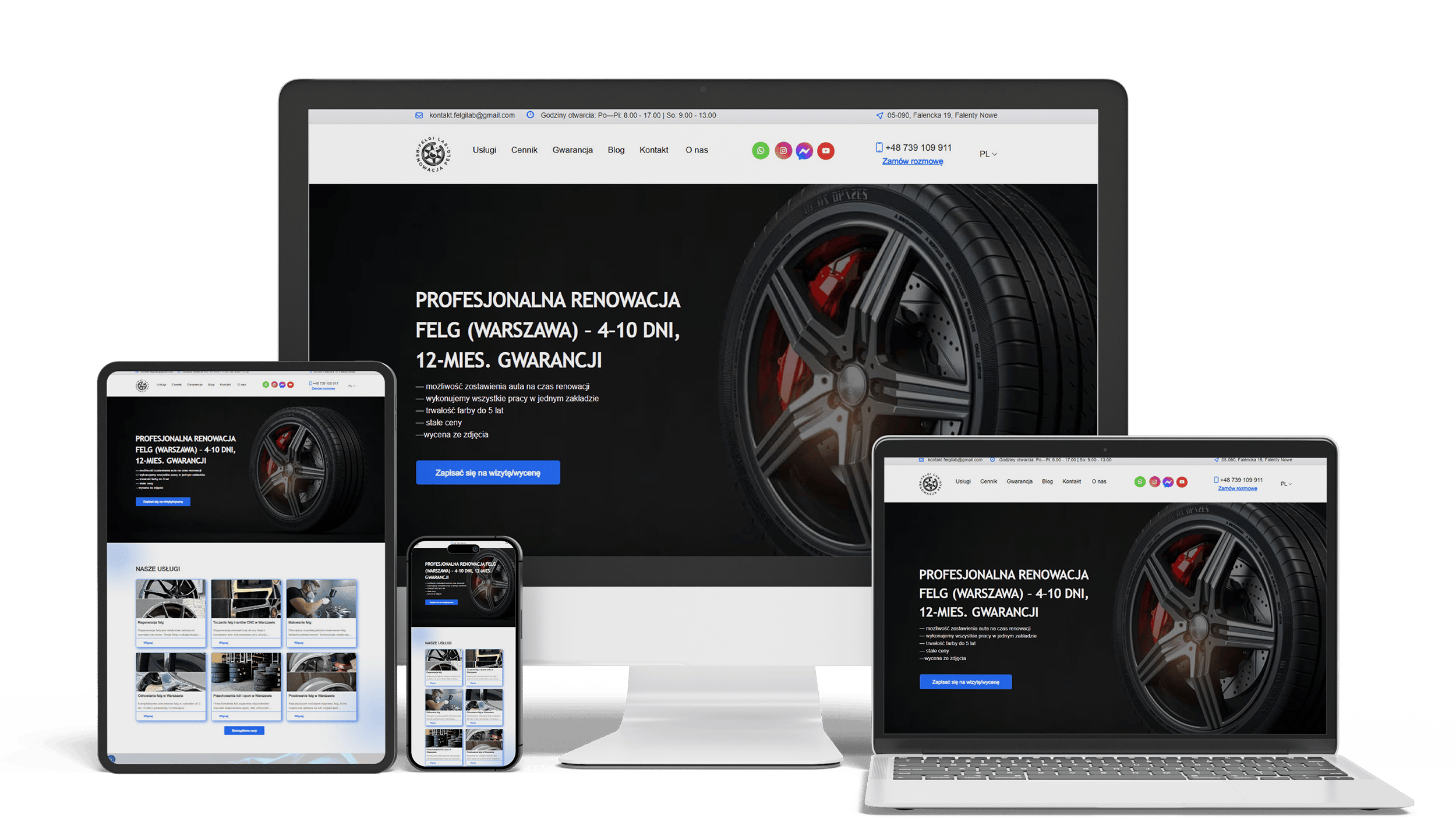
Auto Repair SEO & UX Boost
Performance 90++10% organic trafficLeads from forms
Full WordPress Rebuild for a Car Rim Restoration Company
92/91/96/100Photo quote formLocalBusiness markup
A multilingual landing page for a wheel and tyre storage business
100/95/100/1003 languagesClient edits it
Full Multilingual Website Development & SEO for Student Services
+5,930 clicks in 6 months359k impressionsTeam edits it
Architecture Website Rebuild and SEO
29× organic trafficLoads in under 1 sTop 3 in Poland
Get a quote for SEO for your veterinary clinic
I reply within one business day with what I would fix first on your clinic website and Google profile, and a fixed price.
I do veterinary SEO for independent clinics and animal hospitals myself — the clinic website, the Google Business Profile and the search data behind them — so the person who finds the problems is the one who fixes them. SEO for veterinarians is judged by booked appointments: the new puppy owner who books a vaccination series, the cat owner who chooses you for a dental, the call at 11 p.m. about a dog that ate chocolate.
A large share of veterinary searches is made in fear, on a phone, often at night. The phrases are short:
- “emergency vet near me”, “24 hour vet”, “vet open now”
- “dog ate chocolate”, “cat not eating”, “dog hit by car”
- “after hours vet” with the name of a town
These searches show the map first, and Google checks the opening hours in your profile against the time of the search. If you are an emergency hospital, the website needs one page that says so in the first line, shows the phone number as a button, gives the address with a directions link and tells the owner what to do on the way. If you are not open at night, the page says who you refer to after hours. That is honest, and it still keeps your clinic in the owner’s mind for the follow-up visit.
Planned care is searched calmly, and the owner compares two or three clinics. Each service with its own demand needs its own page:
Vaccination pages for puppies, kittens and adult pets
Owners search for “puppy shots”, “kitten vaccination schedule” and “rabies vaccine near me”. The page lists which vaccines you give, at what age the visits fall, and how to book the series.
Spay and neuter pages
Questions here are about age, recovery and cost. The page explains what happens on the day, how long the pet stays, what aftercare looks like and what the price includes.
Pet dental care pages
“Dog teeth cleaning cost” and “cat dental” are common searches. The page describes anesthesia, dental X-rays and extractions in plain words, without promising outcomes.
Wellness plan pages
If you sell monthly wellness plans, a page per plan with what is included and the monthly price turns a comparison search into a sign-up.
“Cat friendly vet”, “rabbit vet near me”, “avian vet” and “reptile vet” are searches that general pages do not answer. Many owners of rabbits, birds, reptiles or small mammals drive past three clinics to reach one that sees their animal. If your team treats exotics, a page for each group you see — with the vet who handles them and the services offered — is often the fastest way to rank, because few local competitors have one. A cat-only waiting area or a fear-free approach is worth a page too, since owners search for it.
For most clinics the map brings more calls than the website. The profile needs a primary category of “Veterinarian” or “Animal hospital”, whichever describes you better, with hours that are kept up to date, holiday hours included. Add the services you offer, real photos of the clinic and team, and an appointment link that goes to your booking page rather than the home page. Clinics with several locations get one profile per location, each linked to its own page on the site. Name, address and phone must be the same on the site, the profile and directories.
Pet owners read reviews closely, and reviews also move a clinic up the map. A steady routine works best: the client gets a text with a direct review link after the visit, every review gets a reply within days, and replies never confirm medical details about the pet. Negative reviews after a lost patient are part of veterinary work; a calm, private follow-up does more than an argument in public. Bought reviews and asking only happy clients break Google’s rules, so neither is used.
Many clinics already use an online booking or client communication tool such as PetDesk or Vetstoria, connected to their practice-management software. For SEO it matters where booking sits: a link from the profile, a button on every care page and a widget that does not slow the page. Reminders for vaccines and annual checks bring clients back without search, so the website’s job is to win the first visit. I also set up tracking so organic search appears as its own source of bookings.
Articles about symptoms, toxic foods, medication or post-surgery care touch the health and safety of animals, and Google’s quality guidelines hold this kind of content to a higher standard. Pages of this type should:
- name the veterinarian who wrote or reviewed them, with their degree and a link to their profile on your team page
- show the date of the last review and be checked again when advice changes
- tell the owner to call the clinic, not treat the pet from the article
This is not medical advice on the website’s part; it is a clear route from a worried search to your phone. A small library of reviewed answers to the questions your front desk hears every day is often the best content a clinic can publish.
Corporate groups such as VCA or Banfield have strong brands, hundreds of location pages and budgets to match. An independent practice wins on what a template location page cannot show: the names and faces of its vets, how long they have served the town, the species and services they really handle, and reviews that mention them by name. Detailed care pages, a real team page and a well-kept profile let a single clinic outrank a chain location for its own neighborhood.
Pet owners now ask ChatGPT, Perplexity or Google’s AI Overviews “which vet near me treats rabbits” or “is it an emergency if my dog is vomiting” before they open any website. Getting a clinic into those answers is called generative engine optimization (GEO) or answer engine optimization (AEO). For a veterinary practice it means:
- services, species, hours, emergency policy and the vets’ credentials written as plain text an assistant can quote
- structured data marking the business as a veterinary care provider, with its services and locations
- reviewed answers to common owner questions on your own pages
- the same clinic details on Google, Yelp and other listings, which assistants cross-check
I check how assistants describe your clinic before the work and again after it. More on the AI SEO and GEO optimization page.
Veterinary marketing agencies usually sell a package: ads, social media, email, sometimes a website on their own platform, with SEO as one part. I do the SEO part only, as a single specialist who also builds websites. I do not run ads or social media accounts, but I make sure the pages your ads point to are the ones that rank. If the site itself needs work, the veterinary clinic website page describes how I build one, and veterinary website design covers the design side. Whoever you hire, ask who owns the website and profile, and whether reports show bookings or only positions.
- SEO audit of the clinic website and Google Business Profile: from 250 €, one-off, with fixes listed in order of impact.
- One-off veterinary SEO work — emergency, care and species pages, profile clean-up, structured data: 250–700 €.
- Monthly SEO for a veterinary clinic — new pages, map and reviews, AI visibility and reporting on bookings: from 800 € per month; in very competitive cities from 1,300 € per month.
A single-location clinic in a mid-sized town often gets most of the result from the audit and a handful of strong pages. SEO for clinics that treat people is a different market, covered on the medical SEO page. All prices are on the pricing page.
Veterinary SEO: frequently asked questions
Order SEO for your veterinary clinic: what to send me
Send the clinic name, the website and Google Maps links, whether you take emergencies, the species you treat and the visits you want more of — wellness, dental, surgery, exotics. If you use PetDesk, Vetstoria or another booking tool, say which. I will reply with what I would fix first and a fixed price. Use the form above or write on WhatsApp.
