


SEO for Car Rental Companies
I do car rental SEO for independent rental companies: fleet and car-class pages, location and airport pickup pages, clear answers on deposits and insurance, Google Maps and reviews, so travelers and locals book with you directly instead of through an aggregator.
- Fleet, location and airport pages
- Audit from 250 €
- Reply within one business day
What you get with car rental SEO
- Search data for your city, airport and fleetAutomatics, SUVs, vans, one-way and monthly rentals
- Fleet and car-class pages that work without datesReal cars, seats, luggage, transmission, deposit
- Location and airport pickup pagesMeeting point, hours, late arrivals, hotel delivery
- Deposit, insurance and driver-age answersThe questions that stop a direct booking
- Visibility in ChatGPT and AI OverviewsRental terms and locations written as plain text
- Reports in direct bookingsNext to what aggregators bring and charge
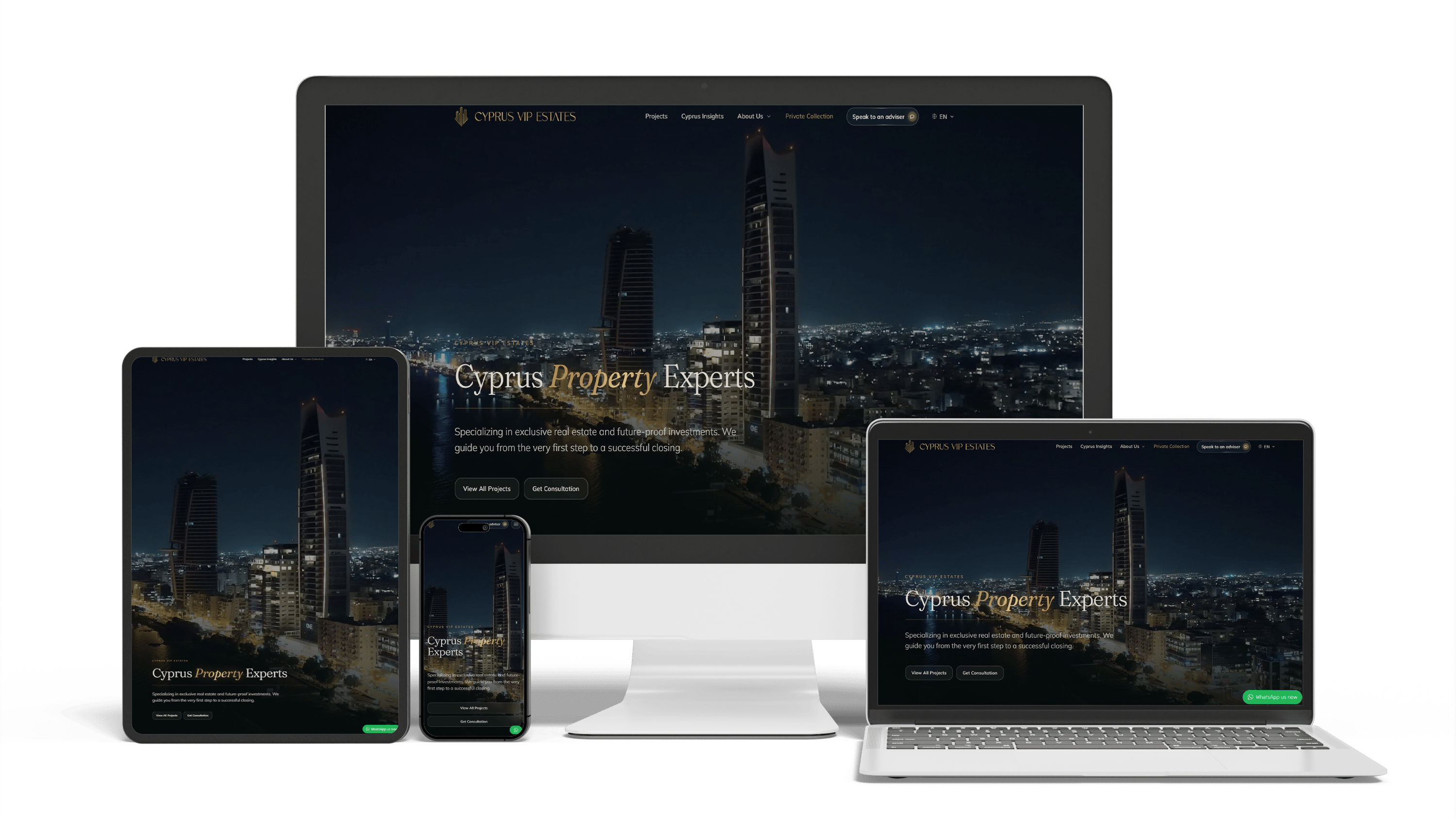
Multilingual real estate platform in Cyprus: SEO and GEO without bought links
16× faster editingTraffic from ChatGPTLeads via WhatsApp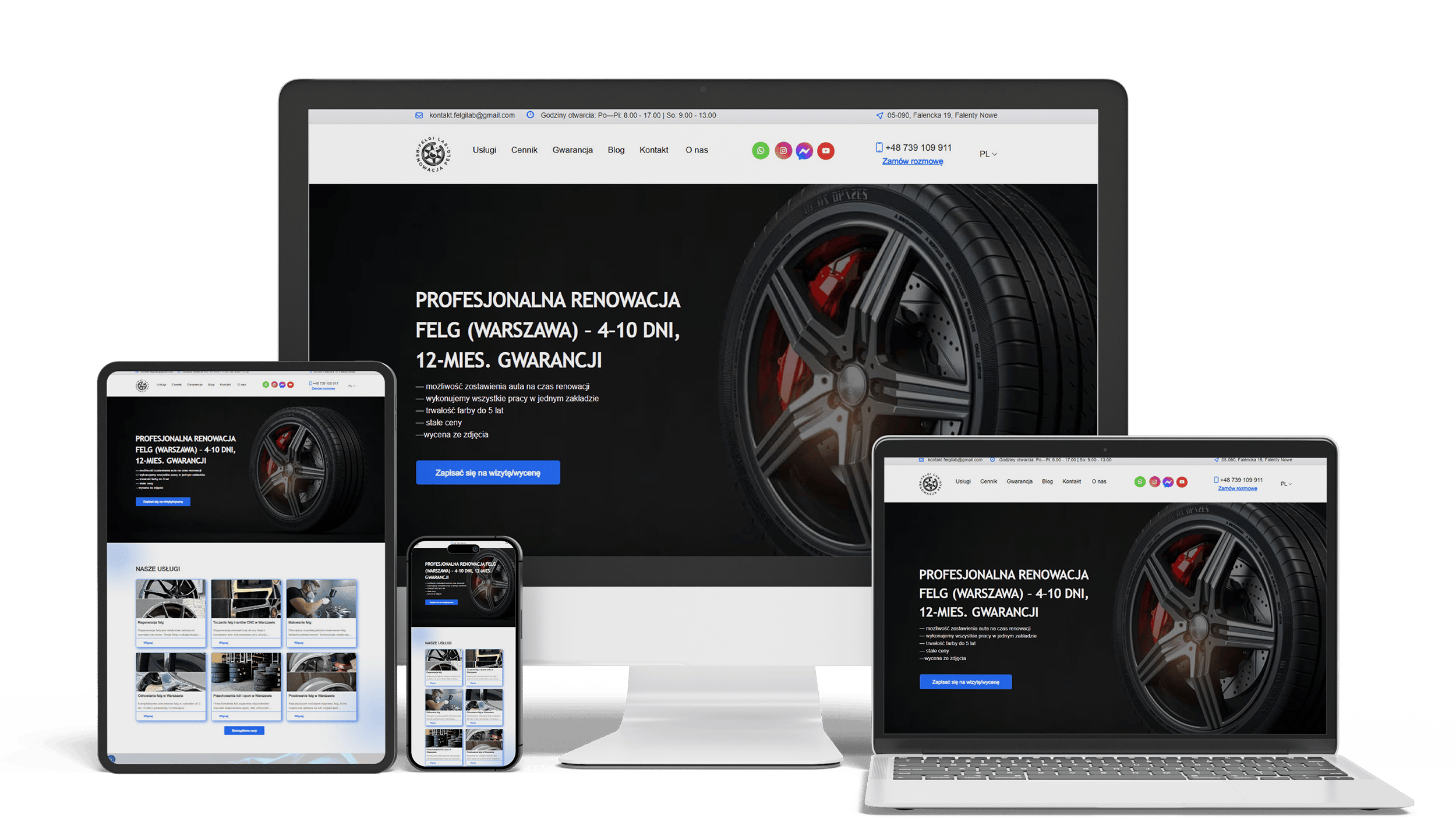
Auto Repair SEO & UX Boost
Performance 90++10% organic trafficLeads from forms
Full Multilingual Website Development & SEO for Student Services
+5,930 clicks in 6 months359k impressionsTeam edits it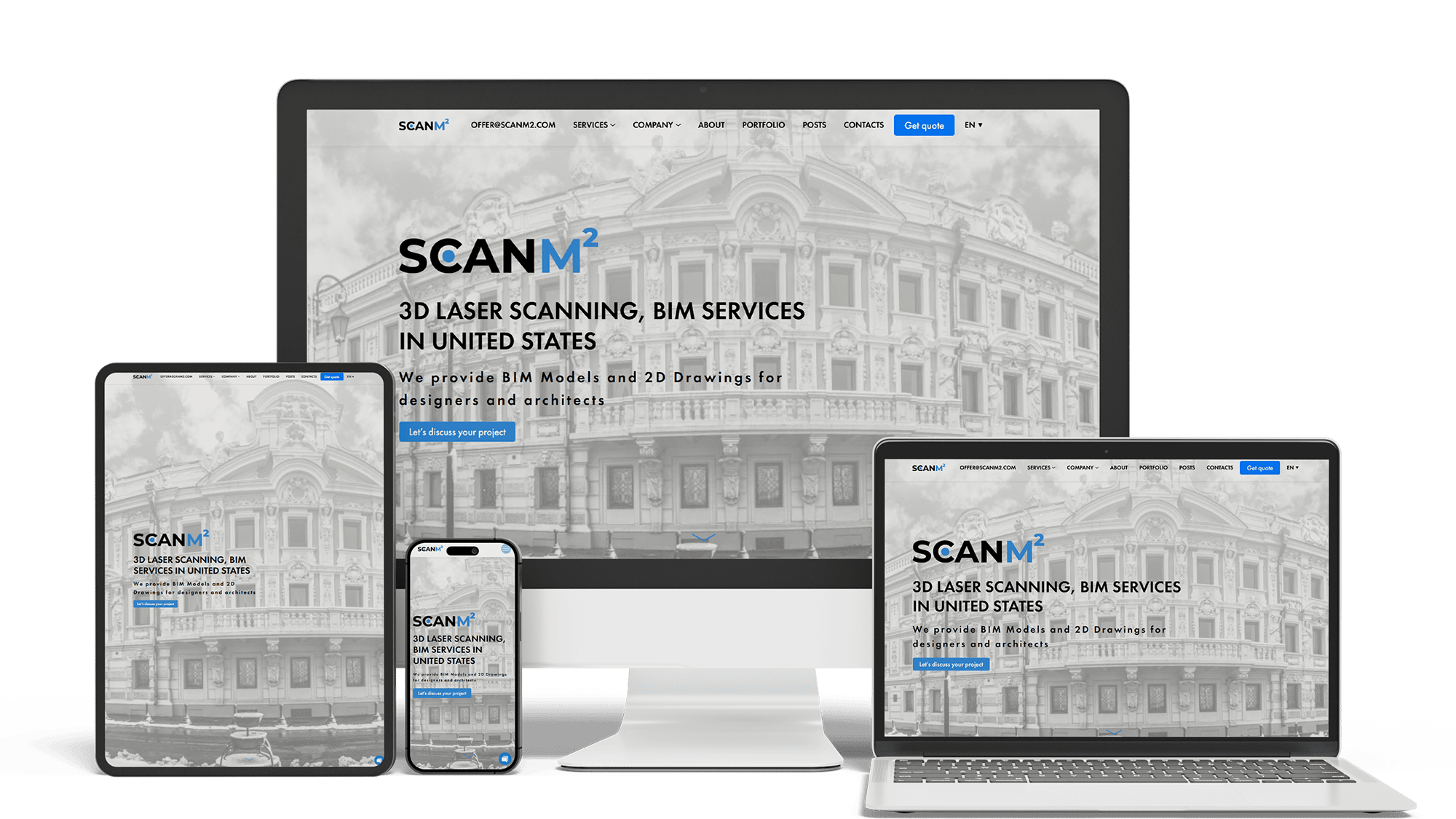
Architecture Website Rebuild and SEO
29× organic trafficLoads in under 1 sTop 3 in Poland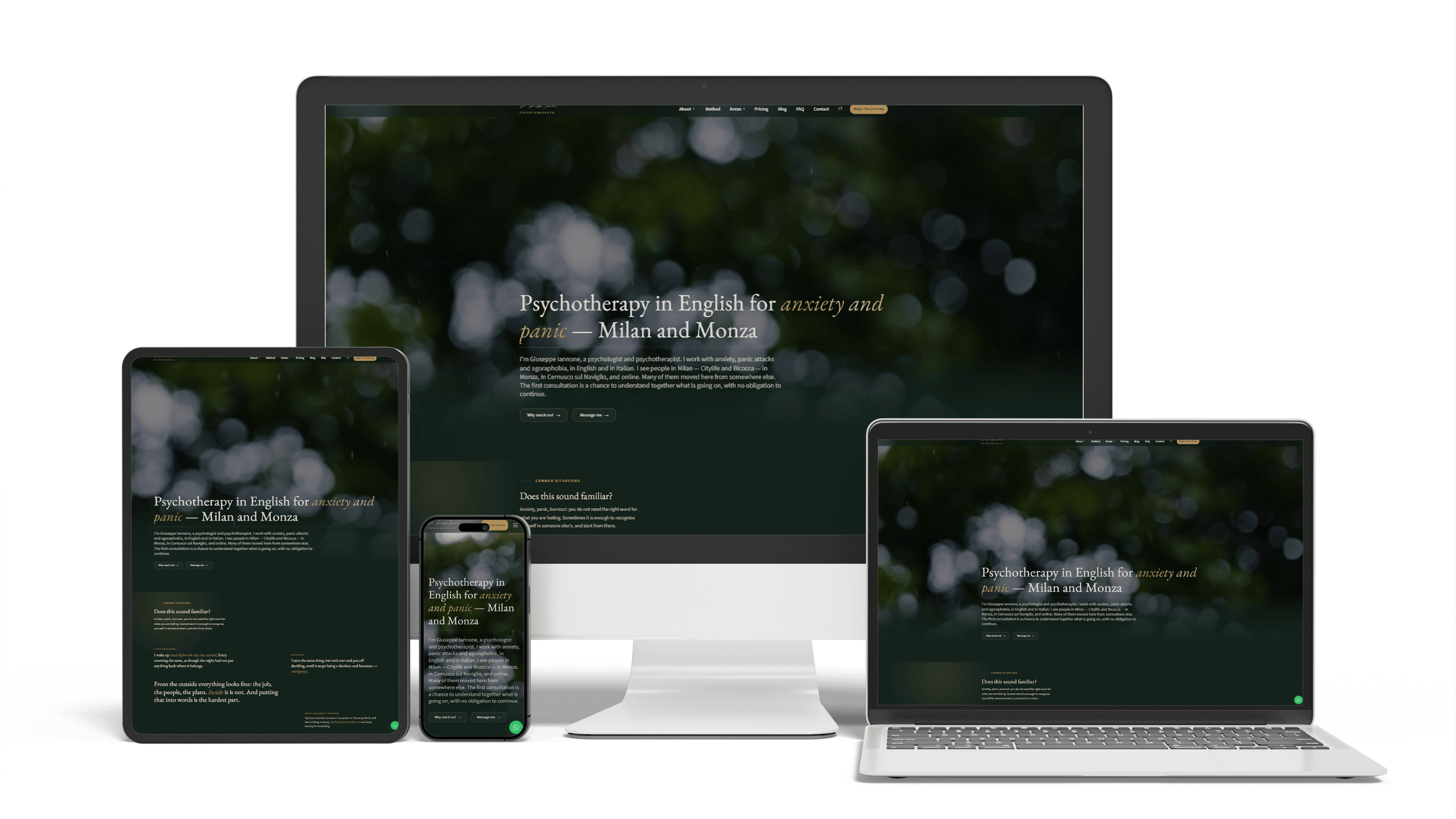
Bilingual psychotherapist website in Italy
468 of 468 posts moved2 languagesSeen in ChatGPT answers
Get a quote for SEO for your car rental company
Within one business day you get my list of first fixes for your site, booking engine and Google profile, with a fixed price.
Car rental SEO is the work I do for independent rental companies: making sure that a traveler looking for a car at the airport, a family that needs a minivan for a week and a local whose car is in the shop find your fleet and book with you directly. There is no account manager in between: I audit the site and the booking engine, and I am also the developer who changes the code.
An independent company competes with global brands at the airport counters and with aggregators that put hundreds of offers on one page. Search is where a smaller fleet can win, because many renters want something specific: an automatic where most cars are manual, a seven-seater, a pickup truck, delivery to a hotel, a rental for a full month. The work connects four places:
- the website — fleet, location and airport pages, the booking engine, and answers about deposits and insurance
- a Google Business Profile for each office and pickup point
- aggregator listings and directories, where your details must match the site
- answers in ChatGPT, Perplexity and Google’s AI Overviews
Before any page is written I collect search data for your city, airport and fleet. The phrases fall into groups that need different pages:
- location — “car rental” or “car hire” with a city or airport name, “rental car near me”
- car type — “SUV rental”, “7 seater car rental”, “van rental”, “convertible rental”
- conditions — “car rental under 25”, “car rental with debit card”, “one way car rental”
- duration — “weekly car rental”, “monthly car rental”, “long term car rental”
Travelers search weeks before a trip, often comparing three or four towns; locals search on the day they need a car. Both are worth winning, and the data shows which group is larger in your market.
Most rental sites show the fleet only inside the booking engine, after the visitor enters dates. Search engines and AI assistants never get that far. Each car class — economy, compact, SUV, minivan, van, premium — gets a page that works without dates:
- the models in the class, with photos of your own cars rather than manufacturer press shots
- seats, luggage space, transmission, fuel type, and available child seats or roof racks
- a price range by season and the deposit for this class
- who the class suits: a couple with carry-ons, a family with a stroller, four golfers with bags
A popular model gets its own page when people search for it by name — a Tesla, a Jeep Wrangler, a Mercedes V-Class. Only cars you keep in the fleet get one; a page for a car the customer cannot actually book costs trust at the counter.
Each office, pickup point and delivery zone gets its own page: address, hours, how to find the desk or the parking spot, a photo of the meeting point, and the delivery fee to hotels, ports and neighborhoods. One-way rentals between your locations get a page with the routes and the drop fee.
Fifty city pages with swapped names are treated as doorway pages and filtered. A location page is worth adding where you hand over cars and have something useful to say: parking near the old town, ferry connections, roads that need a 4x4 in winter.
Airport searches bring the most valuable bookings and the hardest competition: the big brands have counters in the terminal and aggregators bid on every airport phrase. An independent company usually works from a lot near the airport with a shuttle, or meets customers in arrivals. The airport page turns that from a doubt into a reason to book:
- where exactly you meet — the arrivals exit, the parking level, the shuttle stop — with photos
- what happens when a flight is late, and whether night arrivals are included or cost a stated fee
- how the return works, how long it takes and how far it is to departures
- the airport code and terminal names in the text, because travelers search with them
Aggregators bring bookings from the first day. Rentalcars.com, Discover Cars, Kayak, Expedia and similar sites take a commission or charge per booking, rank offers mostly by price and keep the contact with the customer; Turo lets small fleets list cars on its marketplace on its own terms. Many independents get a large share of bookings this way, and that is fine.
A direct booking keeps the commission, gives you the customer’s email for the next trip and lets you sell your own extras. SEO is how direct bookings grow: travelers who compared prices on an aggregator often search the company name before paying, and returning customers search for you straight away. My reports show direct bookings next to what aggregators delivered, so you see the shift in money, not only in rankings.
The questions that stop a booking are almost always about money at the desk. Each one gets a clear answer on the site, matching your terms:
- the security deposit — amount by car class, credit or debit card, when the hold is released
- insurance — what is included, what the collision damage waiver covers, the deductible, the price of full coverage per day
- drivers — minimum age, the young driver fee, years with a license, an international driving permit
- fuel policy, mileage limits, cross-border trips, extra drivers, tolls and traffic fines
These pages rank for searches like “car rental under 25” with your city, and they cut disputes at pickup. Insurance and liability rules differ between countries and states, so the text follows your contracts and local law; this is general information, not legal advice.
Rental demand follows the tourist calendar: summer at the coast, ski weeks in the mountains, holidays and large events in cities. A new page needs weeks or months to rank, so seasonal pages and price updates go live well before the rush, and quiet months go to fleet pages, location pages and fixes.
In tourist areas many renters search in their own language. Each language version is written for that market’s searches, not translated word for word, and the versions are linked with hreflang tags. How I build them is on the multilingual website development page.
For “car rental near me” the map decides many calls. Each office or pickup point with staff gets its own profile with “Car rental agency” as the primary category, real hours including late arrivals, and photos of your cars and the meeting point. A delivery-only business uses a service-area profile rather than an address where nobody works.
Rental reviews are mostly about the deposit, the return and extra charges. Asking every customer after the return and answering each complaint calmly in public does more than a row of five-star ratings. Profiles, categories and review routines for several locations are covered on the local SEO services page.
Rental sites usually run a booking engine from rental software — Coastr, RentRabbit and others — or a WordPress plugin. The engine handles availability and payment; the SEO problems sit around it:
- the fleet and prices exist only inside an iframe or a script, so search engines see an empty page
- result pages with dates in the address get indexed by the thousand and crowd out real pages
- heavy car photos and scripts make the first screen slow on a phone at the airport
- the form asks for every detail before showing a price
Keeping the booking engine and rebuilding the pages around it
Usually the engine stays. Fleet, location and FAQ pages are rebuilt as fast, plain pages with structured data, and the engine opens at the booking step. If the whole site needs replacing, I build that too.
Renters planning a trip put questions to ChatGPT, Perplexity or Google’s AI Overviews, such as “can I rent a car at 21 in Florida”, “is it cheaper to book a rental car directly or through Kayak” or “which local rental company meets you at arrivals in Maui”. Assistants build answers from pages they can read and check. This work is called generative engine optimization (GEO) or answer engine optimization (AEO), and for a rental company it means:
- deposit, insurance, age and fuel rules written as plain sentences on your own pages
- fleet, locations, hours and airports as text and structured data
- the same name, address and phone on Google, aggregators and directories
I save what assistants say about your company, and which competitors they suggest, before the work and again after it. How that work is done is explained on the AI SEO and GEO optimization page.
- Car rental SEO audit of the website, booking engine and Google profiles: from 250 €, one-off, with fixes ranked by their effect on bookings.
- One-off work — fleet, location and airport pages, deposit and insurance answers, structured data: 250–700 €.
- Monthly SEO for a car rental company — new pages, maps, reviews, AI visibility and reports in bookings: from 800 € per month; in big US metros, where national brands and aggregators bid on every airport phrase, from 1,300 € per month.
If you also sell ex-fleet cars, see car dealer SEO. Monthly work in general is described on the SEO optimization and strategy page; the full price list is on the pricing page.
Car rental SEO: frequently asked questions
Order SEO for your car rental company: what to send me
Tell me the company name, link the site and your Google Maps listings, and list the cities and airports you serve, your fleet by class, the booking engine you use and where bookings come from now — aggregators, the map, your site or repeat customers. You will get a short list of first fixes and a fixed price. Use the form above or write on WhatsApp.
