


SEO for cardiologists: winning the test and city queries instead of the symptom queries you cannot win
Search work for cardiology practices — SEO together with GEO and AEO: a page for every test a patient is sent for, prices and waiting times where the query actually is, a map listing written as a list of tests, and visibility in AI answers. Audit from €250.
- Tests, prices, local search
- Named by ChatGPT and AI search
- Audit from €250
What SEO for a cardiology practice covers
- A page for every testEcho, Holter, stress test, ABPM
- Prices and waiting times on the pageBecause that is the whole query
- A map listing written as testsNot one line saying «cardiology»
- Second opinions on existing resultsA service with its own demand
- Author, credentials, review dateWhat medical pages are judged on
- Named in ChatGPT and AI answersTests, prices and credentials an assistant can quote
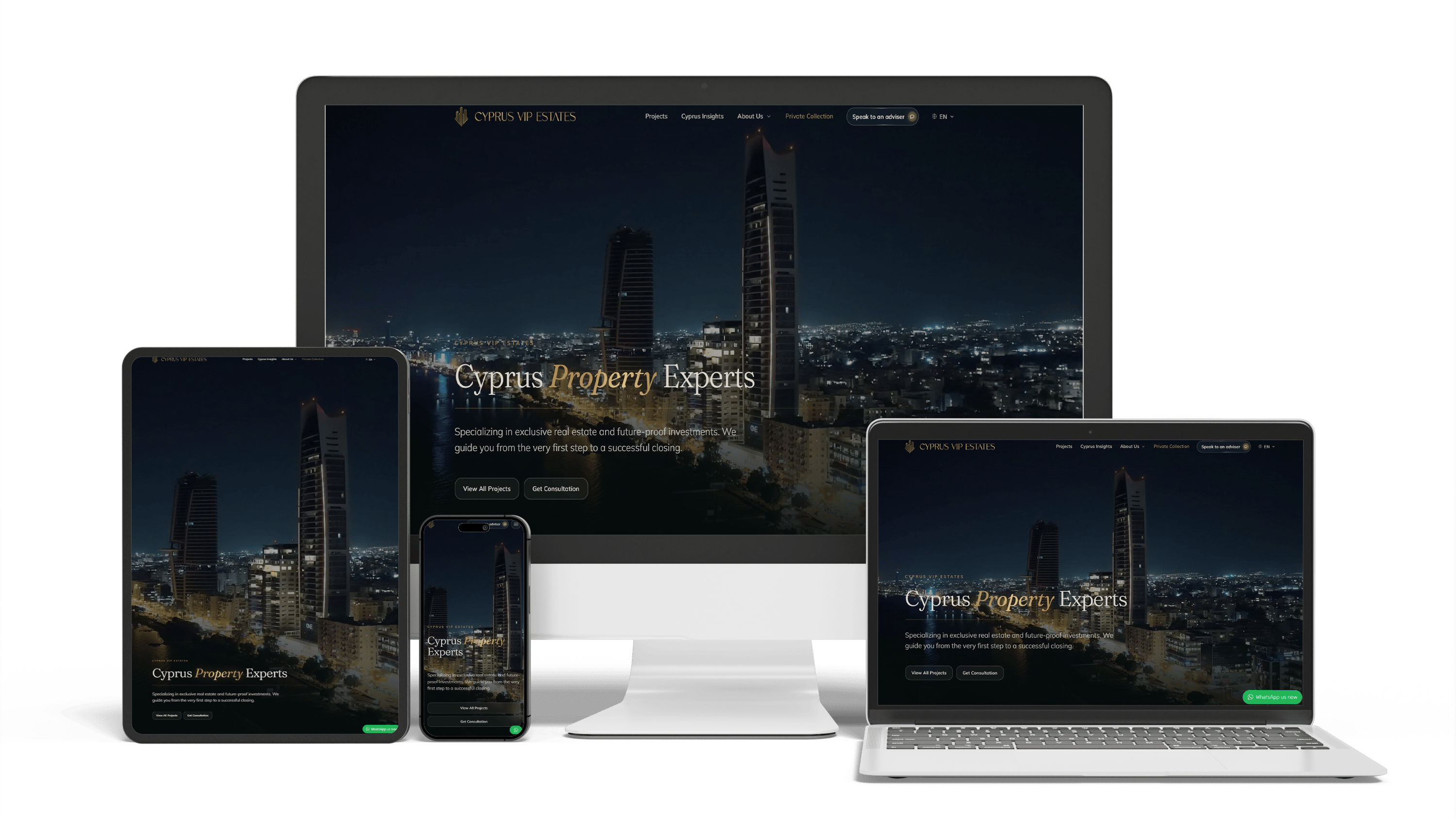
Multilingual real estate platform in Cyprus: SEO and GEO without bought links
16× faster editingTraffic from ChatGPTLeads via WhatsApp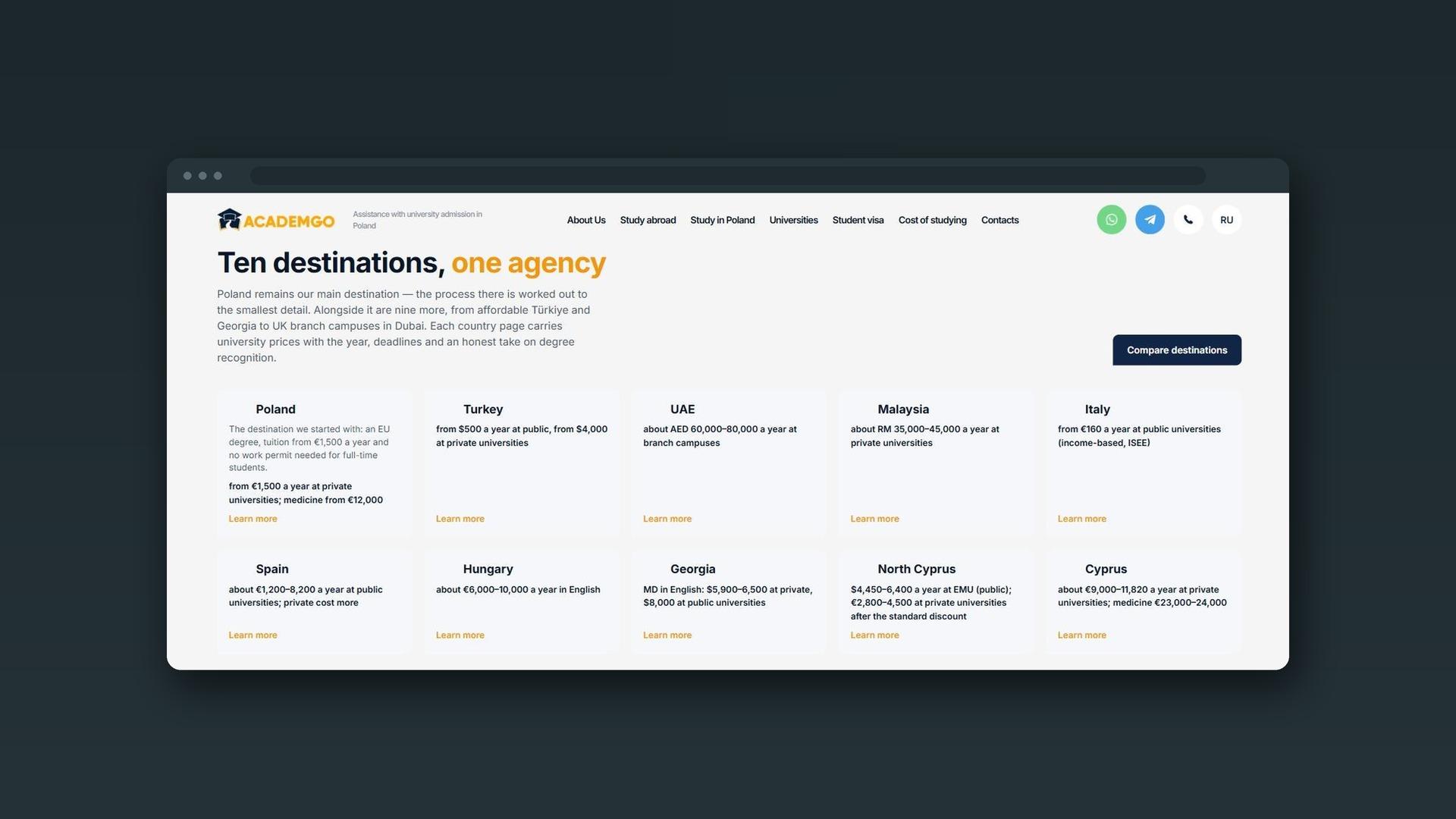
SEO case study: an education agency site, one country to ten
1 → 10 countries180 new pagesPerformance 61 → 91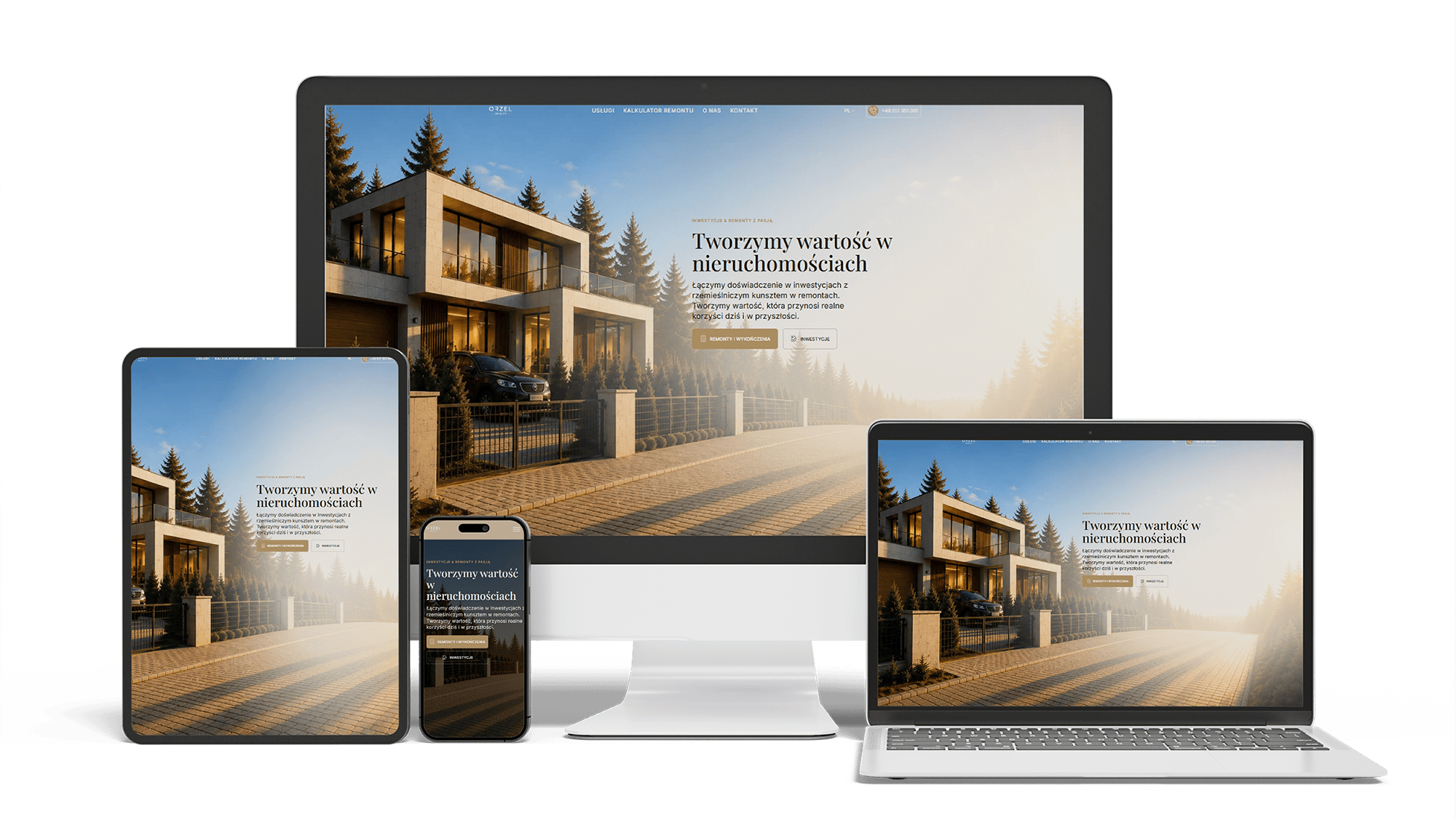
Renovation and investment website with a premium feel and 96/98/100/100 performance
96/98/100/100Design system2 languages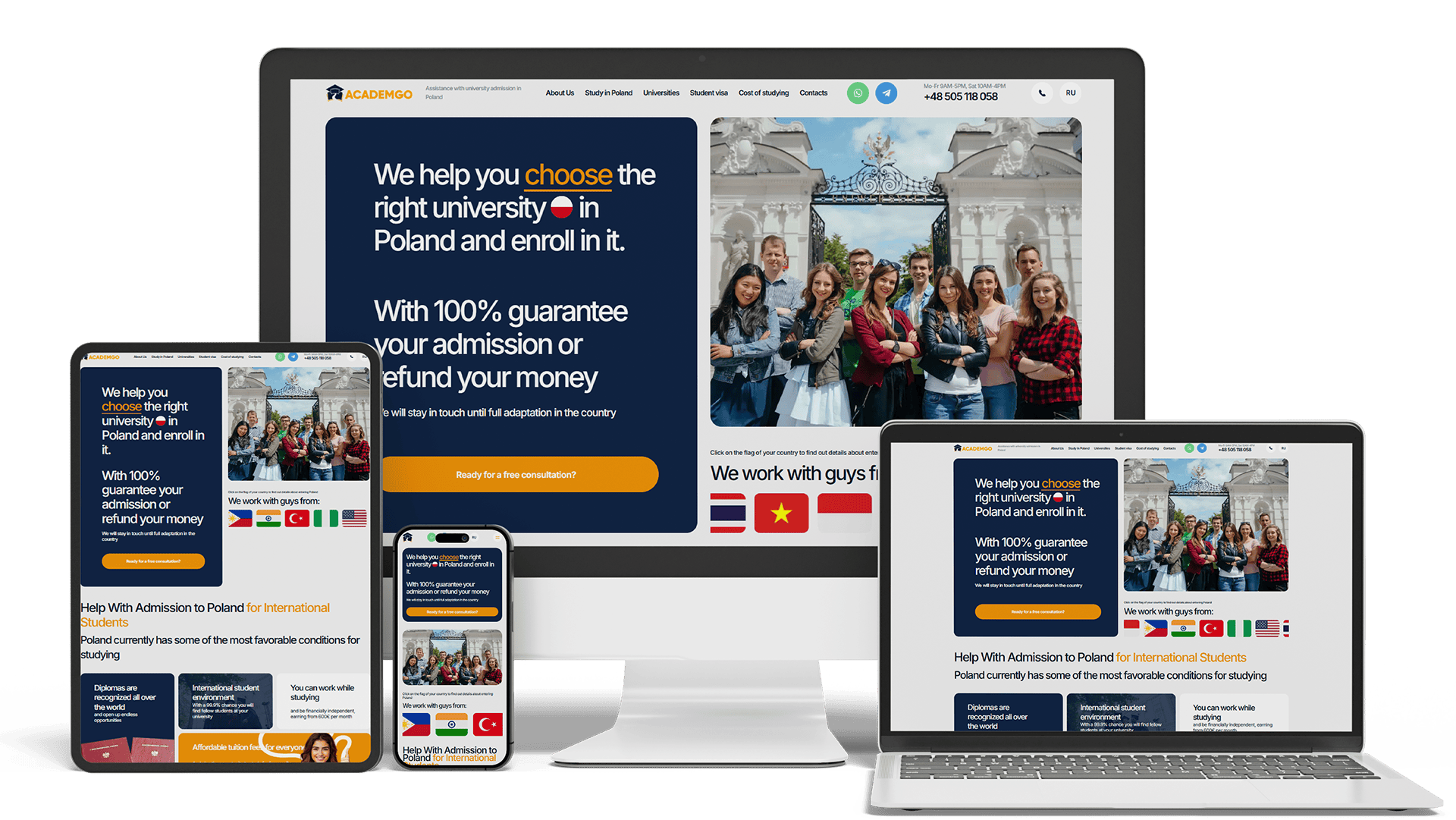
Full Multilingual Website Development & SEO for Student Services
+5,930 clicks in 6 months359k impressionsTeam edits it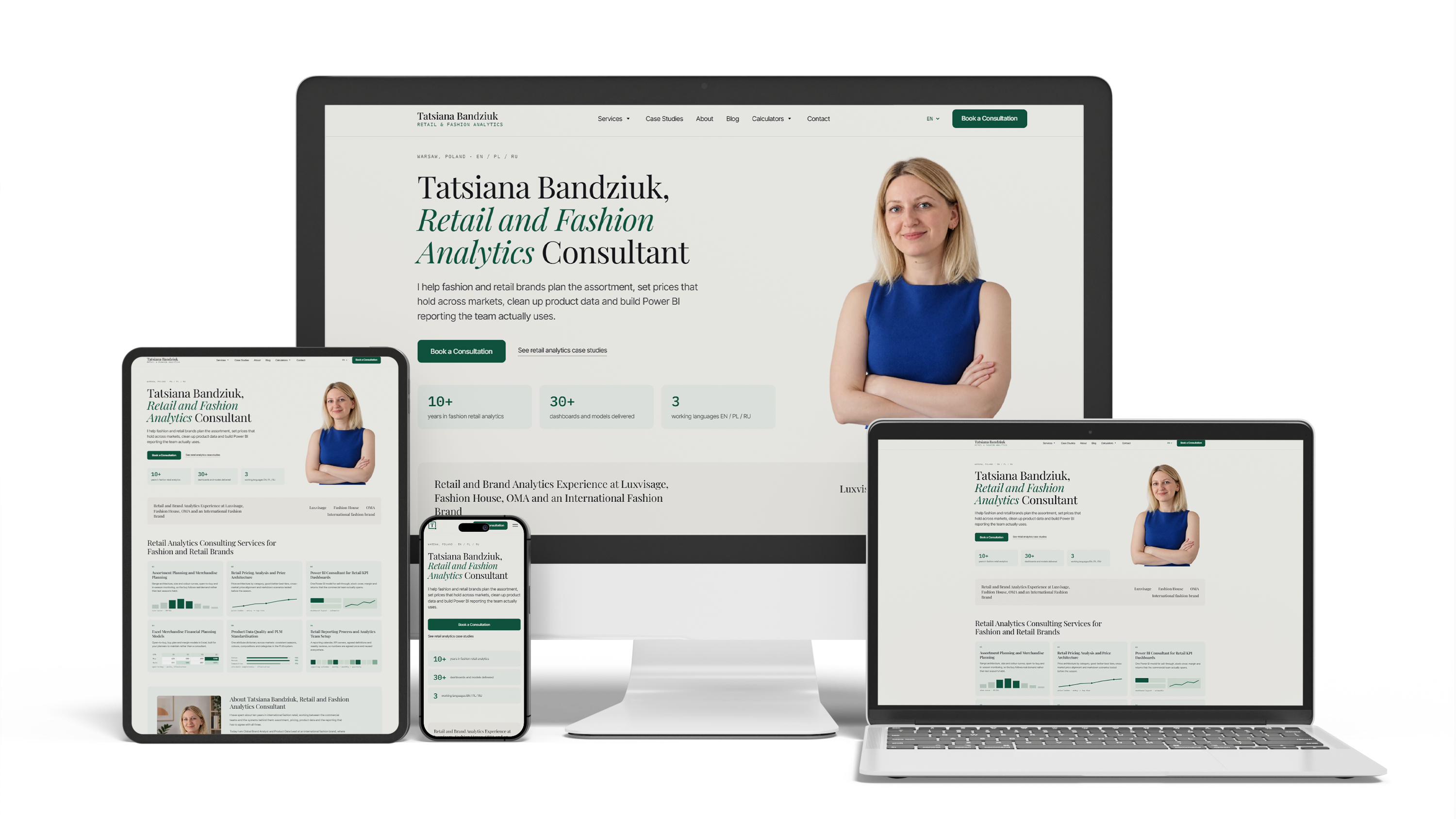
A consultant website for a retail analytics expert
100/100/100/100153 pages3 languages
I do SEO for cardiologists and cardiology practices, and the first change is usually the target: away from symptoms and towards the tests patients are already sent for.
Almost every cardiology site I am asked to look at is trying to rank for symptoms: chest pain, high blood pressure, palpitations, shortness of breath. Those queries belong to health publishers and large hospital systems with hundreds of reviewed articles, and a single practice will not take them. The harder truth is that it would not help much if it did: somebody typing «chest pain» at midnight is looking for reassurance, not for a private appointment three weeks out.
The queries that bring patients are not about the illness, they are about the thing the patient has just been told to get. A GP says get an echo. The patient walks out, opens their phone and types the name of the test, their city and the word price. That query is short, commercial, under-served and winnable — and it is the one almost no cardiology site is built around.
If you want the general medical playbook — service pages, doctor profiles, reviews, aggregators — that is SEO for doctors. This page is only about what differs for cardiology.
Each test is its own page, because each one is its own query and its own decision. A page that bundles them into a list of services competes for nothing.
An echocardiography page names the type of echo, who performs it and when the report comes
The most searched test in cardiology and the easiest to lose on vagueness. The page names the type precisely — resting echo, stress echo, transoesophageal — says who performs it and on what equipment, how long it takes, whether a report is issued the same day, and what it costs.
Holter and blood pressure monitoring pages sell on how soon a device is free
These sell on logistics, not on medicine: how soon a device is free, whether you fit it the same day, how many hours, whether it can be posted, how the result comes back. A page that answers those five things outranks a page that explains what a Holter monitor is.
Stress test and calcium score pages explain who the test suits and what follows
Here the patient is often searching without a referral, usually on a worry about family history or a check-up, so the page says who the test is appropriate for, what it does not cover, and what the next step is after the result.
Cardiology is unusual in that the price and the wait are the question, not a detail at the end. A page with the test name and no number loses to a page that says «echocardiogram, €90, next free slot Thursday», even if the second practice is less distinguished. One maintained line per test, and one sentence on how fast a report is issued, is worth more than any amount of text about the practice's approach.
A cardiologist's map listing usually says one thing: cardiology. That is a category, not a search. The listing should carry each test as a named service, each with its price where the platform allows it, so that the practice can appear for «Holter near me» rather than only for the practice's own name. Opening hours that are accurate, photographs of the actual rooms and equipment, and replies to reviews do the rest. The full method is on the local SEO page.
A large share of cardiology search is people who already have results and do not understand them, or do not trust what they were told. They search for a second opinion, often from another country, and they are willing to pay for an appointment that consists of reading what they already have.
It is a service with its own demand, its own page and no local limit — and it needs the licensing question answered on the page: which countries you can consult patients in, and what you will and will not do without examining somebody in person.
Three things, in order of how often they are broken: a booking flow that works on a phone with one hand, because that is where the patient is standing when they read the price; speed on a mobile connection, since test pages are usually opened outside the home; and structured data for the practice, the physicians and the services, so that the test names and prices can be read as data rather than as decoration.
An audit is €250 and tells you which test pages are missing, where the prices and waits should sit, and what the map listing is losing. One-off work is €250–800 and covers building out the test pages and the structure. Ongoing work is €800 a month. The figures are on the pricing page.
First movement usually shows at about a month and a half, growth over three to six months. I do not promise positions, and in cardiology I would distrust anyone who does: the symptom queries are not available at any budget, and the test queries move faster than anybody's forecast because they depend on how many practices in your city publish a price at all.
An audit of your cardiology practice site
I answer within one working day: what is missing, what I would do first, and what it costs.
Getting a cardiology practice quoted by AI assistants (GEO, AEO)
The question «where can I get a Holter fitted this week» now goes to ChatGPT, Perplexity, Gemini or Google’s AI Overviews as often as to a search box, and the assistant answers from text it can read. A practice whose tests are named only inside a photograph of a price list, whose waiting time is known only by phone and whose doctors' registrations appear nowhere in text is absent from that answer — not ranked low, absent.
What makes a practice quotable is the same thing that makes it useful: every test named in text with its price, the wait in a maintained sentence, each physician with their specialisation and registration, the languages you consult in as data. The work itself is AI search readiness, and if you only want to know where you stand today, that is an AI visibility audit.
SEO for cardiologists: frequently asked questions
Starting search work with a cardiology practice: what to send me
Send the site address, the tests you perform and on what equipment, your current prices and waiting times, whether you offer second opinions remotely and in which countries, the doctors' names and registrations, and the languages you consult in. I answer within one working day with what is missing and what I would do first.
